The writing had been on the wall since earlier this year that Joseph DePinto’s two-decade run as CEO of 7-Eleven was nearing its end.
In March, the convenience retailer’s parent company, Seven & i Holdings, revealed plans to take 7-Eleven public in 2026 — a move that oftentimes results in new leadership. Less than a week later, DePinto resigned from Seven & i’s board of directors.
Nine months later, it’s now official. Late on Dec. 19, Seven & i announced that DePinto, who has led 7-Eleven since 2005, will retire at the end of this year. Stan Reynolds and Doug Rosencrans, president and COO of 7-Eleven, respectively, will serve as co-CEOs until a permanent replacement is hired — a search process that’s now part of the most anticipated c-store industry storyline heading into 2026.
“We strive to find, through a thorough selection process, the right person who can lead SEI and help us work even more closely together as one Group,” Stephen Dacus, president and CEO of Seven & i, said in the announcement. “Our goal is to further advance our transformation efforts, unlock SEI’s full potential, redefine convenience, and bring the 7-Eleven experience to even more customers across the North American market.”
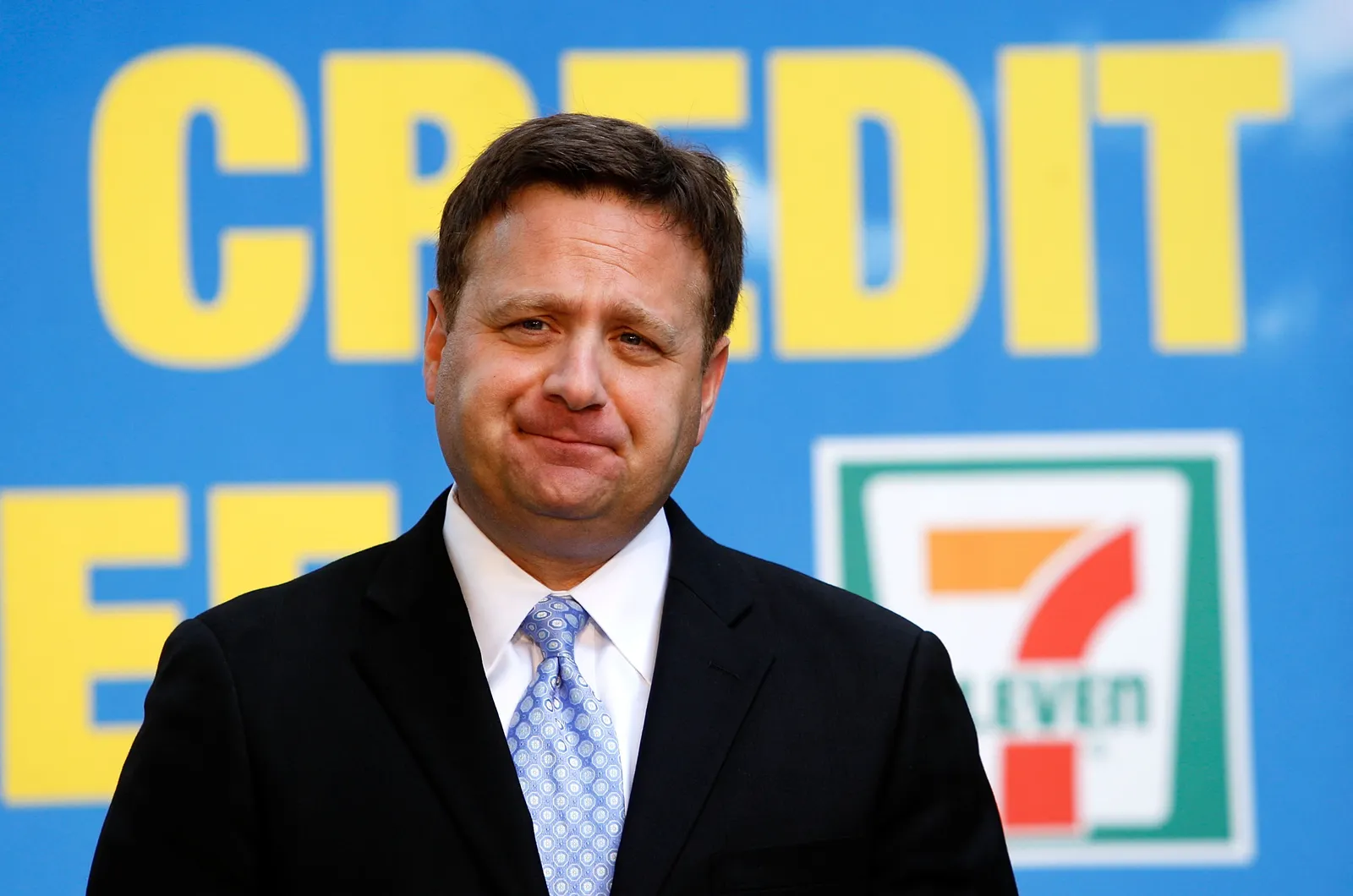
DePinto’s departure will mark a significant shift for 7-Eleven as it heads into 2026. With the IPO looming, its next chief executive will be tasked with leading the c-store retailer into a major new growth phase.
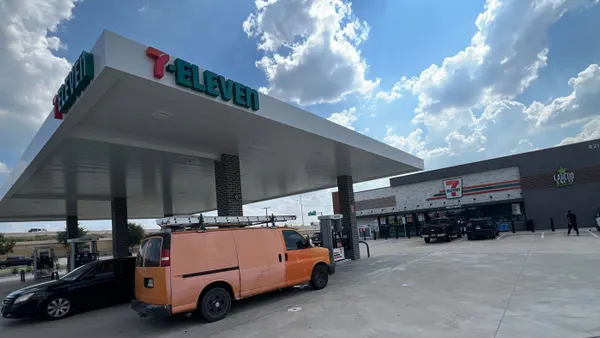
The IPO, planned for the second half of next year, is expected to leverage 7-Eleven’s ubiquity in the U.S. — where it has over 9,000 c-stores — and help it grow faster by increasing flexibility and responsiveness to its customers while still utilizing synergies with Seven & i.
Experts have said that the IPO will generate significant capital for 7-Eleven in North America, allowing the convenience retailer to invest in its business in any which way it pleases. This will almost certainly include an increased rollout of 7-Eleven’s large-format, food-focused c-stores, which the company is already aiming to open 600 of by 2027. These sites, which are about double the size of a traditional 7-Eleven, offer a larger product assortment and expanded food and beverage offerings, in addition to in-store seating.
7-Eleven’s next CEO will also be tasked with increasing the company’s private-brand and fuel sales, as well as cutting operating costs, which Dacus recently told Bloomberg are “higher than our competitors” on a per-store basis.
It’s a big list of priorities for a future chief executive who will undoubtedly face immediate pressure to turn things around for the company.
“We strive to find, through a thorough selection process, the right person who can lead SEI and help us work even more closely together as one Group."

Stephen Dacus
President and CEO of Seven & i
7-Eleven has struggled with innovation and profitability for the past few years amid economic headwinds. Just a couple months ago, Dacus publicly expressed concern about 7-Eleven falling behind its U.S. competitors, many of which are adding new foodservice concepts as they upgrade their stores. While 7-Eleven is scaling a few proprietary food options like Laredo Taco Company, most of its stores rely on the all-too-familiar roller dogs, frozen beverages and other staples that other c-stores also carry.
It’s unclear how long it will take Seven & i to find the next face of 7-Eleven in North America. Dacus and his team are working with a global executive search firm to find the right person. But with significant changes looming and operational challenges persisting, a quick appointment is likely on the horizon.