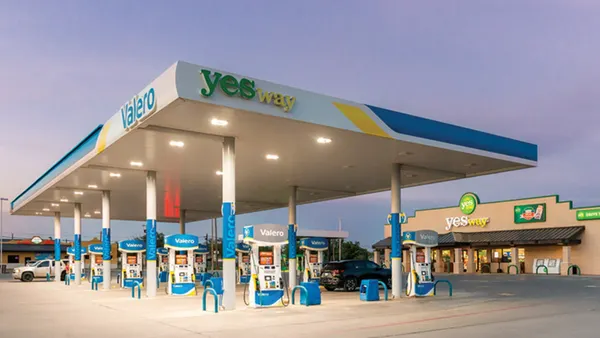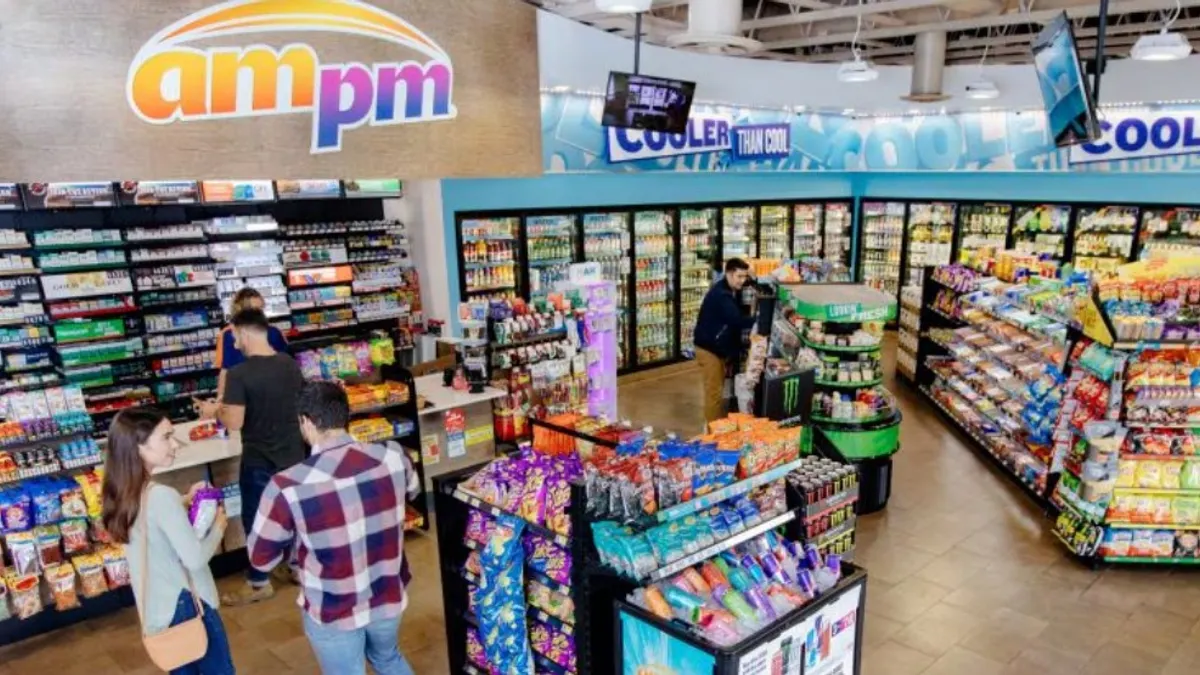
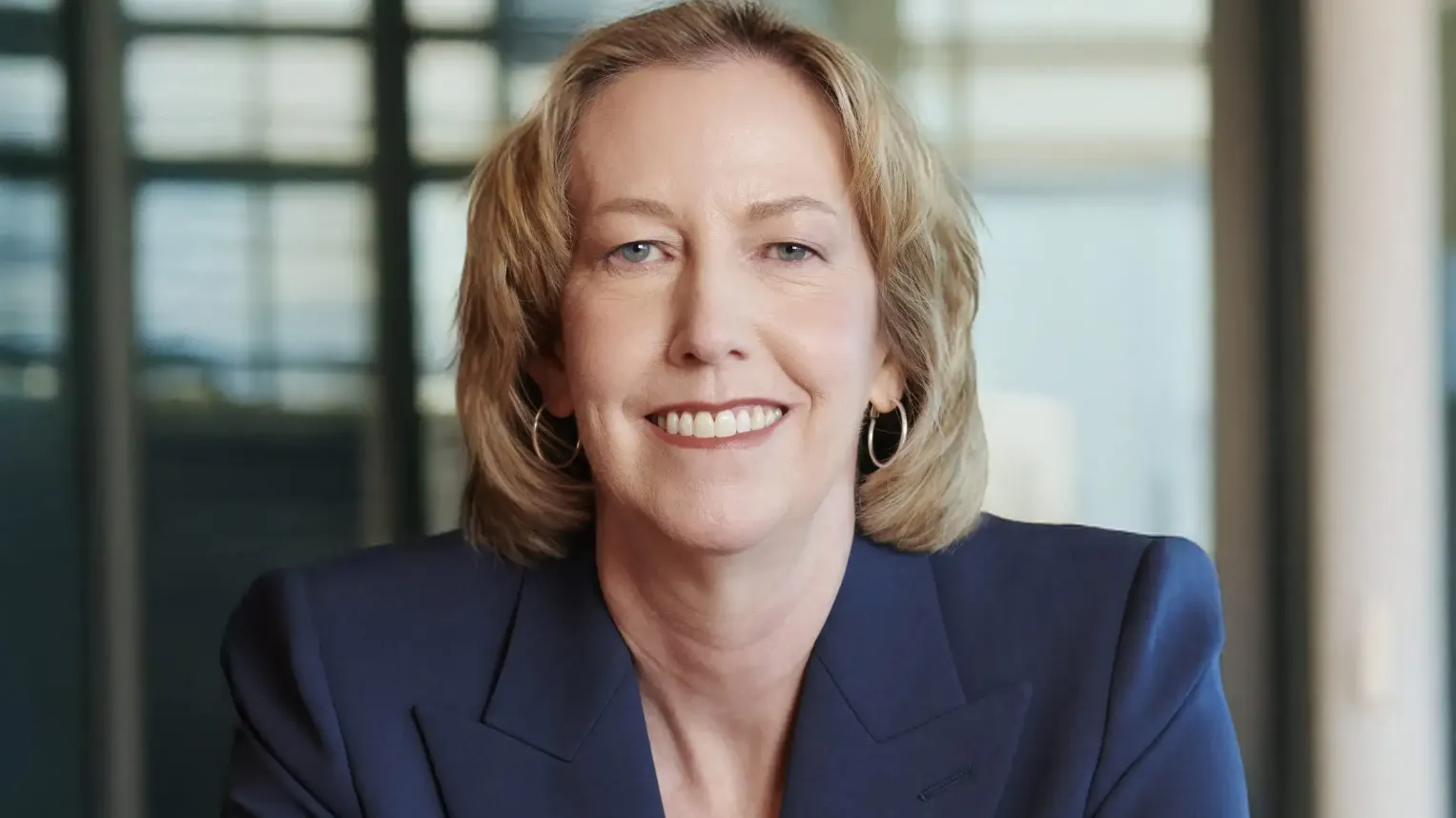
When its board of directors appointed oil industry veteran Meg O’Neill as its next CEO last week, BP signaled that major change is coming in 2026.
O’Neill, who will assume leadership in April, becomes BP’s fourth CEO since 2020, and will take over during a challenging period for the company. In 2024, BP’s profits fell, its margins weakened and its strategy to go green fell flat. Additionally, its customers and products business, which includes its global c-store arm, hit a wall.
In light of these challenges, in January, the company amped up a strategy to reduce expenses by about $2 billion by 2026, and has since laid off thousands of global employees — including many in its c-store division. As of August, about 60% of BP’s layoffs this year had come from within its customers and products segment.
Over the summer, a BP spokesperson confirmed to C-Store Dive that these changes impacted the team at TravelCenters of America, the company’s travel center chain in the U.S. A couple months later, TA CEO Debi Boffa resigned and BP appointed former Pilot and Dollar Tree exec Jason Nordin as her replacement in November.
That same month, former CEO Murray Auchincloss revealed in a presentation that BP is in the process of divesting about 10% of its company-operated retail sites around the globe. He didn’t say where the sales were happening, but noted at the time that about 60% of the sites were already in the contractual process.
At first glance, given that the U.S. — where BP has well over 1,000 company-operated sites under the TA, Ampm and Thorntons banners — has been a core area of focus in recent years, a large divestiture of any of these sites would be surprising. However, during that same November presentation, Chief Financial Officer Kate Thompson said that BP is implementing a “targeted business improvement plan” for TA “in response to continued margin pressure.” Thompson added this plan aims to improve adjusted free cash flow by $200 million to $300 million by 2027.
But that plan hasn’t progressed as swiftly as BP would like. Fast forward to mid-December, and the company announced a new leader — its first CEO from outside the company — to move things along faster.
Company-operated c-stores are a notable part of BP’s business, but they still take a back seat to its oil and gas exploration and production. If O’Neill comes in hungry to cut costs further, it’s possible that TA, Thorntons, Ampm and the rest of BP’s U.S. retail sites could be on the chopping block.