Austin Lieb is chief product and technology officer at Gilbarco Veeder-Root, a worldwide technology company focused on retail and commercial fueling operations.
If you walked the floor of any major convenience retail trade show five years ago, the buzz was all about disruption. We were promised that drones, fully autonomous stores and a complete electric vehicle takeover were just around the corner.
Now, as we kick off 2026, the conversation has shifted. We aren't talking about disruption anymore; we are talking about resilience.
2025 served as a grueling stress test for the c-store industry. We navigated a confusing middle inning of the energy transition, faced a labor market that remained stubbornly tight and battled for the attention of a consumer who is more price-sensitive and digitally savvy than ever. But the biggest friction point I saw last year wasn’t inflation or regulation — it was complexity.
For the better part of a decade, retailers have been taping together disparate technologies to solve individual problems. They bought from one vendor for point-of-sale, another for fuel dispensers, a third for EV charging, a fourth for carwash operations and a fifth for loyalty.
By 2025, that approach hit a wall. The operational overhead of managing these disconnected solutions began to cost more than the problems they were solving.
As we begin 2026, the era of the device is ending. We are entering the era of the connected mobility ecosystem.
Here is what I see coming down the pike for the year ahead and how smart operators will separate themselves from the pack:
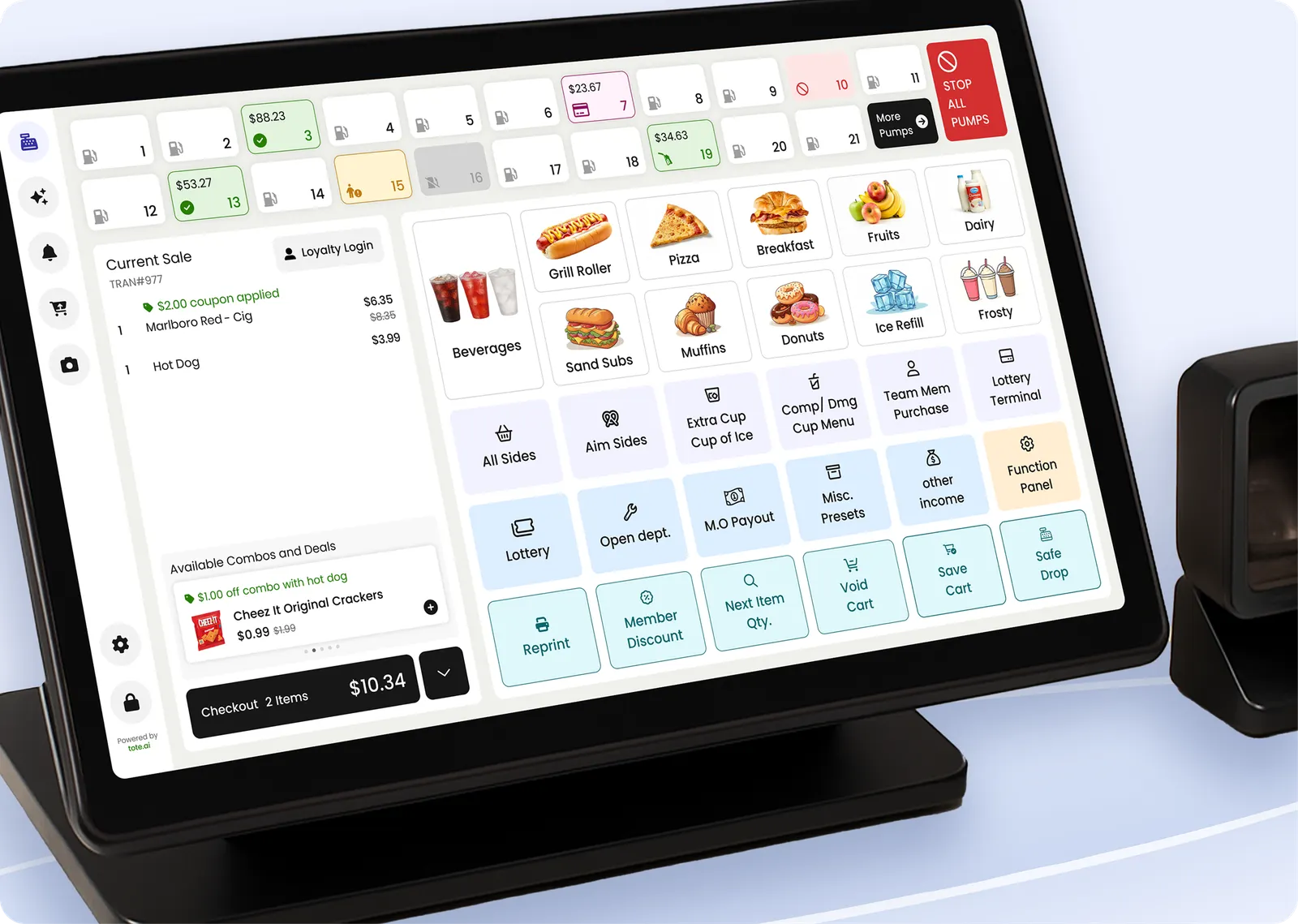
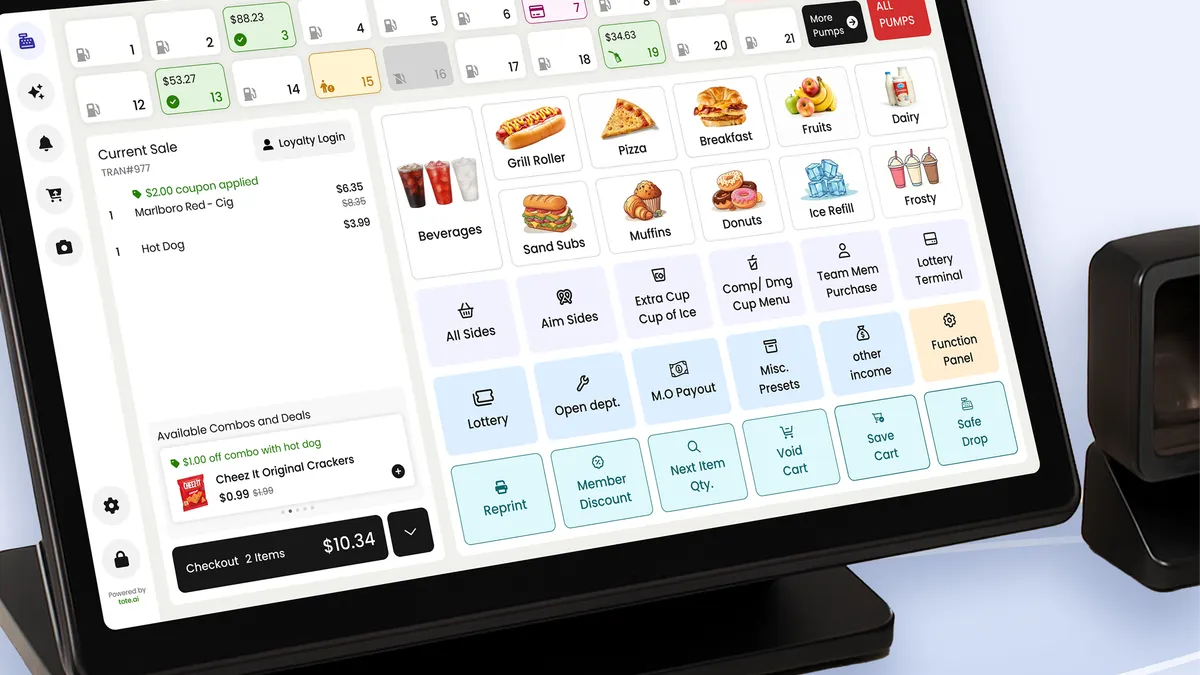
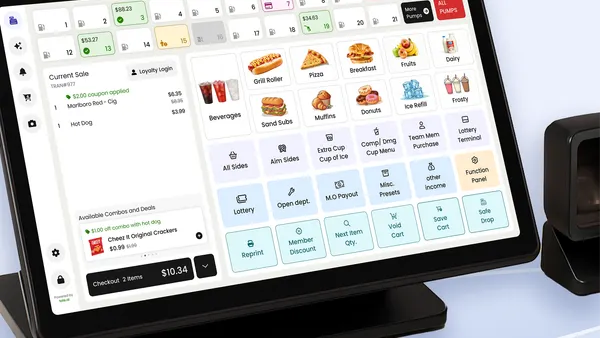
1. System-wide integration: In 2026, the tolerance for swivel-chair integration — where a manager has to physically turn from one screen to another to reconcile data — will finally evaporate. Retailers are realizing that a tech stack is only as strong as its weakest API. Over the next year, we will see a massive shift toward unified platforms that connect the forecourt to the back office. The winning operators will be those whose EV chargers communicate directly with their point-of-sale to offer the driver a coffee discount while their car charges. They will be the ones whose fuel dispenser diagnostics automatically trigger maintenance tickets in the back-office software before a nozzle fails.
The prediction is simple: In 2026, you won’t just buy hardware; you will buy connectivity. If a piece of technology creates a data silo, it won’t make the budget.
2. From energy transition to multi-energy management/expansion: For a long time, the industry narrative around transportation energy was binary: gas vs. electric. That debate is effectively over. The reality we face in 2026 is a long, complex and profitable coexistence
We are done treating EV charging as a science experiment. It is now a core operational asset that demands the same uptime standards as a traditional fuel pump. However, the challenge for 2026 isn't just installing plugs — it's managing the grid. Retailers adding high-speed chargers alongside car washes and coolers risk tripping breakers or facing exorbitant demand charges.
"As we begin 2026, the era of the device is ending. We are entering the era of the connected mobility ecosystem."

Austin Lieb
Chief product and technology officer at Gilbarco Veeder-Root
The fix isn't just more power; it's intelligent energy management. We are moving toward dynamic load balancing becoming a standard site requirement. The operators who win 2026 will be the ones who can manage electrons as efficiently as they manage gallons, unifying their view of energy across the site to maximize throughput without blowing up their utility bill.
3. The labor pool has changed — permanently: We are facing a structural reality: the workforce is physically smaller than it was a decade ago. There simply aren’t enough hands to staff stores at historical levels. This means the remaining employees are stretched thin, focused mainly on high-value tasks like food service and customer interaction.
They cannot afford the distraction of troubleshooting hardware. You cannot expect a clerk running a busy register to also act as an IT technician when a pump freezes up.
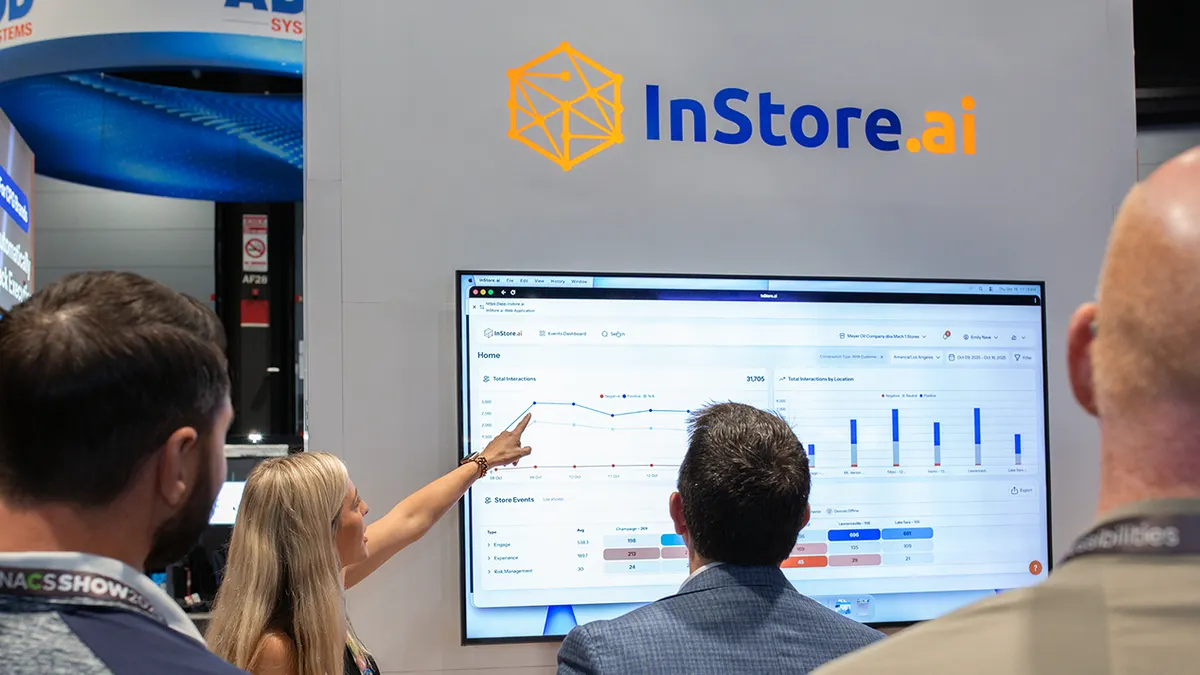
In 2026, remote asset management will become the bridge over this labor gap. We need systems that function autonomously — identifying errors and addressing those problems via remote reboots or automated dispatch — so that uptime is maintained without a human ever having to leave the counter.
4. AI moves from the chatbot to the forecourt: For the last two years, the conversation around artificial intelligence has been dominated by generative tools. While impressive, that version of AI hasn't done much to improve throughput at a busy travel stop.
In 2026, we will see AI grow up and get to work in the physical world. We aren’t talking about a bot you talk to, but an invisible layer of intelligence that connects the dots between the vehicle, the dispenser, the carwash and the store.
This is where the real-world benefit kicks in. Instead of just analyzing past data, operational AI will anticipate future needs in real time. It’s the difference between a loyalty app sending a generic coupon on a Tuesday and a system recognizing a specific EV driver is five miles away, ensuring their preferred charger is available and having their usual coffee order ready for pickup the moment they plug in.
Moving forward, retailers won’t achieve a seamless customer experience through better training or faster manual inputs. they will achieve it through AI that removes friction before the customer even encounters it.
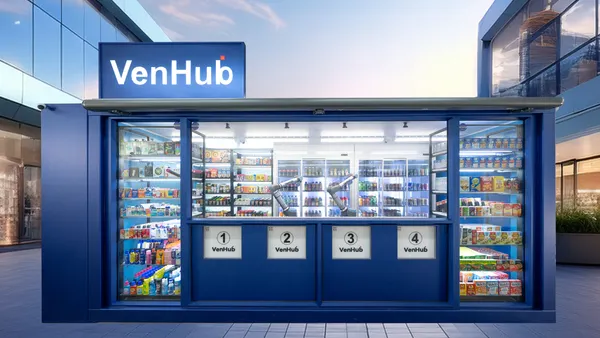
The convenience store of the past was a pit stop. The convenience store of 2026 is a destination — a multi-service hub where fueling, charging, dining, car care and working happen simultaneously.
The technology exists today to make this seamless. The challenge for the coming year isn't inventing new tools; it's integrating the ones we already have to create an experience that is frictionless for the consumer and profitable for the operator.