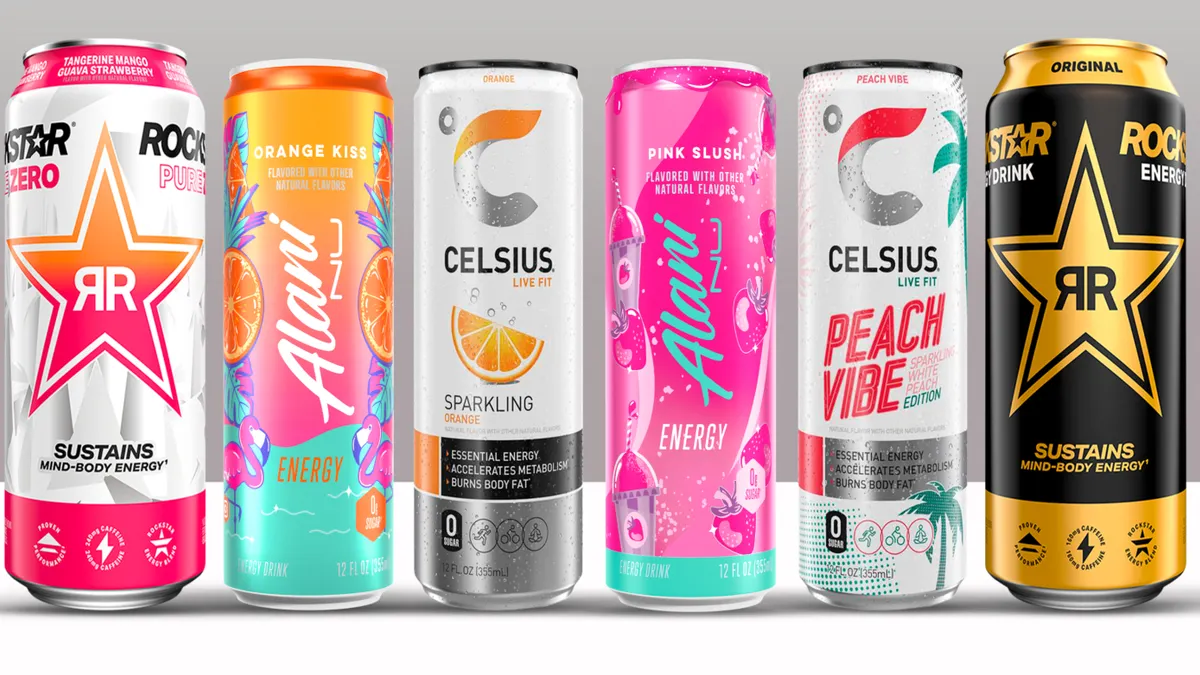
After very strong sales last year, energy drinks are expected to perform very well in c-stores again this year — with some changes. Retailers may see caffeine levels change, and shoppers will likely consider alternative beverages within the channel to boost energy levels.
C-store energy drink dollar sales soared 10% for the year ending Dec. 31, 2025, to more than $16 billion while unit sales grew 8%, per Circana data.
Energy drinks have reached an all-time high in market share, growing steadily from 1.3% of c-store sales in 2019 to 2.4% by the third quarter of 2025, according to Datassential.
Both familiar favorites and newer brands contributed to unit sales growth, according to Circana data across all types of retail outlets, including e-commerce and c-stores.
“Newer brands posted stronger percentage‑growth trends, although off smaller bases, while established brands continued to drive the bulk of category volume,” said Sally Lyons Wyatt , global executive vice president and chief advisor for consumer goods and foodservice insights at Circana.
The rise of energy drinks stems from a confluence of factors. Most consumers buy energy drinks because they feel these beverages provide the best energy boost, according to Datassential. Other notable reasons include liking the taste, seeking to treat themselves and their affordability.
“Younger consumers are much more likely than their old peers to select energy drinks because they enjoy their carbonation,” the Datassential report added.
Energy boundaries are blurring
While the overall outlook is positive for energy drinks, one emerging headwind is what Lyons Wyatt called the blurring of beverage boundaries.
“Products outside the traditional energy segment are incorporating functional ingredients that deliver energy‑like benefits, creating new competitive pressures for established energy brands,” she explained.
One example is caffeinated water, a functional beverage that is increasingly replacing energy drinks for some consumers. About 34% of consumers report they drink fewer energy drinks due to this alternative, according to Datassential.
Functional flavored water is also seen as a healthier substitute, with 29% of consumers stating it replaces energy drinks in their beverage choice.
The shift in energy drink formats was apparent at the NACS Show last October. Anheuser Busch showed off Phorm, an energy drink it made in conjunction with sports nutrition company 1st Phorm. Clean ingredient energy drink makers like Bloom and King Kongin also showed off their flavors.
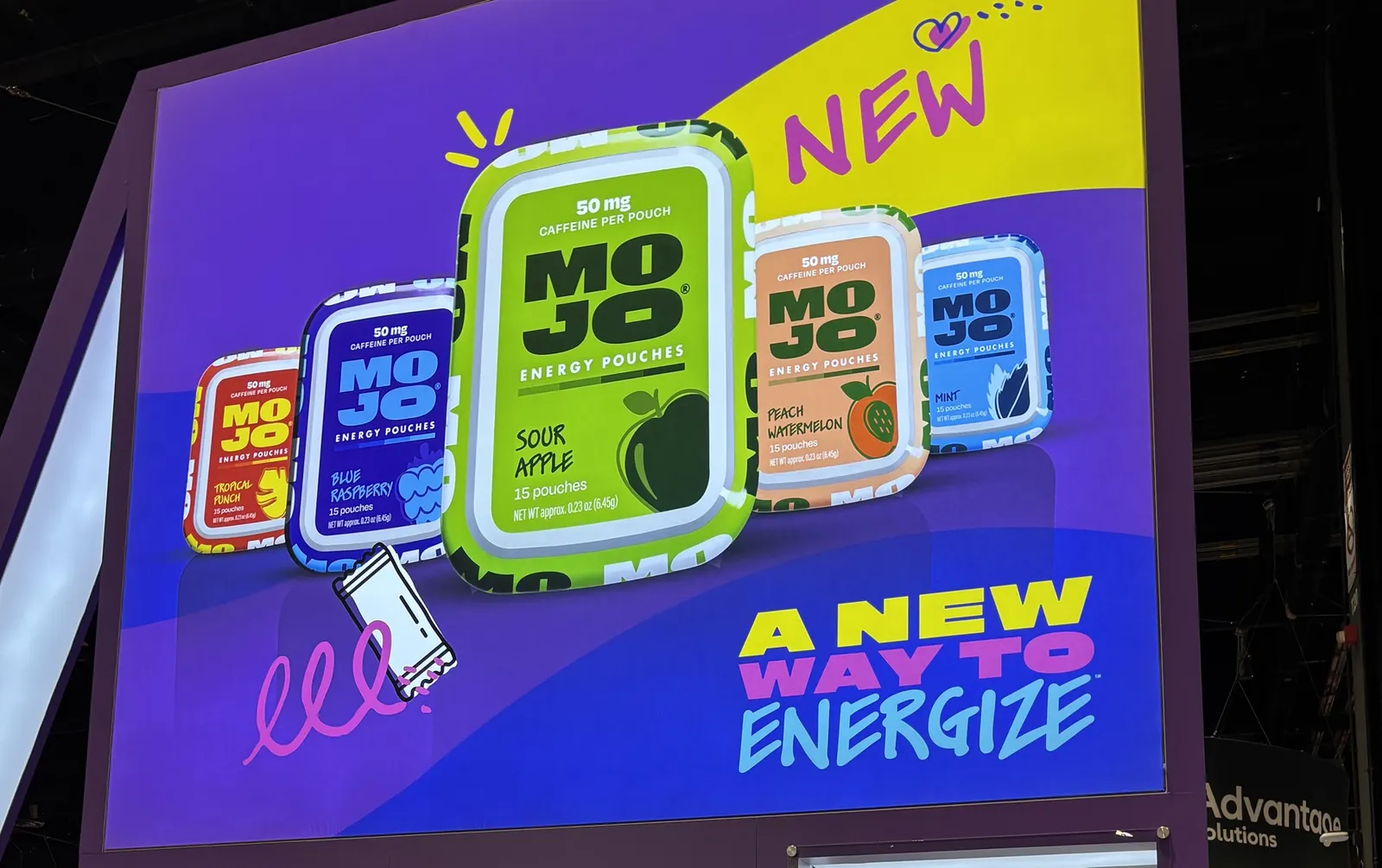
Additionally, MoJo showcased a line of flavored caffeine pouches, which offer 50 milligrams of caffeine and come in flavors like sour apple, mint and peach watermelon.
Focusing on flavors and caffeine strength
Caffeine is important to energy drink makers — but not as important as the flavor, which 75% of consumers say they consider when they choose energy drinks, according to Datassential. Other top considerations consumers factor in when selecting energy drinks include functional ingredients, how big the can is and if it is low sugar or contains no artificial sweeteners.
“Clean label,” or items with fewer and more natural ingredients, will likely continue to gain traction in the energy beverage space this year, but adoption won’t be universal, according to Lyons Wyatt.
"Some brands will lean into cleaner formulations, while others may maintain their current ingredient profiles based on functionality, cost, or brand positioning,” she said.
Personalization comes to energy drinks
Circana also predicts suppliers will further customize caffeine levels as beverages continue to align with specific consumer needs and dayparts.
“As brands innovate around diet‑based, activity‑based, and occasion‑based usage, there will likely be wider differentiation in caffeine content across energy drinks and even adjacent beverage categories,” Lyons Wyatt emphasized.
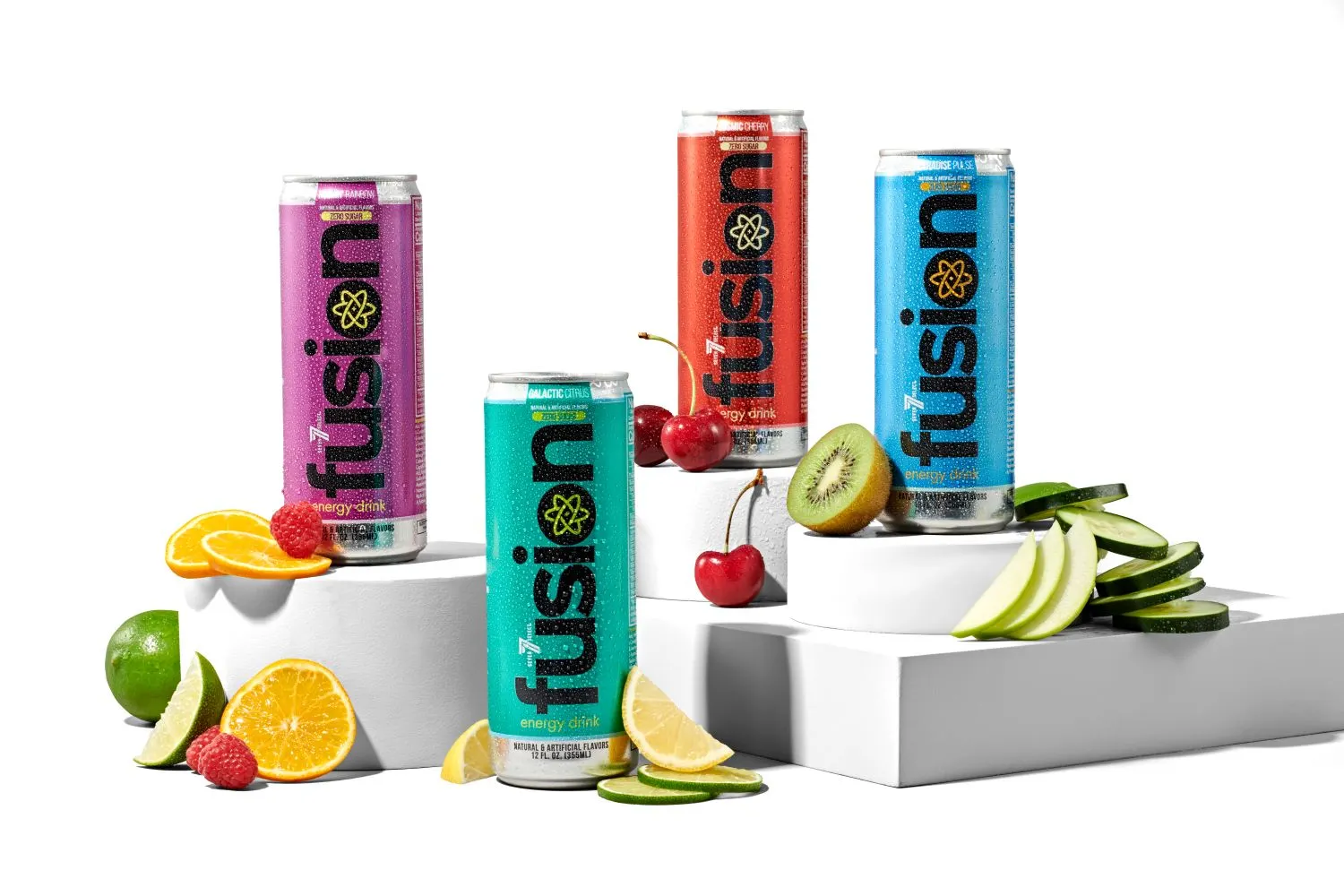
The shelf-stable energy drinks category is expected to continue to grow in 2026, driven largely by the strength of energy drinks and drink mixes, Lyons Wyatt said.
The category will expand as long as CPGs that own these beverages invest in social and digital media and retail promotions, along with innovation to fuel consumer interest, she said.
AI‑driven targeting in particular will increasingly help brands reach the right consumers with the right messages — particularly younger shoppers and female consumers — maximizing the return on marketing spend. The increase in retail media in the c-store space could support those efforts.
"If support levels soften, category growth may continue but at a slower pace than what we’ve seen over the past two years,” Lyons Wyatt noted.