Fried chicken brands have been turning to new, distinct flavors and product innovation to stand out in the competitive convenience store market.
This year, distributor McLane launched a new HiBird fried chicken brand, while QSR platform provider Krispy Krunchy Chicken released new menu items as it expanded in the c-store space.
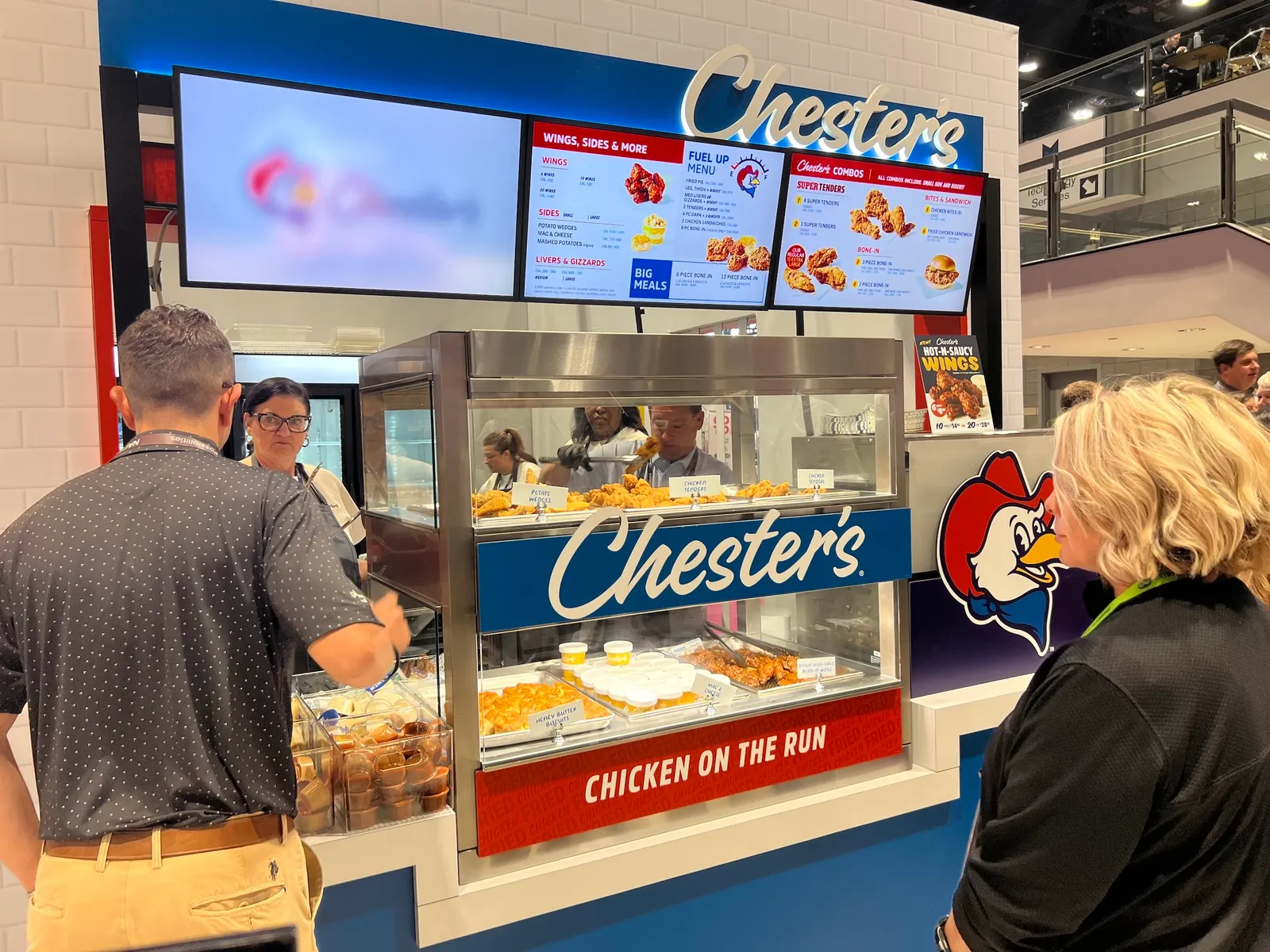
Chester's Fried Chicken, meanwhile, unveiled an entirely new system for preparing and holding chicken in July aimed at bolstering sales opportunities, addressing waste, and improving food presentation and ease of use.
Chester’s believes chicken is a growth driver in the c-store space and that operators are seeking foodservice partners that innovate, said William Culpepper, the company’s vice president of marketing. Dubbed Chester’s 2.0, the new system, which boasts faster cook times and longer hold times for fried chicken, positions the company to “lead that charge,” he said.
Chicken is an incredibly versatile protein, appearing on 95.3% of U.S. restaurant menus. This means c-store operators can offer a diverse array of menu items while maintaining streamlined inventory by using different cuts of meat, such as wings, breasts and thighs, and an array of sauces, said Samantha Bomkamp Des Jardins, content marketing manager at Datassential.
Fried chicken in particular is a familiar comfort food that’s beloved across demographics, said Des Jardins. Fried chicken can be offered as everything from a quick snack to a full meal, meaning it also works across multiple dayparts, while providing the flavor and satisfaction that consumers expect, she said.
“The ability to offer everything from classic preparations to globally inspired flavors means there's appeal for both traditionalists and adventurous eaters,” said Des Jardins. “This efficiency combined with endless customization options makes chicken an ideal platform for innovation.”
Providing distinct menus
There are a range of ways that QSRs can make their fried chicken items distinctive or help them stand out as a “competitive differentiator” in the food service industry. A major one is offering chicken in multiple form factors or an array of global flavors, said Des Jardins. The success of KFC’s limited-time offering of Mike's Hot Honey Chicken Sandwich, for example, demonstrated “strong consumer appetite for unique flavor combinations,” she said.
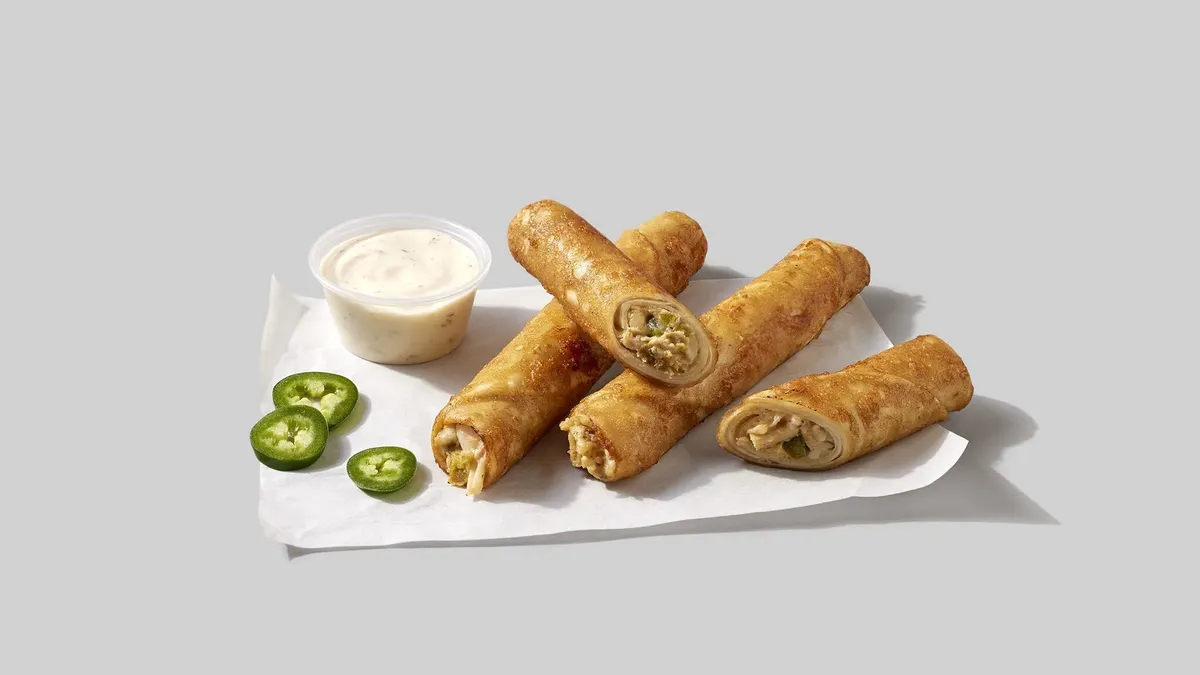
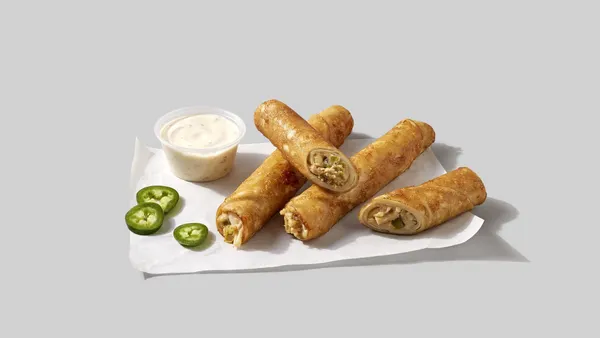
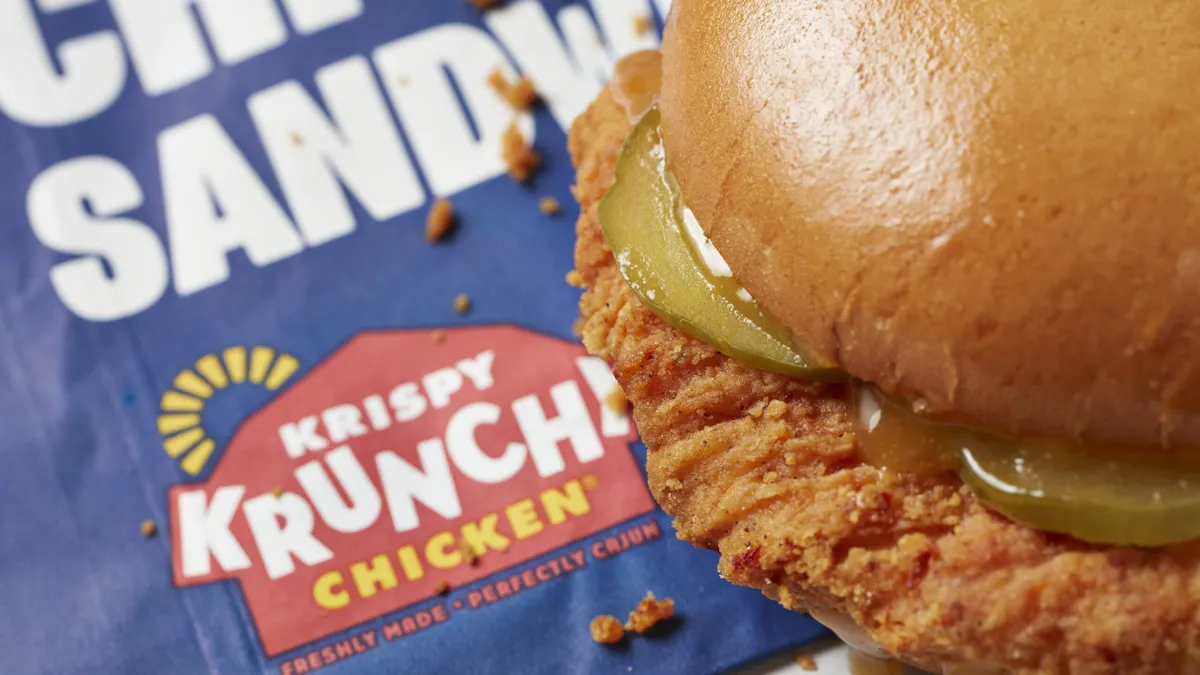
Krispy Krunchy Chicken — which recently expanded into EG America’s Cumberland Farms banner, with a plan to open in about 150 of those c-stores by the end of 2026 — added chicken nuggets to its menu last February. The company said at the time that market testing showed chicken nuggets boosted in-store and delivery app sales.
The Louisiana-based QSR stated in the press release that its all-white chicken breast nuggets are marinated to provide a unique, slightly savory tang to separate them from the company’s competitors.
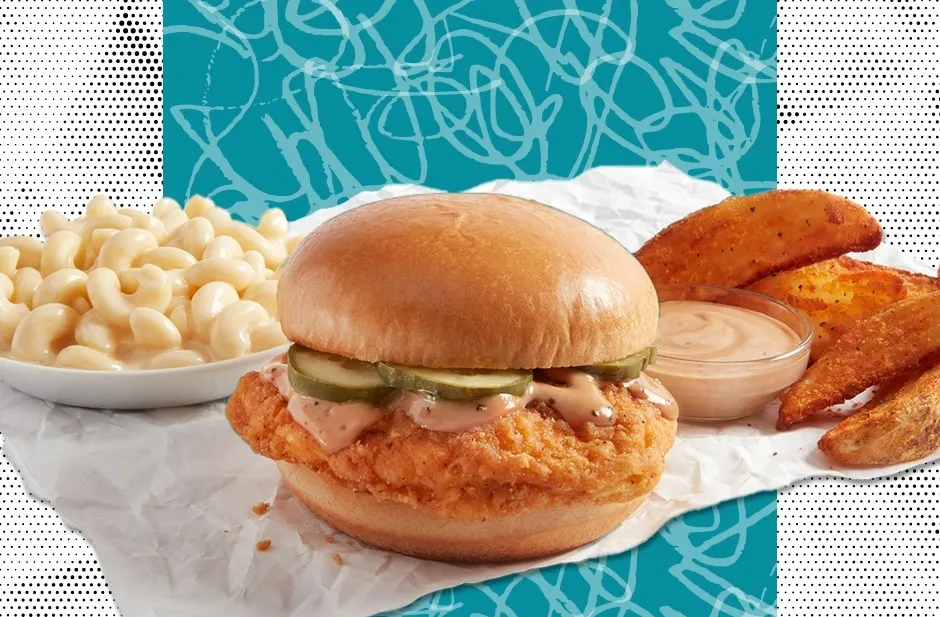
McLane launched HiBird in July to meet consumer demand and help c-store retailers get an edge on their competitors with a branded, easy-to-set-up fried chicken program that requires minimal labor and training, said Farley Kaiser, McLane’s senior director of culinary innovation.
HiBird aims to meet the large consumer demand for bold, international flavors, Kaiser said. A strong demand among Millennials and Gen Zers for Korean BBQ, for instance, led McLane to launch its Korean BBQ sauce LTO over the summer, she said.
“We've seen a lot of success with LTOs drawing consumers into c-stores, and we expect more HiBird options down the road,” Kaiser said.
Ideal for c-store locations
Under the right conditions, c-stores can drive a lot of business through chicken QSRs. The limited-service-restaurant chicken segment reached $52 billion in sales during Q4 of 2024 — a 9.3% increase from the previous year, according to Huy Do, a trendologist at Datassential.
But brands are also placing a premium on finding new ways to keep food items at peak quality levels longer, while making it easier for employees to cook and serve in a c-store setting.
The HiBird program was designed to provide operational efficiency — requiring only basic training to be executed effectively, said Kaiser.
Its mac & cheese side, for example, complements the program’s core chicken offerings but is also operationally simple, since it’s microwavable, portion-controlled and holds up well, said Kaiser.
“With a long shelf life and the flexibility to be prepared in either a fryer or rapid cook oven, HiBird products offer versatile solutions that adapt seamlessly to various store formats,” said Kaiser.
The new Chester’s 2.0 system includes a new crispy station merchandiser that increases hold times on its food products three-fold, allowing the brand to keep its breaded chicken, wedges, sides and biscuits at higher quality for significantly longer than traditional merchandisers, said Culpepper.
Keeping food fresher longer reduces waste, improves margins and allows workers to devote more time to other tasks rather than rotating food items, he said.
Chester’s also shifted to a two-basket frying system that allows its operators to cook two different items at once. This reduces the time it takes to fill the crispy station at the start of the day, and helps employees keep up with cooking food, said Culpepper.
Through the new program, sides such as mac & cheese are kept in pre-packaged portion cups with heat-resistant lids instead of large heated pans, said Culpepper. The new system helps food stay fresh and creates a cleaner, simpler process for employees — speeding up service for guests, he said.
Chester’s 2.0 represents the company’s embrace of “constant evolution” as a core value. The c-store landscape shifts every year with new competitors, new technology, market fluctuations and changing consumer behavior, Culpepper said, and this mindset helps the company keep pace.
“Chester’s 2.0 represents a significant step forward for our brand and our operators, but we’re already focused on what comes next,” said Culpepper. “We’re excited about the direction of the brand and remain committed to doing what’s best for our operators so they can continue to win.”