Fueling Up is a column from C-Store Dive offering a fresh perspective on the top news and trends in the convenience store industry.
C-Store Dive will soon unveil its fourth annual trends article, where we forecast the storylines and topics expected to dominate the convenience retailing conversation in the next year. I’m not going to spill the beans on what areas we’re addressing for 2026, but unlike the previous iterations, it won’t discuss one of the biggest challenges c-store operators face every year.
That’s because when it comes to labor, we’re likely to see a rerun of the same old show.
C-store operators will surely continue tapping into new technologies and benefits to make themselves more attractive to workers. But as has been the case almost every year since I’ve covered this industry, labor seems destined to once again be a major headache.
“Labor will always be hard… the minimum wage is going to go up and you're going to have competition for good talent,” said retail consultant Jeff Keune, former chief marketing officer at Thorntons and vice president at both Yesway and MAPCO.
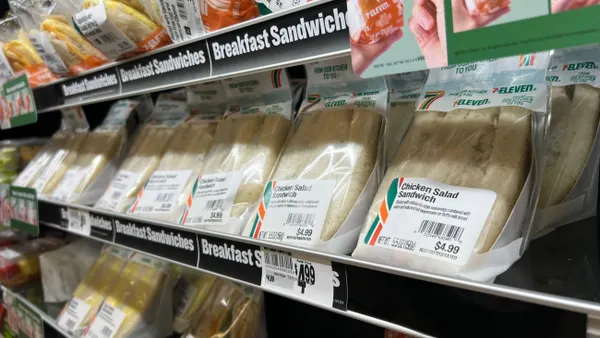
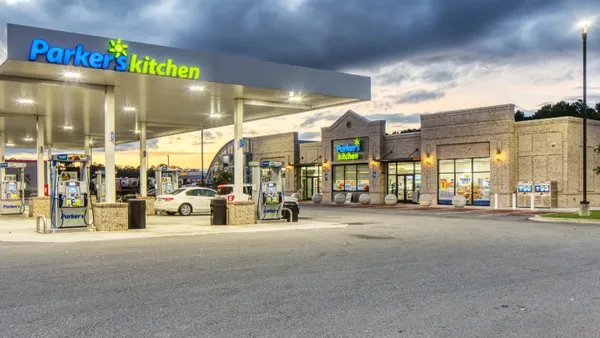
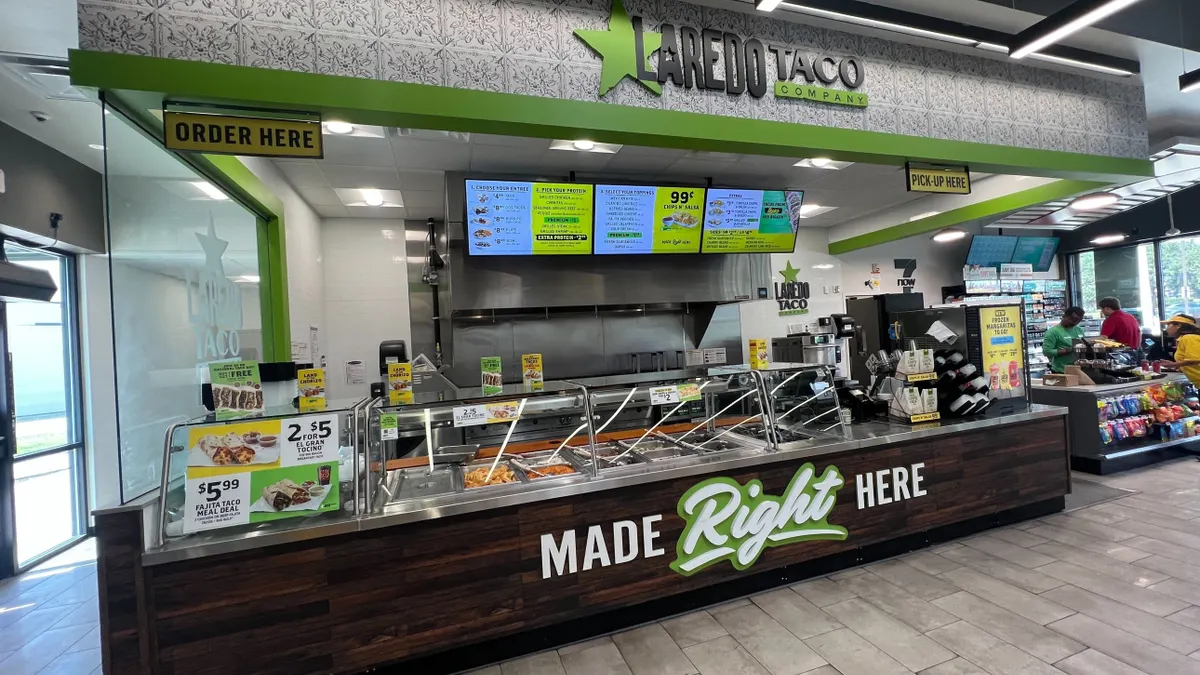
If anything might change the c-store labor conversation in 2026, it’ll be how the industry’s painstaking efforts to grow and improve foodservice operations will impact hiring and retention. Convenience retailers large and small spent the majority of 2025 investing in food programs to compete with QSRs. One operator even bought a major sandwich chain outright.
“Training somebody just to do the register — which I’m not really a proponent of — is relatively easy. Training someone to work in a QSR is a lot harder.”

Jeff Keune
Retail consultant and former c-store and restaurant executive
Keune, who has also held VP-level positions with restaurant chains like Wendy’s and Bob Evans, said that c-store operators’ laser-like focus on enhancing their foodservice capabilities will force them to change how they hire and train new employees. Although seeking more food-qualified workers might narrow their pool, he said doing so could improve retention.
Keune emphasized that food-focused convenience retailers must think about “a change in dynamic” when it comes to hiring and training next year. This means creating more rigorous food-specific training for all employees, especially store managers, and holding team members accountable when standards aren't met.
“Training somebody just to do the register — which I'm not really a proponent of — is relatively easy,” Keune said. “Training someone to work in a QSR is a lot harder.”
The standard for what’s required out of every c-store employee must be higher, Keune said, because convenience retailers aren’t just competing with each other: they’re going up against any establishment that sells food, notably QSRs and grocery stores.
“Make sure that [employees] are set up for success, because that's the key, as much as anything else,” he said. “Set up for success and then recognize and compensate for jobs well done.”
But c-store labor doesn’t end with ensuring training regimens are tailored to running food operations. Keune added that QSRs oftentimes have a stronger employee culture than convenience retailers due to the fact that most restaurants prioritize employees over any initiative, whether it be growth plans or new product launches. This was his experience while at Wendy’s, he said, which would host annual conventions solely to recognize its team members and their accomplishments.
It’s a mindset that c-stores must tap into if they haven’t already.
“You want people to be there for more than just a paycheck,” he said.
There’s no doubt that many convenience retailers already make their team members the heart and soul of their businesses. But with hiring and retention still plaguing the industry, it’ll be interesting to see how operators focused on building first-class food programs adjust their traditional hiring and training practices.