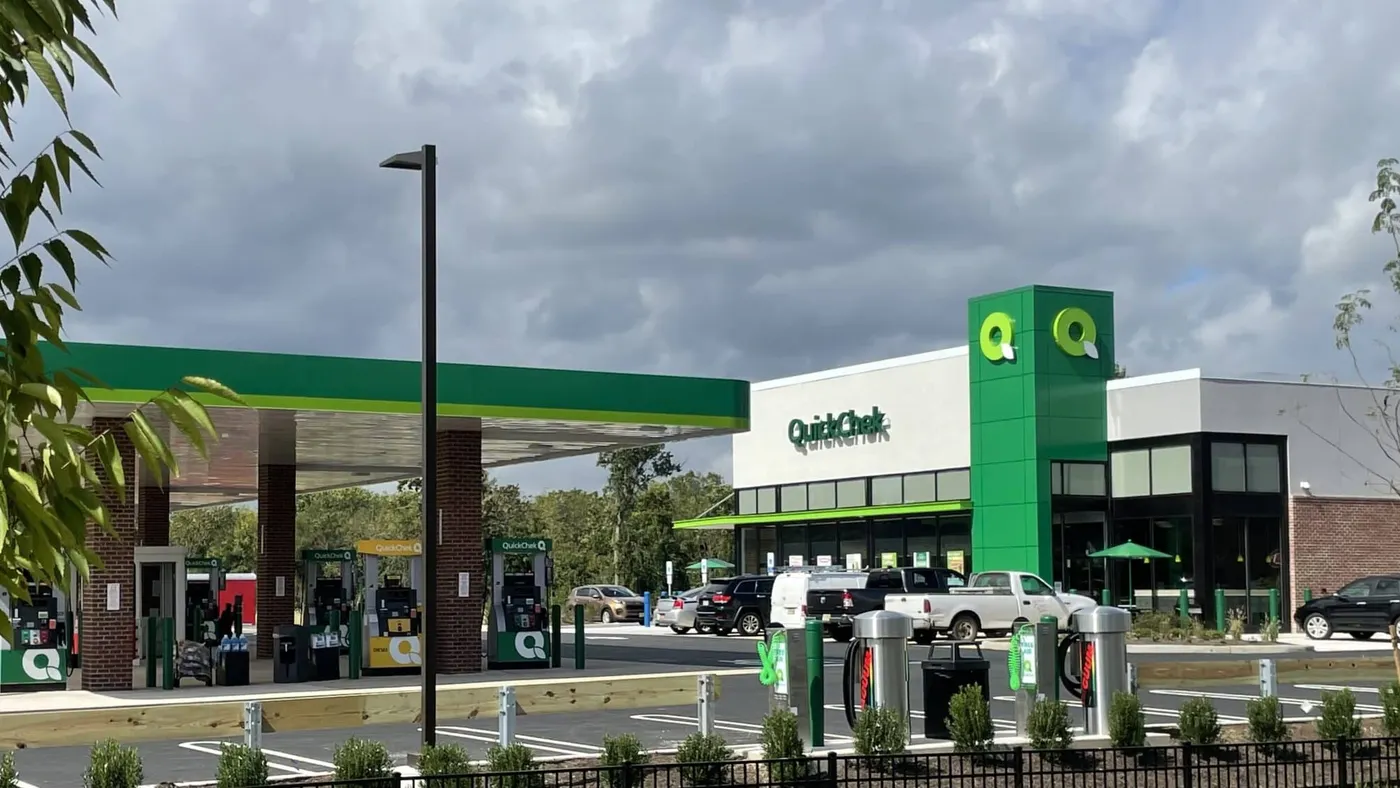
Hours after Murphy USA announced its acquisition of QuickChek in December 2020, then-CEO Andrew Clyde laid out an ambitious vision for how the two convenience store chains would grow together.
In a presentation to stock analysts, Clyde said Murphy planned to open up to 10 QuickChek stores annually while continuing to expand its own banner. He also highlighted opportunities to bring some of QuickChek’s foodservice capabilities — which revolve around its made-to-order platform — into Murphy’s stores.
“Fortunately, for both firms, our established real estate teams have built healthy pipelines of new store locations for future growth,” Clyde told analysts during the call, about a month before the deal closed.
Nearly six years later, Clyde’s vision has yet to materialize.
Since Murphy completed the acquisition in early 2021, the retailer has closed more QuickChek stores than it has opened, while plans to leverage the chain's foodservice capabilities across Murphy's network appear to have stalled.
Earlier this year, Murphy President and CEO Mindy West, who succeeded Clyde in January, said that QuickChek’s margins and traffic were under pressure and that the banner needed to build a business model that “simplifies operation, reduces complexity” and improves the customer experience.
“While growth is important, we have to earn money,” West said of QuickChek during an earnings call in February.
According to three former Murphy corporate employees who worked closely with QuickChek, as well as two stock analysts who cover Murphy’s earnings, the acquisition has produced fewer benefits than originally anticipated.
“I would characterize it as disappointing that there hasn't been more growth or more of an influence on the overall business and EBITDA and earnings from QuickChek since the time of the acquisition,” said Bradley Thomas, managing director and equity research analyst for KeyBanc Capital Markets.
C-Store Dive sent Murphy USA several questions about its QuickChek strategy. Murphy’s Vice President and Head of Marketing Alejandra Barron declined to answer the questions, noting the company does not share key information beyond public channels such as earnings calls and regulatory filings.
Store count and growth plans have stalled
Murphy has prioritized the growth of its main banner in recent years, setting a goal at the end of fiscal 2022 to open at least 500 new-to-industry stores in the following decade.
From the end of fiscal 2021 to Q2 2026, Murphy added 138 c-stores to its own banner’s network, according to last year’s annual report and the retailer’s second-quarter earnings in August. Although that pace falls short of the roughly 50 stores annually that Clyde envisioned in late 2020, expansion of the Murphy banner has been relatively consistent.
QuickChek's growth trajectory, meanwhile, has declined nearly every year since fiscal 2021, falling from 158 locations to 147 as of the second quarter of 2026.
Murphy USA’s namesake banner is growing while QuickChek is shrinking
Between the end of fiscal 2022 — Murphy’s first full year with QuickChek under its belt — and fiscal 2025, Murphy closed 20 QuickCheks while only opening 13. That’s a far cry from the 10 new locations Clyde wanted to open annually — a goal that would have brought QuickChek to over 200 locations in early 2026.
“It takes years to get to that [number of stores], and they’re still behind it for the next several years,” said a former Murphy USA corporate employee.
Murphy is closing more QuickChek stores than it's opening
At the same time, Murphy has been reshaping the QuickChek portfolio.
Every former company employee and one stock analyst interviewed for this story said many of the closures reflect efforts to exit older, underperforming stores that do not sell fuel. At the time of the acquisition, only 89 of QuickChek’s 157 stores offered fuel. Murphy has not disclosed how many fuel locations QuickChek operates today.
Thomas and stock analyst Jacob Aiken-Phillips agree that this shift reflects a broader reassessment of QuickChek's role within Murphy. They said QuickChek struggles to compete with QSR chains in New Jersey and New York.
Aiken-Phillips, director of research for Melius Research covering the consumer and retail sectors, said that intense competition among restaurants that’s centered on discounting have put fuel-less QuickChek stores at a disadvantage.
“There’s less of a reason to stop there,” he said.
Now, Murphy is “trying to rationalize that.”
“More often than not, they’re actually just closing down the stores that don't have fuel stations, because a big part of the whole strategy is having the prepared food inside and the fuel in order to drive traffic,” Aiken-Phillips said.
“It takes years to get to that [number of stores], and they’re still behind it for the next several years."

A former Murphy USA corporate employee on the retailer's plan to grow QuickChek's store count.
While Murphy has spent the past several years reevaluating QuickChek’s footprint, the company also abandoned plans to expand the banner into new states.
All three former corporate employees and Aiken-Phillips confirmed that shortly after the acquisition, Clyde had expressed ambitions to bring QuickChek to additional markets along the East Coast, and even mentioned Florida by name.
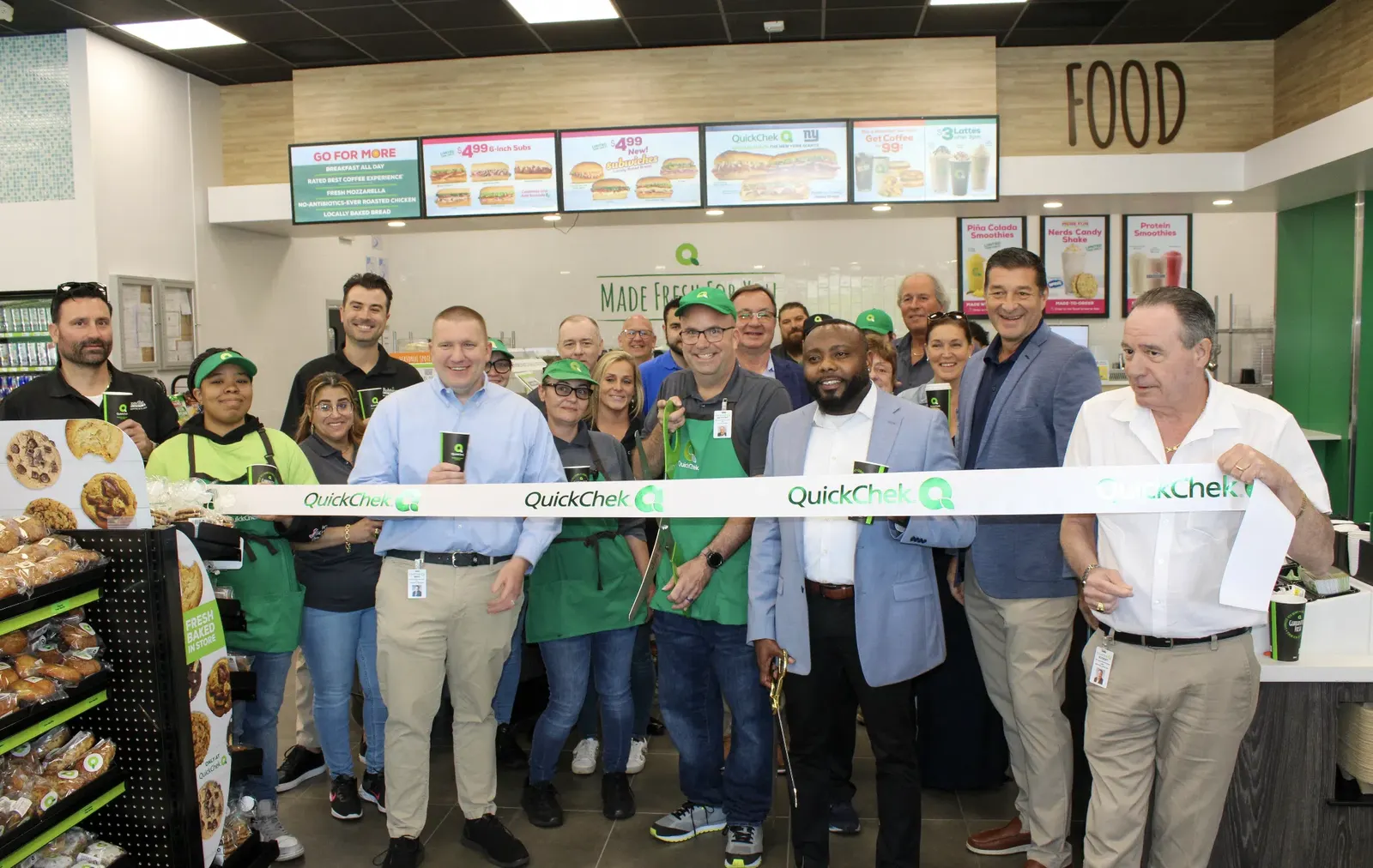
Those plans were ultimately shelved, according to all three former employees, after leadership concluded that QuickChek lacked meaningful brand recognition outside its core Northeast footprint. Even though Murphy opened its first QuickChek store in New York’s Capital Region this summer, efforts to extend outside the Northeast haven’t materialized.
For some, the decision represented a missed opportunity.
Florida is Murphy’s largest market outside of Texas. It’s also a state where consumers have shown strong demand for food-focused convenience retailers, including Wawa, said Jeffrey Albanese, who worked at QuickChek from 1996 through late 2021, rising to the role of senior real estate manager.
“I don’t understand why they wouldn’t have gone down to Florida — that, to me, never made sense,” Albanese said.
In a statement, Barron said Murphy continuously evaluates QuickChek’s store portfolio “to improve overall productivity and allocate capital toward our highest-return opportunities.”
“This process results in closing select locations while also investing in growth,” Barron said. “We are continuing to open locations within legacy QuickChek markets as well as expanding into attractive new regions, including Albany, NY.”
Foodservice integration hasn’t unfolded
Store count growth isn’t the only area where Murphy’s vision for QuickChek has fallen short.
When the acquisition was announced, industry observers were eager to see how QuickChek’s foodservice capabilities would get leveraged across Murphy’s broader store network.
QuickChek had built its reputation around made-to-order food and beverages, while Murphy’s business centered largely on low-cost fuel, tobacco and other standard c-store products.
At the time the deal was announced, Clyde offered few specifics but said Murphy would evaluate opportunities to bring parts of QuickChek’s offerings into its stores.
Close to six years later, that integration has yet to occur.
“I do think they owe the street a better articulation of what the strategy is for QuickChek and just more generally across the banners with prepared food.”
Jacob Aiken-Phillips
Director of equity research for Melius Research
Two former corporate team members said that shortly after the acquisition, Murphy decided against bringing QuickChek’s foodservice model into Murphy’s stores for reasons that remain unclear. Barron declined to comment when asked to provide details of the company’s evaluation of QuickChek’s foodservice model being incorporated into its namesake stores.
Aiken-Phillips said that customers visiting Murphy stores generally are not expecting a prepared-food destination. Still, the lack of progress on foodservice integration has raised broader questions among investors about Murphy’s long-term strategy for QuickChek, he said.
“It’s more just building credibility around doing what you say you’re going to do, and managing the street expectations better,” Aiken-Phillips said. “I do think they owe the street a better articulation of what the strategy is for QuickChek and just more generally across the banners with prepared food.”
Room for optimism
West and the rest of Murphy’s newly installed leadership team are aware of the challenges at play for QuickChek.
During Murphy’s February earnings call, West said that QuickChek was “refocusing on the fundamentals,” particularly the need to be more disciplined around balancing innovation with cost and margin control. She reiterated that message during the company’s next earnings call in April, adding that pressure from QSR brands in the Northeast is creating difficulties for QuickChek and that Murphy is “taking steps to try to improve the business.”
Despite the setbacks, neither of the analysts are ready to write off the acquisition, as Murphy appears to be taking a step forward with its food-focused experimentation.
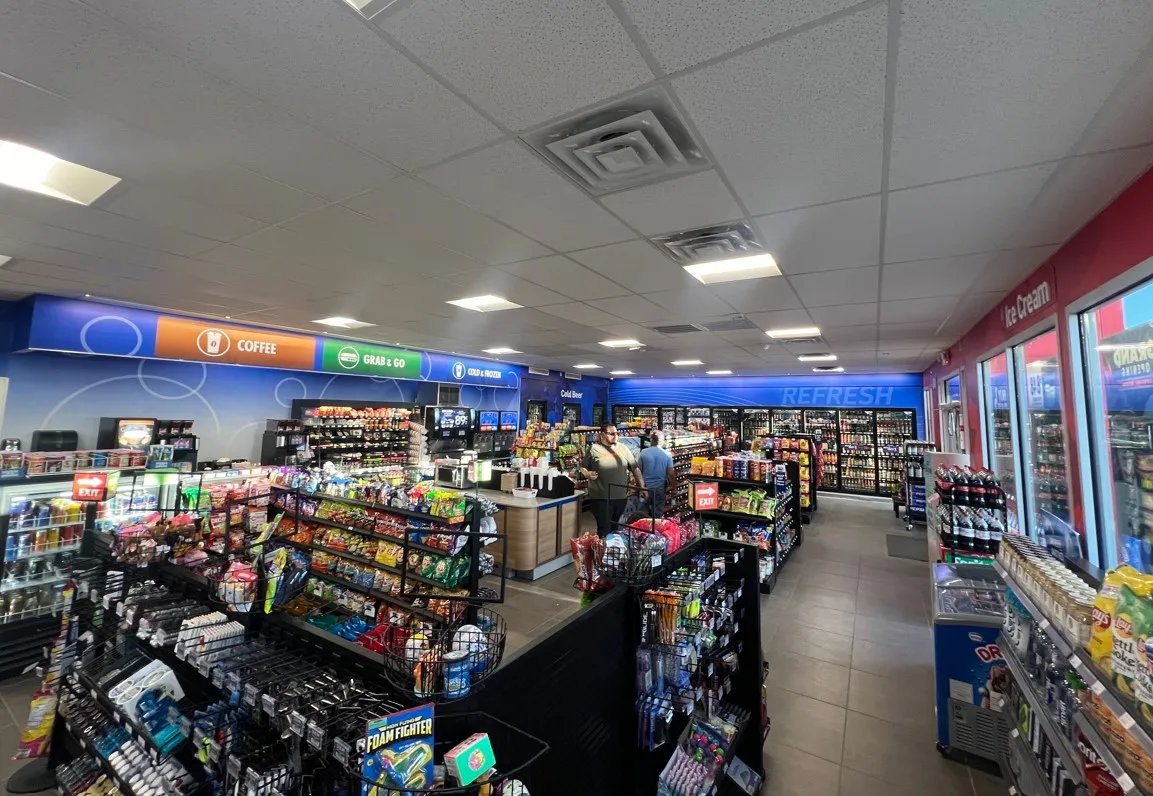
In August, Murphy revealed plans to trial automated ordering kiosks in select large-format stores. The platform, developed by foodservice technology firm Automated Retail Technologies, will initially feature food from burger chain White Castle. Although Murphy did not specify how many stores will get the technology, the company said at the time that the initiative aims to test demand for fresh, convenient food options prepared in a compact space.
It’s unclear how, or if, foodservice innovation might eventually involve the QuickChek business.
As fresh-prepared foodservice becomes increasingly important to convenience retailers seeking to keep customers on-site longer, only time will tell whether Murphy can grow the Northeastern brand that once showed so much promise.
Both Thomas and Aiken-Phillips said they would grade the QuickChek acquisition as incomplete rather than a clear success or failure.
“A key question from investors is: Are they doing enough?” Thomas added. “Is there a strong enough and robust enough offering? Because it's certainly not of the caliber that Wawa, Casey’s, Buc-ee’s, for example, are offering today.”