
Food retailers and suppliers look to anticipate consumer demands while remaining agile enough to respond when those demands shift. Neither task is easy, particularly in foodservice environments where purchase decisions are made quickly and often under pressure. For convenience stores, success depends less on predicting exact menu trends and more on understanding the human attitudes that shape food choices in the moment.
That perspective was recently explored on the Fresh Take with IDDBA podcast hosted by the International Dairy Deli Bakery Association (IDDBA). In the What’s In Store segment, Heather Prach, IDDBA’s Vice President of Industry Relations and Education, outlined several consumer attitudes expected to influence food trends in 2026. Those include: the desire to simplify decision-making, to feel comfort and to have confidence in food purchases. While often discussed in the context of supermarket deli and bakery departments, these same attitudes are increasingly relevant to convenience store foodservice.
Consumer Attitudes Drive Trends with Staying Power
Many use January as a “reset” by focusing on wellness, exercise or dietary changes; however, these behaviors often ebb and flow as the year progresses. What tends to remain constant are deeper, emotional drivers, such as the need for simplicity, comfort and confidence. These attitudes influence food decisions year-round, especially in convenience stores, where shoppers are frequently rushed, distracted or hungry.
Today’s consumers are balancing busy lives with a heightened awareness of health and nutrition. Convenience, as Prach notes, is no longer just about speed–it’s emotional. “People are just getting fatigued by thinking every day, ‘what am I going to have for dinner?’” she said. “They want that emotional fatigue to be eased.”
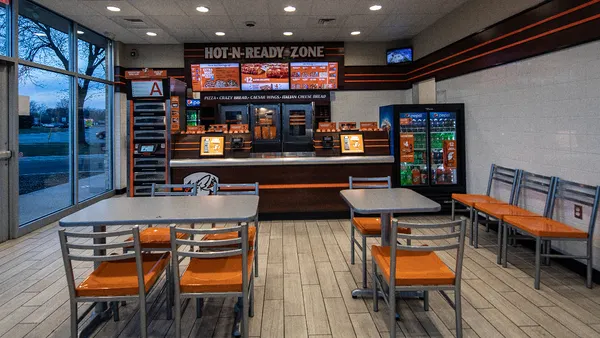
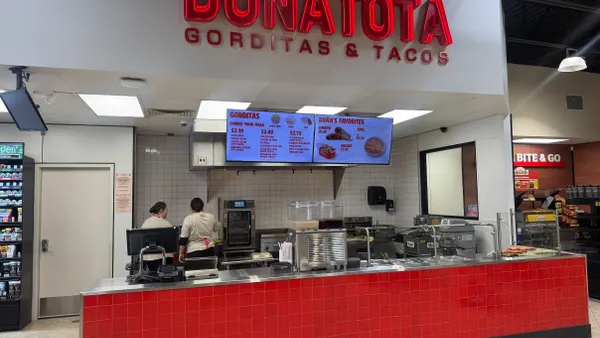
In convenience foodservice, that fatigue often shows up at the counter or hot case. Customers want food that feels easy to choose, familiar enough to trust and satisfying enough to justify the purchase. Clean ingredients, health-forward indulgences and approachable flavor exploration are reshaping expectations, even in quick-stop environments.
Simplify Decision Making
Whether driven by demanding jobs, family obligations or nonstop schedules, many consumers enter convenience stores already mentally fatigued. While food restores physical energy, the act of deciding what to eat can further drain it. As a result, shoppers increasingly seek foodservice options that minimize friction at the moment of purchase.
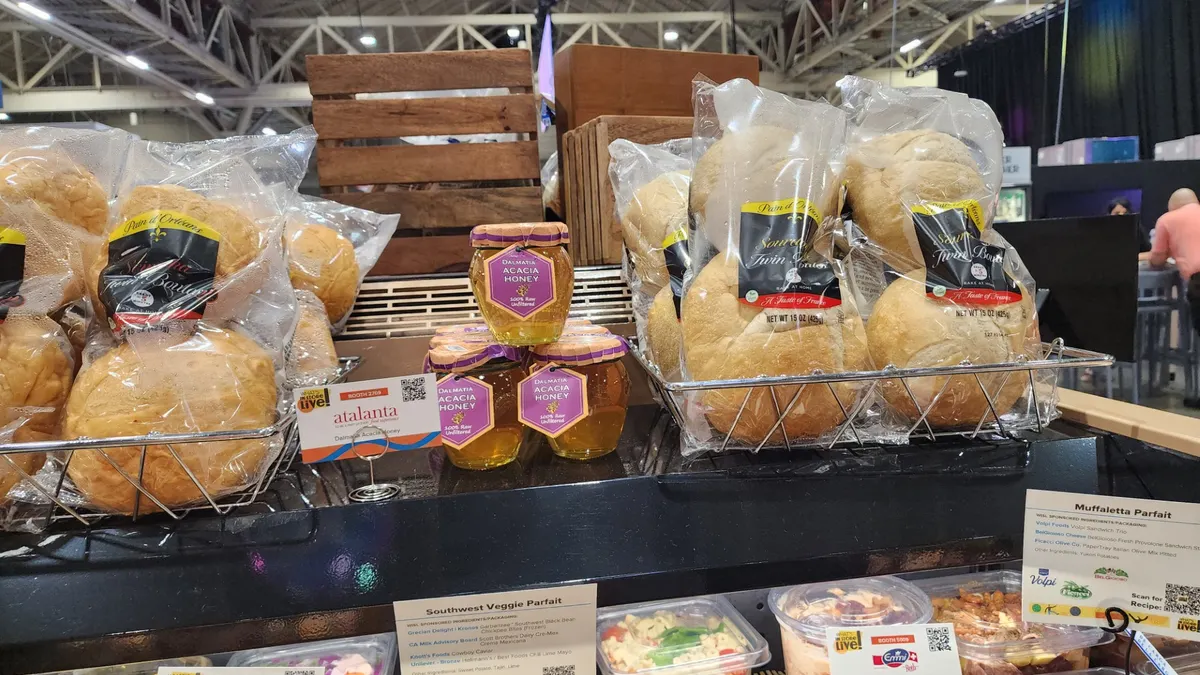
Grab-and-go meals, limited but well-executed menus and clearly merchandised offerings help reduce decision fatigue. Prach explained the appeal simply: “Having something ready to go, all your ingredients are in there… now I’m not back to square one of thinking again.”
For convenience stores, simplifying decisions means clear menu cues, recognizable items and bundled offerings that eliminate guesswork. Once that cognitive load is lifted, customers are more open to foods that also address emotional needs.
Feeling Comfort
Comfort plays a critical role in foodservice decisions, particularly when consumers are stressed or short on time. Foods that evoke familiarity, warmth and satisfaction do more than fill a stomach, they improve mood and create positive associations with the brand.
While nostalgia remains powerful, comfort today often comes with a modern twist. “Consumers still crave comfort, but they now expect it to look fresh, feel elevated and fit their modern standard, ” said Prach. In convenience stores, that can come from food that looks fresh, feels thoughtfully prepared and reflects care rather than compromise.
Comfort, however, is not one-size-fits-all. Successful foodservice programs balance familiarity with personalization, offering core items that feel safe while allowing for flavor, customization or seasonal updates.
Confidence in Product Purchases
Ease and comfort alone are not enough. Consumers also want reassurance that they made the right choice. Confidence in food purchases is driven by trust in ingredients, preparation and quality.
Shoppers are increasingly attentive to labels and ingredient statements, gravitating toward products that feel transparent and minimally processed. As Prach noted, “Clean is now the baseline. People expect clean… it’s an expectation, not a maybe nice-to-have.”
In convenience-store foodservice, that confidence is often communicated through a clean space and simple, visible signals: clear ingredient callouts, freshness cues and straightforward signage. Customers may not read every sign, but they will quickly register whether food feels honest and dependable.
Aligning with Consumer Attitudes
Taken together, these attitudes–simplicity, comfort and confidence–provide a powerful framework for improving convenience-store foodservice. Operators who understand these drivers can design programs that meet both emotional and functional needs, even within the constraints of speed and scale.
As Prach summarized, “I think here’s what consumers want out of their food: they want it to be honest; they want it low stress, functional but fun, global but approachable and then comforting but convenient.” For convenience stores looking to strengthen foodservice performance in 2026, aligning with these expectations can turn quick visits into repeat business.
More Insight from IDDBA
For retailers and suppliers seeking deeper insight into evolving consumer attitudes, IDDBA offers comprehensive, data-driven resources.
Each year, IDDBA members gain access to What’s In Store, a digital publication covering trends and data across dairy, deli and bakery–many of which directly inform prepared food and foodservice strategies. In addition to an annual outlook, IDDBA releases monthly updates featuring exclusive point-of-sale data powered by Integrated Fresh, along with expert analysis from industry leaders.
To learn more about IDDBA membership or to access What’s In Store 2026, visit IDDBA.org.