
Convenience stores are being forced to rethink how they drive traffic and margin. Food is becoming more important. Loyalty programs are expanding. But without accurate forecasting, neither works as intended. There is a growing gap between loyalty and operations and why closing that gap is becoming critical.
The Shift
For years, the convenience store model was simple. Sell fuel. Customers show up. A percentage walks inside and buys something else. You didn’t need to predict demand. Traffic was consistent enough to carry the business.
That’s no longer true.
Fuel prices have become unpredictable. Customers are driving less, combining trips, and being more selective about when they stop. When fewer cars pull in, fewer customers walk through the door.
The model that once drove reliable traffic is no longer something operators can count on.
The New Reality
To adapt, convenience stores leaned into food.
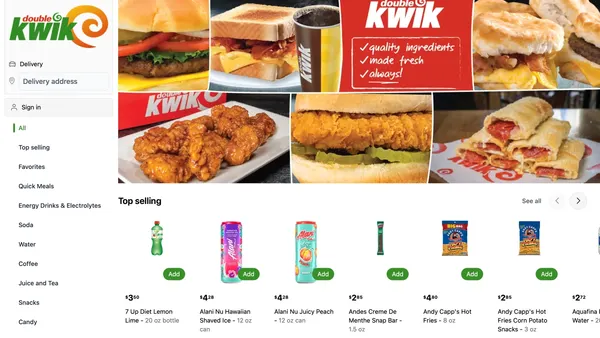
Not just packaged snacks, but fresh, made-to-order items. Breakfast sandwiches, hot food, expanded menus. This isn’t a small change. It’s a different operating model. Stores are now producing food in real time, often in spaces that were never designed to function like kitchens. And that introduces a level of complexity most stores didn’t have to manage before.
The Core Problem
Food doesn’t give you much room for error.
Make too much, and you throw it away. Make too little, and you miss the sale.
Make it at the wrong time, and it doesn’t matter at all. Demand shifts constantly. Time of day, weather, promotions, and traffic patterns all play a role.
Most forecasting systems aren’t built for this. They rely on historical data, but convenience stores don’t behave in clean, predictable patterns. So instead of asking what will happen, operators are managing how wrong they can afford to be.
The “Obvious Fix” That Falls Short
Loyalty programs were supposed to help solve this.
They provide customer data, visit frequency, and purchase history. In theory, that should make forecasting more accurate. But most loyalty systems only tell you what already happened. They don’t help you decide what to prepare next. And the customer behavior they capture isn’t stable.
Customers aren’t loyal to one store. They respond to convenience and promotions. They move between options. Even the data you collect is constantly shifting. So while loyalty programs create visibility, they don’t create clarity.
The Real Gap
This is where the breakdown happens. Forecasting systems tell you what you sold.
Loyalty systems tell you who bought it. Neither tells you what to make at 7:15 tomorrow morning.
That’s the gap. And as food becomes a bigger part of the business, that gap becomes more expensive.
What Actually Works
The opportunity isn’t more data. It’s connecting the data you already have.
When forecasting and loyalty work together, the model changes.
Instead of relying only on past sales, you factor in expected customer behavior.
Who’s likely to visit?
Who responded to a promotion?
What demand should that create?
From there, operators can act:
- Adjust production
- Align staffing
- Order the right amount
Forecasting becomes informed instead of reactive. Loyalty becomes an operational input, not just a marketing tool.
The Constraint
Even with better technology, this isn’t fully solved. The challenge now is usability. Too many dashboards. Too many systems. Too much interpretation required.
In a convenience store environment, decisions happen fast and labor is tight. If a system is complicated, it won’t get used.
The Bottom Line
Loyalty doesn’t fail because customers don’t care. It fails because it’s disconnected from store operations. Forecasting doesn’t fail because operators aren’t trying. It fails because it’s missing the most important input: the customer, in real time.
Bringing the two together is the opportunity. Making it simple enough to use in the moment is the challenge. Because in this business, the winning solution won’t be the most advanced. It will be the one that works when decisions need to be made.