3 Big Numbers is a weekly column that looks at a few key details from around the c-store industry.
When we talked to experts in the closing stages of 2025, they shared their thoughts about the big trends c-stores would likely see this year. Among those was the growing impact of convenience stores as third places — the sort of brick-and-mortar locations where people go to congregate and spend time.
These have traditionally been places like libraries, cafes and community centers. But as foodservice programs continue to grow more robust and attractive, c-stores have been muscling into the space.
In this week’s “3 Big Numbers,” we look at how c-stores are growing into their role as third places, according to a recent Paytronix report.
85%
The percent of consumers who have tried made-to-order food at c-stores.
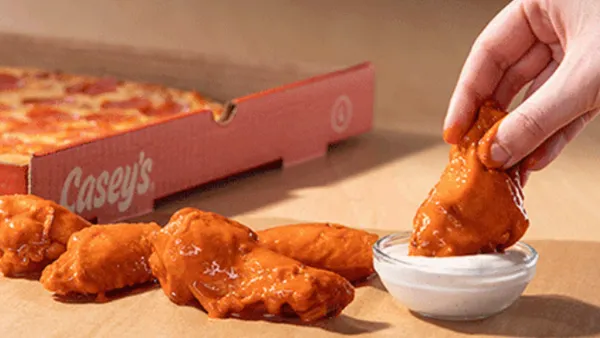
The foundation of c-stores as third spaces comes with the addition of made-to-order food. Without such a program, c-stores are a quick in and out to grab a snack or drink for the road — assuming customers come inside at all, rather than just filling up at the pump and continuing on their way.
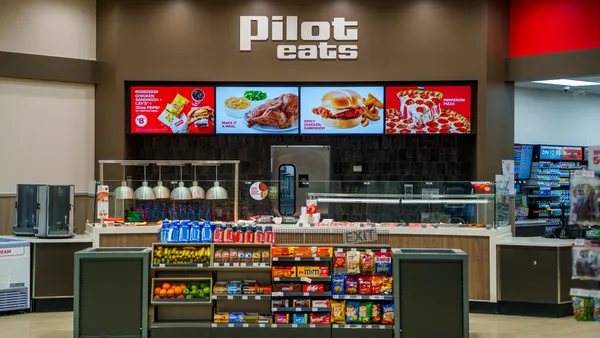
The good news, according to Paytronix’s 2026 trend predictions report, is that most consumers are giving these food programs a shot, with 85% of survey respondents saying they had tried made-to-order c-store food.
C-stores are often more nimble than their QSR counterparts, with the report noting that convenience retailers saw “much higher customer reorder rates in 2025 than the traditional fast-food chains, which underscores their effectiveness in responding to changing expectations of dining.”
72%
The percent of consumers who view c-stores as alternatives to QSRs.
Having a food program that people will try is one thing, but the report also found that 72% of customers thought c-store food served as a possible alternative to QSRs. This means they’ll not only eat the food, but are willing to visit these retailers to have a meal. That’s another step in becoming a third place.
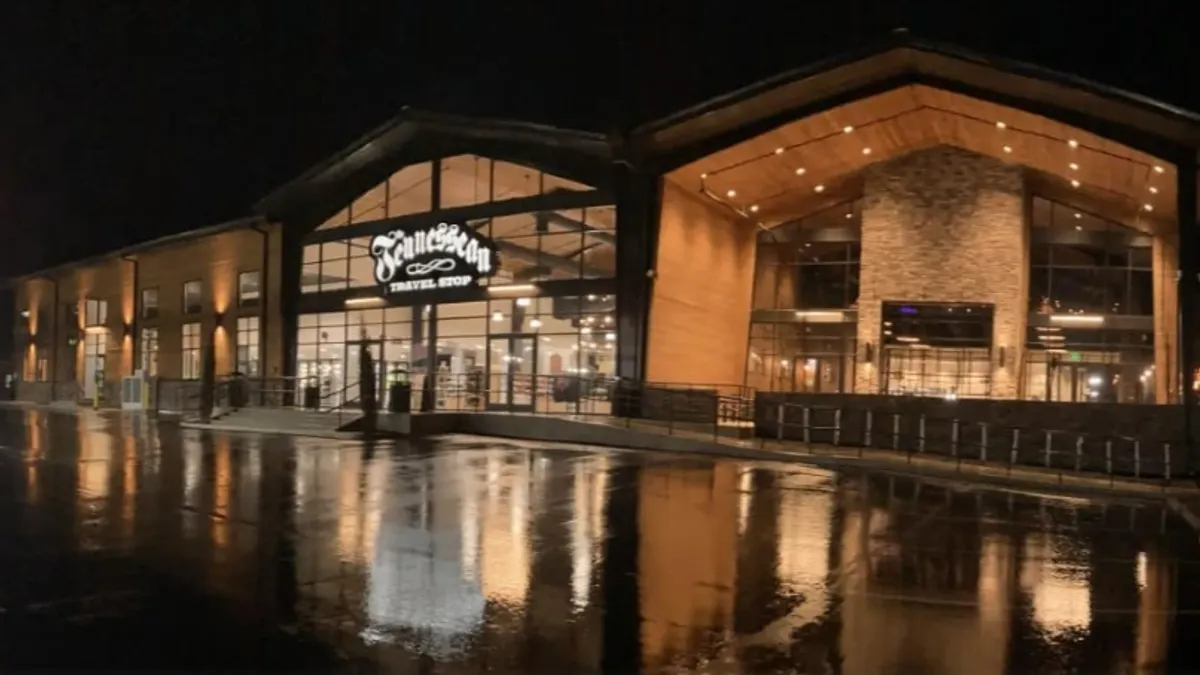
We know Buc-ee’s has made itself a third place with its massive size, cleanliness and huge array of merchandise and food, but most convenience stores aren’t built for that approach.
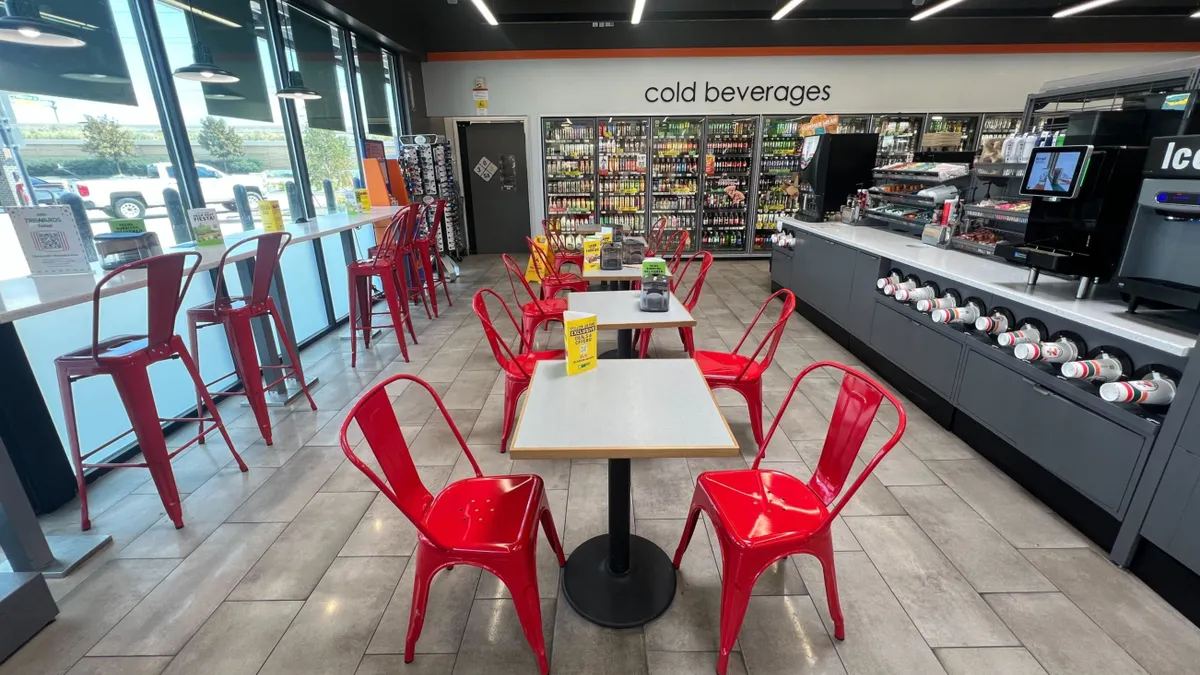
Many retailers include seating where customers can relax, talk and eat. Other retailers are leaning into what Paytronix calls “multi-themed spaces” — areas that combine food-focused spaces with other entertainment.
“Multi-themed spaces create versatility, providing unique dining environments that attract a broader customer base,” the report said.
Some locations offer televisions for customers to watch, pet-friendly areas or skill games, Rutter’s has proven to be a master of this, with its video gaming machines and a new store design that incorporates a sports bar area.
20%
The lift c-stores with made-to-order food see from loyalty members.
The job isn’t done once a retailer has built a store and menu or other amenities that bring people in and encourage them to stay. It still needs to let as many people as possible know about what it’s offering.
There are a few ways to do that, like special events or good old fashioned advertising. But loyalty programs can also prove a powerful tool for bringing people in.
Loyalty programs can drive a lot of foot traffic and sales for a c-store. Paytronix’s report showed that c-stores with these tools record a 20% or higher boost in sales thanks to its members. Any c-store that can harness that power to cement itself as a hangout and gathering spot has put itself in an excellent situation.