Dive Brief:
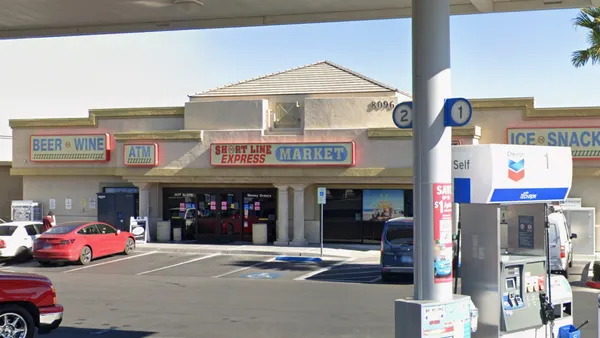
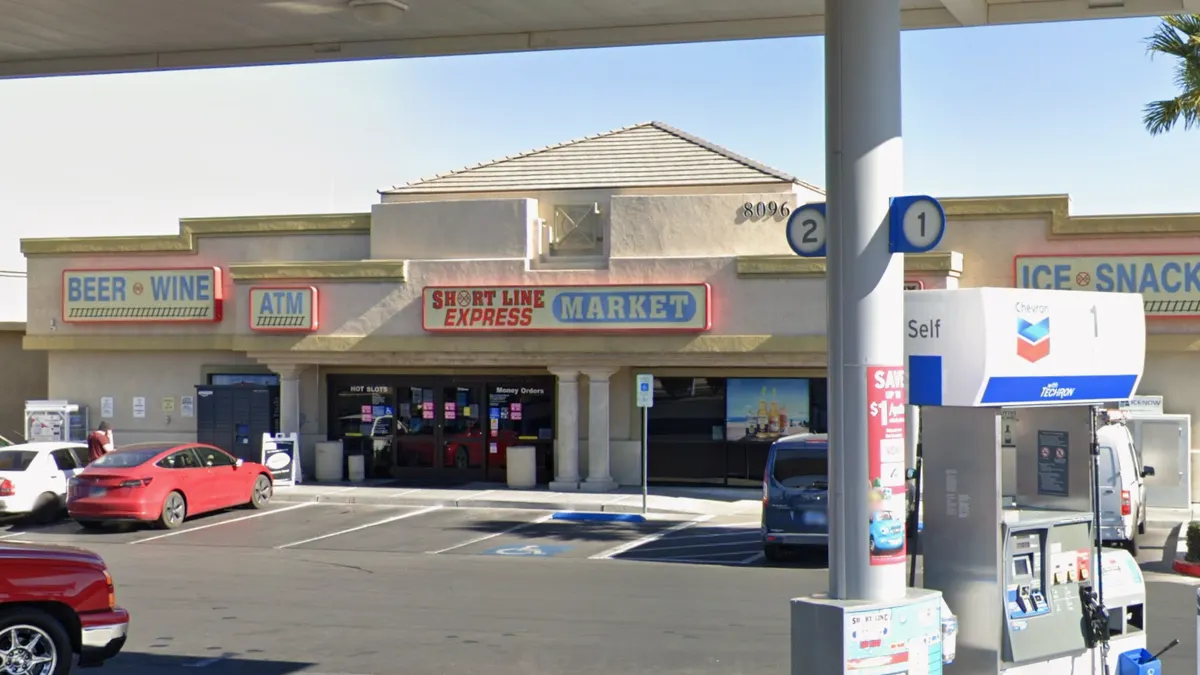
- 7-Eleven has acquired 15 convenience stores in the Las Vegas area from local chain Short Line Express Market, a spokesperson from Short Line confirmed to C-Store Dive.
- Most of the stores are located in metro Las Vegas, while two are in nearby Henderson and another pair are in North Las Vegas, the spokesperson said. Short Line, which had 17 stores before the deal, is keeping two locations in metro Las Vegas, the spokesperson added.
- The deal expands 7-Eleven’s footprint in Las Vegas, where the retailer is already a dominant player. It also marks another example of a smaller convenience retailer selling many of its assets as the industry’s profitability troubles persist in a difficult operating environment.
Dive Insight:
Short Line was founded in the mid-1990s by Las Vegas resident Duane Shields, who also owns several other businesses in the area. Those include gaming machine vendor Short Line Gaming and Sierra Ice, a packaged ice manufacturer, distributor and wholesaler, according to Shields' LinkedIn bio.
A hallmark of the Short Line c-store chain was the by-the-scoop Thrifty Ice Cream shops inside its stores, which the retailer debuted at some of its locations in 2013. Since then, Short Line has added Thrifty to nearly every store, including all 15 that were recently sold to 7-Eleven, according to the company’s spokesperson.
7-Eleven finished the last of its rebrands on these 15 locations last week, according to a LinkedIn post by Store Implementation Specialist Gabriel Hernandez. According to images in the post, at least some of the sites are still selling Thrifty ice cream.
All of the 15 stores acquired by 7-Eleven offer Chevron-branded fuel in the forecourt, according to Short Line’s spokesperson. The two sites that Short Line is holding onto do not, they said.
Representatives from 7-Eleven did not respond by press time when asked to comment on the Short Line deal.
Although Short Line has not completely exited the industry, the sale to 7-Eleven continues the wave of smaller convenience retailers — many with less than 100 locations — selling their assets amid a difficult operating environment. Industry experts have said they expect this trend to continue in 2026, with customer visits dropping and transaction counts inside c-stores in recent years mostly flat.