From M&A to economic challenges to the slow death of cigarettes, the convenience retail industry is facing a number of macro headwinds that touch virtually every operator.
But some companies have big changes, compelling narratives or significant challenges that make them particularly worthy of attention.
Below are eight of the companies we’re keeping a close eye on in 2026.
7-Eleven in transition
As the largest c-store chain in the world, 7-Eleven is always worth watching. But 2026 promises to be a particularly transformative year for its North American operations — mainly the U.S. — with two big changes on the horizon.
The first is new leadership. After two decades at the helm, CEO Joseph DePinto stepped down at the end of 2025. Stan Reynolds and Douglas Rosencrans, president and COO of 7-Eleven, respectively, will serve as co-CEOs until a permanent replacement is hired. That person will take on a company that’s shifting toward larger stores and focusing on its food program.
As the company searches for a new leader, it is also gearing up for an IPO in the latter half of the year. That move is expected to give 7-Eleven more agility and independence as it faces rising competitive threats.
An IPO could also put more scrutiny on 7-Eleven’s North American operations, as they’ll have to stand on their own for the first time in decades, independent of Japanese parent company Seven & i and its well-regarded c-store footprint in Asia.
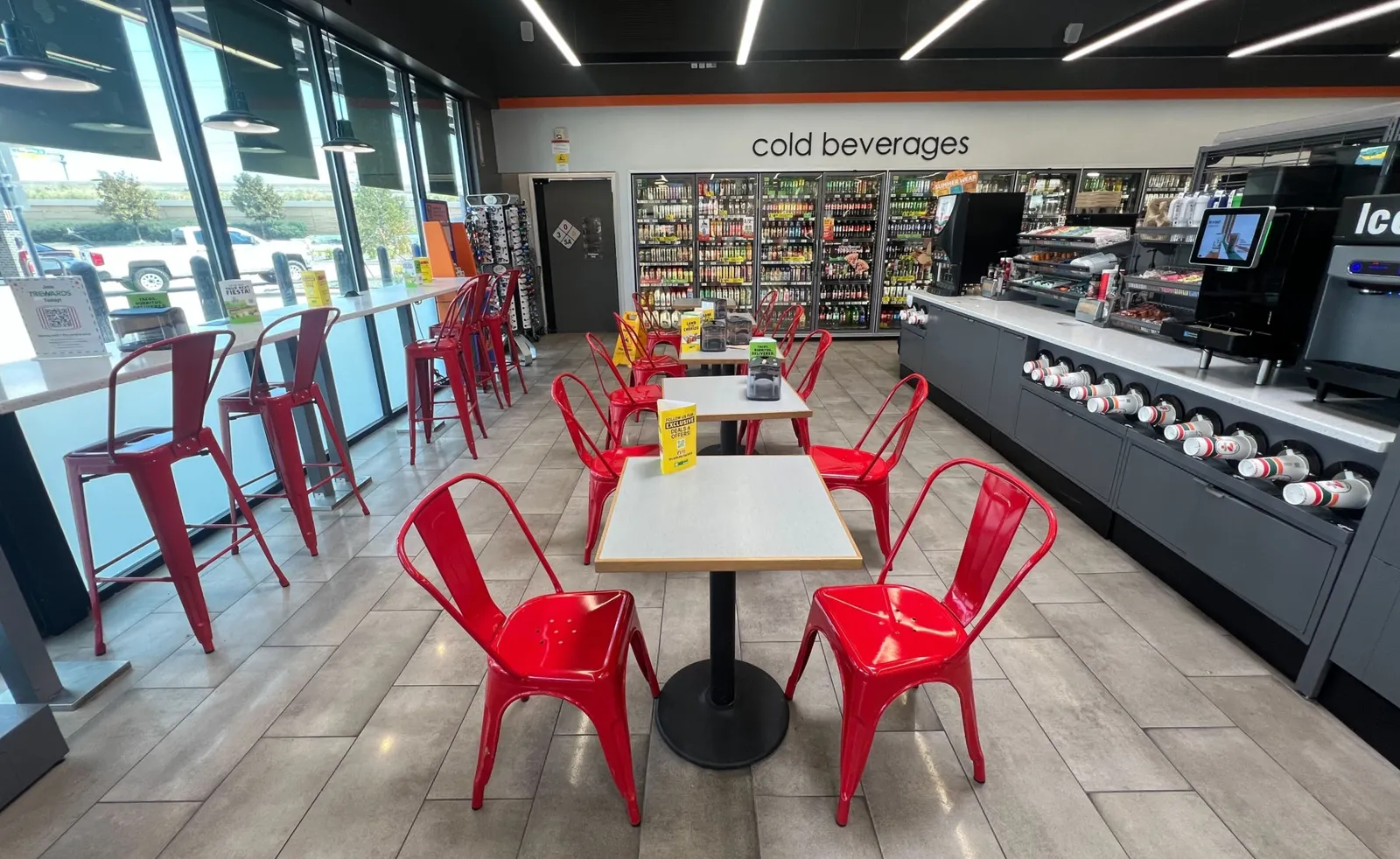
Couche-Tard’s food renaissance
We entered 2025 laser-focused on one Alimentation Couche-Tard storyline — would it buy 7-Eleven? The answer ended up being “no,” but a different and equally interesting topic grew up around Couche-Tard over the course of the year.
While Circle K may not be known for food the way competitors like Casey’s General Stores, Wawa or Royal Farms are, it’s making moves to change that perception. This pursuit led to Couche-Tard acquiring GetGo Café + Markets, the 270-store convenience store chain formerly owned by supermarket company Giant Eagle.
The backbone of these efforts is a value menu Couche-Tard debuted in 2024, which includes $3, $4 and $5 options targeted at price-conscious consumers.
“We will continue to lay into meal deals,” Alex Miller, president and CEO of Couche-Tard, said during the company’s fiscal Q2 earnings call in November. “We think we’ve really found something here that is really resonating with consumers that are strapped for cash.”
The meal deals are just one part of a larger food-focused reset for the company, Miller said in that same call. With that process mostly complete, 2026 will tell just how big of an impact the changes will bring.
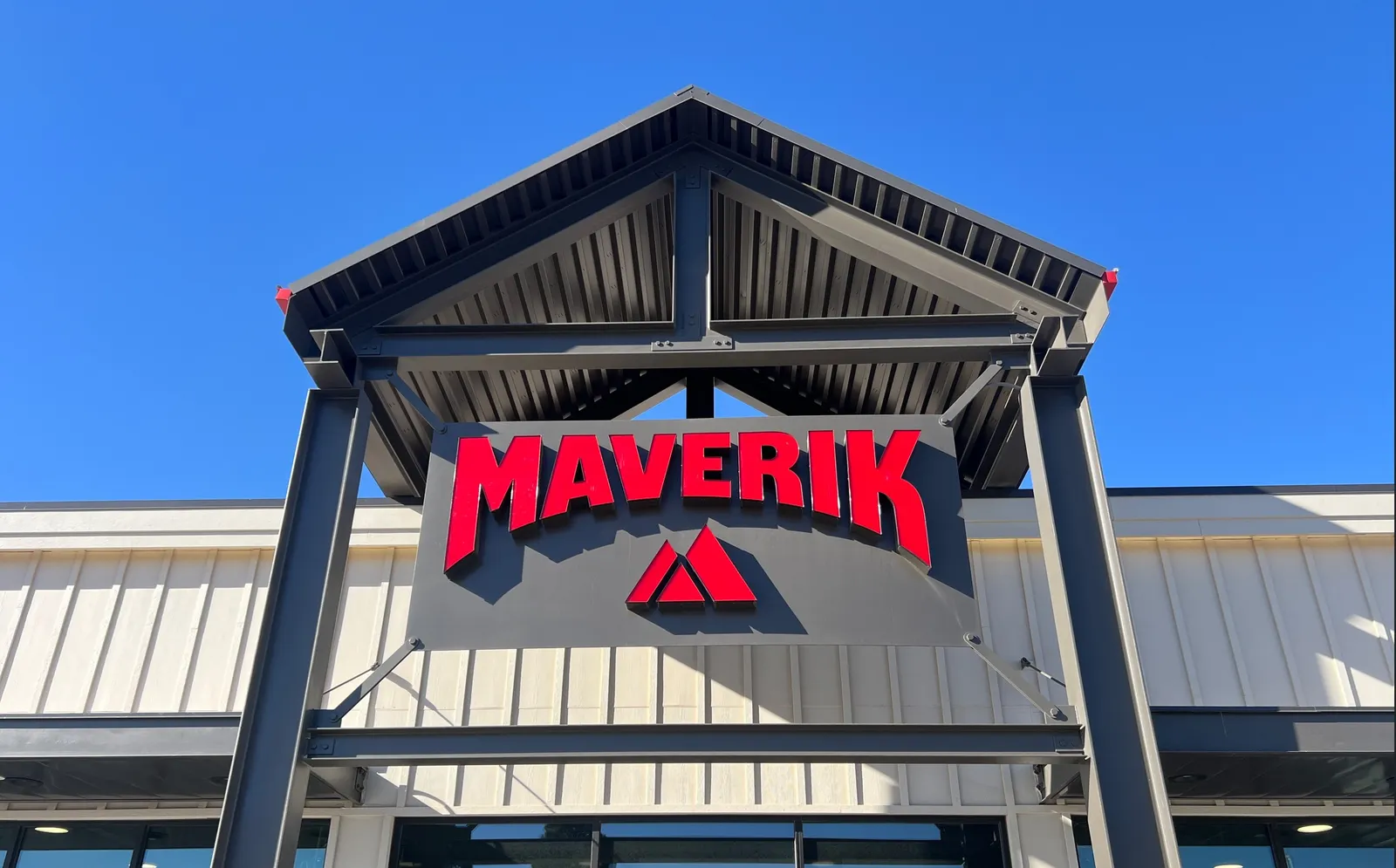
Maverik’s next steps
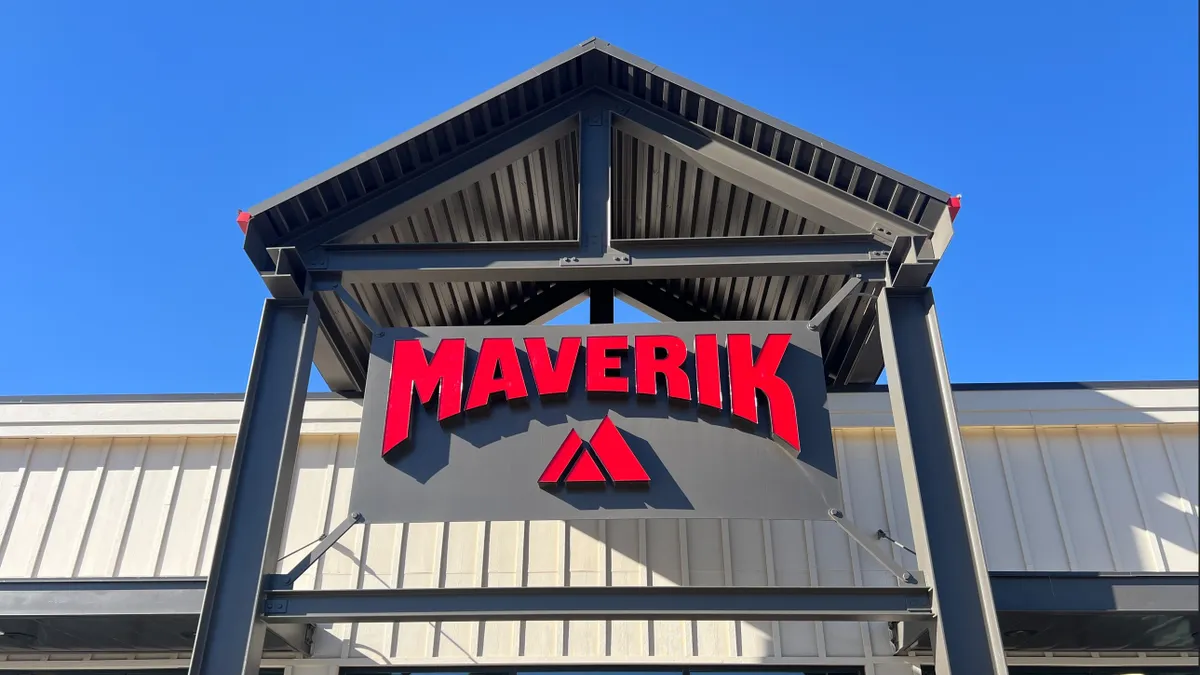
For well over a year, one of the biggest stories with Maverik has been its handling of the Kum & Go banner, which it bought in 2024. In 2025, Maverik wrapped up the rebrands of most of that company’s stores and sold a few others.
Now, Maverik must turn its attention to integrating itself into many states and communities where it hasn’t previously had a presence.
Operationally, Maverik has a lot going for it. The banner ranked seventh in USA Today’s top 10 gas stations list last year, with the publication calling out its “top-notch food.” Maverik also made it onto Forbes’ list of the top 300 companies for customer service. And with the rebrands in the rearview mirror, the company can focus all its attention on in-store execution.
What remains to be seen is how well its adventure-themed brand meshes with some of the less rugged areas it’s now competing in, notably Kum & Go’s former home of Iowa.
Will EG America make more changes?
While some companies have made bigger announcements or unveiled more broad-reaching initiatives, few companies have been as busy as EG Group and its U.S. arm, EG America, over the past few years.
Last year, EG Group named former CFO Russell Colaco as its new CEO in April, then handed him the reins to EG America a week later. During the summer, the company streamlined operations by agreeing to sell its Italian and Australian businesses and announced it would move its global HQ from the U.K. to Charlotte, North Carolina.
Inside its U.S. stores, the retailer launched online ordering and delivery, debuted a fleet card and revamped its loyalty program. Foodservice wasn’t left out either, with EG America debuting and then quickly expanding a grab-and-go program and making big plans with chicken QSR Krispy Krunchy Chicken.
We’ll be watching to see if developments continue at this quick pace again in 2026.
Anabi Oil, M&A leader?
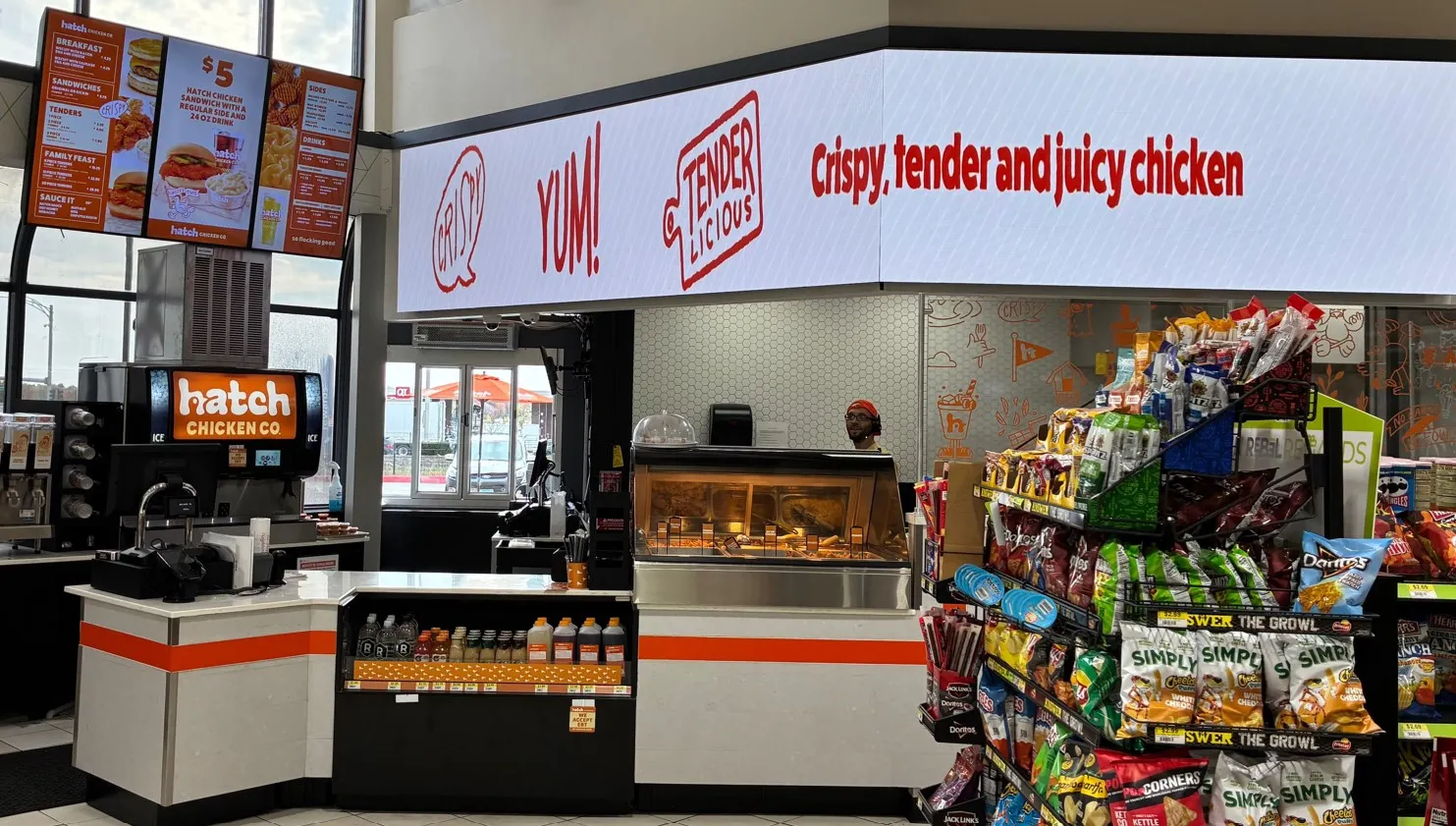
Anabi Oil, owner of the Rebel Convenience Stores banner, made a splash in the M&A markets in 2025. In October, it made one of the year’s biggest moves when it acquired the 87-location Green Valley Grocery chain in Las Vegas.
Then in December, it added another 12 locations in California with the acquisition of Cox Family Stores.
M&A wasn’t Anabi’s only major move last year. The retailer also began expanding Hatch Chicken Company, a proprietary QSR that it debuted in 2024. The menu includes a variety of chicken tenders, sandwiches and sides like mac and cheese, biscuits and waffle fries, as well as lemonade and a line of organic teas.
It’ll be interesting to see if Anabi keeps its foot on the gas when it comes to acquisitions and its QSR rollout this year.
Yesway’s shifting outlook
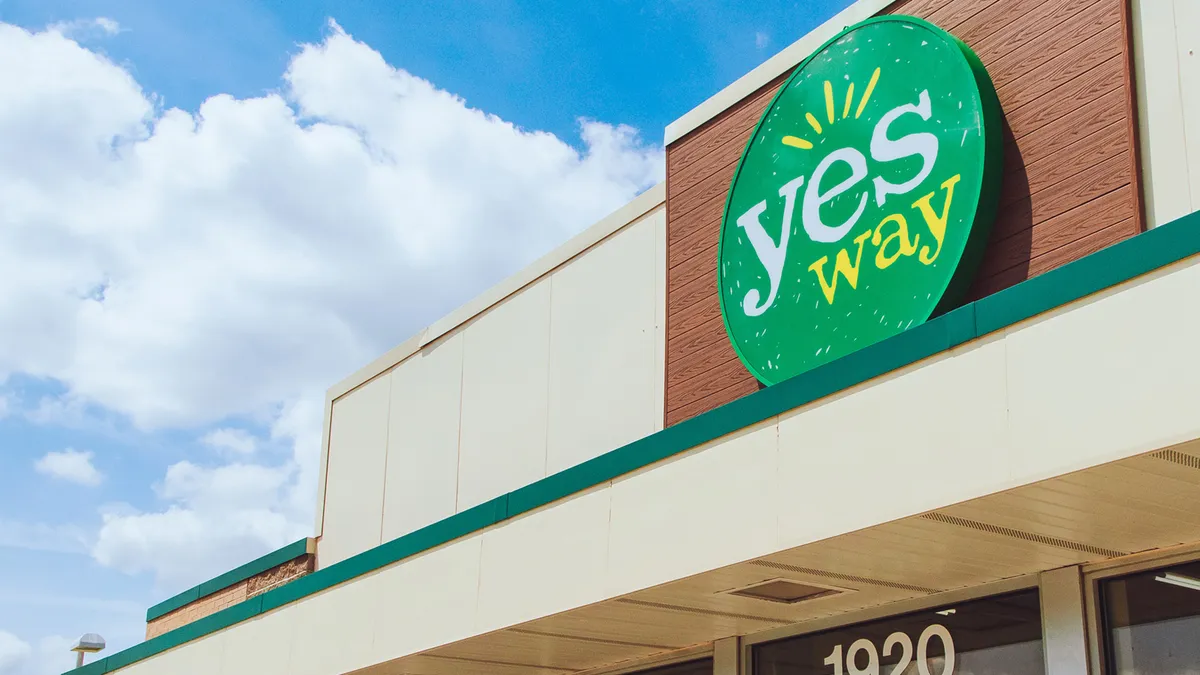
Yesway’s agreed-upon sale of all of its c-stores in Iowa and Kansas last year to Mega Saver raised some eyebrows, since it wasn’t so long ago that the Midwest was a key market for the Texas-based chain. At the time, a company spokesperson noted that the sites no longer fit its strategy.
As it navigated a looming exit from these states, Yesway added some experienced executives to its leadership team. Chuck Sanders, vice president of merchandising, came to Yesway after spending a year and a half as soft drinks category manager for 7-Eleven while Robert Drake, vice president of facilities, was most recently director of strategic maintenance and facilities for Murphy USA.
This year might shed some clarity on if Yesway has reworked its footprint to its liking and what its future direction will look like, including if its previous IPO plans — or more store sales — are coming.
Parker’s expansion plans
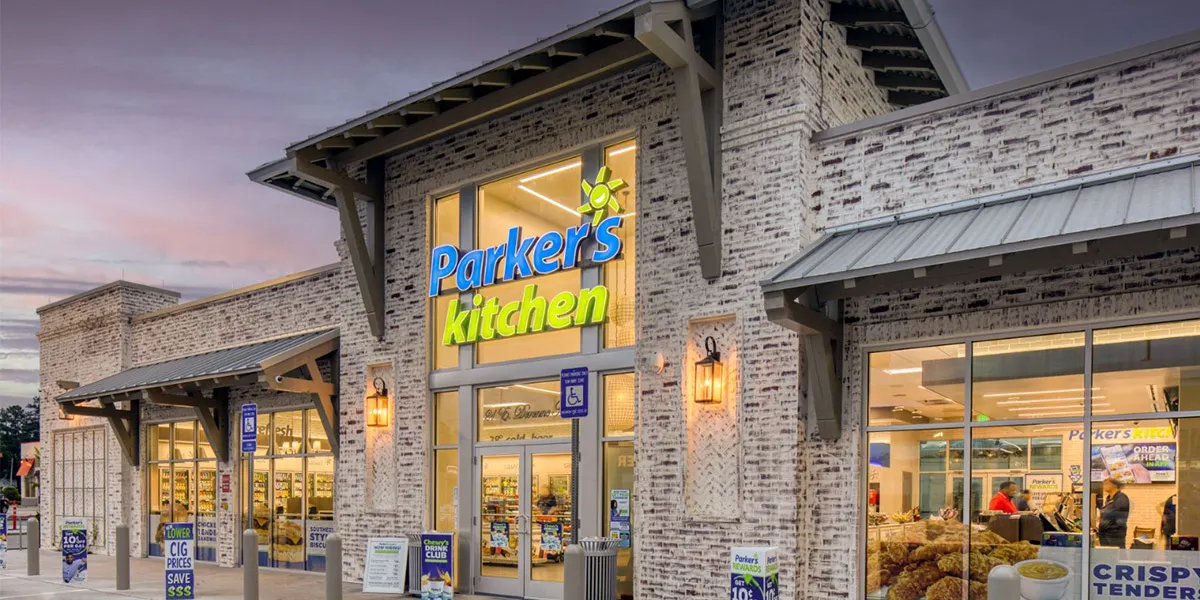
Southeastern staple Parker’s Kitchen has been quietly expanding its footprint for years. At the NACS Show in October, Tom Rutledge, Parker’s senior director of construction, said the company plans to open between 20 and 25 c-stores annually over the next five years. This would more than double its current store count, which currently stands at a little over 100 locations.
One measure of that growth will be the company’s long-awaited Florida debut. In the works since at least 2023, a move into northern Florida opens up a lot of new communities for the retailer, which currently only has stores in South Carolina and Georgia.
Also worth watching is how well the company’s new organizational structure works out. The company named Brandon Hofmann its new CEO in March 2025, then appointed CFO John Rudolfs to co-CEO in September.
Parker’s isn’t the only c-store with co-CEOs. Refuel Operating Company named Travis Smith and Jon Rier co-CEOs in June and 7-Eleven is operating under two executives while it seeks a replacement for former CEO Joseph DePinto. But given Parker’s ambitious growth plans and the unconventional way it established the dual-leader structure, many eyes will be on the chain in 2026.
Oxxo’s U.S. growth
In 2024, Mexican c-store giant FEMSA bought all of Delek Holdings’ 249 U.S. stores. Since that time, the company has begun rebranding the locations to its Oxxo banner and expanding its ambitions in the country. The company expects to have all the former Delek stores under its own banner by 2028.
In addition to taking a careful pace with these store updates, the company is also testing out fuel-less sites — an approach that many U.S. retailers have tried with limited success.
As Oxxo and FEMSA get more comfortable with U.S. operations, the industry will be watching to see how the c-store giant decides to further its reach. Will it build new stores, make more acquisitions or maybe stand pat for a while as it learns from the locations it has already updated?