Convenience retailers are upping their foodservice capabilities now more than ever, and the trend isn’t going to slacken in 2026. Operators large and small have invested countless hours and millions of dollars into bringing on staff, equipment and programs to achieve food quality that competes with QSRs.
C-store operators released fresh items and announced new food partnerships on what felt like a weekly basis this year. But a few moves in particular stood out to us due to influence they’ve already had or might bring to the table.
Here are the most impactful c-store foodservice moves of this year.
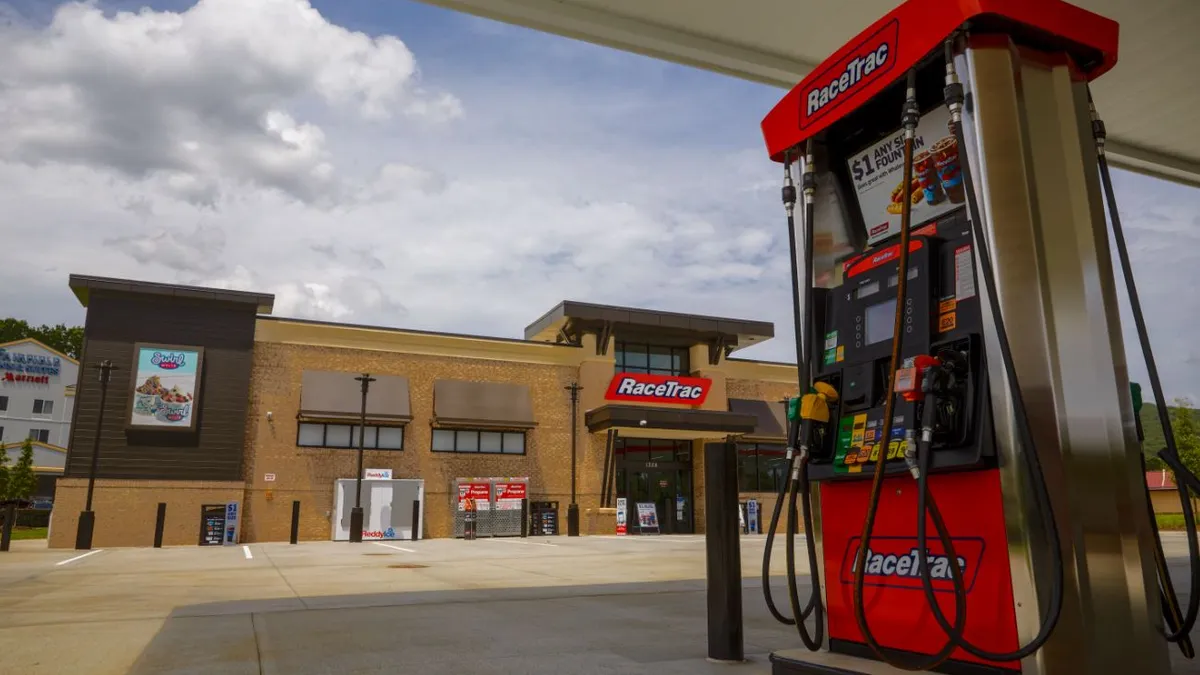
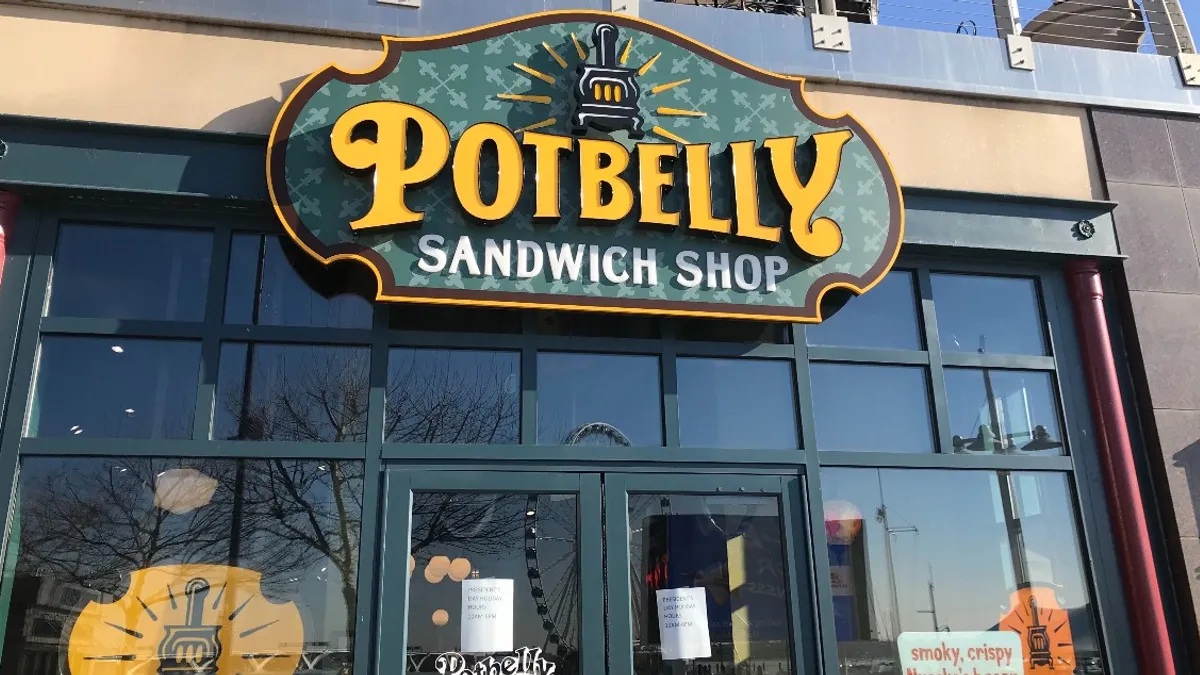
RaceTrac’s acquisition of Potbelly
RaceTrac’s $566 million acquisition of sandwich QSR Potbelly was the most surprising and potentially industry-shifting foodservice move any convenience retailer made in 2025.
The deal, which was announced in September and closed a month later, not only marked Atlanta-based RaceTrac’s entrance into the QSR world, but could potentially set the stage for other c-store retailers to outright buy a restaurant chain to improve their foodservice capabilities.
Potbelly has 445 locations across 32 states, many of which have no RaceTrac stores.
RaceTrac has not outlined if it plans to make any changes to Potbelly’s restaurants or bring some of the chain’s popular sandwiches, salads and milkshakes to its convenience stores. The c-store industry will be closely following how this partnership unfolds in 2026 to see what the two chains cook up.
7-Eleven brings Japanese egg sandwiches to the US
7-Eleven announced last week that it’s rolling out its famed Japanese-style egg sandwiches in the U.S. These sandwiches have been a calling card of 7-Eleven’s Japanese stores for years, and now represent the latest step in the company’s drive to improve its foodservice reputation in North America.
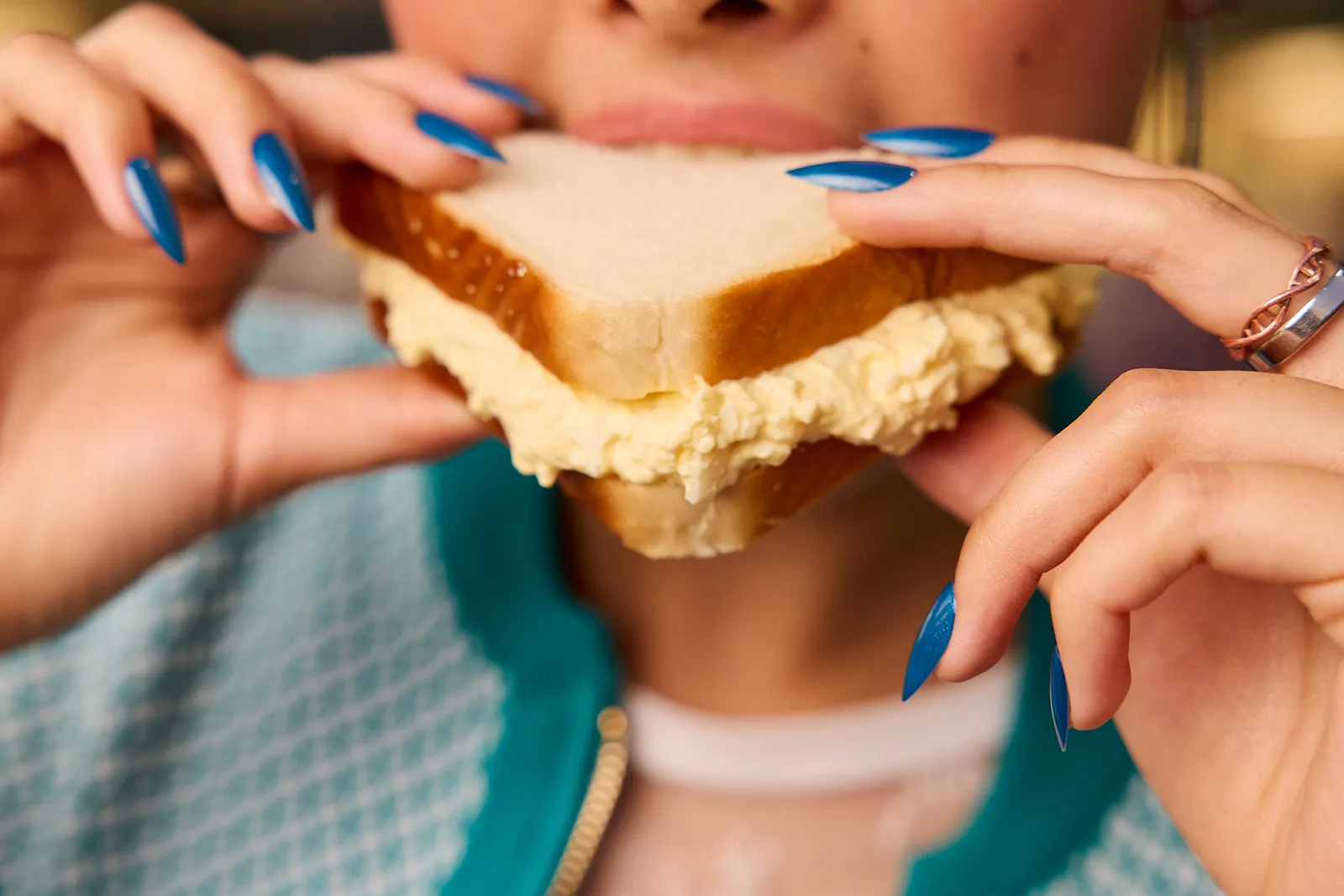
The popular sandwiches feature Japanese milk bread — a fluffy, slightly sweet bread — and egg salad made with Kewpie mayo, which only uses the yolks of eggs. Back September, Stephen Dacus, CEO of 7-Eleven parent company Seven & i, told the Japan Times that the egg sandwich was the top item purchased by American consumers in Japanese 7-Eleven stores.
GPM launches Fas Craves
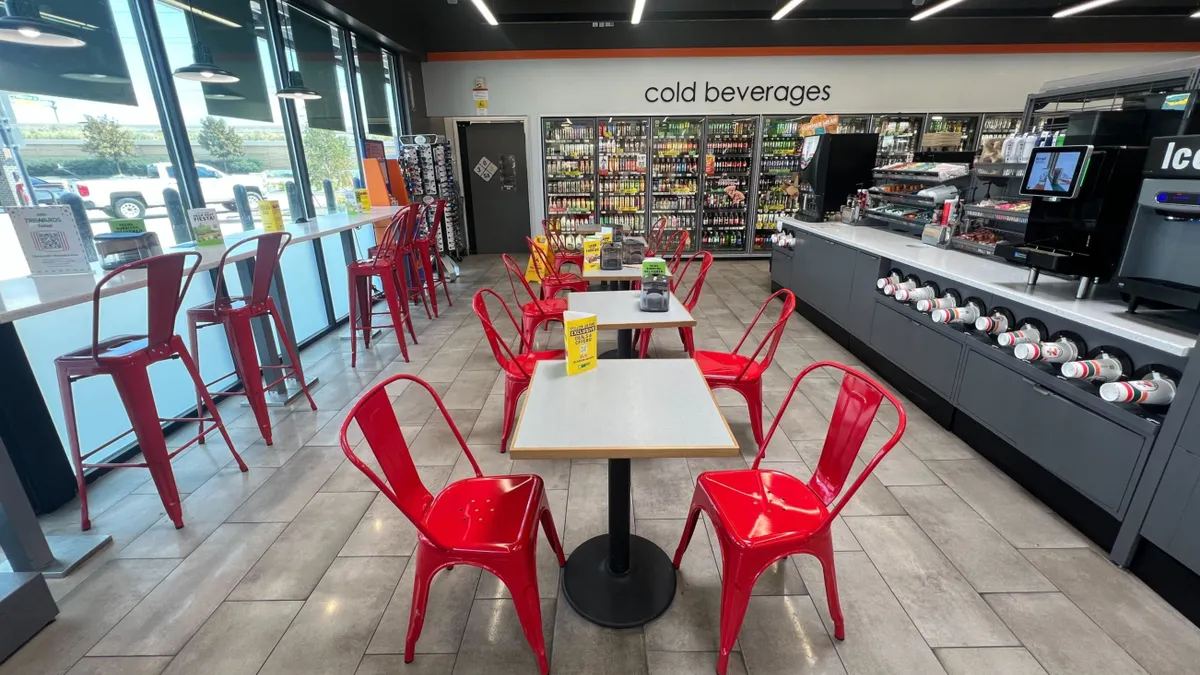
GPM Investments unveiled its new food-focused c-store design in June and is in the process of adding it to over 30 more locations. The highlight of these stores is GPM’s new Fas Craves foodservice program, which features hot and cold grab-and-go items, such as crispy chicken biscuits, potato wedges, mozzarella sticks, jumbo chicken wings, chicken sandwiches and burgers. Fas Craves also features an array of dispensed beverages, including nitro cold brew, hot and iced coffee, iced teas, lemonades, slush ices and frozen coffee.
When GPM’s parent company, Arko, first revealed plans for its food-focused store design last fall, President and CEO Arie Kotler said the company was pivoting to “a significant focus on foodservice” and aimed to grow traffic, profitability and its value proposition amid what he called a “challenging microeconomic environment.”
EG America’s goes all-in on fried chicken and grab-and-go
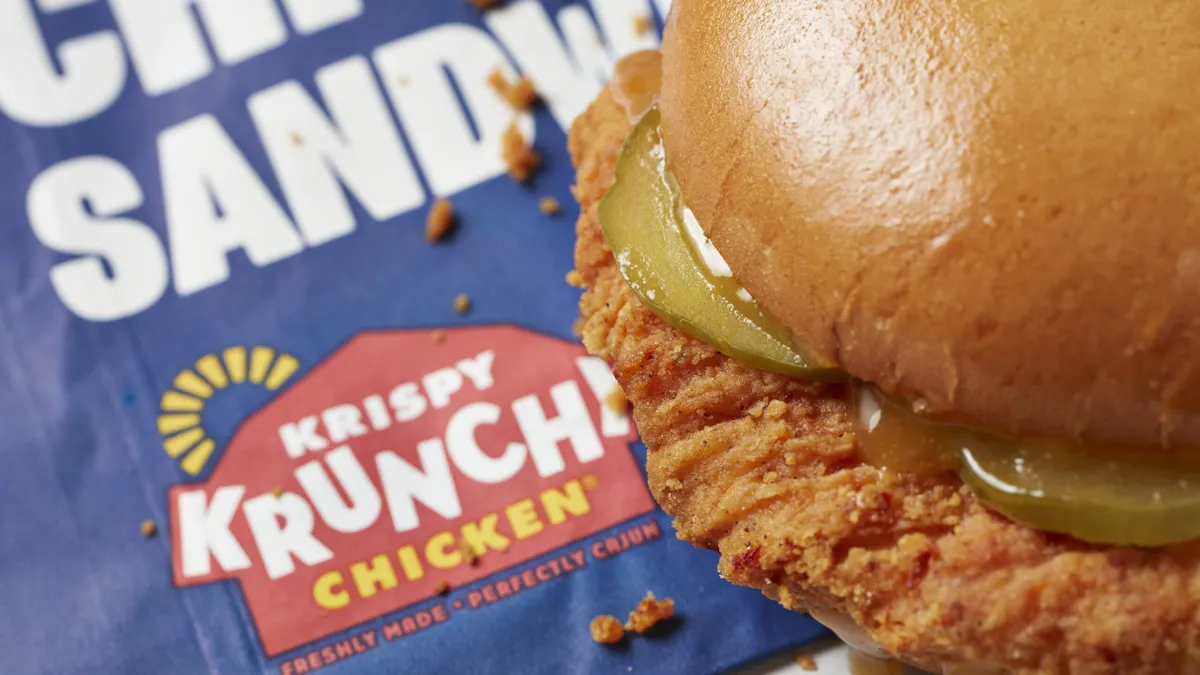
In September, EG America revealed that it was piloting Krispy Krunchy Chicken’s hot foods concept at five of its convenience stores across multiple banners. The pilot was so successful that it took less than two months for EG to expand that rollout to about 150 stores by the end of next year. EG, which has not historically been known for its food offerings, is now bringing one of the more popular retail fried chicken QSRs to its stores, which will likely be a major draw for customers.
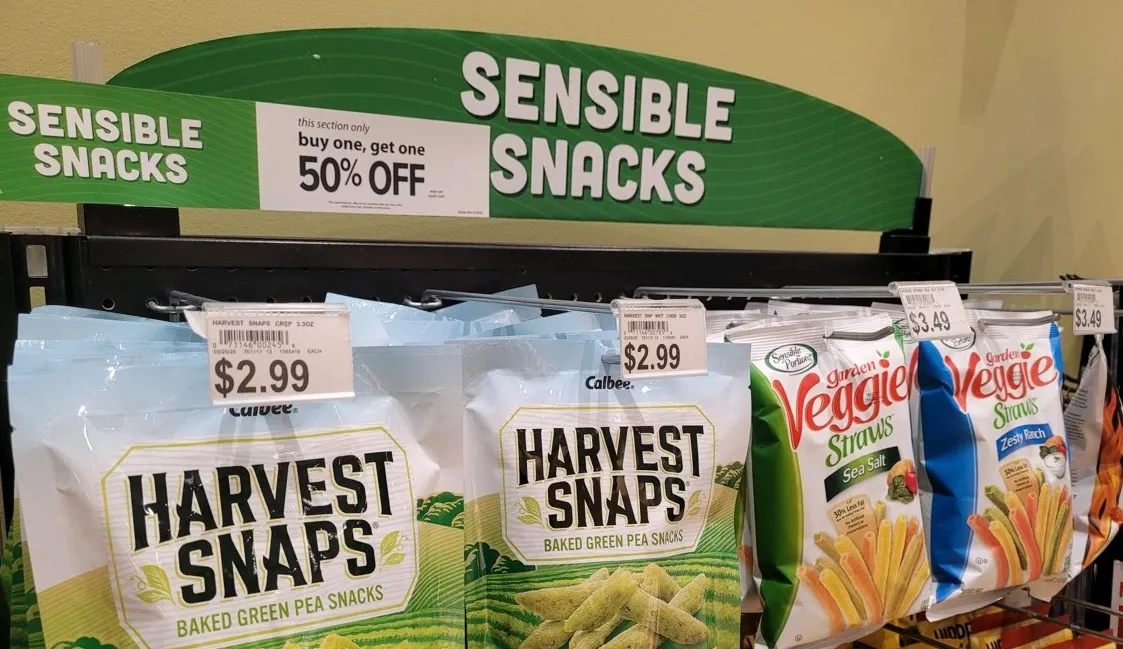
EG didn’t stop at fried chicken. The company also launched a brand-new grab-and-go snacking program at all 1,500 of its convenience stores this summer. The program, Sensible Snacks, features Calbee Harvest Snaps, Jackson’s Sweet Potato Chips, Hippeas Chickpea Puffs and Lesser Evil Popcorn. EG America also debuted an express case that’s filled with fresh sandwiches and snacks from national brands like Chobani, Sabra, Hillshire Farm and King’s Hawaiian.
Casey’s revives its lagging coffee program
In January, Casey’s General Stores overhauled its coffee program with the debut of its new Darn Good Coffee lineup. The program launched with eight new coffee flavors, including Casey’s house blend, 100% Columbian, French roast, “Rooster’s Call” high-caffeine roast, salted caramel toffee, light roast, decaf and the limited-time toasted pecan blend. Each blend can be customized with various creamers, sweeteners and condiments to create more artisanal drinks.
Casey’s launched Darn Good Coffee after it noticed its java sales lagging, Tom Brennan, the retailer’s chief merchandising officer, told C-Store Dive after the rollout. He emphasized that since consumers thought Casey’s previous program lacked variety, Darn Good Coffee aims to be innovative and different.
“We want to make sure that we have something that folks can only get at Casey’s, because that’s going to drive traffic to our stores and engagement with our brand,” Brennan said.