Mergers and acquisitions continue to dominate convenience retailing as operators large and small face a difficult operating environment.
With expenses rising and labor continuing to be a daily struggle, many c-store retailers are choosing one of two directions: take a chance to grow the business through an acquisition or sell the company and make a clean exit. Industry experts have said that they don’t foresee this years-long trend slowing down in 2026.
Although dozens of deals took place this year, several stood out due to their size, as well as what they meant for the companies and markets involved.
Here are the c-store mergers and acquisitions that defined 2025.
Couche-Tard closes on GetGo
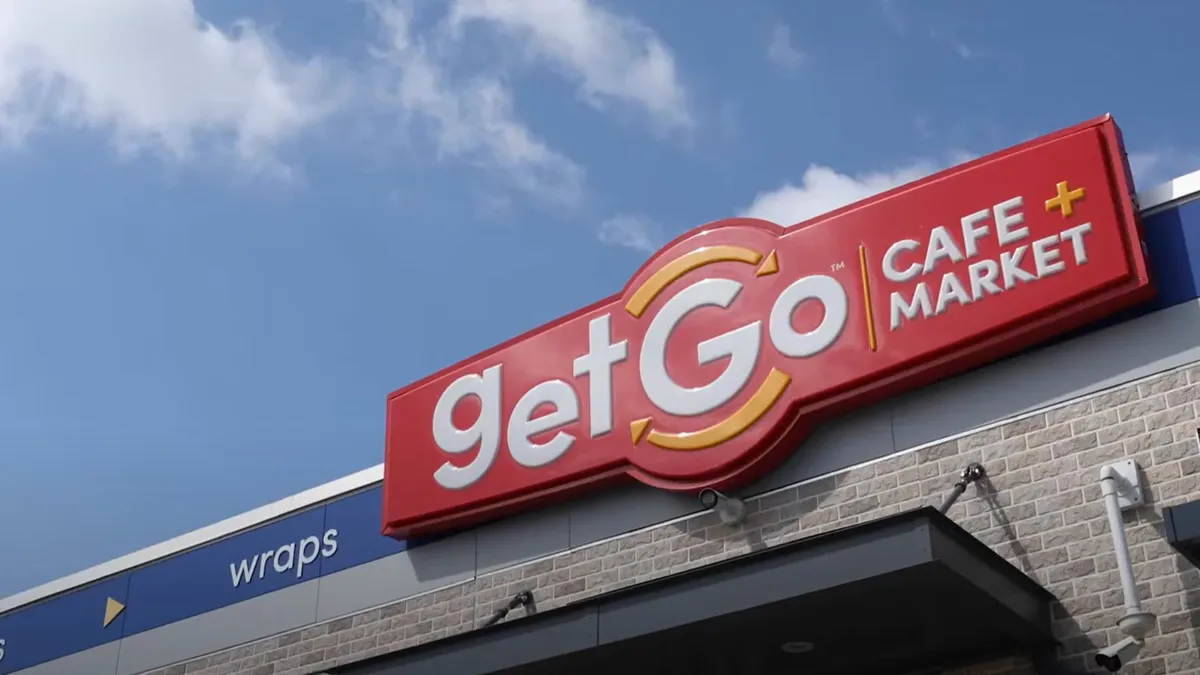
Alimentation Couche-Tard closed its $1.6 billion acquisition of GetGo Café + Markets, the convenience store arm of supermarket chain Giant Eagle, in June. The acquisition — the largest of any U.S. convenience retailer this year — added more than 270 sites across Pennsylvania, Ohio, West Virginia, Maryland and Indiana to Couche-Tard’s c-store network, which already included over 7,000 locations in the U.S. Couche-Tard had to sell 35 locations to Majors Management in order to earn Federal Trade Commission approval.
GetGo is operating as a separate business unit led by Vice President of Operations Mike Maraldo. Couche-Tard is also continuing to operate GetGo’s popular myPerks loyalty program, which it shares with Giant Eagle, and is leaning heavily into GetGo’s foodservice capabilities.
RaceTrac acquires Potbelly
The most surprising and potentially industry-shifting acquisition this year wasn’t the buyout of another c-store retailer. It was RaceTrac’s $566 million acquisition of sandwich QSR Potbelly.
The deal, which was announced in September and closed a month later, not only marked Atlanta-based RaceTrac’s entrance into the QSR world, but could potentially set the stage for other c-store retailers to buy a restaurant chain to improve their foodservice capabilities.
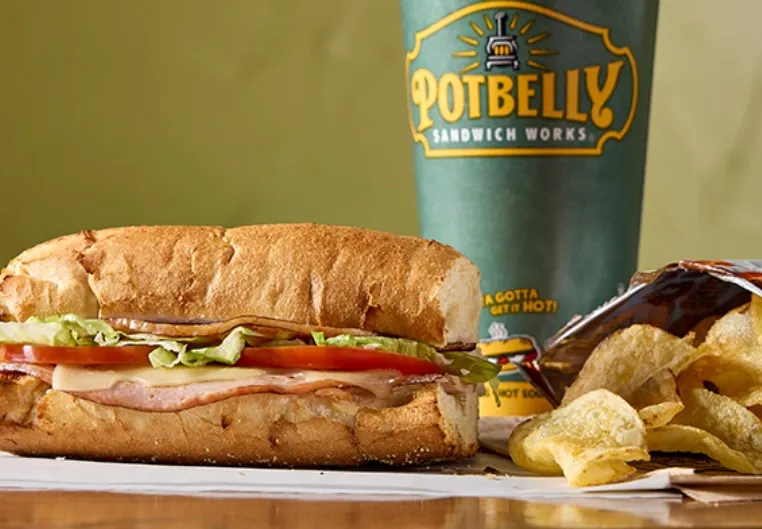
Potbelly has 445 locations across 32 states, many of which have no RaceTrac stores. Running a company with a nationwide footprint could present challenges for the regional c-store chain.
RaceTrac has not outlined if it plans to make any changes to Potbelly’s restaurants or bring some of the chain’s popular sandwiches, salads and milkshakes to its convenience stores. The c-store industry will be closely following how this partnership unfolds in 2026 to see what the two chains cook up.
Sunoco’s purchase of Parkland
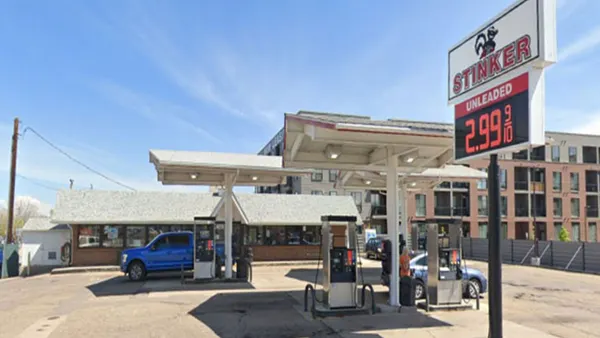
Sunoco closed its $9.1 billion acquisition of Parkland Corp. in October, bringing the Canadian company’s 3,600-plus retail sites across North America to Sunoco’s network. In the U.S., that included 699 retail fuel locations, 122 of which Parkland owned and operated under several banners. Prior to making the deal, Sunoo only had about 76 company-operated c-stores in New Jersey and Hawai’i, having sold most of its c-store assets to 7-Eleven in 2024.
Sunoco now also has c-stores in Colorado, Florida, Idaho, Minnesota, Montana, New Mexico, North Dakota, South Dakota, Utah and Wyoming. This doesn’t even include roughly 3,300 leased, dealer, franchised and cardlock sites that now belong to Sunoco, whose network of similar locations had already included over 9,000 sites.
Industry experts have spent the past several months pondering whether Sunoco will keep or sell Parkland’s locations. Although Sunoco hasn’t outlined any specific plans, President and CEO Joseph Kim said last month that Sunoco is working on integrating the two companies to achieve synergies “as soon as possible.”
Anabi picks up Green Valley Grocery and Cox Family Stores
Anabi Oil, which operates over 500 locations, mainly through its Rebel Convenience Stores banner, made the year’s third-largest acquisition so far by purchasing the 87-store Green Valley Grocery chain in Nevada in October. About eight weeks later, the retailer acquired 12 convenience stores from California-based C&J Cox Corporation. Anabi is not rebranding the Green Valley Grocery sites it acquired back in October, and it’s unclear if it intends to rebrand C&J Cox’s sites.
Anabi’s 99 c-stores purchased this year make the California-based company one of the fastest-growing regional operators in the country.
Maverik sells dozens of Kum & Go stores
Maverik completed its acquisition of Kum & Go in late 2023 and finished rebranding the Iowa chain’s stores last month. But lost in the shuffle of the rebranding process this year was Maverik’s divestitures of dozens of Kum & Go sites.
The Utah company sold 23 Kum & Go locations across Iowa and South Dakota to Nebraska-based Mega Saver in August, and another 12 in South Dakota and Michigan to Casey’s General Stores in September and October. It’s possible more locations were divested, as Maverik’s website now says that it has just over 750 stores across its entire network — a notable drop from the over 800 it said it had at the time of the acquisition.
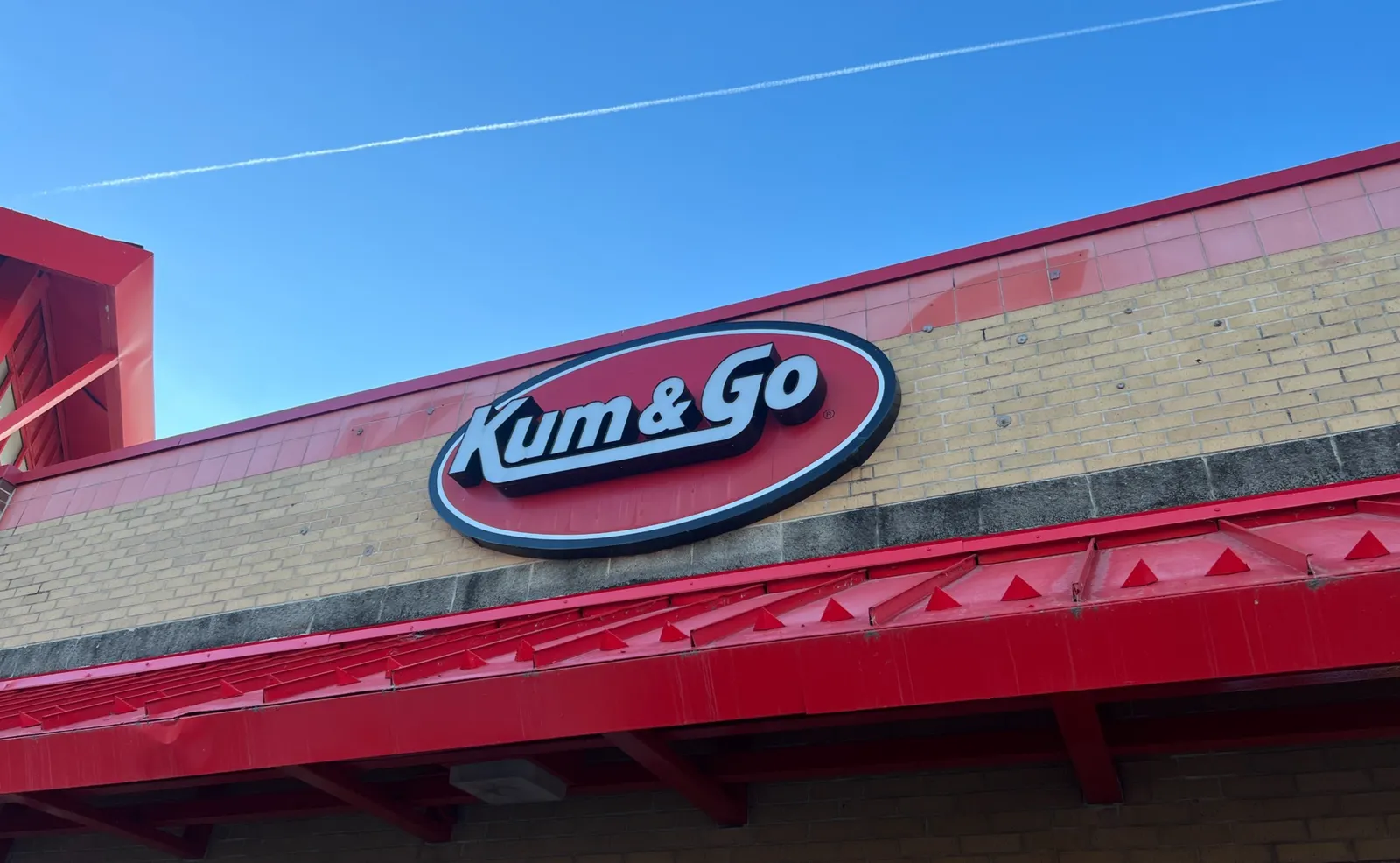
Representatives from Maverik have not responded to numerous inquiries this year about why it’s selling Kum & Go stores, although in many post-acquisition cases, divested locations are underperformers or unfit for the new owner’s network.
Mega Saver’s acquisitive year
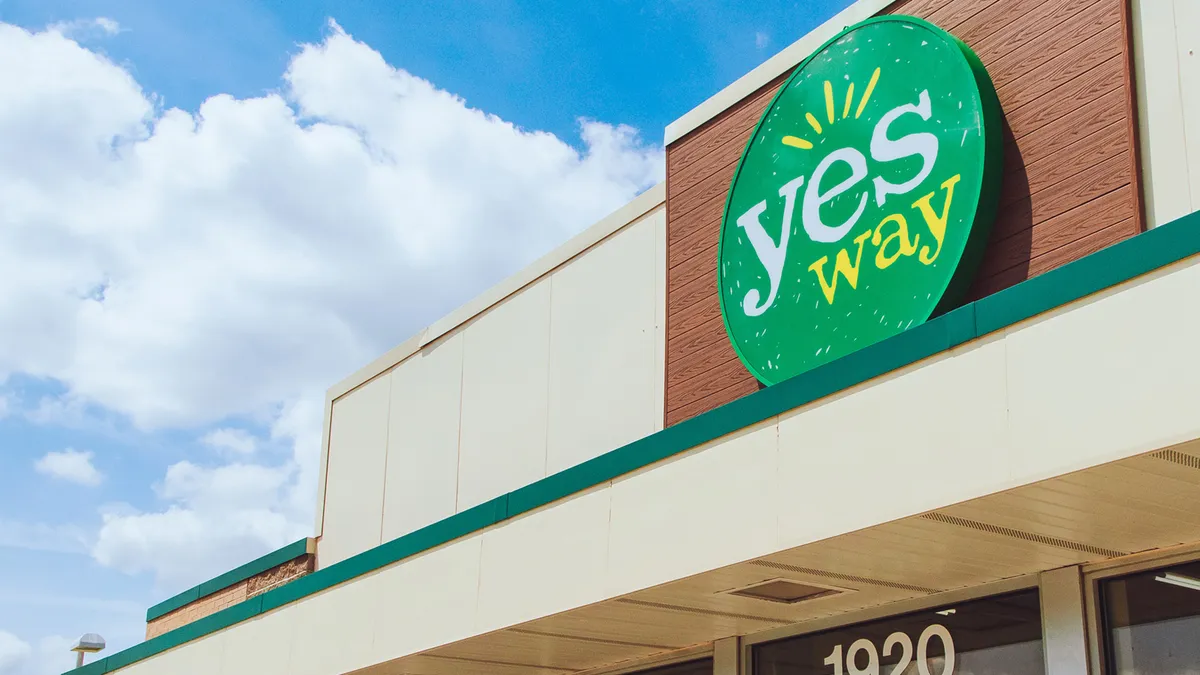
Speaking of Mega Saver, the electronics-focused convenience retailer also agreed to acquire Yesway’s 29 c-stores across Iowa and Kansas last month. For Yesway, the deal will reduce its footprint to about 414 locations across seven states, most of which operate under the company’s Allsup’s banner, according to its website.
Mega Saver’s two deals, which encompassed 52 sites, significantly expanded its c-store count in Iowa and introduced the company to South Dakota and Kansas, bringing its retail network to nearly 100 locations across five states. After operating under the radar for years, Mega Saver’s acquisitive year has made it one of the fastest-growing regional players in the industry.