Convenience stores have been interested in cannabis for years, but it’s never been central to their business strategy. Now, a newly passed federal law tightening allowable THC levels in hemp-derived products is threatening to deal a massive blow to the market.
The legislation, included in the federal spending bill that ended the 2025 government shutdown and scheduled to take effect in November, redefined hemp to exclude products containing more than 0.4 milligrams of total THC per container. Because most intoxicating hemp products today contain several milligrams of THC per serving, the change could wipe out much of the hemp market, estimated at $28.4 billion, according to the U.S. Hemp Roundtable.
That doesn’t mean cannabis-adjacent products won’t be sold in c-stores. But it does raise a question the industry has been quietly avoiding: Was this ever a category convenience stores were built to handle?
A legal workaround
Cannabis and hemp are separate varieties of the same plant, but the law treats them differently. That split has created three distinct markets: state-legal cannabis sold through licensed dispensaries; federally legal hemp, subject to state and local rules; and the illicit market, said Amy Rubenstein, partner and member of the cannabis practice at law firm Dentons.
“In most jurisdictions, only federally legal hemp provides an opportunity for c-stores to sell those products,” Rubenstein said.
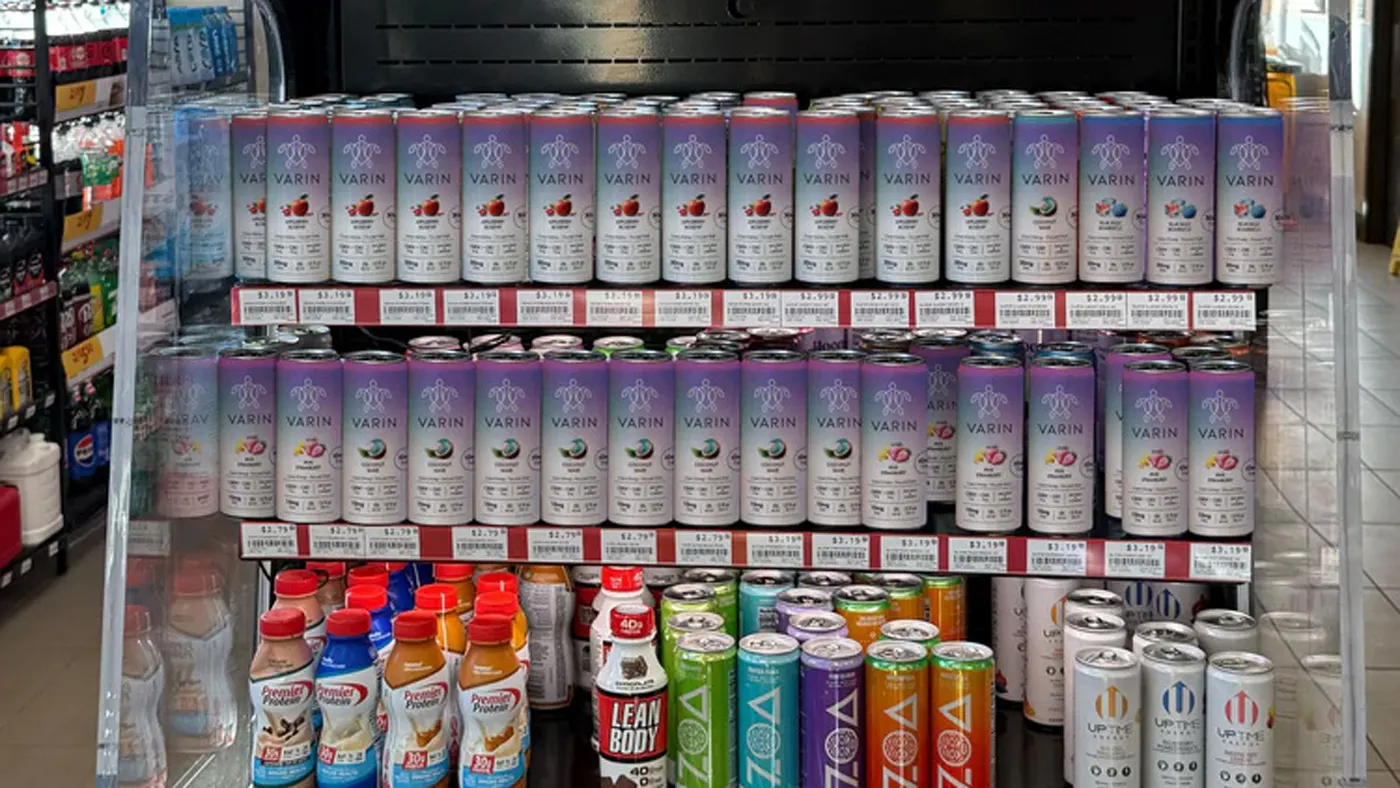
However, even though hemp-derived THC products represent a multibillion-dollar market, most c-stores do not currently sell them.
“It seems that most haven’t tried, perhaps based on the various regulations governing the market, especially for c-stores that operate across jurisdictions,” Rubenstein said.
That complexity weighs most heavily on large chains, not just because of cross-state operations but also because of operational intricacies.
“When you’re a large, established business, you’ve got a host of institutional stakeholders you have to convince,” said Nick Johnson, senior counsel at law firm Foley & Lardner. “You’re just much more likely to get a ‘no’ at some point along the way.”
Being a publicly traded company can also complicate matters, according to Stanley Jutkowitz, senior counsel at law firm Seyfarth Shaw.
“They do not want the risk of any regulatory action for engaging in an activity that remains federally illegal,” Jutkowitz said.
Hemp-derived THC products created a federally legal path for selling intoxicating items like food and drink outside of dispensaries.
But “there is a great disparity between what channels can sell hemp-derived THC by state,” said Jason Zelinski, vice president of convenience and growth accounts at NielsenIQ.
“What is certain is that there will be major changes in the market. But how the industry reacts and whether the legislation survives legal challenges will impact the nature of those changes.”

Stanley Jutkowitz
Senior counsel at law firm Seyfarth Shaw
However, even when the sale of hemp-derived THC products is legal, many retailers looked at the trade-offs and walked away, said Jonathan Robbins, partner chair of the cannabis practice at law firm Akerman.
“The shelves in these stores are really valuable real estate,” Robbins said. “Why would I take up shelf space with a product where the margins aren’t necessarily any better, but the headaches are greater?”
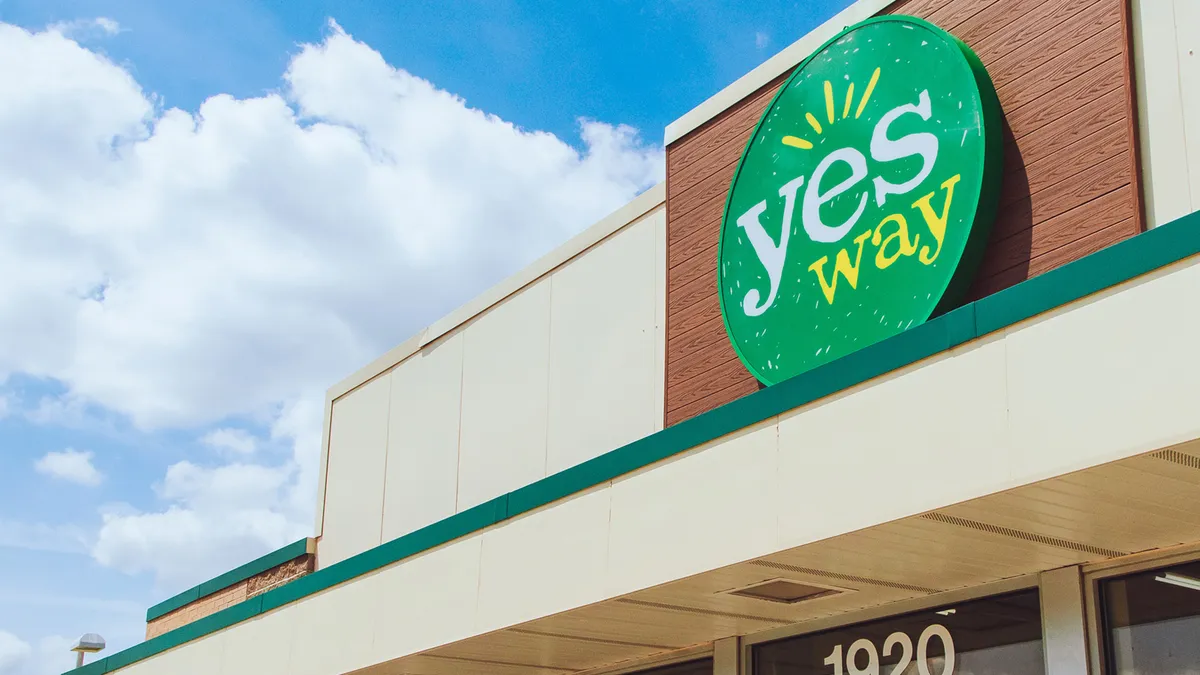
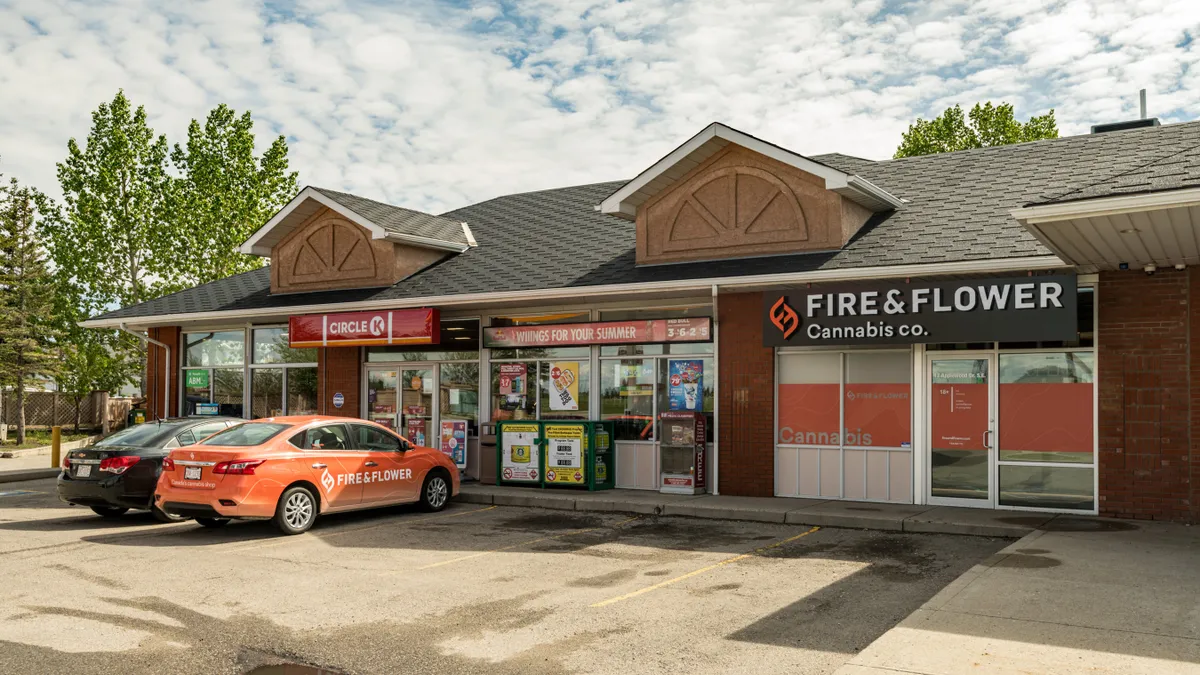
Some chains have tried to get in on the cannabis business, such as Alimentation Couche-Tard’s banner Circle K, which attempted to co-locate stores with dispensaries, and Yesway, which has sold THC beverages. But most large operators have remained cautious.
New limits, higher stakes
Most intoxicating hemp products today contain roughly 2.5 to 10 milligrams of THC per serving, Rubenstein said. And while state-legal cannabis markets would be unaffected, the hemp-derived products sold in c-stores will largely disappear once the new law takes effect in November, absent a legislative fix.
“What is certain is that there will be major changes in the market,” Jutkowitz said. “But how the industry reacts and whether the legislation survives legal challenges will impact the nature of those changes.”
Despite the disruption, experts said intoxicating hemp products won’t vanish entirely.
“I think it’s far more likely that we move toward a model of reasonable regulation rather than an outright ban,” Johnson said.
Industry conversations increasingly center on THC caps, age limits, testing standards and marketing rules, Zelinski said.
“I do not believe that the new regulations will come into effect as passed,” Zelinski said. “Already new legislation is being proposed.”
Without a robust legal framework allowing the sale of hemp-derived THC products, the market could go underground. That could jeopardize public health and safety, as illegal products typically lack lab testing, labeling standards and age-verification safeguards.
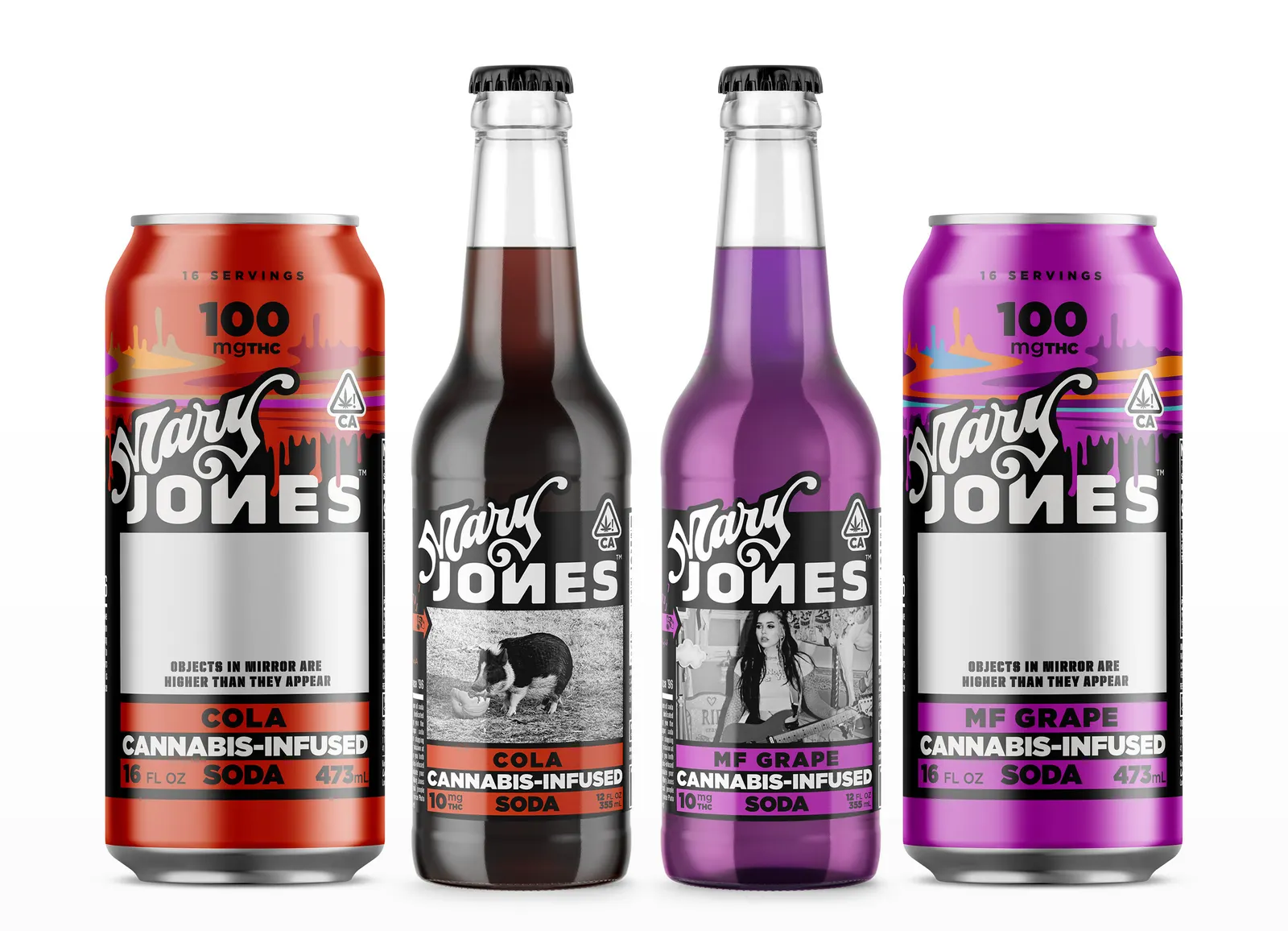
Demand hasn’t gone away
Sales data from NielsenIQ suggest consumers haven’t pulled back on cannabis demand, Zelinski said.
“There was no decrease in dollar volume after the bill was signed,” Zelinski said. “The week leading into Thanksgiving was the highest sales week we’ve seen yet.”
But strong sales don’t eliminate regulatory risk.
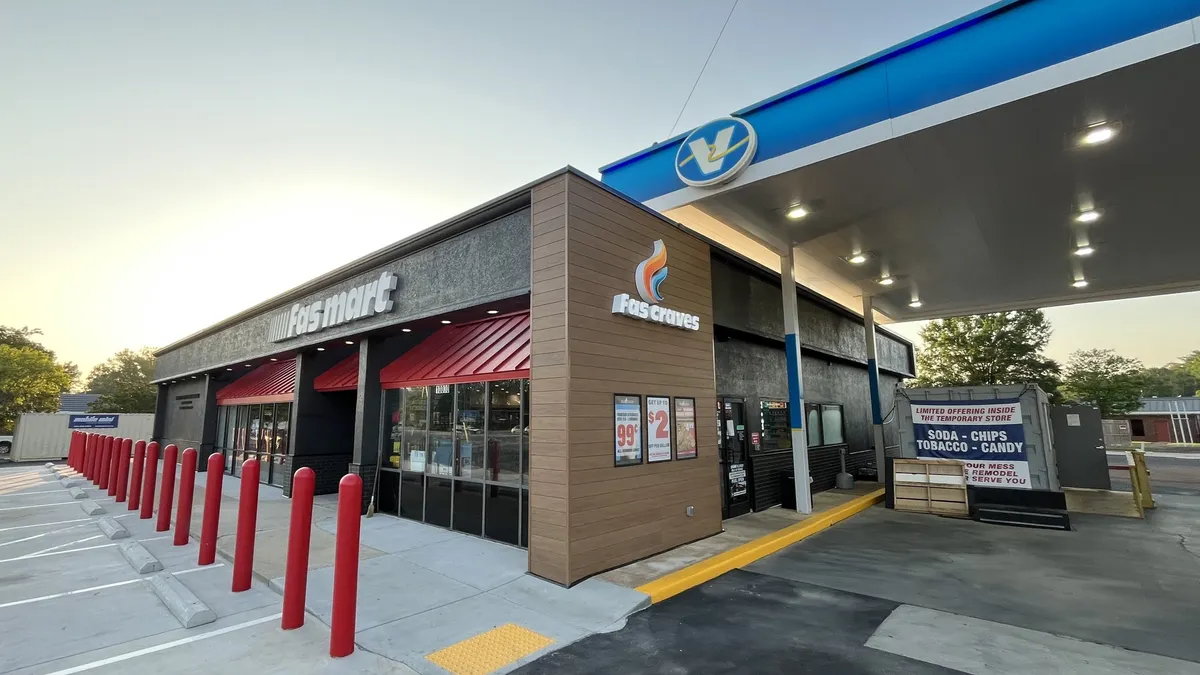
Somewhat surprisingly, some retailers began selling hemp-derived THC products after Congress passed the new restriction last fall. For example, a Circle K franchisee recently added THC drinks to dozens of stores in Texas.
“Many retailers see the future ban as a green light to sell the products now,” Rubenstein said.
President Donald Trump’s December 2025 executive order directing agencies to expedite cannabis rescheduling and revisit the definition of hemp-derived cannabinoid products could also create new openings for the industry, depending on how they are implemented, according to Rubenstein.
For convenience stores that are still interested in selling hemp-derived THC drinks and gummies, the decision comes down to risk tolerance.
“If you are generally risk-averse, this is probably not the best market for you,” Johnson said.