Fueling Up is a column from C-Store Dive offering a fresh perspective on the top news and trends in the convenience store industry.
7-Eleven is on a growth path that, quite frankly, I don’t understand.
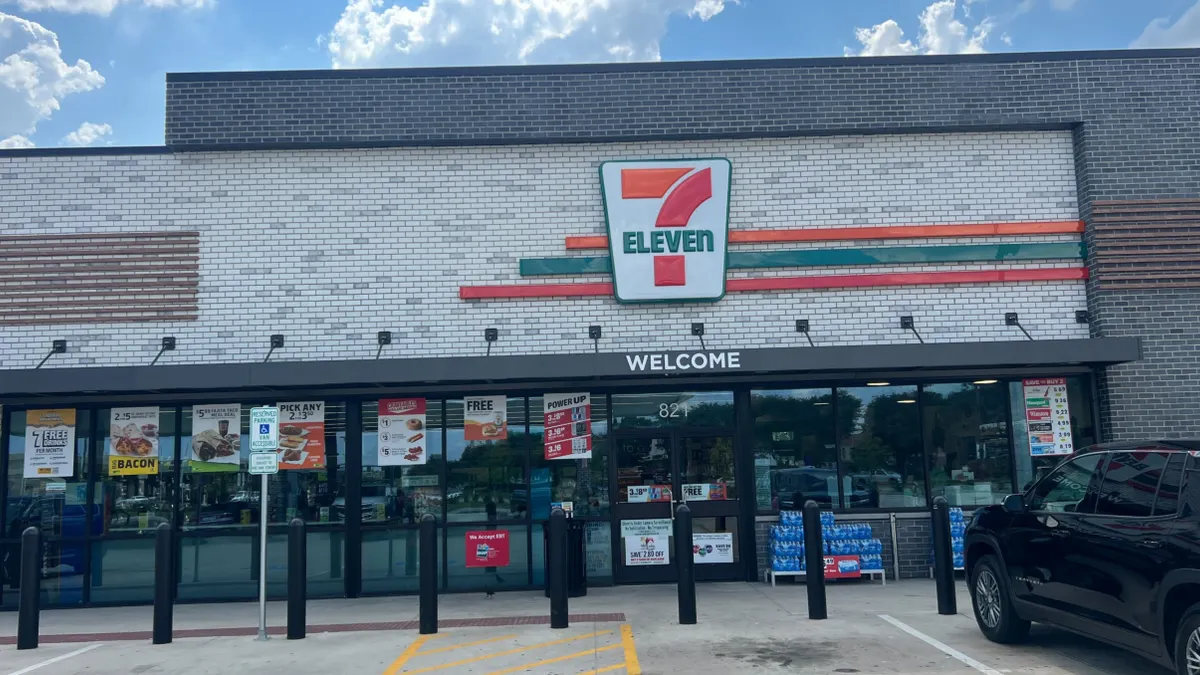
The retailer has spent the past year and a half opening its “new standard” food-focused c-stores at a rapid clip, and recently revealed plans to remodel 7,000 existing locations to this format by 2030. Simultaneously, it wants to convert thousands of company-operated sites to franchised locations, as well as move hundreds more company-operated stores to wholesale dealer sites.
Ramping up franchising and wholesale sites seems like a strategy that’s at odds with building a higher-quality foodservice operation, since those locations are often not as sophisticated from a food perspective as company-operated stores. On top of that, 7-Eleven got rid of its top merchandising decision makers amid its recent company-wide reorganization — another contradiction to its plan to become a food destination.
It’s clear that 7-Eleven is trying to pursue two competing objectives at once: building a more foodservice-focused business while shifting toward a lower-cost, lower-control operating structure through franchising and wholesale conversions. .
Both strategies may improve profitability in different ways, but they don’t necessarily reinforce each other.
Foodservice versus franchising
During 7-Eleven’s investor presentations last month, executives said they fully expect its new franchising and wholesale efforts to help improve profitability even as 7-Eleven pursues foodservice excellence. But it’s hard to see how those goals can work together.
According to a former head of strategy for 7-Eleven’s U.S. business, many franchisees struggle with interacting with customers and often have fewer employees than a company-operated site to reduce costs. The franchisees are sometimes the only employee, said the former strategy head, who requested anonymity to avoid retaliation from 7-Eleven.
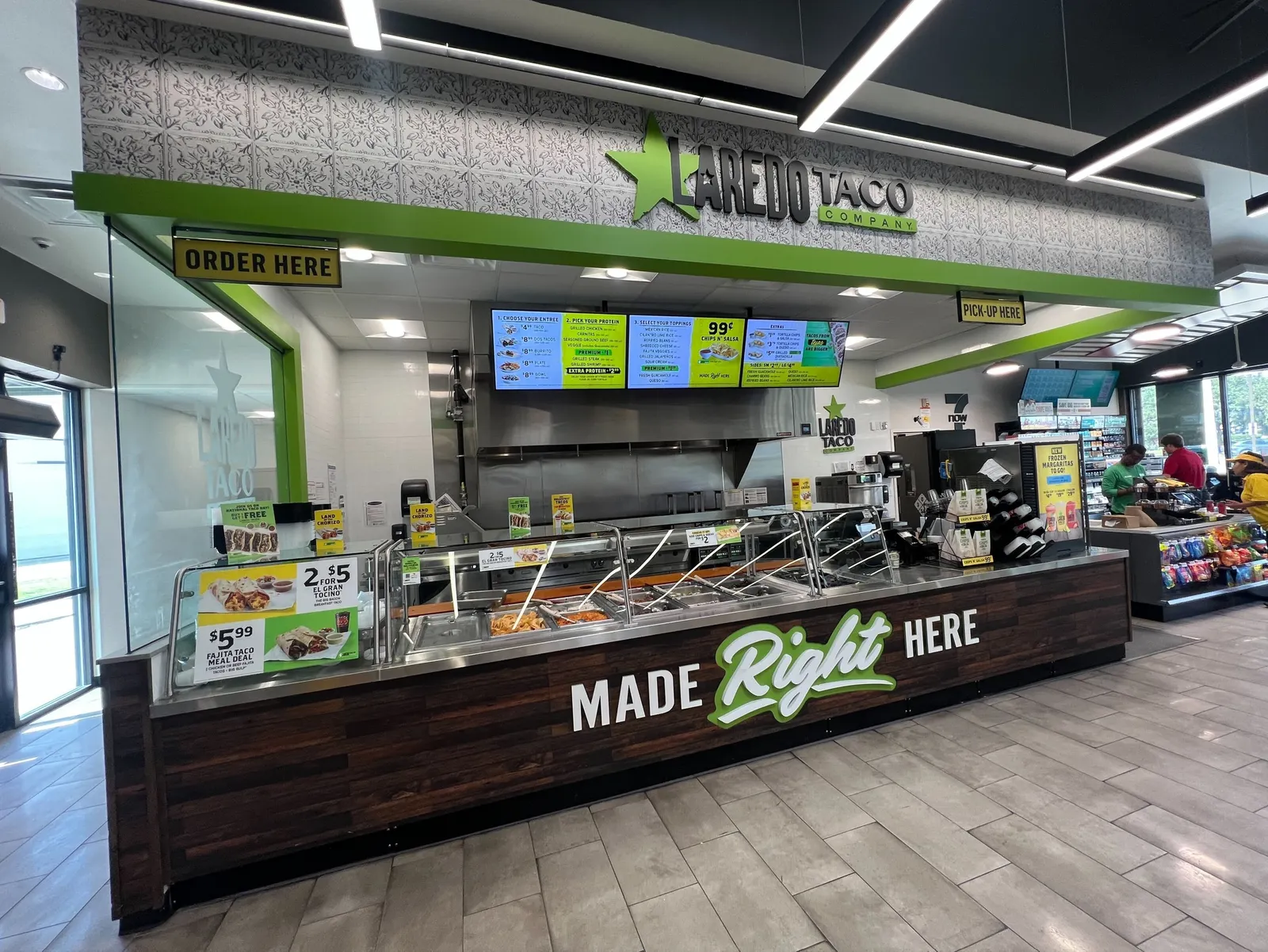
Any time a store only has a single employee working, that person is brewing coffee, serving food and cleaning restrooms all at once. This leaner staff may create issues when it comes to executing prepared food programs at the same level as company-operated stores.
“I worked in a store for two weeks as a corporate employee — it’s not humanly possible to go through the entire checklist and do all of that,” the former strategy head said. “You would need at least three times the number of people if you really want to run it well.”
The former executive said they believe 7-Eleven’s broader strategy is to improve its bottom line — including through layoffs, franchising and wholesale conversions — in order to better position itself for its IPO, which was recently delayed by about a year.
But they argued those measures are ultimately short-term fixes if the company cannot improve same-store merchandise sales, which fell 0.4% year over year in fiscal 2025.
“If that doesn’t change, the former executive said, “then [the IPO] is not really going to fix all the fundamental issues of the business.”
Becoming a stronger foodservice retailer means 7-Eleven must address the many challenges that come with being a food destination, including sourcing, menu curation, speed of service, and hiring and retaining qualified kitchen staff.
Can 7-Eleven get its ducks in a row to address these challenges, especially given the rollout of its “new standard” stores? Absolutely. But with franchising and wholesale conversions becoming more of a priority, I have no idea how the company will get there.