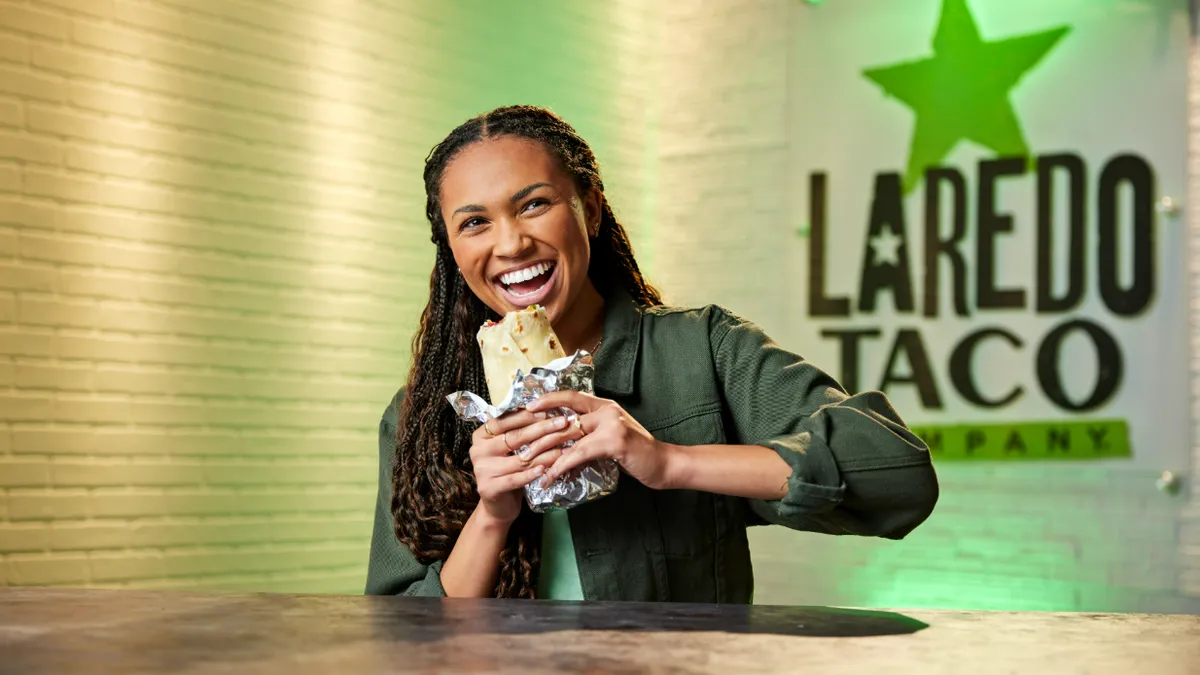
The nation’s largest c-store chains and independents alike recognize the profitability and customer goodwill that Hispanic foodservice offers.
Hispanic food demand has grown by roughly 7% over the last few years, according to Market Research Future’s Hispanic Foods Market report.
“The expanding Hispanic population continues to increase demand for familiar, culturally rooted foods, while non-Hispanic consumers are also embracing Hispanic cuisine for its bold flavors,” said Matt Hautau, vice president of merchandising for Core-Mark, which offers the Contigo Taqueria turnkey foodservice solution. Younger shoppers, multicultural consumers, and non-Hispanic “crossover” customers are all helping drive the momentum, he said.
Mexican restaurants are the third-most-popular cuisine type in the U.S., behind American and pizza/Italian restaurants, according to foodservice research firm Datassential. There are 80,000 Mexican restaurants in the U.S., accounting for 9.4% of the total market.
Additionally, Cuban-influenced foods and beverages appear on 30% of menus, noted Emily Murawski, research and insights manager for Datassential. Peruvian cuisine can be found on 17% of menus, and Colombian-inspired flavors, dishes, or beverages are on 9% of menus.
With interest growing among consumers and across restaurants, how can c-stores integrate Hispanic foods into their menus?
Growth via QSR concepts
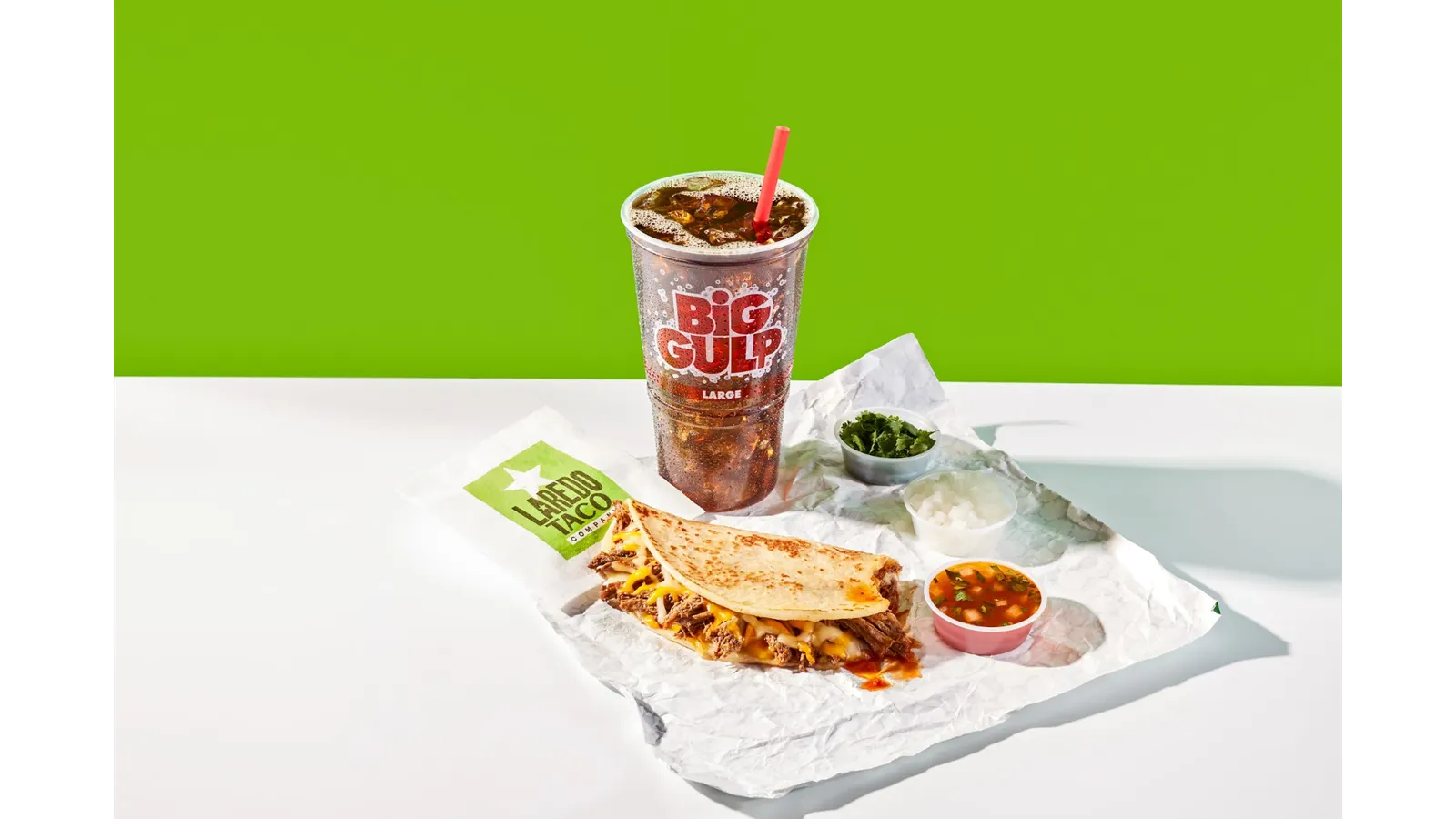
The largest c-store operator in the U.S., 7-Eleven, has already placed a significant bet on Hispanic foodservice with its Laredo Taco Company concept, which includes premium proteins like barbacoa and carne asada as well as breakfast items made with fresh eggs, the company told C-Store Dive.
“Our new larger, food-forward stores and the continued expansion of our restaurant brands allow 7-Eleven to offer a wider range of food and beverage options,” 7-Eleven said in a statement, noting that the company continues to innovate the QSR’s menu with unique partnerships and LTOs.
Independents that offer Hispanic foodservice are also benefitting by differentiating themselves from competitors in their markets.
State Line Station, a c-store in Wyoming, opened a Contigo Taqueria in April, offering a range of fare including tacos, burritos and quesadillas along with soups like Cheesy Queso and Green Chile Chicken and Rice.
“Many of the c-stores in our local area offer what is seen as traditional c-store food options (roller grill, hamburgers, corn dogs, etc.), while Contigo Taqueria provides our customers with more of a full restaurant-style experience with higher quality and better tasting options,” said Dallas Johnson, operations team lead for State Line Station.
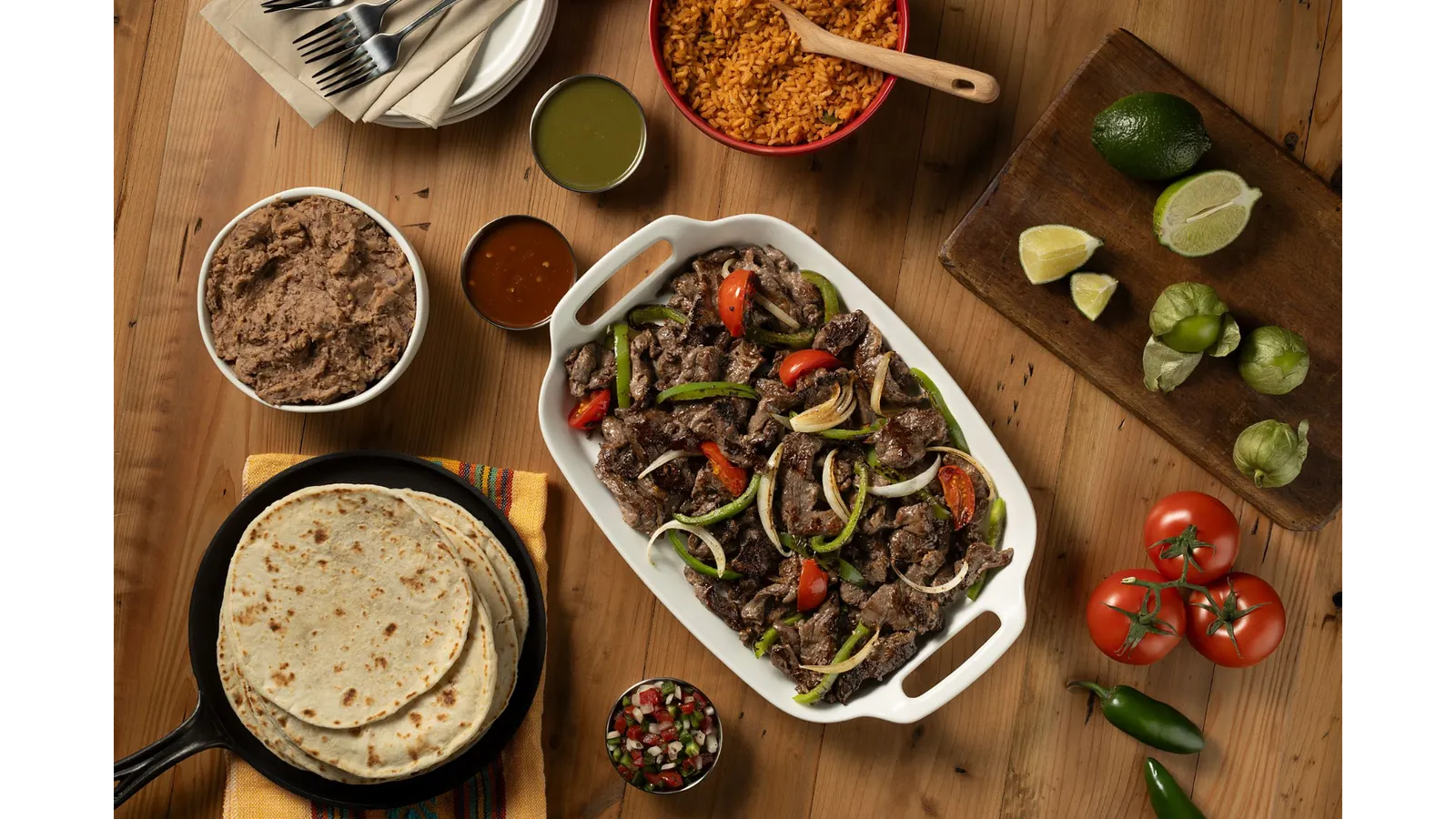
Adding Hispanic food options has had a significant impact as the company’s year-to-date foodservice sales have jumped 50% versus 2024. “Any time you experience a double-digit growth in a category, along with a reduction in overall waste expense, it is a success,” Johnson said.
Many of the Contigo Taqueria items sport a retail profit margin of between 50% and 72%, according to Johnson.
Convenience stores should consider offering Hispanic foods because the growing Hispanic population in the U.S. has increasing purchasing power, and the foods have strong mainstream appeal, Hautau emphasized.
“Items like tacos, burritos, and nachos not only attract a broader audience but also help a c-store stand out in a competitive market where traditional options such as pizza and burgers are already saturated,” he said.
Hispanic foods also fit naturally into high-margin dayparts like breakfast and snacks, making them profitable options, Hautau added.
Highlighting regional Latin American flavors
Tailoring Hispanic food to the customers in the region where a c-store operates is vital to a successful program.
“We believe that understanding and catering to local tastes is key to delivering a great customer experience,” said 7-Eleven. “Our Retailer Initiative Program empowers store operators to merchandise their stores on an item-by-item basis, optimizing offerings for local customers.”
That “hyperlocal” approach allows operators to serve items that resonate with the surrounding community. For example, 7-Eleven’s store at the corner of Preston and Alpha in Dallas heavily leans on Hispanic snacks and flavors.
Consumers are also getting more interested in regional options like Puerto Rican and Central American dishes, according to Hautau, and in turn, companies are stepping up their offerings with more regional flavors and modern grab-and-go twists on traditional foods.
“While many stores currently focus on familiar staples like tacos or burritos, expanding into regional offerings such as Mexican birria or Salvadorian-Style pupusas can help a store stand out and appeal to a wider audience,” he said.
Tips for implementing a Hispanic foodservice program
Dipping into Hispanic flavors doesn’t have to be a big undertaking.
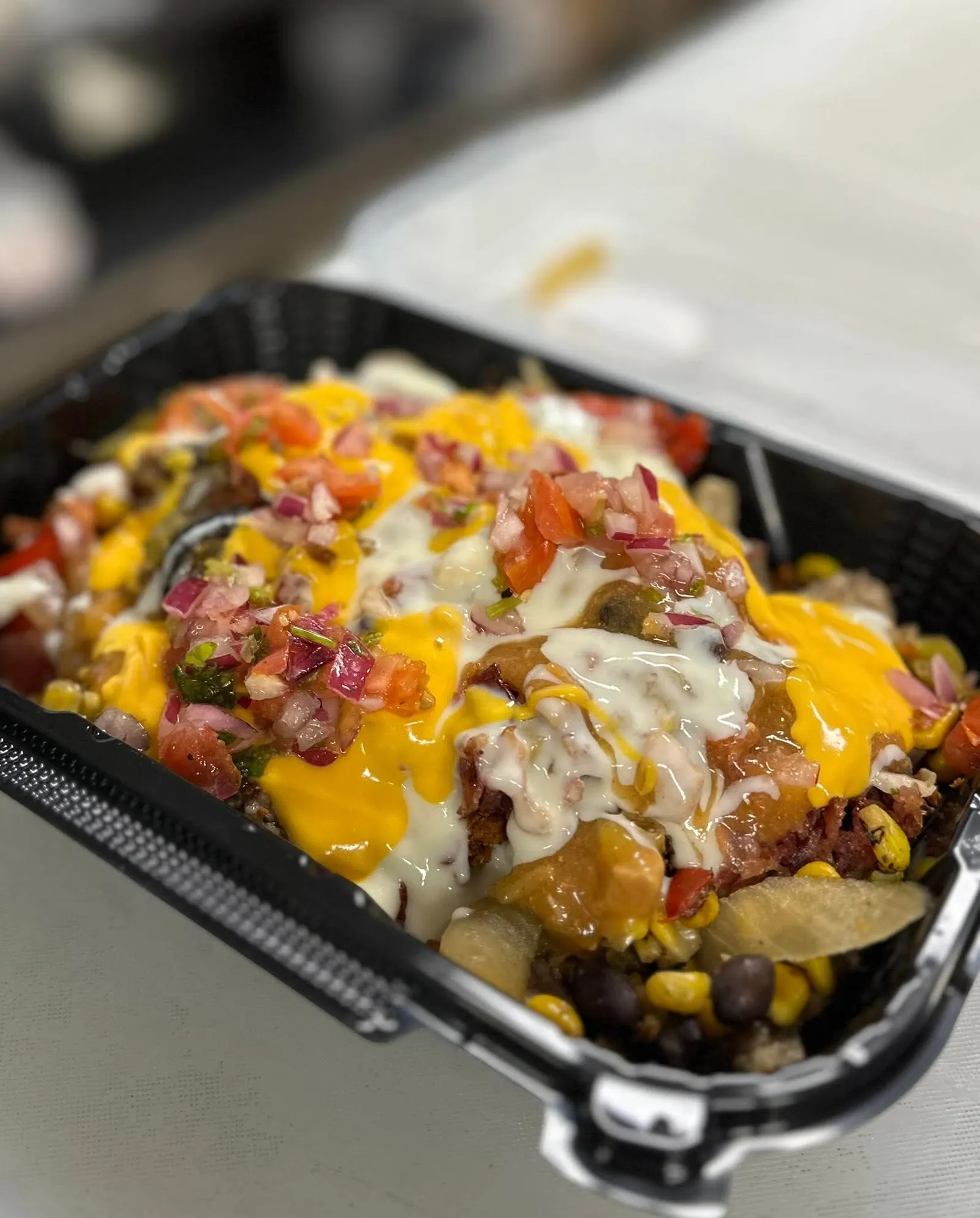
“Retailers can decide exactly how robust they want their program to be — whether starting with a simple lineup or building out a full, all-day foodservice destination,” Hautau said.
At Contigo Taqueria, the menu is “highly customizable, allowing stores to offer à la carte items for quick grab-and-go convenience or to let customers mix and match components to create combo meals,” Johnson said. Many of the items are easy to implement even in a small kitchen because they use pre-cooked or frozen components and require minimal equipment like a warmer, steamer, roller grill or small griddle.
“When Core Mark demonstrated the program for us, they operated it out of a space no larger than an office cubicle,” Johnson said. Then, when the operator implemented the program, they added a steam table to its current foodservice operations.
Other operators considering adding a Hispanic food program should “go all in,” Johnson advised.
"The lure of adding bits and pieces of the program to an already operating food service program can work, but the greatest success will be seen when you go all in and make available to your customers all of the offerings that are generally expected of a Hispanic food place.”