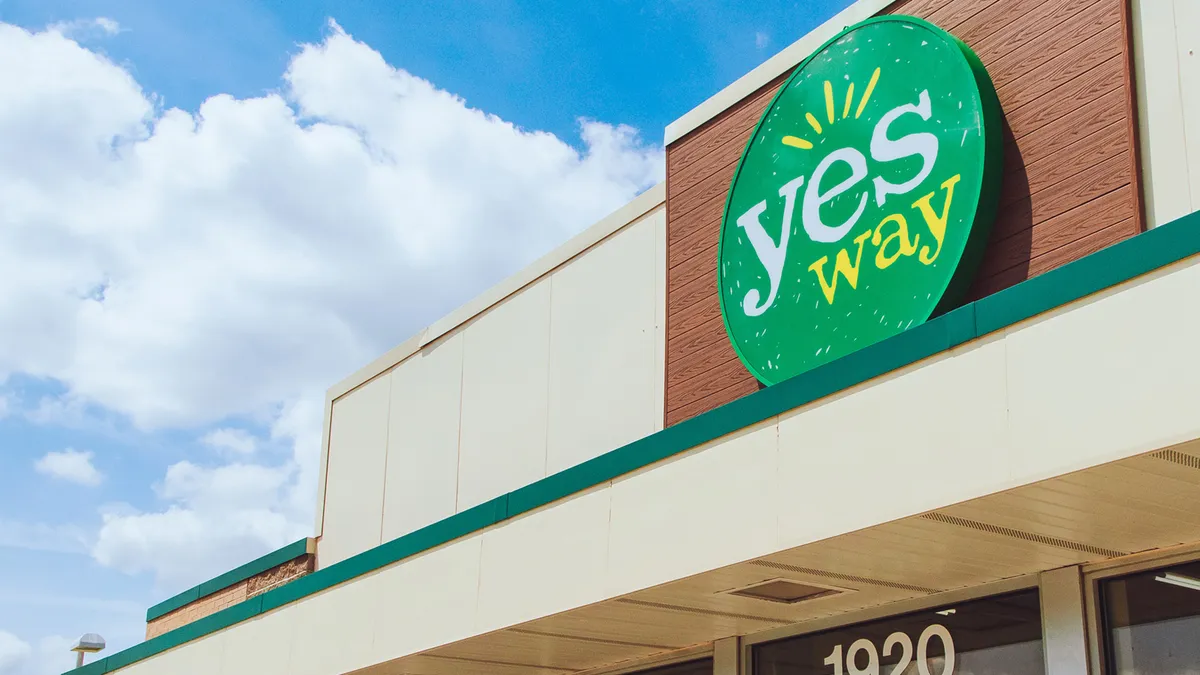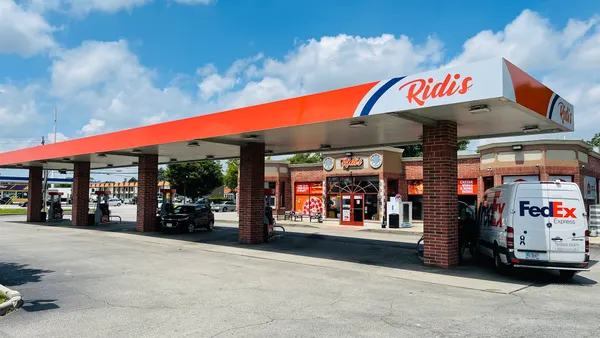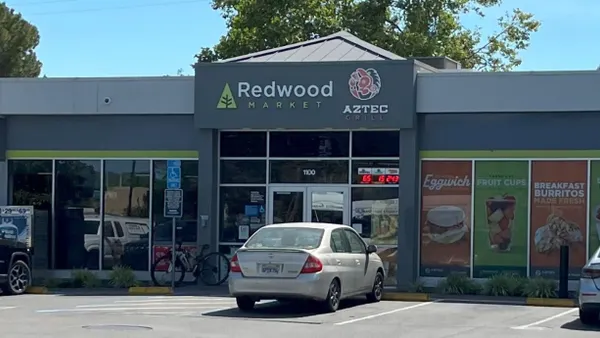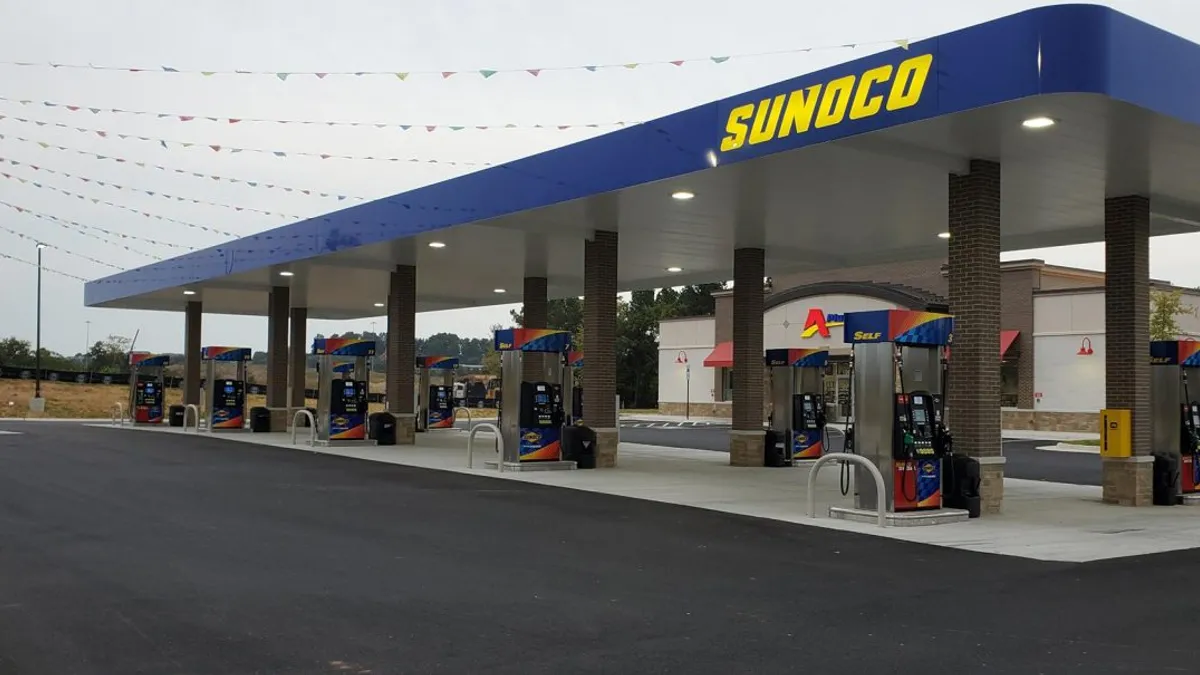
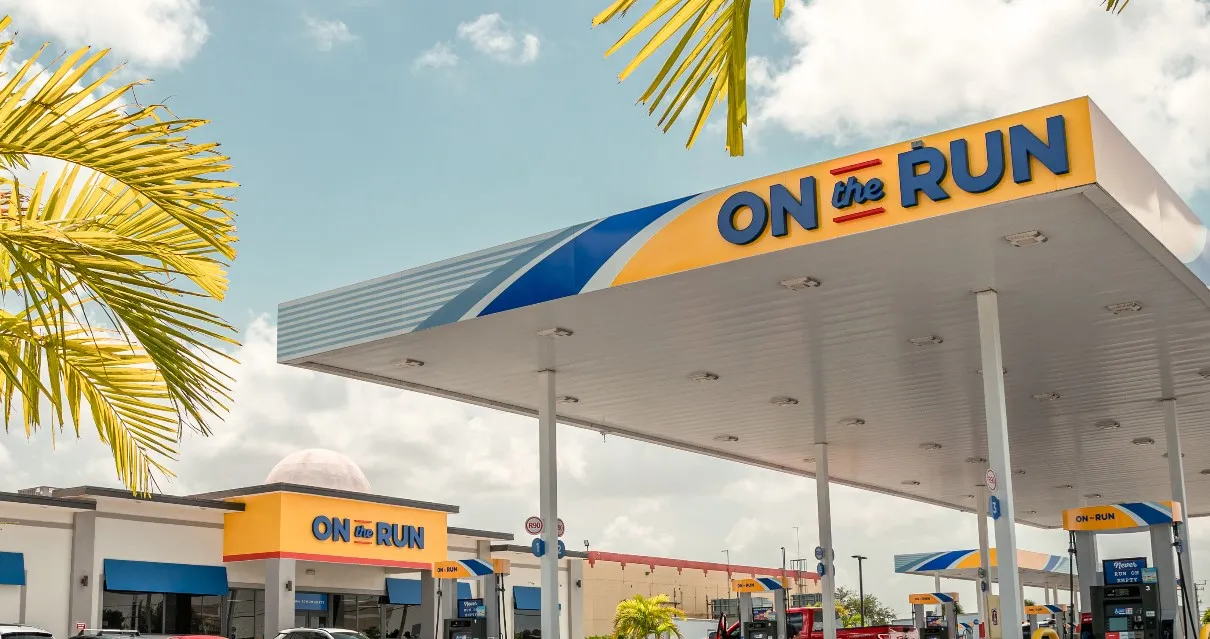
When Sunoco closed its $9.1 billion acquisition of Parkland Corp. in October, the Texas-based energy company didn’t just become the largest independent fuel distributor in the Americas. It also surpassed 300 company-operated c-stores in North America, including just under 200 in the U.S., making it one of the 50 largest chains in the country. It also added roughly 3,300 leased, dealer, franchised and cardlock sites from that deal to Sunoco’s more than 9,000 similar locations.
Given retail was not a top priority in the acquisition — Sunoco’s leadership has repeatedly touted Parkland’s fuel assets as the driving force — the c-store industry has spent the past several months pondering whether Sunoco will keep or sell the thousands of sites it acquired from Parkland.
Although the company has yet to say how it plans to handle its now expansive c-store network, signs are heavily pointing to Sunoco keeping Parkland’s c-store assets and growing its retail business.
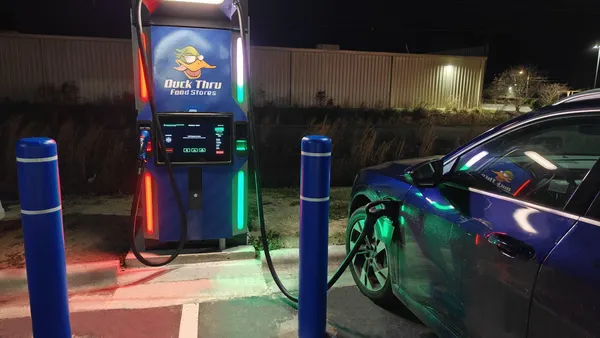
Case in point: Sunoco has already purchased 92 c-stores in the U.S. in the new year. It bought 36 c-stores and the wholesale business from East Coast c-store operator Pops Mart Fuels last month, and scooped up 56 Duck Thru sites from Jernigan Oil Company earlier in February.
Although Sunoco declined to comment on these acquisitions at the time, a company spokesperson pointed to a note in its 2026 guidance, which stated that Sunoco has a multiyear path of bolt-on acquisitions totaling at least $500 million annually.
During Sunoco’s fourth quarter earnings call on Tuesday, President and CEO Joseph Kim clarified that this $500 million doesn’t include capital for growth or “bigger opportunistic acquisitions.”
That $500 million will be used to grow Parkland’s global business through M&A as opposed to just its U.S. operations, Kim said. However, he said the U.S. still remains the foundation of its business, and Sunoco is in a comfortable enough place financially that it could spend that solely in the U.S. if it wanted to.
Kim noted that the highly fragmented retail fuel distribution industry in the U.S. offers an opportunity for more growth in the U.S. He emphasized that Sunoco is “in a very good financial position” and has the resources to spend on growth moving forward.
“As a baseline, I think you should view us as we have a solid layer of organic growth capital, and we have a solid layer of bolt-on M&A.”
When asked on Tuesday’s earnings call which business segments Sunoco plans to grow, Kim didn’t hesitate.
“All of the above,” he said. “We're going to grow our midstream business, we're going to grow our fuel distribution business, and we're going to grow in all the geographies that we're in right now.”
“As a baseline, I think you should view us as we have a solid layer of organic growth capital, and we have a solid layer of bolt-on M&A.”

Joseph Kim
President and CEO, Sunoco
Although it’s still unclear how Sunoco will handle Parkland’s c-store assets, for now, the deal is paying dividends. The $706 million Sunoco garnered in adjusted EBITDA last quarter — its first full quarter since closing on Parkland — was a company record, treasurer and senior vice president of finance Scott Grischow said during the call.
The integration of Parkland’s assets into Sunoco “is progressing well,” Grischow said, mainly alluding to Parkland’s fuel and refining businesses. However, when an investor on the call asked how they’re feeling about Parkland’s business now that the deal has closed, Chief Operating Officer Karl Fails also complimented the non-fuel assets, hinting that growth may be on the horizon for those segments as well.
“I'd say from the other parts of the business that we picked up, I think we're equally excited,” Fails said.