Frank Beard is a longtime convenience retail enthusiast who currently works in marketing for Rovertown. His column, The Road Ahead, examines innovation in the c-store industry.
I just had the best food that I’ve ever eaten inside of a convenience store.
As someone who’s visited more than two thousand stores across the United States over the past decade — along with a handful in a few other countries — that’s not a claim I make lightly. There’s a lot of great food in convenience stores. It’s why, back in 2016, I was able to comfortably spend 34 days eating at stores across nine states to make a point about healthy on-the-go options.
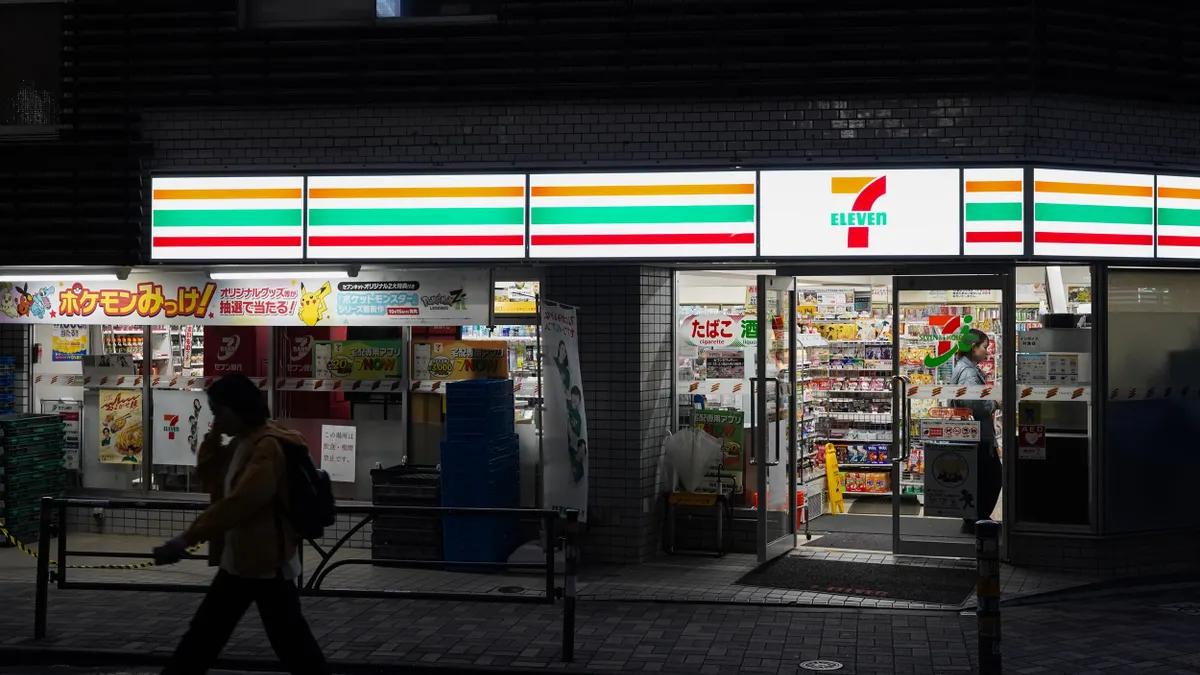
But the food I just ate really was the best, and it wasn’t from one chain or even one store. It was the food available at every convenience store I visited in Japan.
As someone involved in several hobbies that invariably lead to the thought, “I should visit Japan,” I was already aware that Japanese convenience stores have a reputation for being some of the best in the world. But I wasn’t prepared for just how good they are — or the fact that so many people seem to miss why that is. Their excellence is not due to the presence of a few signature products like egg sandwiches and Fami-Chiki, or the fact that they sell other unique food like fruit sandos and onigiri. Those are outcomes of a deeper and more fundamental story.

The fact is that Japanese convenience retailers have already cracked the code on foodservice. And they did it because the entire industry, led by the country’s three largest chains, created a national standard of fresh, affordable, high-quality food that’s designed for everyday consumption.
Everyone eats at these stores. Not just a few niche groups, but salarymen, tourists, business travelers, retail workers, people running errands, students heading home, families catching a train. According to an Asahi Group Foods survey, roughly a third of Japanese women eat at convenience stores at least three times a week. Bear in mind that this is in a country with arguably the best restaurant scene anywhere in the world, particularly in cities like Tokyo and Osaka. The fact that their convenience stores are viewed as destinations for food shows that they’re exceptional.
I didn’t fully appreciate this until I experienced it firsthand. Imagine if Pret a Manger suddenly scaled to 50,000 locations, priced their food for everyone and built a supply chain that can replenish each location three or four times per day with fresh food. Then imagine it’s even better than that.
That’s the Japanese convenience store model.
And the thing I can’t stop thinking about is that they achieved this without emulating the American quick-service restaurants.
What if Fast Food is the New Gas Station Food?
Motor fuels are the keystone category of the American convenience store, but food is rightfully seen as the largest opportunity for growth and differentiation. It’s easy to see why. As my friend Scott Annan likes to say, people eat at least three times a day — creating over a thousand sales opportunities each year.
But retailers have stiff competition. Many Americans have already built habits around QSRs. The CDC estimated a few years ago that 32% of US adults over the age of 20 consume fast food on any given day. More recently, NACS data suggested that 28.7% of convenience store customers leave to make a second stop at a QSR.
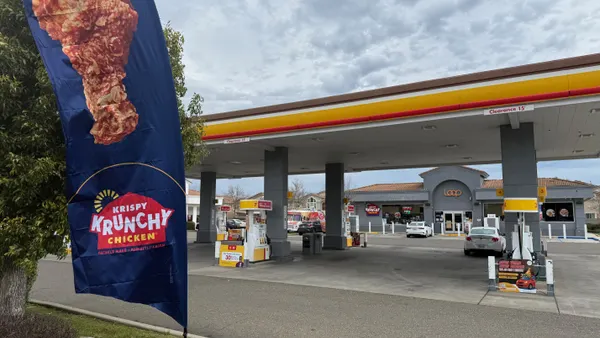
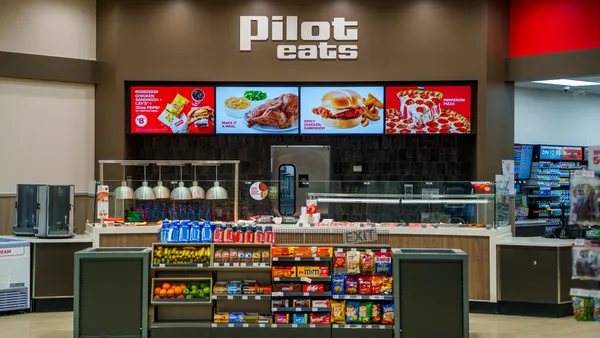
That’s why it’s unsurprising to see retailers investing in food programs that seemingly borrow from the fast food model. Hallmark elements include large kitchens, food prepared on-site, limited menus built around indulgent and calorie-dense products like pizza, burgers, burritos, fried chicken, and even coffee diluted with pumps of sugary syrups.
I’m beginning to wonder, however, if that’s the right path forward. On one hand, retailers aren’t going to out-McDonald’s McDonald’s or out-Starbucks Starbucks. These are ruthlessly efficient, marketing-led organizations with enormous scale. And more fundamentally, I’m not sure that c-stores should even if they could.
Consider what you value when it comes to your food. On any given week, what do you expect in terms of taste, quality, caloric load, nutrition and variety? My guess is that whatever you value, it’s directly at odds with the menus at nearly every fast food chain in America.
The fast food industry does not sell food designed for daily living. I’ve lived that life, and I wouldn’t recommend it to anyone. As it turns out, many of the quick-service chains quietly admit this as well. We all know the feeling of being surrounded by drive-thrus, wondering why there’s nothing good to eat.

That’s why it’s a problem when the fast solutions are all fast food. Modern life means many people are on-the-go for work, looking for something quick between two jobs, or just too tired or stressed to prepare something at home. Our communities need more than grocery stores. They also need access to convenient, affordable food that supports daily life.
And where better to get that than the convenience store?
The theme in everything I’ve written and spoken about over the past decade is that convenience stores are the optimal format for the immediate needs of daily life. Doesn’t it follow, then, that the food should probably also support daily life?
This isn’t the old debate about healthy versus indulgent foods. Reasonable people are going to feed their souls too, not just their bodies. But shoppers are beginning to expect more from their food, and they’re asking different questions about things like the quality and provenance of ingredients, or how much processed food is too much. The fast food model came from a different era.
That’s why I shook my head when someone recently suggested that one of the major convenience store chains could bring some innovation to their banner by acquiring Pizza Hut, which has seen same-store sales declines for the past seven quarters.
Allow me to offer an alternative suggestion. If retailers adopt the fast food model, they risk recreating the very thing that they’ve spent decades distancing themselves from: the perception of “gas station food.”
When the Food Reflects the Format
There’s a lot U.S. c-store operators can learn from Japan.
It’s not a story of egg sandwiches, but rather a proof of concept that convenience stores can become foodservice destinations by being the best versions of what they already are. It’s also a story of what happens when systems and products grow out of a belief that food, even at its most ordinary, should be thoughtfully made, consistently executed and worth taking pride in.

I also saw elements of this in their specialty coffee shops. I spent time in twenty-two of the shops on the forefront of that scene, and the precision, attention to detail, and humble sense of pride was something I’ve only otherwise experienced at Nashville’s Now and Then — which is itself inspired by Japanese kissa bars and omakase experiences.
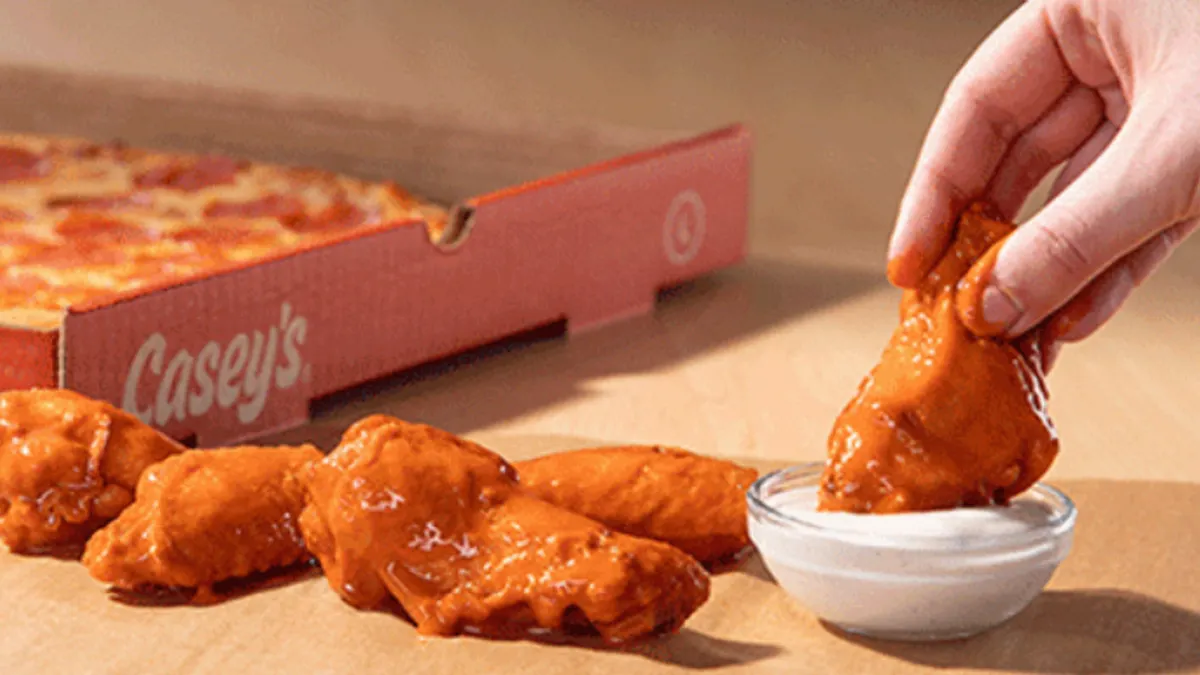
Maybe that’s the real takeaway. Pride. When I look at the industry back home, the retailers who are proud of their food are the same ones who operate the best stores. That’s why my wife and I love the Casey’s on Mills Civic in West Des Moines, why I stop at Kwik Trip when I drive to Minnesota and why I’m such a fan of Louisiana’s Shop Rite and their Bourbon Street Deli locations. Because when you’re proud of your food, that leads to experimentation, innovation and ultimately setting the standards that everyone else is expected to follow.
Perhaps in another decade, the story will be that convenience retailers didn’t just go toe-to-toe with QSRs, but outcompeted them by serving the everyday food their menus never offered.