3 Big Numbers is a weekly column that looks at a few key details from around the c-store industry.
Casey’s General Stores wrapped up its three-year plan at the end of fiscal 2026, which ended April 30. The plan targeted five key areas: growing its store count, accelerating its foodservice business, improving operational efficiency and building on its financial strength and community-first culture.
“We've now completed that plan, and I'm extremely proud of the growth of the organization, as well as meeting and exceeding our financial goals,” President and CEO Darren Rebelez said during Casey’s quarterly earnings call on Wednesday.
So how did Casey’s do?
In this week’s “3 Big Numbers” we look back at Casey’s three-year plan and how well the retailer performed toward its goals.
423
The number of stores Casey’s added over the three-year plan.
Casey’s initially set a goal of opening 350 stores as part of its three-year plan. At the time, that seemed like an impressive number.
Imagine the industry’s surprise when, one year into the plan, Casey’s boosted that target to 500. Of course, the company was in the midst of its acquisition of Fikes Wholesale and its CEFCO c-store arm at the time — a deal that would add almost 200 stores, covering more than half the expected three-year expansion in one fell swoop. But Rebelez noted that the company had ultimately opened more than the targeted 500.
So why is the total less than that? Casey’s was also closing and selling some stores over that time period, including 41 stores in the last year.
5%
Casey’s reduction in store labor hours over the three-year span.
Another focus of the three-year plan was improving operational efficiency.
Rebelez noted in the earnings call that Casey’s cut its store labor hours — or the total number of hours people worked at its stores — by 5%.
He also pointed out that the company has improved turnover by 70 percentage points, meaning that Casey’s is losing fewer workers each year and saving money on training new hires.
“We have done a great job identifying opportunity areas to make the stores more efficient, while improving overall guest satisfaction with strong team member engagement,” Rebelez said.
5.2%
Casey’s year-over-year prepared food sales increase.
Casey’s also wanted to build on its already notable foodservice reputation. The retailer planned to do that by introducing more proprietary menu items to keep customers coming back.
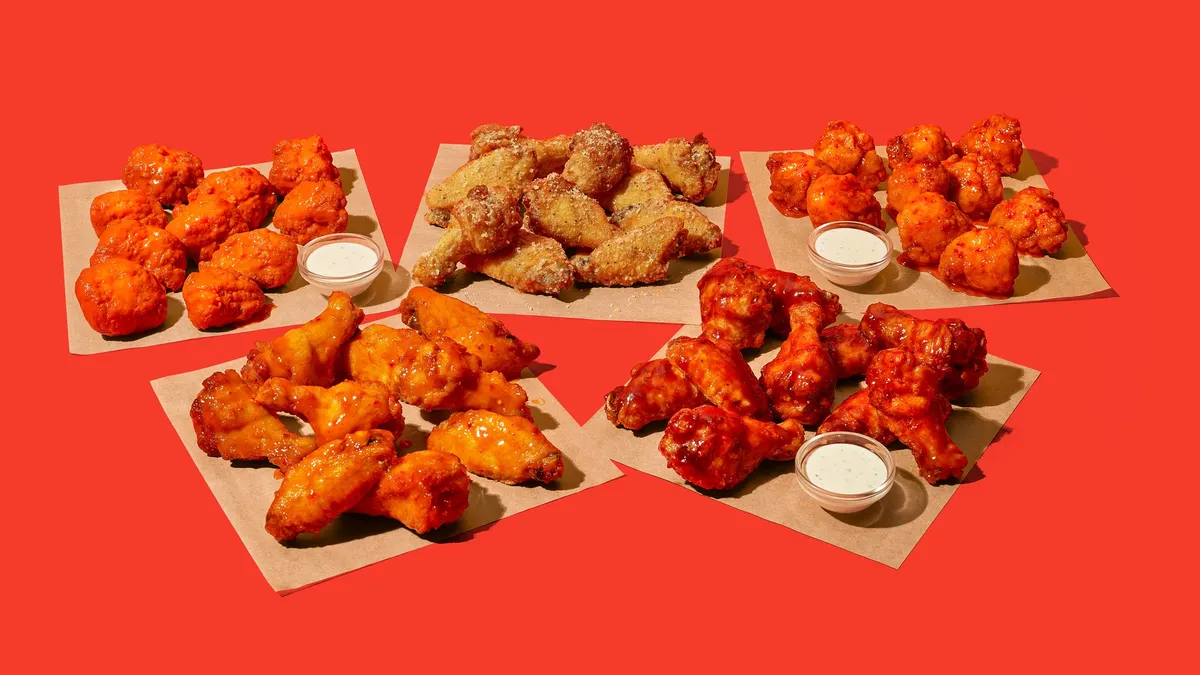
Over the last three years, the retailer debuted thin crust pizza, launched several new beverage programs and introduced fresh categories to its pizza-heavy menu, like sandwiches, wings and fries.
Despite tight economic times, the company managed to grow its prepared food and dispensed beverage business by 5.2% from fiscal 2025 to fiscal 2026, according to the company’s earnings release.
Rebelez highlighted the wings as being particularly valuable to the company’s foodservice growth.
“When a guest orders wings on their own, they have increased their prepared food order frequency by 30%,” said Rebelez. “So that's a really good fact pattern for us. We really like to see that trend, and we'll continue to try to reinforce that.”