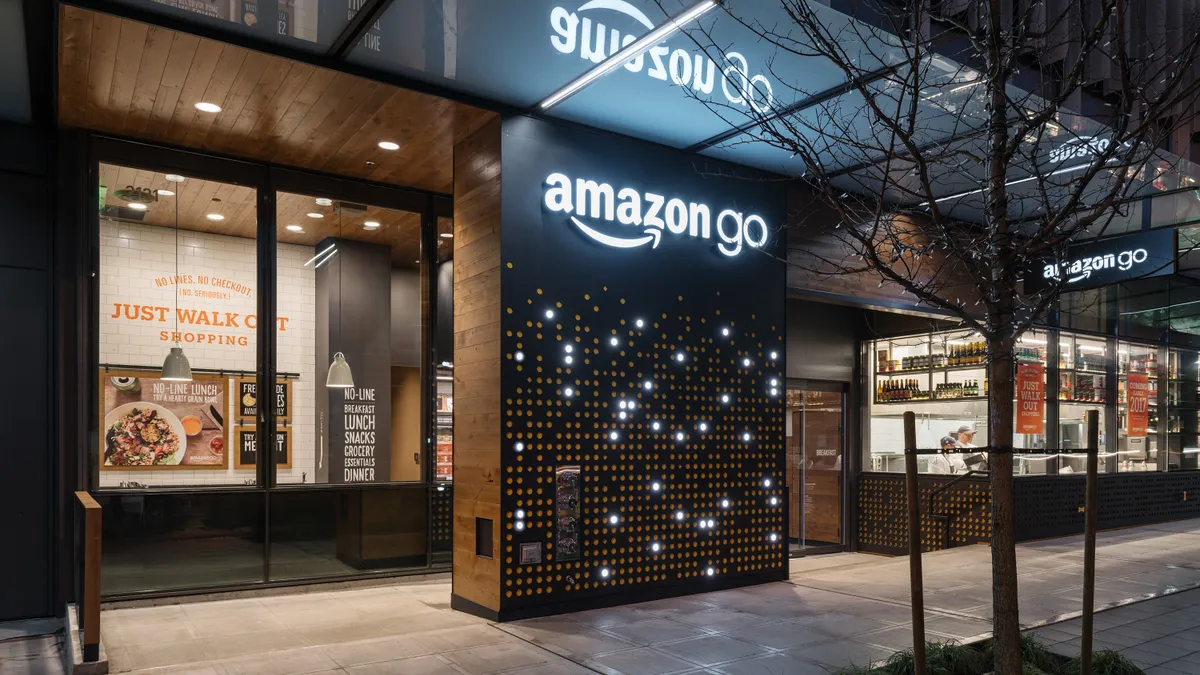
Amazon Go took the c-store industry by storm when it debuted its frictionless locations in 2018. Powered by parent company Amazon’s Just Walk Out technology, the concept was unheard of: Simply walk into the store by scanning a credit card, grab what you want and leave.
The concept peaked with about 30 locations across urban areas such as Seattle, Chicago and New York by 2023. But store closures began not too long after, with the company’s top leaders saying Amazon Go and its Amazon Fresh grocery chain needed to better differentiate from competitors and improve their financial performance.
By early 2025, Amazon had cut about half of its Go c-stores, and a couple months after that, it merged the corporate teams behind its Go and Fresh brands, resulting in layoffs on both sides of the business.
But even with the challenges at hand, it was still surprising when Amazon announced on Tuesday that its Go and Fresh brands would cease operations.
In the announcement, Amazon said it hadn’t “yet created a truly distinctive customer experience with the right economic model needed for large-scale expansion” among Amazon-branded physical stores. It said it plans to convert some of its Go and Fresh stores to its Whole Foods Market grocery brand.
Beyond the lack of differentiation, Amazon Go’s implosion underscores another challenge that has set back some of the industry’s most popular players — and even driven some out of business: If convenience retailers aren’t selling gasoline, they likely aren’t making enough money.
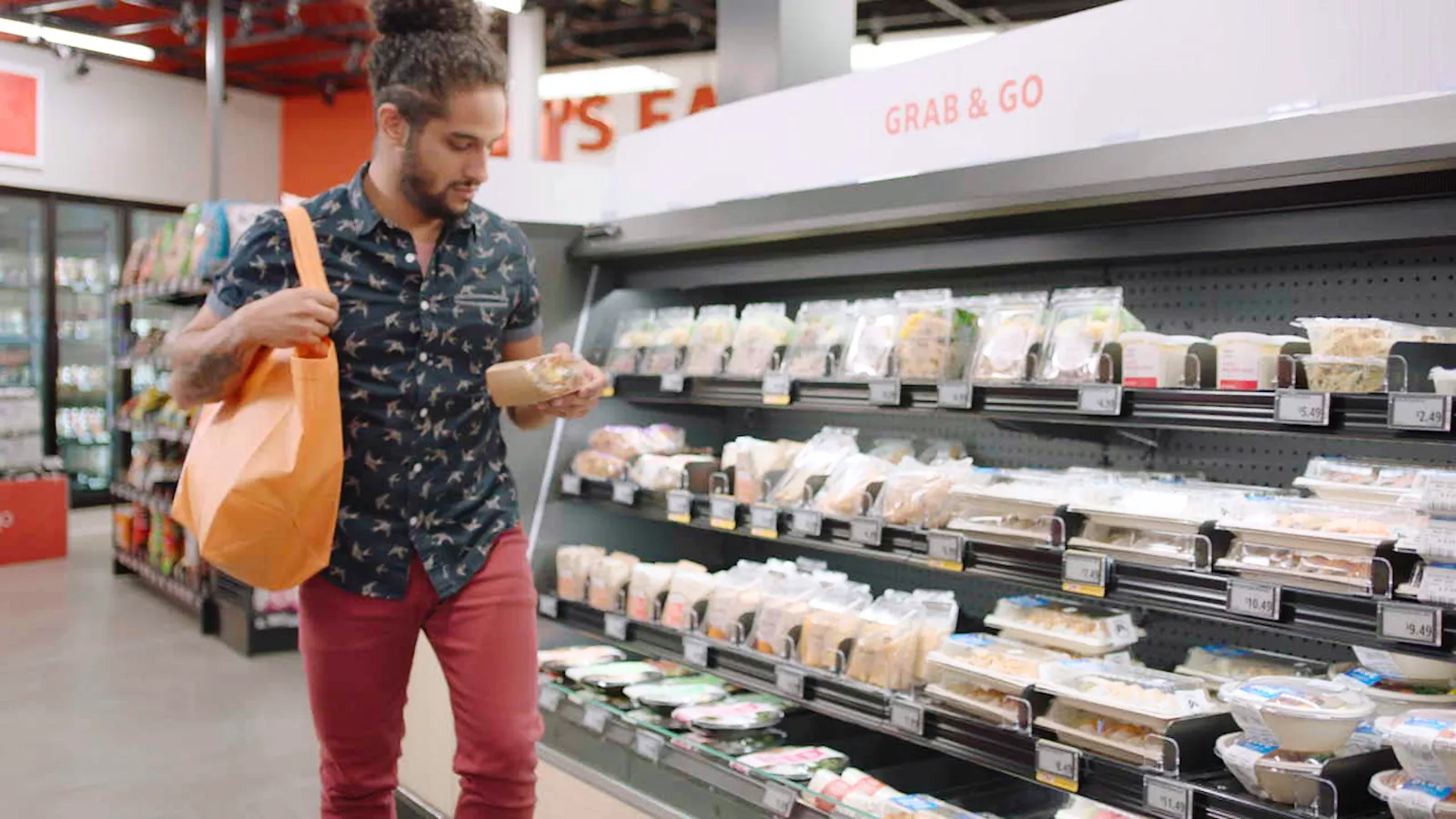
Although fuel-less c-stores became popular among operators a handful of years ago amid growing consumer expectations for fresh food and the rise of electric vehicles, U.S. retailers have struggled to keep these types of locations open and profitable.
Major retailers such as Wawa, QuikTrip, RaceTrac and the since-defunct Kum & Go experimented with fuel-less c-stores in densely populated areas, with most of these sites closing their doors due to poor performance. In 2024, Denver-based Choice Market, an upscale convenience retailer that became one of the faces of the fuel-less c-store trend, ceased operations after several years in business. Even 7-Eleven, which has thousands of fuel-less c-stores across the country, has struggled tremendously to turn a profit in the U.S. in recent years, and many of its new large-format c-stores the company is betting on to spark a turnaround offer fuel in the forecourt.
During last year’s NACS Show in Chicago, Chris Rapanick, managing director of NACS Research, said the average c-store would lose about $700 or $800 per month if it weren’t for high fuel margins.
According to NACS’ 2026 store count data, the number of convenience stores in the U.S. that offer fuel is at its highest level in eight years. Roughly 81% of c-stores nationwide sell fuel, and about 80% of the fuel purchased in the U.S. happens at a c-store, according to the study.
“The stores that are selling fuel have grown, and the stores that aren’t selling fuel have closed,” Rapanick said at last year’s NACS Show.
Amazon Go now joins that list of fuel-less retailers shutting their doors. Although its lack of fuel by no means is the only reason for its demise, Amazon built a c-store chain where fuel — the primary driver of visits to c-stores in the U.S. — was never part of the business model.
In other words, it’s possible that Amazon simply never gave customers a reason to visit its convenience stores in the first place.