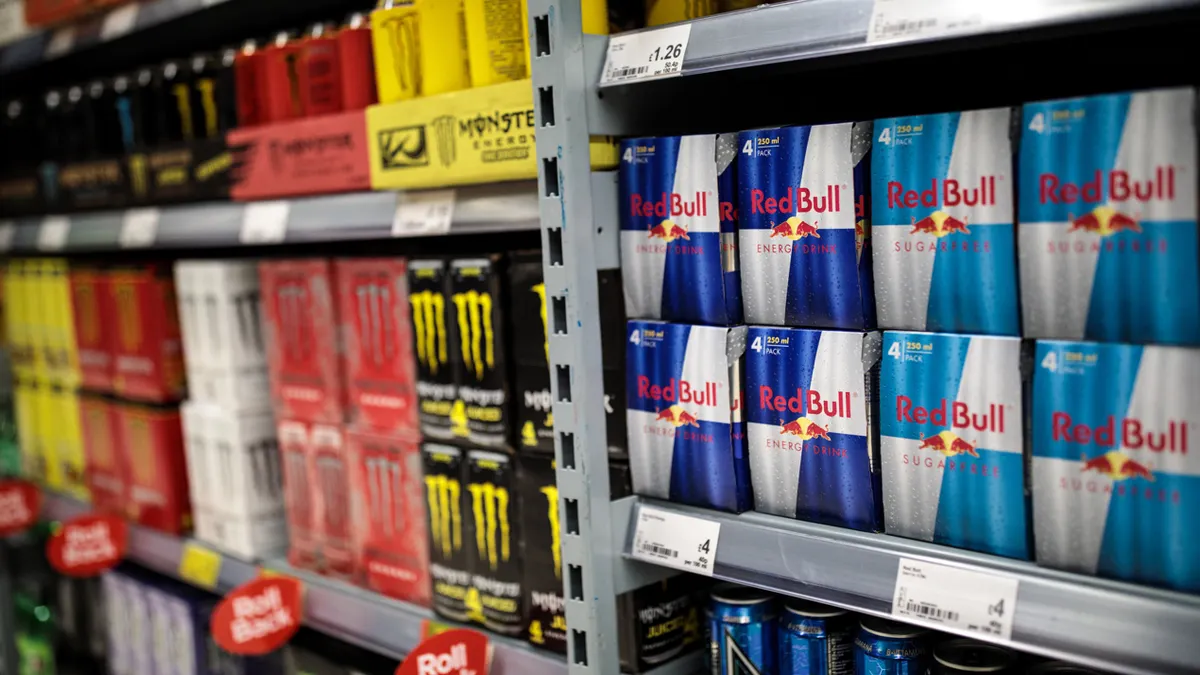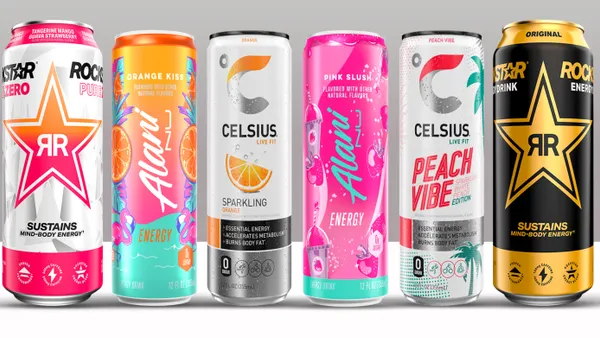
Americans are obsessed with caffeine and energy, and c-stores are answering the call for more options. From energy shots to caffeinated waters to the ability to juice fountain drinks with energy shots, c-stores are one of the top places consumers look for energy on the go.
“Caffeine fits c stores’ core strength: urgency, portability, and immediate payoff,” said Sally Lyons Wyatt, global executive vice president and chief advisor of consumer goods and foodservice insights for Circana. The market research firm has seen growth for the convenience store channel in cold energy drinks and refreshers, single-serve RTD coffees and teas, and small-format functional beverages designed for “right now” consumption.
Some c-stores chains allow customers to add energy shots or caffeine to their beverages. And modern soda brands blend caffeine with gut health, low sugar, and natural ingredients, blurring the lines between soda, energy and wellness drinks, per Lyons Wyatt.
In 2025, 17% of foodservice operators added more caffeinated beverages or beverages with energizing ingredients to their menus, according to data from Datassential.
“Consumers are looking for ways to boost their energy and alertness across the day,” Lyons Wyatt said. “There is a need due to sleep, stress, and schedule fragmentation.”
Plus, post-Covid norms, hybrid work, longer days and more late-night activity, especially among Gen Z and Millennials, fuel demand for caffeine across all dayparts, not just mornings, Lyons Wyatt explained.
Not to mention the “mental performance pressure” increasing numbers of people are under. Focus, productivity, mood support, and alertness are increasingly prioritized alongside physical energy, Lyons Wyatt said. "In short, caffeine has become infrastructure for modern life, not just a stimulant.”
Caffeinated beverages lead the way
While foods with added caffeine are becoming more popular — for instance, AWAKE chocolate partnered with 7-Eleven to add its extra-caffeinated chocolates at 2,000-plus stores nationwide — consumers are primarily looking to beverages for their energy boost.
Americans are seeking beverages with “stacked value,” or a combination of multiple benefits, Lyons Wyatt explained. This could be hydration plus caffeine, protein plus caffeine or energy, and more. “We also see beverages replacing meals and snacks — protein shakes, energy drinks, refreshers, and functional beverages are increasingly consumed as breakfast, lunch replacements, or snacks,” she said.
As a result, “refreshers" from chains such as Starbucks and Dunkin’ now rank among the most popular energy/sports beverages in QSR, often outselling traditional energy drinks in foodservice, per Circana.
"Caffeine has become infrastructure for modern life, not just a stimulant.”

Sally Lyons Wyatt
Global executive vice president and chief advisor of consumer goods and foodservice insights for Circana
The category, which Datassential defines as caffeinated beverages that are not traditional coffee, tea or energy drinks and are often fruit-flavored, is increasingly recognized as a distinct segment within the non-alcoholic beverage market. In fact, the share of consumers using refreshers to replace other caffeinated beverages rose from 28% to 34% between 2024 and 2025, according to Circana. Convenience retailers are increasingly dipping into the category, with chains like Wawa, Dash In and QuickChek offering a variety of the fruity drinks.
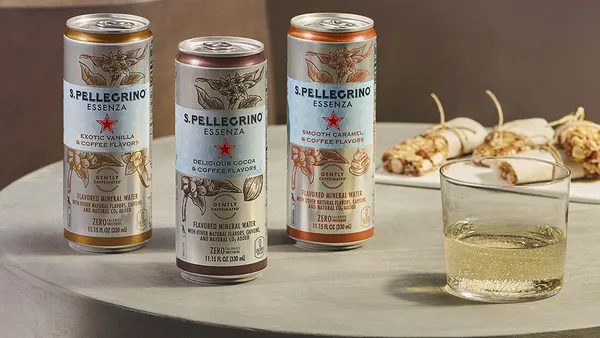
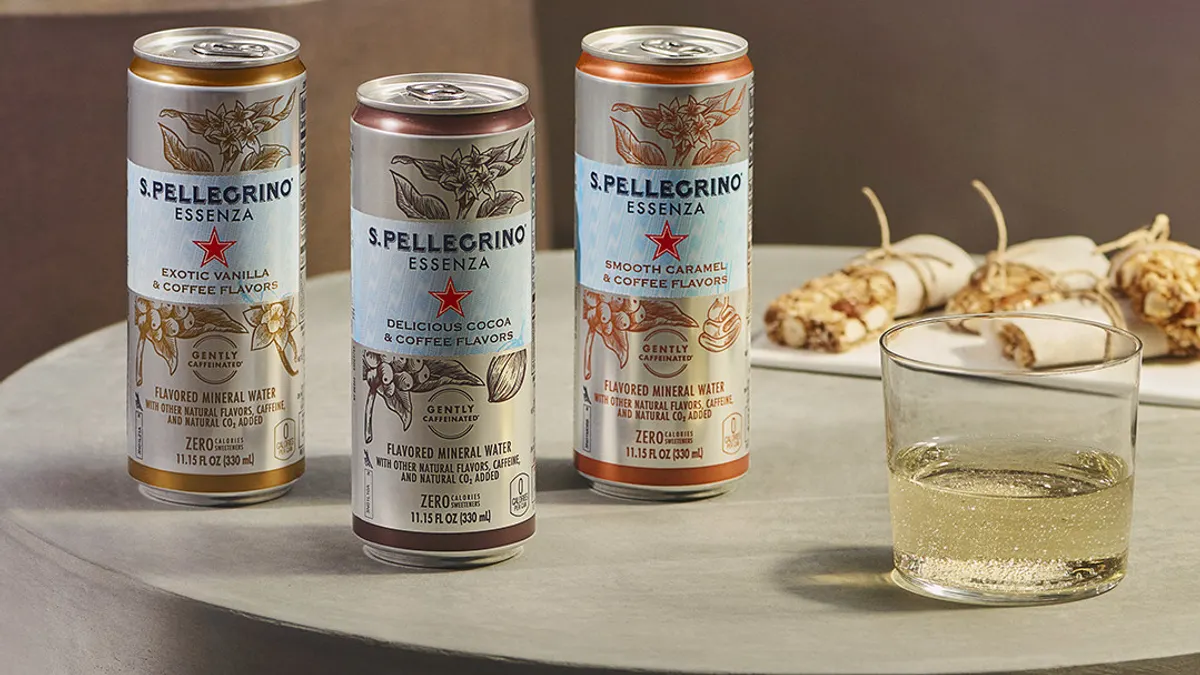
The growing usage of GLP-1 medications for weight loss and Americans’ growing interest in improving health is also fueling interest in caffeinated waters and other functional beverages.
“Hydration + energy combinations appeal to consumers focused on wellness, weight management, and mindful consumption, which overlaps with GLP-1 usage trends — even when not explicitly stated,” Lyons Wyatt said.
Lower calorie, lower sugar beverages that grant energy and can potentially serve as meal or snack replacements can help support those interests as well, Lyons Wyatt emphasized.
For instance, 29% of consumers see functional flavored water as a healthier substitute for energy beverages, according to Datassential. Around 52% of consumers were interested in caffeinated water in 2023 and 2024, increasing to 55% in 2025, per Datassential, with Gen Z and Millennials leading the growth.
Beyond beverages
Customers don’t have to buy their caffeine in beverage form. Interest in powders and concentrates reflects demand for customizable, portable energy solutions, with sales growing roughly two times faster than liquids in brick and mortar retail, per Circana.
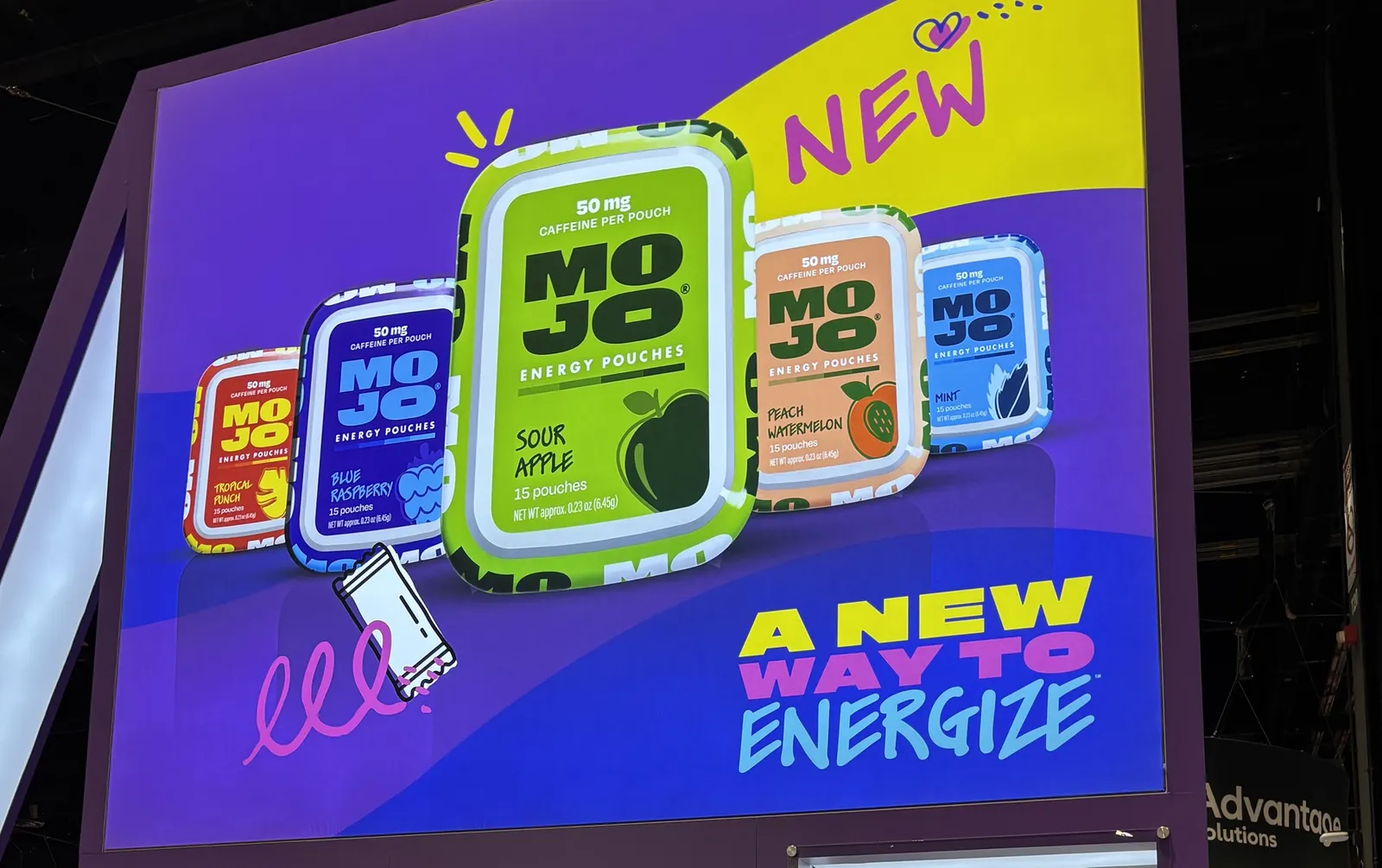
At the NACS show last October, MoJo showcased a line of flavored caffeine pouches that offer 50 milligrams of caffeine and come in flavors like sour apple, mint and peach watermelon.
At the same show, Café Valley Bakery showed off its Beast Mode energy cakes, a product developed in partnership with former NFL player Marshawn Lynch that offer a caffeinated confection in flavors like chocolate and lemon.
“Products outside the traditional energy segment are incorporating functional ingredients that deliver energy‑like benefits, creating new competitive pressures for established energy brands,” Lyons Wyatt said.
Merchandising success for caffeine, energy products
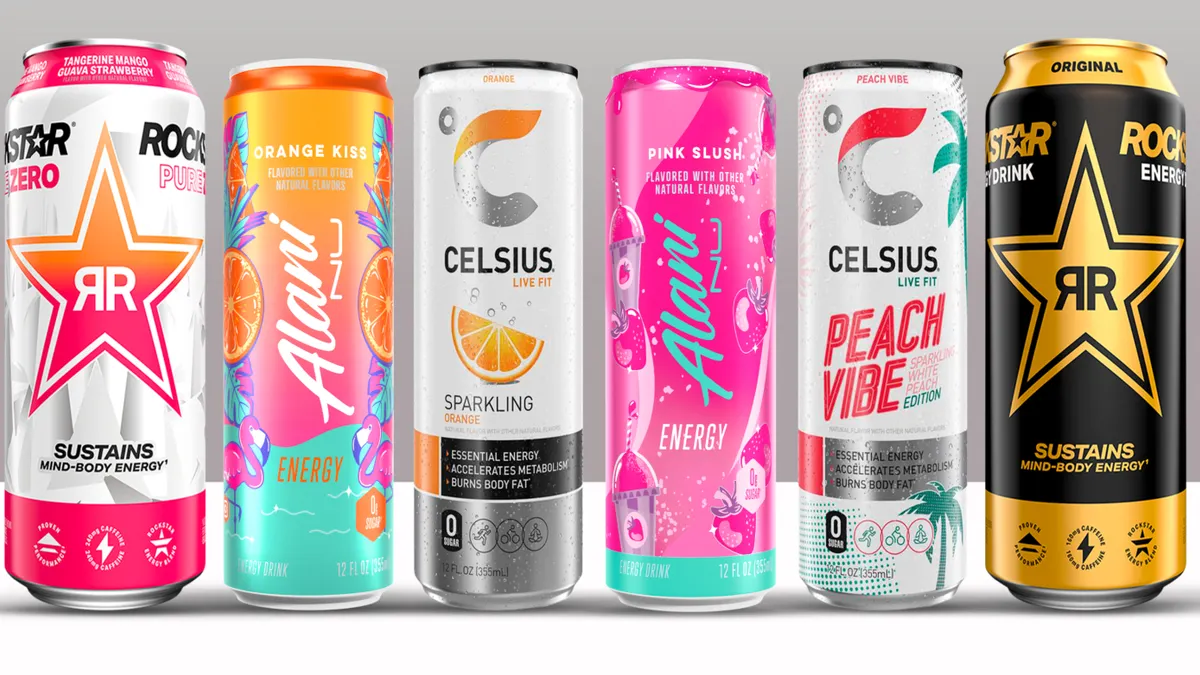
C-stores should continue to allot plenty of space for energy drinks, including plant-based and zero-sugar options, along with caffeinated waters and teas, RTD coffee and tea, refreshers and lemonade-based energy beverages, drink mixes, along with shots for on-the-go energy boosts, Lyons Wyatt recommended.
“Protect energy’s space, but curate smarter,” she said.
A Goldman Sachs survey in January found that retailers expect to add about 2.4% more space for nonalcoholic beverages on average.
Operators should also use limited time flavors and collaborations to encourage experimentation among younger consumers, per Lyons Wyatt.
“Keep [the] assortment fresh. Energy is trend sensitive and fast moving,” she said.
Merchandising by occasion and the customer’s need state, rather than by aisle, is the best strategy, according to Lyons Wyatt.
“Consumers don’t shop for ‘energy drinks’; they shop for alertness, stamina, focus, and mood across coffee, soda, water, and functional beverages,” Lyons Wyatt said. “Brands and retailers that align energy solutions to specific occasions — morning, midday slump, social, workout, or snack replacement — will outperform those stuck in traditional beverage silos.”