Asia, and South Korea in particular, is having a huge impact on American culture.
Look no further than the popularity of KPop Demon Hunters on Netflix, the sold-out U.S. leg of Korean boy band BTS’s latest tour and the growth of K-beauty, the umbrella term for South Korean skincare products. K-beauty sales in the U.S. are worth $2.4 billion, up 46.7% from a year ago, according to NielsenIQ.
Then there’s the growing interest in Asian foods and flavors on menus — four of the top five dishes in Technomic’s Menu database are Asian — and the exponential expansion of Asian supermarkets like H Mart, 99 Ranch Market, Mitsuwa Marketplace and Patel Brothers, which are seeing huge growth.
Now, Asian, and in particular Korean, convenience stores are embarking on what might be a similar trajectory.
“The growth and interest in Asian cuisine and culture has continued to maintain momentum in the U.S.,” said Amanda Lai, associate partner at McMillanDoolittle, a Chicago-based retail consultancy. “Some of it is driven by the demographic shifts and the cultural interest, in conjunction with how easy it is to access TikTok or Instagram reels that give you a peek into the lives of other Gen Zs.”
The Korean c-store trend is gaining momentum
Four years ago, June Kang opened the first Busan Mart in Tempe, Arizona. He now operates three stores in that state with three more set to open this year. He said he hopes to soon expand beyond Arizona, as well.
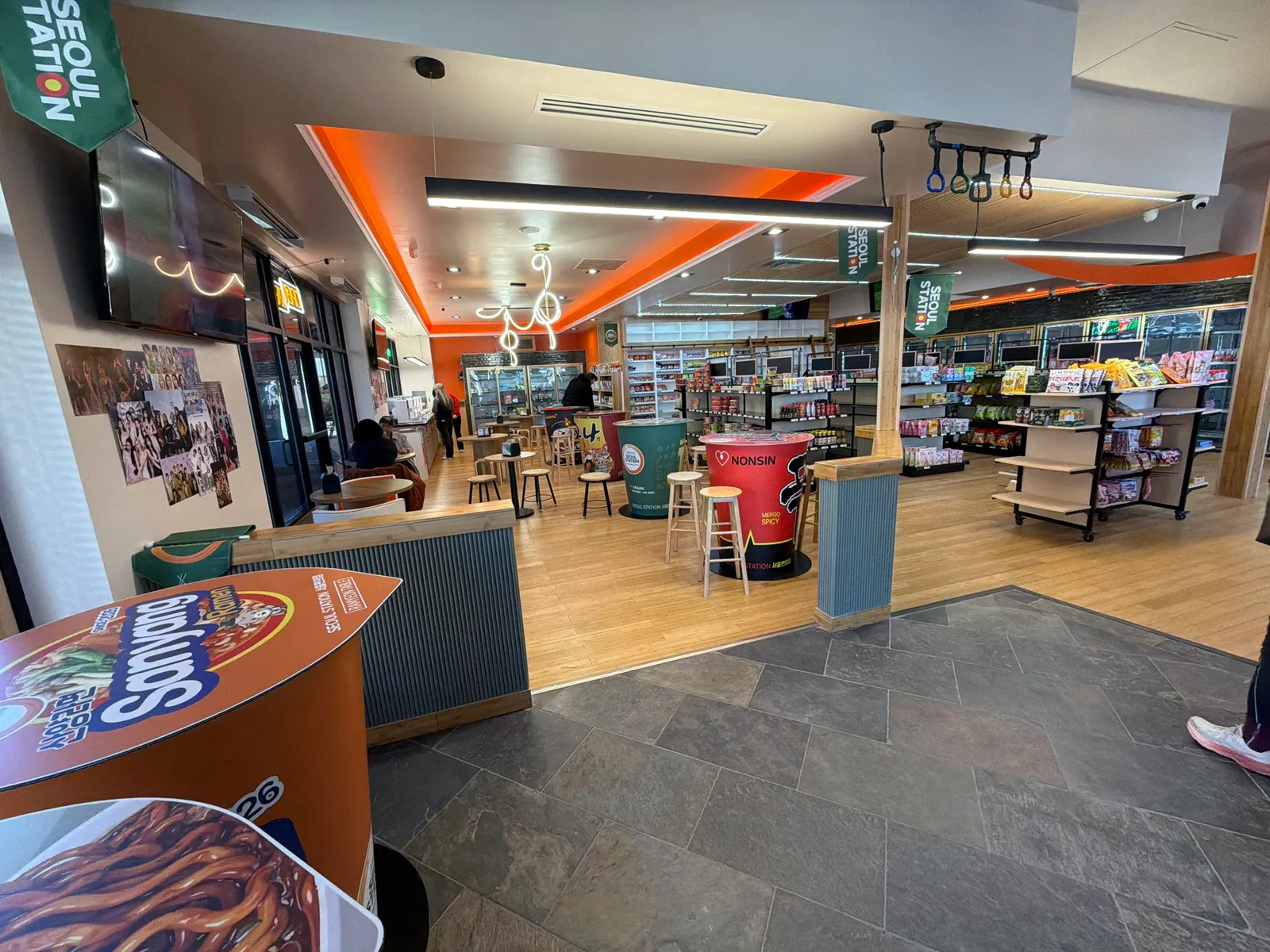
Over in Aurora, Colorado, Seoul Station opened its doors a year ago. It recently opened its second location in Colorado Springs, with a third to launch this year in Lakewood. The stores are busiest on weekends, said COO Rose Lee, and after school.
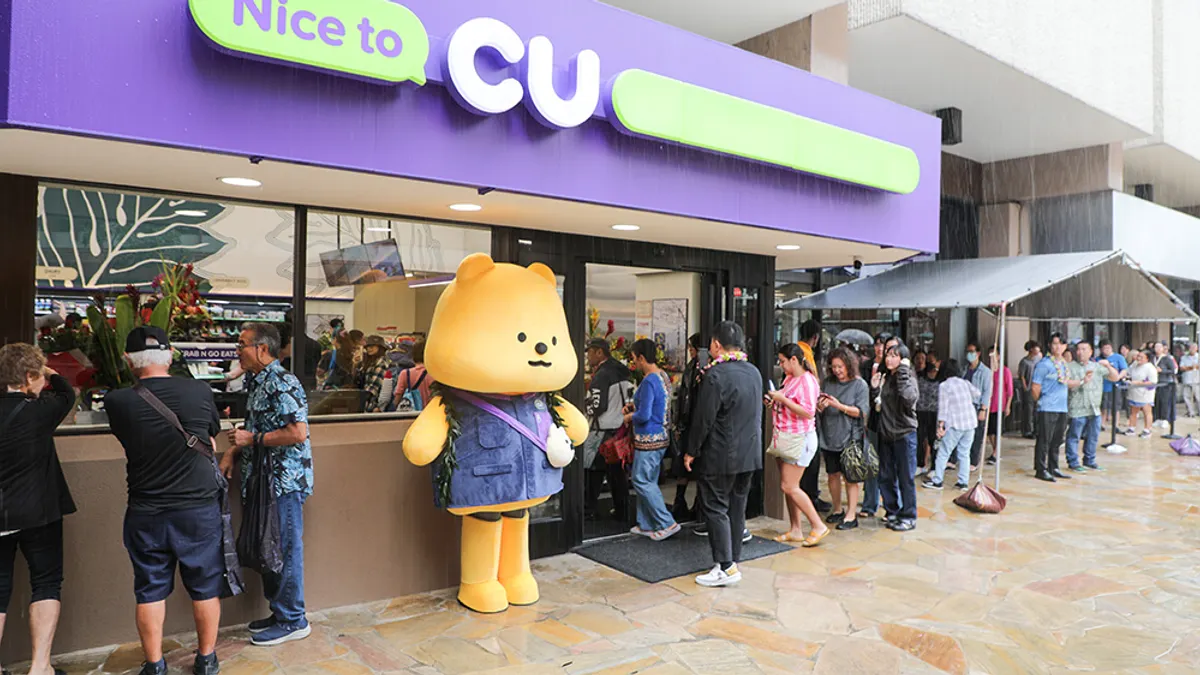
CU, which has around 19,600 stores globally — mostly in South Korea — debuted in the U.S. last year with a site in Hawai’i. The retailer opened its second store in the state in March and has plans to open 50 stores there, though it currently has no plans to expand to other states
Korean stores are proving popular with Asian and non-Asian customers alike.
"Korean culture continues to be incredibly influential,” said Maeve Webster, president of foodservice consultancy Menu Matters in Arlington, Vermont. “Korea and Japan are far more advanced when it comes to convenience foods and rethinking what a convenience store can be. The food available in their convenience stores is more diverse and, largely, higher quality, and packaging has advanced beyond what we have here.”
Everything Asian
As interest surges, snacks and food are front and center.
“Asian food – beyond Chinese – is now very much mainstream, so it makes sense this is better reflected in the convenience store sector,” said Webster. “This is particularly true for convenience stores in or around major metro areas."
Young generations are leading the charge. Both Busan Mart and Seoul Station’s target customers are those ages 20 and younger.
“Teenagers are where the money is,” said Rose Lee.
Seoul Station’s target customers are non-Asians who are coming to explore a different culture and find things they have seen go viral on social media.
“We also carry a lot of visually appealing and fun items that naturally catch their attention,” she said.
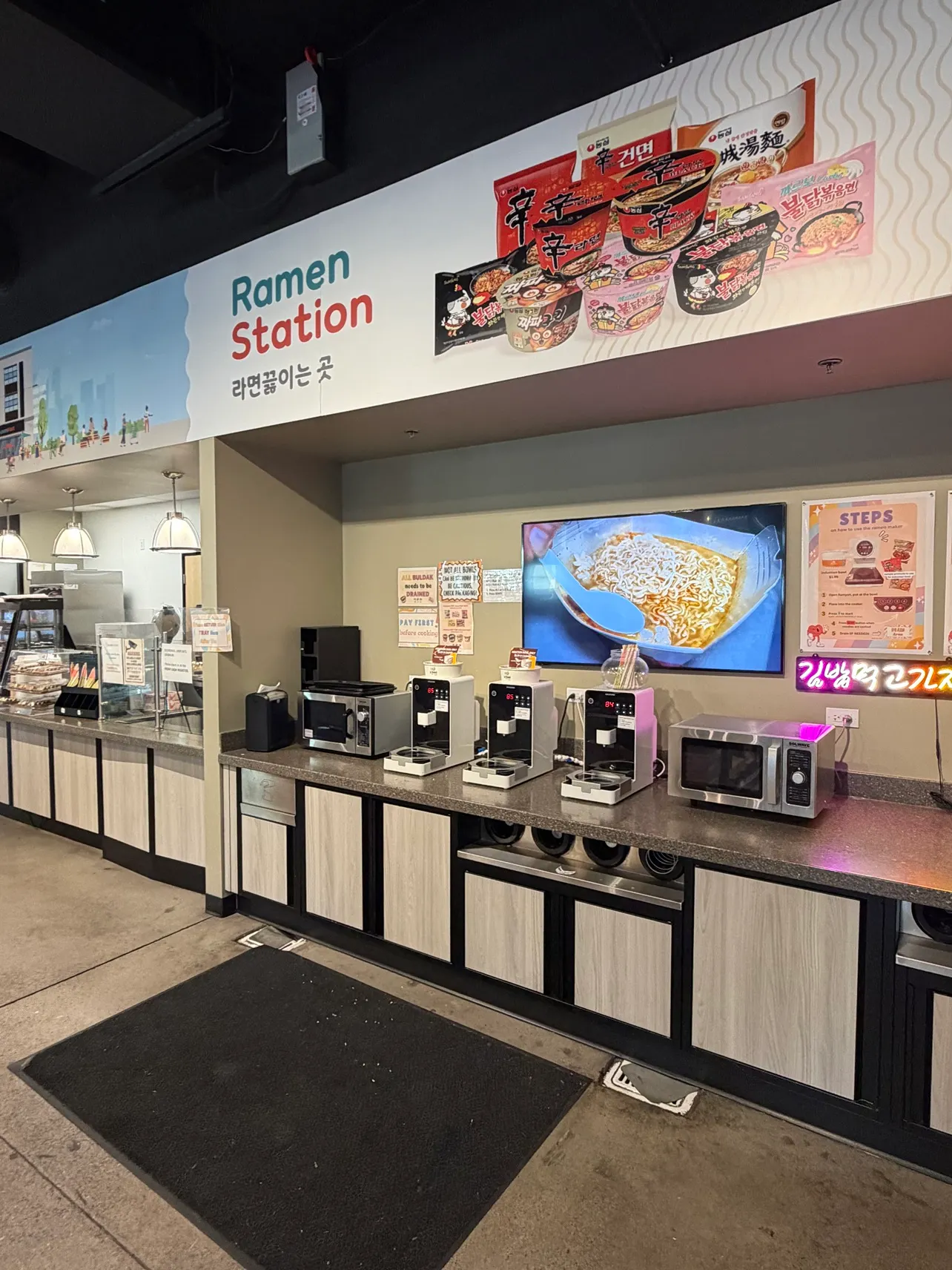
For the under-20s, snacks and instant ramen are the most popular items, followed by toys and DIY keychains. K-beauty items are also good sellers, Rose Lee noted. Side dishes made in-house are popular with older customers.
Busan Mart carries around 2,500 SKUs. The most popular products are beverages, Kang said, followed by ramen, freshly prepared food, then accessories like keychains and K-beauty products. “We’re not in competition with American convenience stores,” he says. Rose Lee agreed, but pointed out Seoul Station stores aren’t traditionally Korean either.
“We’re taking elements of different stores and putting [them] into our stores,” she said.
CU appeals more broadly across demographics, says Kyuho Lee, spokesperson for BGF Retail, which owns and operates CU.
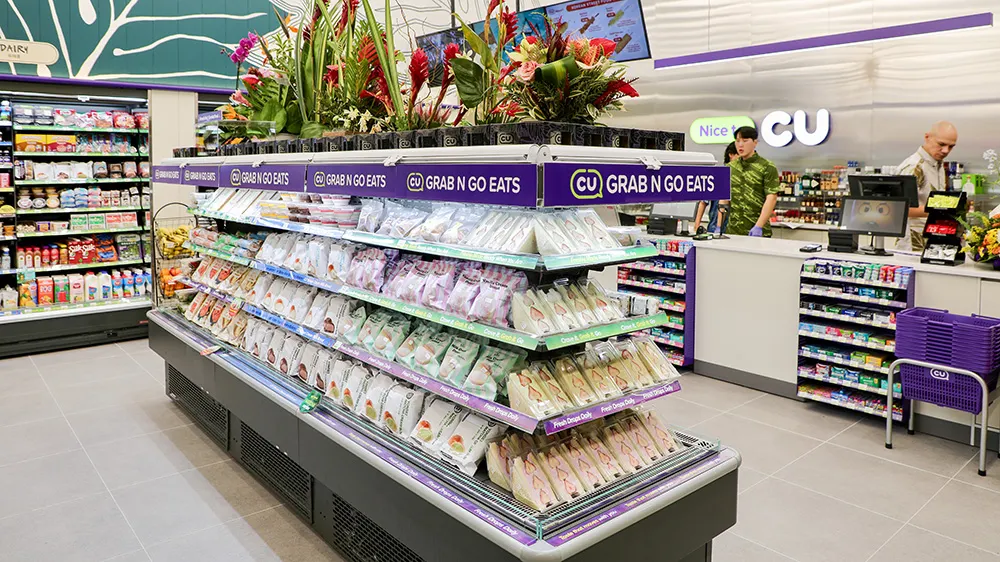
In CU’s Hawaiian stores, cup ice (a cup full of ice to which customers add a packaged drink) are the best seller, followed by hot foods, Yonsei Milk cream buns and gimbap, which is seasoned rice and fillings rolled inside dried seaweed, similar to sushi.
“There is growing demand for high-quality, affordable fresh food items such as musubi [a sushi-like Hawai’ian dish of Spam and rice wrapped in seaweed], gimbap, and rice bowls,” said Kyuho Lee, adding that “as the global popularity of K-culture continues to rise, we expect strong interest in products that combine Korean consumer trends with localized elements.”
The stores carry triangle gimbap; lunch boxes featuring galbi, which is marinated beef short ribs; tteokbokki, a dish of rice cakes and fish cakes in spicy sauce; and ramyun to meet these needs, along with Korean beauty products.
More experiential stores
Asian convenience stores aren’t just a great place to shop; they’re often also a “third place” for teens. Both Busan Mart and Seoul Station are testing photo booths along with karaoke booths that can hold up to four people.
Seoul Station has make-your-own keychain stations and claw machines.
“DIY is another viral thing going around right now with the younger generation,” said Rose Lee, “so I’m trying to follow what they’re doing.”
As e-commerce has grown, CU has focused on creating differentiated experiences, said Kyuho Lee. This includes concepts such as a ramen library and K-pop music playing inside stores.
“Our goal is to create compelling reasons to visit while naturally driving additional purchases,” he said. “This strategy has proven successful in Korea and has been applied to our Hawaii stores.”
Lai added, “The experiential component makes a difference in making these stores a destination.”
Supply chain
The biggest challenge with operating an Asian-inspired convenience store in the U.S. is getting products. Kang sources products for Busan Mart through California-based vendors.
“We have only three locations so we don’t have buying power, but now [that] we’re expanding, it will improve,” he said.
Kang also operates several restaurants so he can buy some products in bulk.
Rose Lee wants to constantly provide more and different products at Seoul Station. “We need to provide different snacks so we can have buying power for better deals and better products,” she said.
She spends more than $10,000 a month on shipping 40 to 60 pallets of products from California for both her restaurants and the convenience stores.
At the end of the day, Asian c-stores will continue to expand in the U.S., according to Lai.
“The complexity of opening [them] is not nearly as robust as opening a grocery store and there are more retail opportunities to open that size of box,” Lai said. “And they’re easier to manage and don’t have as much inventory.”