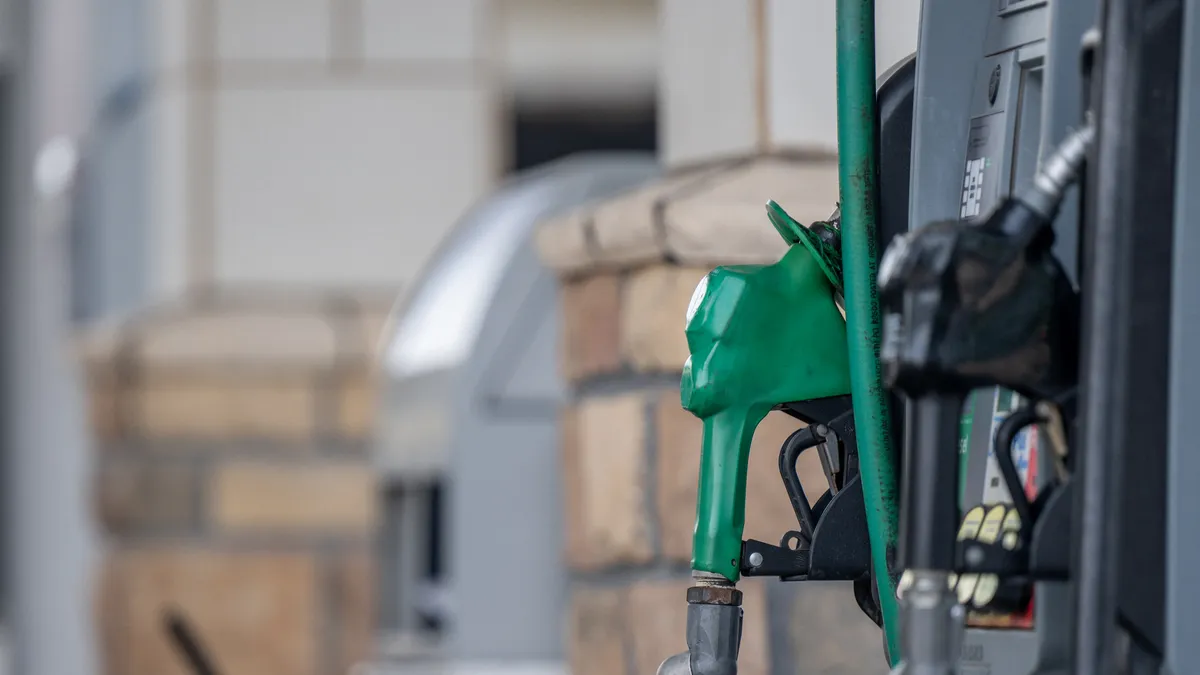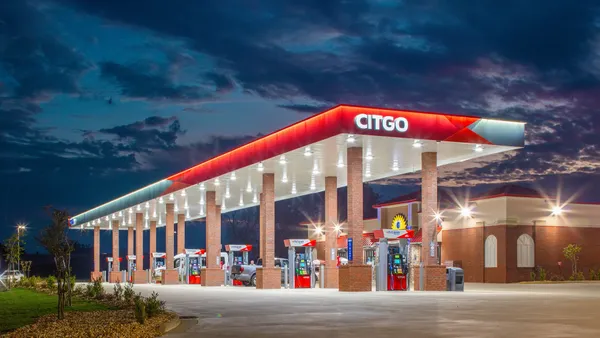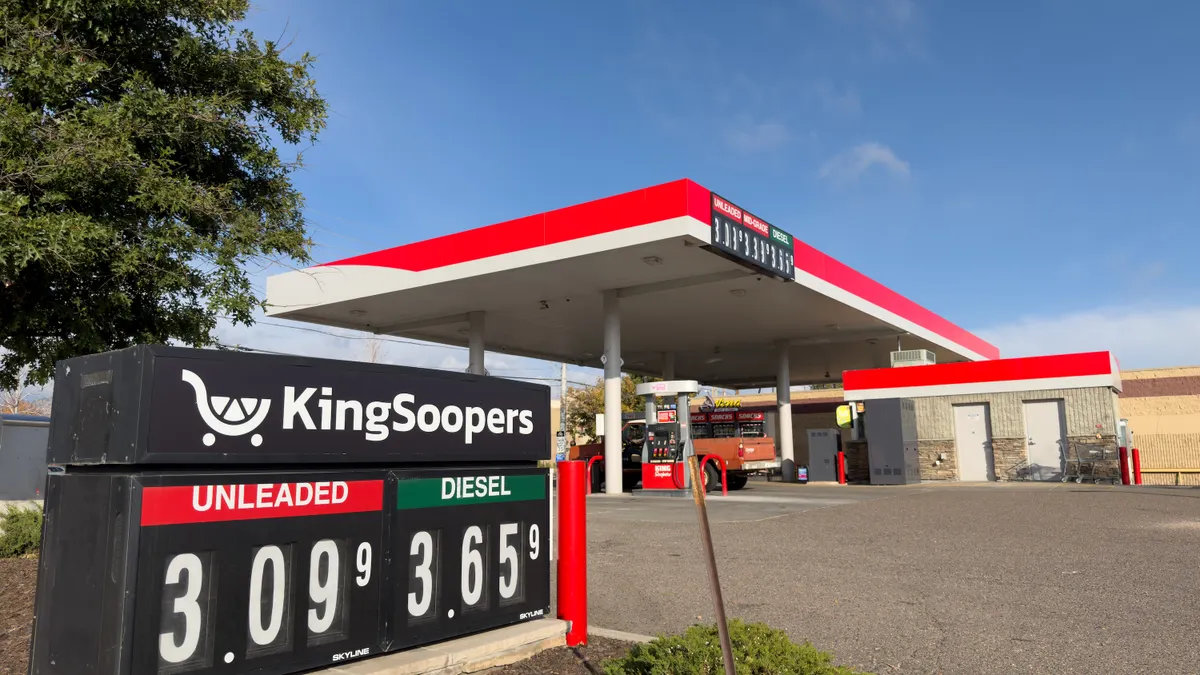

Although it’s mainly known for selling food, Kroger has quietly built a fueling empire that rivals the nation’s top convenience store chains.
The grocer opened its first fuel center nearly 30 years ago and since then, has steadily grown its footprint each year, reaching 1,731 locations as of Jan. 31, according to Kroger’s latest annual report.
That’s more locations than what well-known c-store competitors like Wawa, QuikTrip and Murphy USA operate. And it’s a bigger fueling empire than that of any other grocery chain. Albertsons, for example, operates just over 400 fuel centers and hasn’t increased its footprint meaningfully over the past several years.
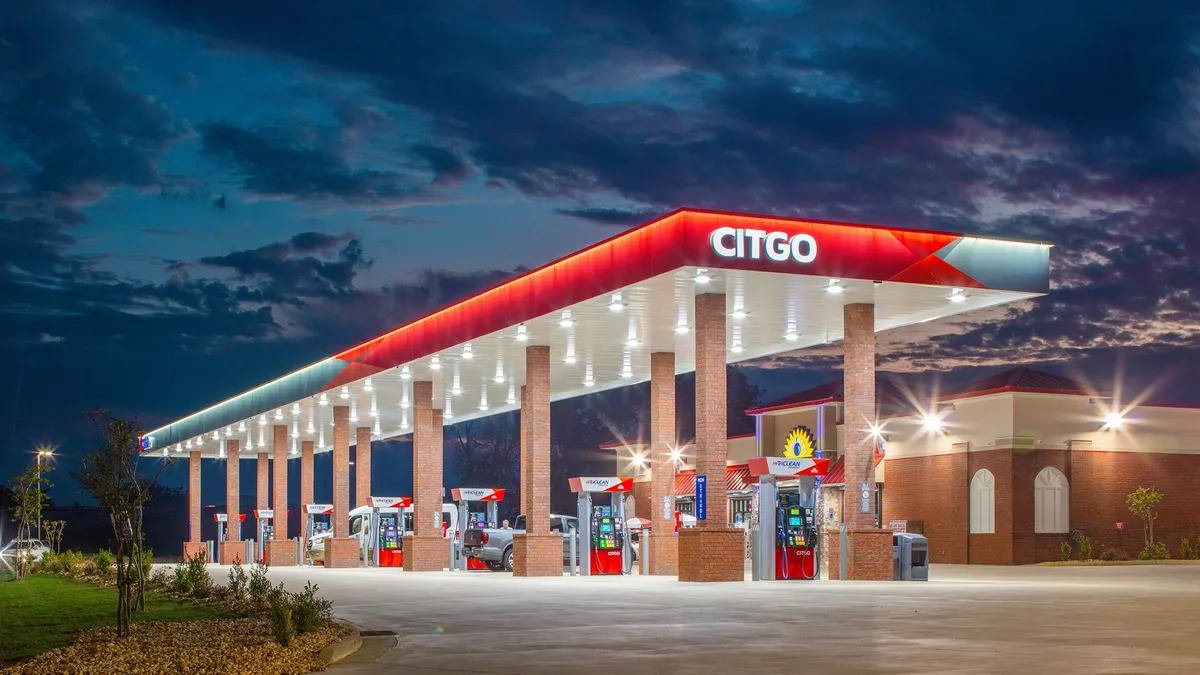
Kroger’s fuel centers are located close to its stores and typically feature several fueling islands and tanks to store up to 50,000 gallons of fuel. The locations don’t carry the wide selection of snacks, drinks and other products that many convenience stores carry — but their proximity to the company’s supermarkets helps Kroger draw in shoppers and provide robust fuel benefits as part of its loyalty program, said Ken Fenyo, a former Kroger executive who is now managing partner of Pine Street Advisors.
Kroger used to operate several hundred c-store locations but sold off that business in 2018.
“I think the various incentives they have make you more likely to go to a Kroger fuel center, but then also really [provide] an incentive to spend more with Kroger because you're going to get that fuel discount on the back end,” said Fenyo.
Over the past twenty years, Kroger has more than tripled the number of fuel centers it operates, the company’s annual reports show.
Kroger's fuel center growth
Through Kroger’s loyalty program, shoppers can save money at the pump by buying groceries at the company’s stores. The company’s fuel business is also an important component of its e-commerce membership program, Boost, which offers double fuel points on every dollar members spend at Kroger stores.
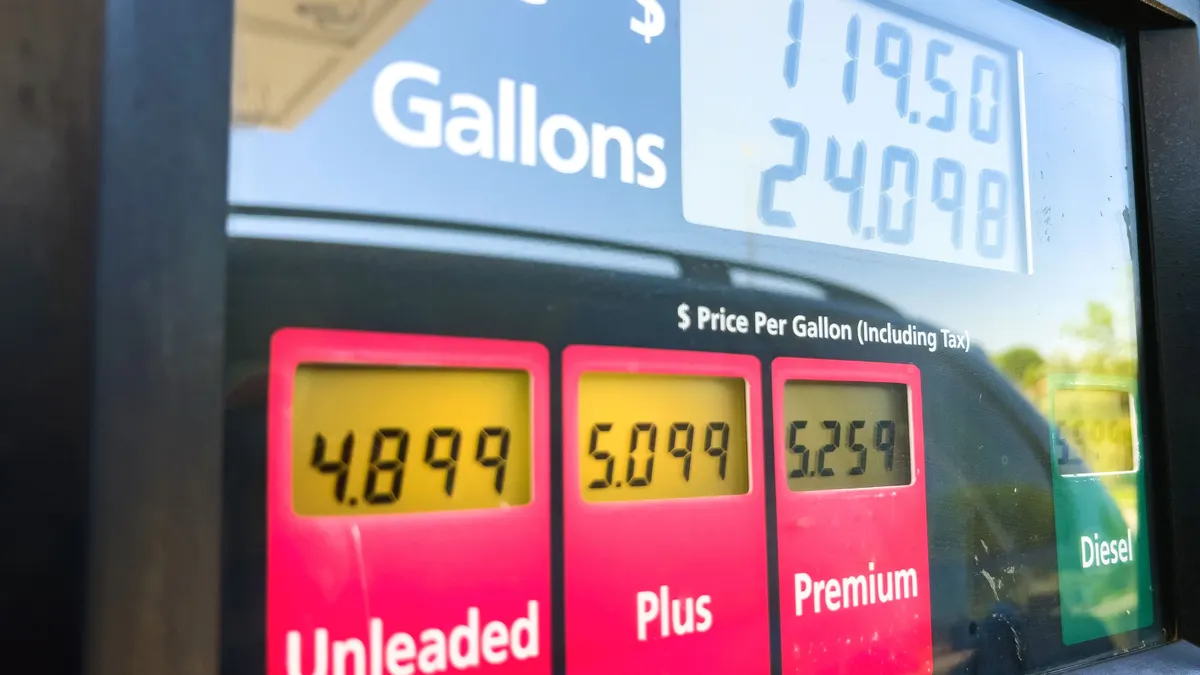
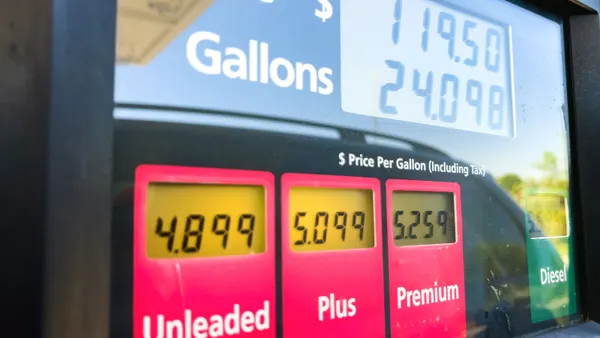
In addition, Kroger uses fuel to drive customer traffic via limited-time promotions. As gasoline prices spiked recently, the company quadrupled fuel points it provided to customers during two “spring weekend” events.
Kroger did not respond by press time to a list of questions about its fueling operations.
Walmart and club stores ramp up fuel
As Kroger looks to bring down prices and improve its image with value-focused shoppers, its fuel centers play a key role, executives say.
“Fuel continues to be an important part of our strategy, building loyalty through our fuel rewards program and providing another source of value for our customers,” Kroger CFO David Kennerley said during the company’s fourth-quarter earnings call last month.
But some of Kroger’s biggest competitors are also ramping up their fueling enterprises. Costco operated 747 gas stations globally at the end of fiscal 2025 — up from 719 at the end of 2024. Those fuel stations accounted for 10% of its total net sales for the year, according to its annual report.
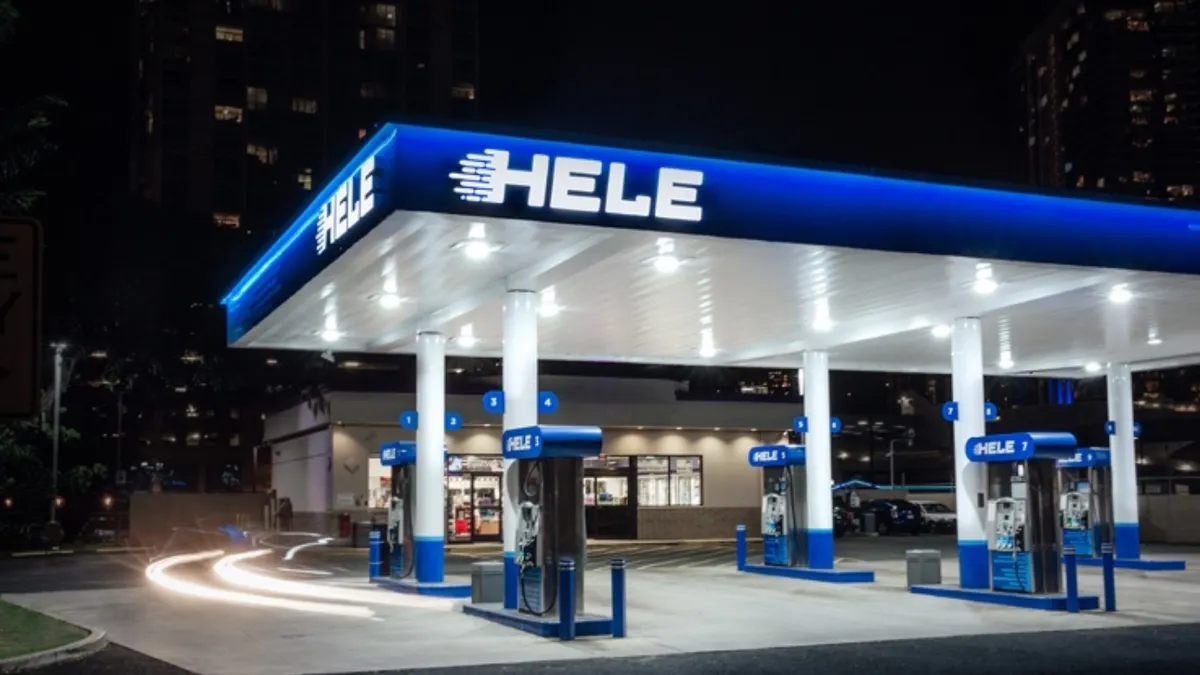
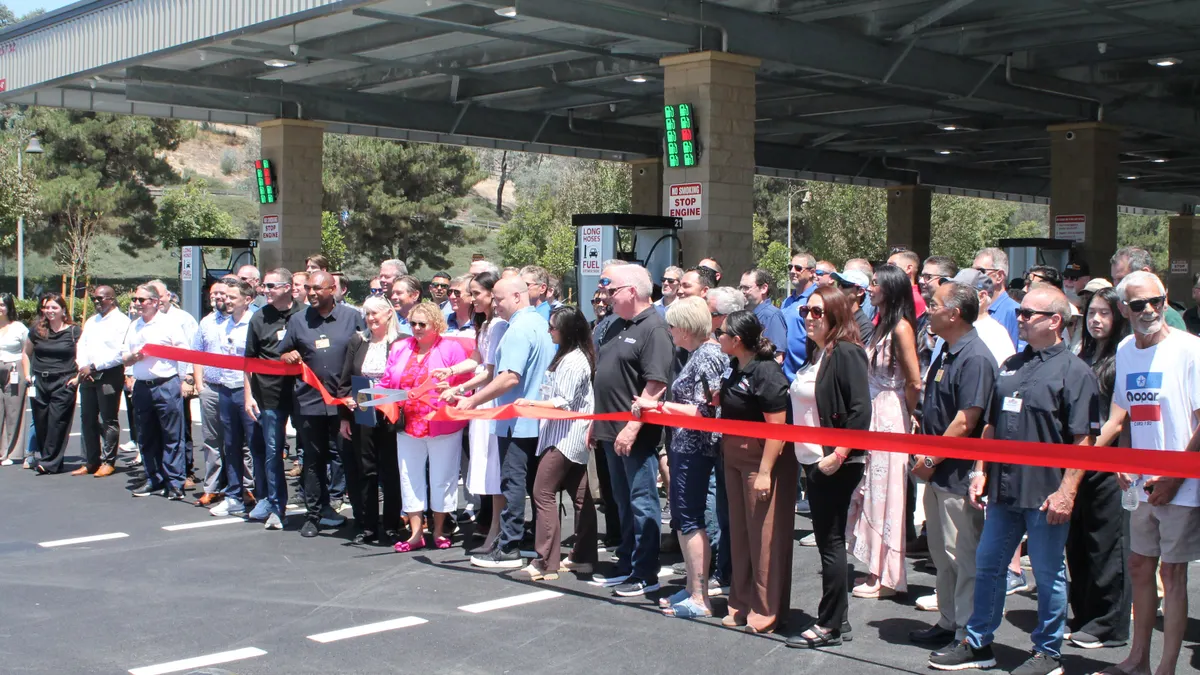
In addition, Costco plans to open standalone gas stations that operate separately from its warehouse stores. This includes a location in Mission Viejo, California, that’s set to open in June and one in Honolulu.
BJ’s Wholesale Club, another club retailer, has around 200 fuel locations and has steadily increased its count over the past few years alongside its store locations.
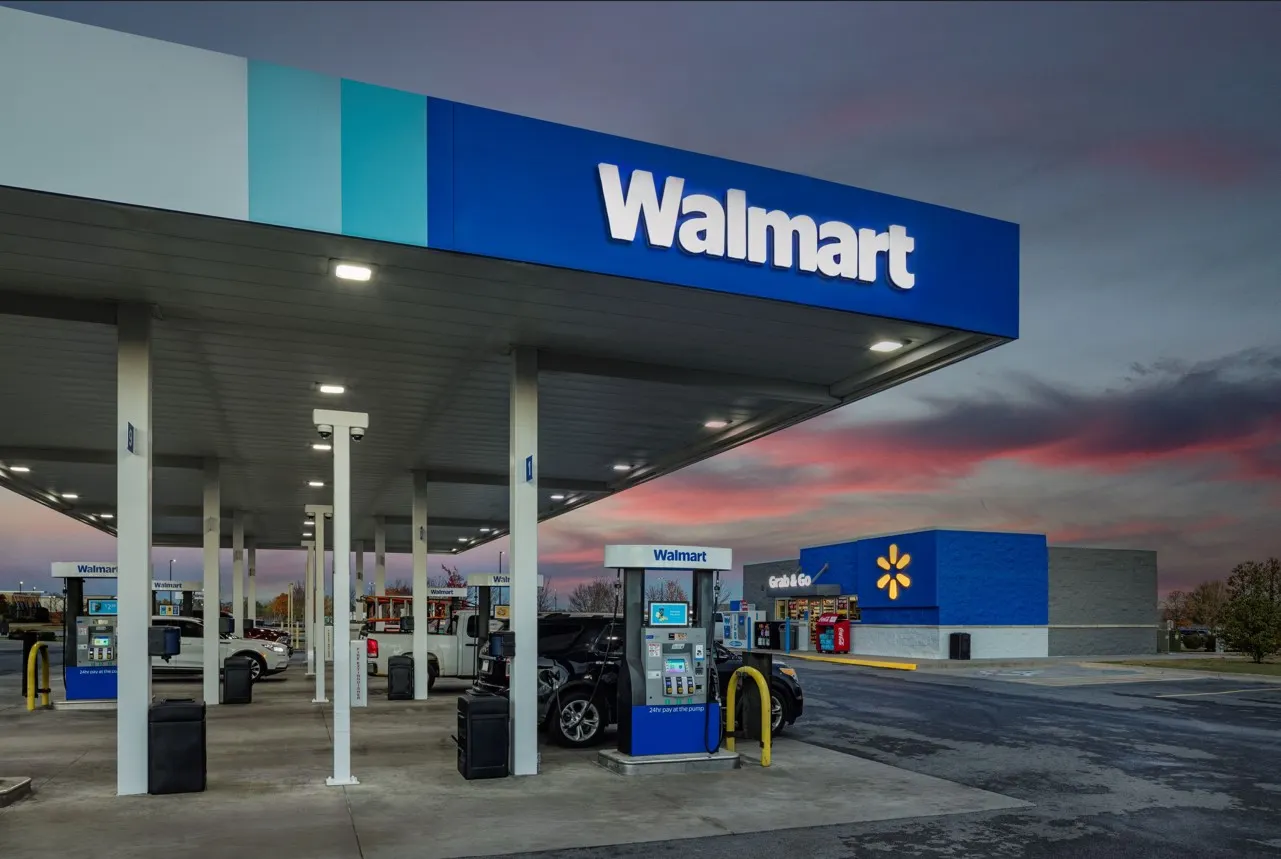
Walmart, meanwhile, has increased the number of fuel centers it operates in the decade or so since it split with Murphy USA, which built and operated c-stores near Walmart’s parking lots. The supercenter retailer had 400 gas stations in late 2024, and the company’s vice president of fuel and convenience told sister publication C-Store Dive last April it planned to have around 450 by the end of 2025.
As with Kroger, Walmart’s fuel business ties in with its membership program. Walmart+ offers its members 10 cents off per gallon at over 13,000 gas stations.
Operating fueling stations is a tricky business for retailers, said Fenyo. Planning and constructing the sites can be a headache, not to mention operating them profitably. Giant Eagle and Schnuck Markets are two grocers that have exited the fueling business.
But done right, fueling can drive both sales and loyalty for retailers like Kroger.
“Fuel is one of the great loyalty mechanics,” said Fenyo. “People hate paying for fuel, and the more that fuel prices go up, the more people are looking for ways to save.”