Convenience retailers have spent the past several years investing in new foodservice staff, equipment and menu items to elevate their on-site grub and better compete with restaurants. Besides proprietary programs, the industry has increased its partnerships and franchise opportunities with QSRs to make stores more of a food-focused destination.
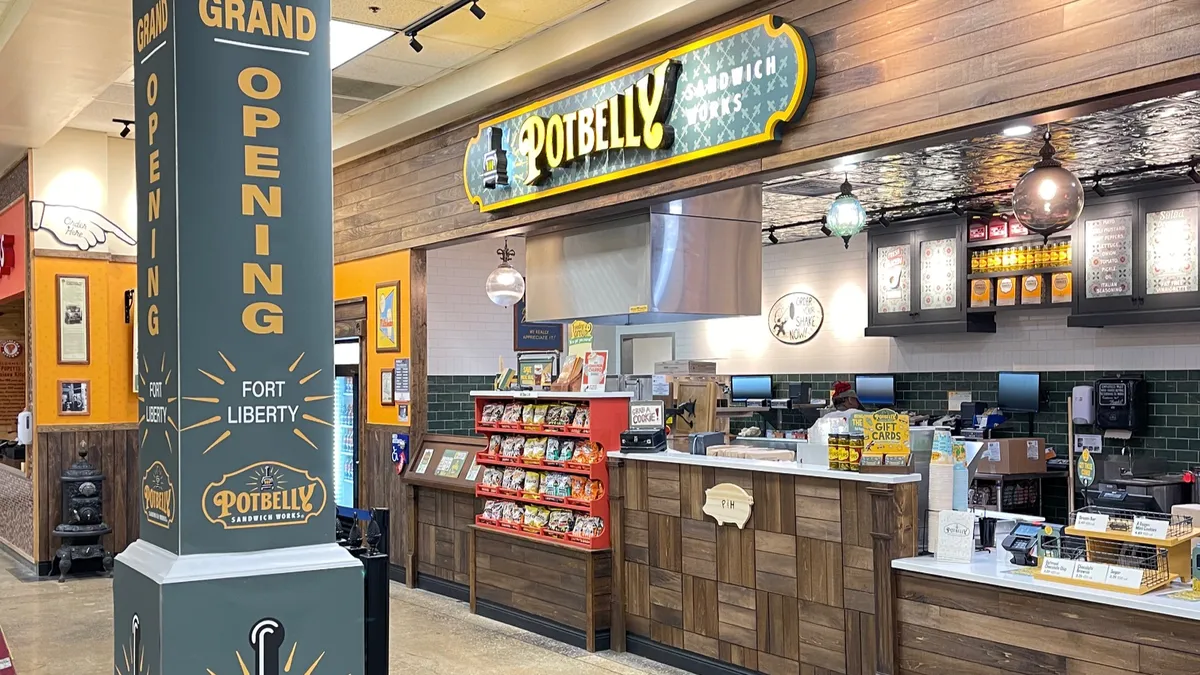
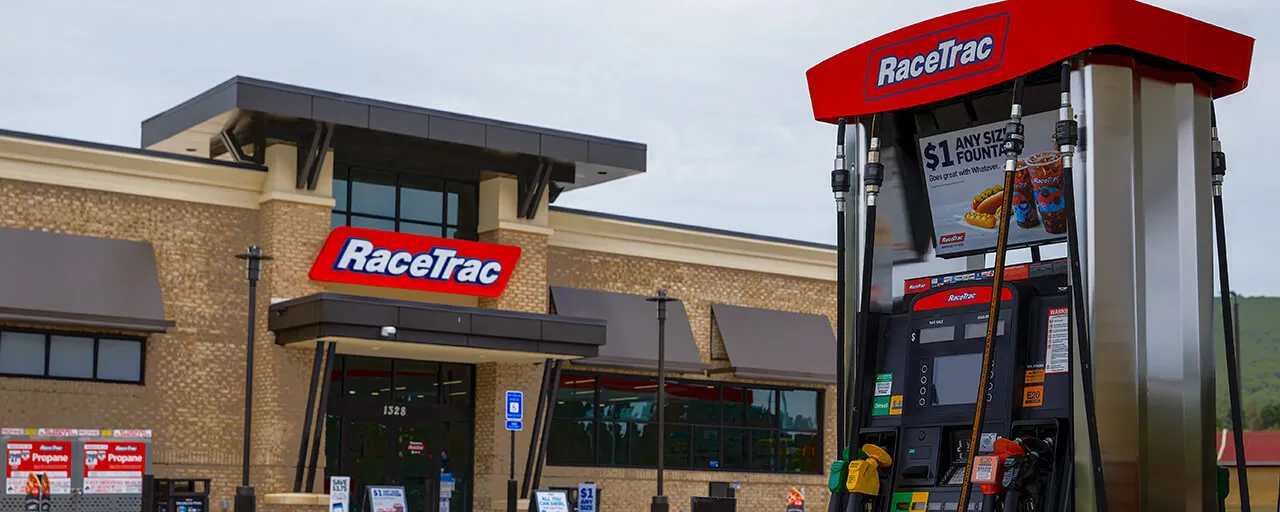
Until last year, the thought of a c-store operator acquiring a QSR brand felt unfathomable. That changed overnight when RaceTrac acquired sandwich QSR chain Potbelly for $566 million in late 2025.
The deal rattled the convenience retailing industry — not just because of the size and scale of the move, but because of its implications. How might this acquisition change the way in which c-store operators level up their food games? Instead of spending the time and effort to build an in-house offering from the ground up, can a retailer go out and buy out a QSR brand?
Which leads to a single question that’s top of mind as 2026 gets underway, and one that industry experts across the board can't seem to fully agree on. Was RaceTrac’s acquisition of Potbelly an anomaly, or the start of a wave?
A move out of left field
Josh Benn has spent the past two decades managing mergers, acquisitions and divestitures for food retailers and restaurant operators, from Twin Peaks Restaurants and Fazoli’s to Superior Grocers and Morton Williams Supermarkets.
Benn, who is global head of consumer, food, restaurant and retail investment banking for advisory firm Kroll, said that although RaceTrac’s purchase of Potbelly “came out of left field,” he "wouldn't be surprised at all” if more c-store operators followed suit. He pointed to national and super regional retailers that are upping their food operations and have the capital for splashy acquisitions.
“RaceTrac’s move worked because of its scale, leadership commitment and long-term food ambition. Without those ingredients, an acquisition like this introduces more risk than reward.”

Mendy Meriwether
Principal and vice president of foodservice for NexChapter
“To have a better food offering for some of these players that are not Wawa or Sheetz or even Buc-ee’s… it definitely makes sense to me that they can add another amenity and bring more people in to spend more money and generate more margin,” Benn said.
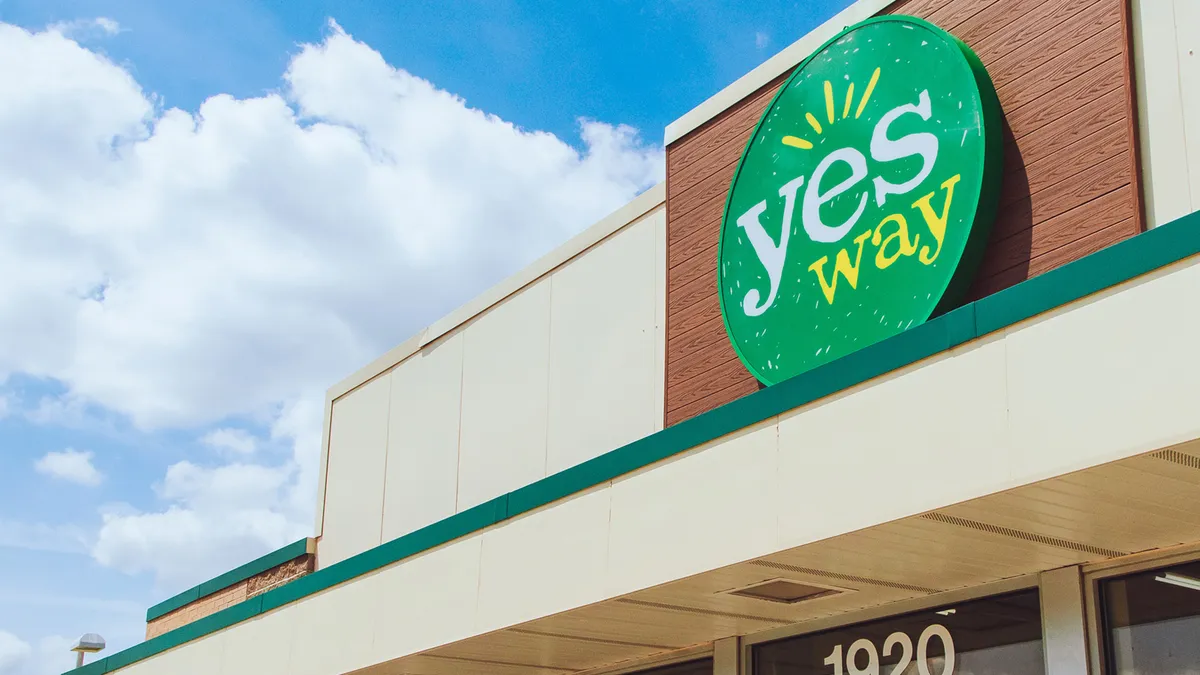
Meanwhile, Robert Hampton, an industry consultant who was recently named chief technology officer at Yesway, said it’s entirely possible that another c-store retailer buys a restaurant in 2026. That type of acquisition could help c-store operators expand into adjacent markets and increase their footprint, he said.
Other experts feel that RaceTrac’s acquisition of Potbelly isn’t indicative of what’s to come. Mendy Meriwether, principal and vice president of foodservice for c-store advisory firm NexChapter, said a c-store retailer acquiring a QSR brand “is a very specific strategic move that only makes sense under the right conditions.”
Meriwether, who spent over 20 years leading foodservice and QSR programs at Wawa and EG America, added that most c-store retailers are better off building strong in-house food programs or partnering with restaurant brands to elevate their offerings.
“RaceTrac’s move worked because of its scale, leadership commitment and long-term food ambition,” Meriwether said. “Without those ingredients, an acquisition like this introduces more risk than reward.”
Dennis Ruben, executive managing director for c-store M&A advisory firm NRC Realty & Capital Advisors, said he’s not extrapolating too much from RaceTrac’s purchase. Although certainly an intriguing move that could create ripple effects in the industry, Ruben said he doesn’t think any hard conclusions can be made from the one transaction.
Instead, he thinks RaceTrac’s acquisition will force food-focused c-store operators to take a hard look at their earnings and do a cost-benefit analysis on whether acquiring a QSR brand is right for them.
“The question is, do those numbers make sense as opposed to trying to develop an organic foodservice program?” Ruben said. “Is it easier to buy it from somebody else that's already developed it, or try to do it on your own?”
Risks and considerations
If a c-store retailer was looking to buy a QSR brand, numerous factors would play into picking a target — notably geography and product offering, multiple experts said.
Benn pointed out that a c-store retailer might want to buy a QSR brand that specializes in a food or beverage offering that the retailer doesn’t already excel in. For example, Casey’s General Stores would be better off acquiring a burger brand than a pizza brand, he said.
“The question is, do those numbers make sense as opposed to trying to develop an organic foodservice program?"
Dennis Ruben
Executive managing director for NRC Realty & Capital Advisors
Meanwhile, targeting a QSR brand with a similar geographic footprint could be advantageous because the retailer’s consumers already know the restaurant. However, this could also risk cannibalizing visits to the restaurant, Ruben said.
“If you get a Burger King a half a block away from one of the convenience stores, does it make sense to integrate it into the convenience store?” Ruben said. “Probably not.”
Cannibalization isn’t the only risk at play for the convenience retailer. Several experts interviewed for this story said the operational complexities of running a restaurant — and how they differ from a convenience store — would present a major challenge.
Meriwether called out the different labor model, supply chain discipline and innovation cadence compared to convenience retail. A QSR program is less flexible than building a c-store food program in-house, she said, since proprietary offerings allow retailers to design specifically for their customers, their store formats and their economics.
She also said retailers face the risk of distraction, as leadership could get “pulled away from the core business if the restaurant brand becomes a parallel priority rather than a complementary one.”
“Finally, brand dilution is real,” she said. “If the experience doesn’t translate cleanly into the c-store environment, both brands can suffer.”
‘The real value shows up over time, not overnight.’
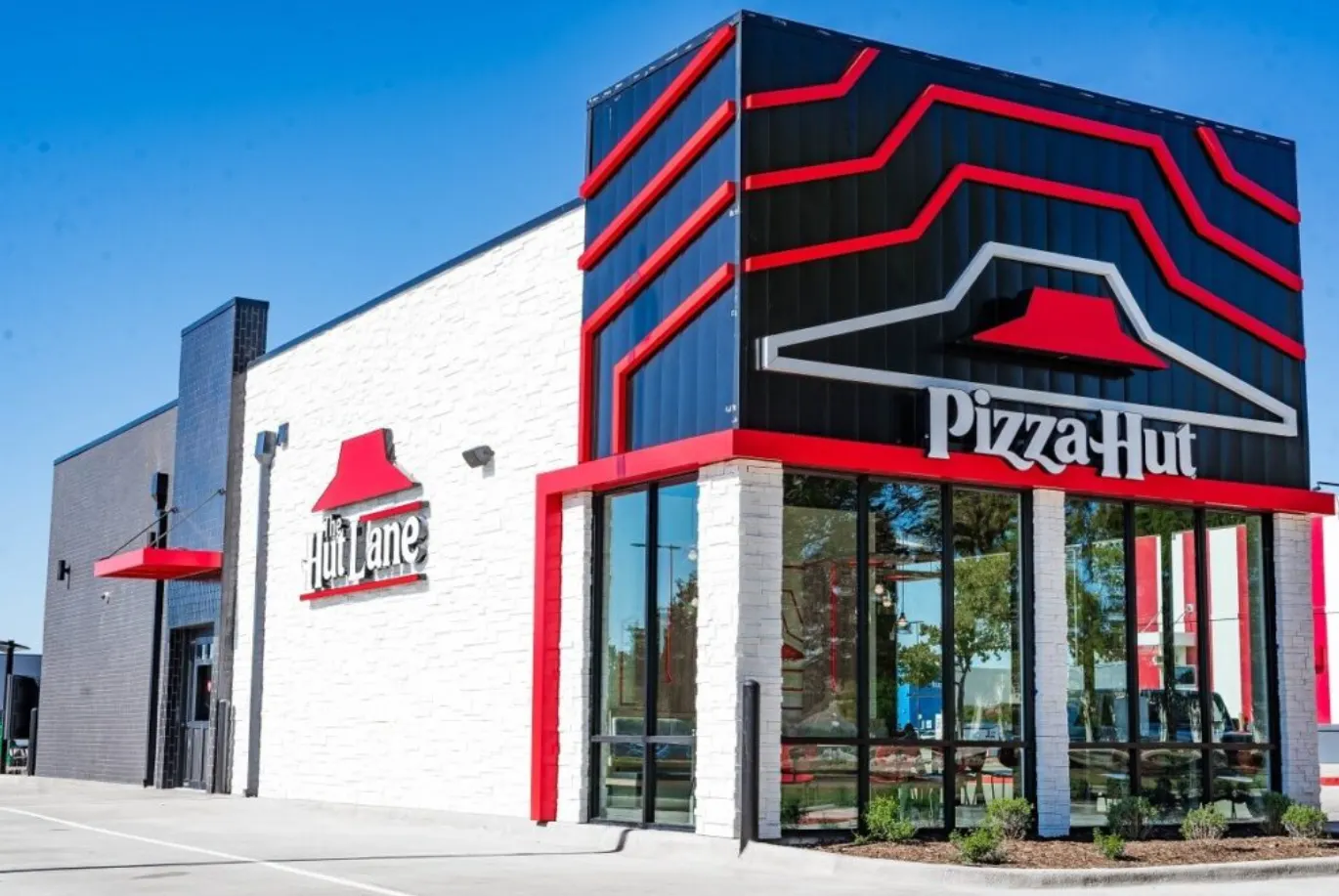
It’s no secret that many QSR brands have struggled with profitability in recent years. Chains such as Kentucky Fried Chicken, Boston Market, Wendy's and Papa John’s have all faced losses and store closures. Last year, Pizza Hut’s parent company hinted that the pizza chain might be up for sale, and experts agreed that a national c-store chain would make a worthy buyer.
Although he would not call out any QSR brands in particular due to confidentiality reasons, Benn said “there’s a whole lot” of restaurant chains that would make sense as targets for a c-store retailer.
“Whether it's a chicken, pizza or burger brand, there definitely are assets that I think could be interesting,” Benn said.
Meriwether said that if another one of these deals were to happen, it would likely involve a convenience retailer buying a smaller, focused concept as opposed to a large chain such as Potbelly. She added that QSR brands with compact footprints, simplified menus and strong off-premise appeal translate best to the convenience environment.
“Regional concepts with loyal followings can be easier to integrate and test locally before scaling,” she said.
Despite the risks, the potential upside of adding a QSR brand could be tremendous. Meriwether emphasized speed and credibility, noting that acquiring a QSR brand would provide “immediate access to proven recipes, processes and brand equity.”
However, even with the hype after RaceTrac’s ambitious move, Meriwether doesn’t foresee other retailers jumping to buy a restaurant chain. Instead, she expects the industry to watch how RaceTrac might apply Potbelly’s food systems, menu discipline and brand thinking into its c-stores.
“The real value shows up over time, not overnight,” she said.