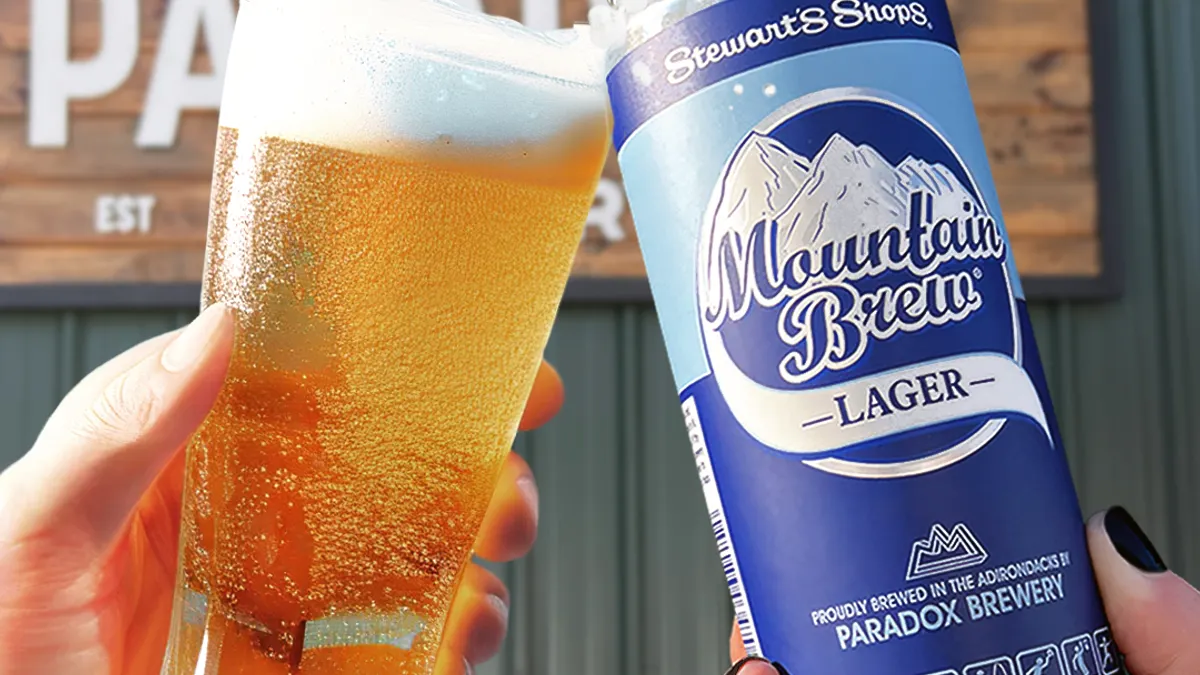
Selling private label products can help convenience stores attract younger and more loyal customers while improving their margins and brand, but targeting the right categories and developing winning products requires strategy and careful analysis to effectively reap the benefits, industry experts say.
While shoppers may associate private label goods more with big box retailers or grocers, c-stores are increasingly getting in on the action. Large chains such as Love’s Travel Stops & Country Stores, Casey’s General Stores and Wawa have all made waves in the private label space in recent years.
These products allow c-stores to compete with national brands on value, differentiation and margin at a time when shoppers are more intentional about price, yet still expect quality, said Sally Lyons Wyatt, global executive vice president and chief advisor of Circana’s consumer goods and foodservice insights division.
Private label products perform best when they offer a compelling value proposition versus national brands, have a higher margin potential for retailers and are clearly tied to the store’s brand, she noted.
When done right, retailers can build store-brand products that are distinct and trusted and compete with national brands on quality, innovation and value, said Peggy Davies, president of the Private Label Manufacturers Association.
“Own brands are no longer a defensive strategy,” said Davies. “It’s become a growth engine and a brand-building tool for today’s convenience retailers.”
The range of private label products offered by c-stores can vary wildly. Many retailers don’t sell any store brands, while others are reaching 30% of items sold in some stores and plan to one day reach 40% to 50% penetration, said Isaac Krakovsky, consulting retail sector leader at EY Americas.
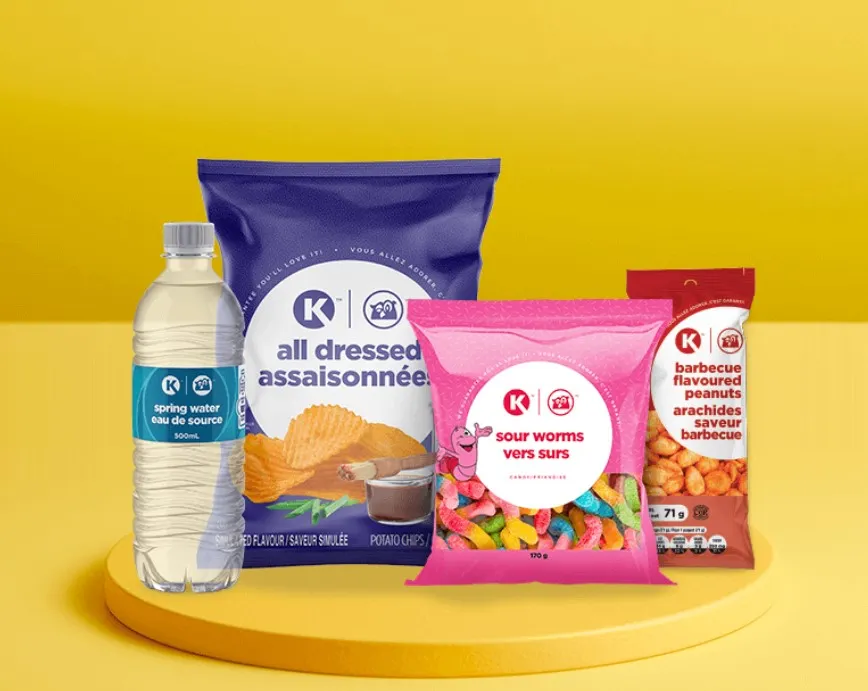
Seize on the beverage boom
While the right product selection will vary from company to company, a few categories offer particularly interesting opportunities for convenience retailers to explore.
Energy drinks are high opportunity private label categories for c-stores, said Wyatt. These beverages are top traffic drivers for c-stores. In addition, shoppers are open to experimenting with different flavors and formats, and th drinks are priced so that there’s room for credible alternatives, she said.
Private label energy drinks work best when they are clearly differentiated from brand names in value or drinking experience, when the beverage feels intentional and not generic to the customer, and when it’s integrated into a cooler strategy that doesn’t crowd it with premium brands, said Wyatt.
While store-branded energy drinks have popped up in some stores — Cumberland Farms has its NRG Kick, for example, while 7-Eleven offers Fusion --- they’re not widespread yet and the jury is still out about whether they would actually resonate with customers, said Krakovsky.
“Own brands are no longer a defensive strategy. It’s become a growth engine and a brand-building tool for today’s convenience retailers.”

Peggy Davies
President of the Private Label Manufacturers Association
One of the biggest votes of confidence in the category came when Costco began selling Kirkland brand private label energy drinks earlier this year.
For operators eying the private label market, water or other popular beverage products, such as coffee, could be an easier entry point, Krakovsky said.
Selling on-the-go snacks
The U.S. c-store market is projected to grow 2.4% between 2024 and 2029, reaching $58 billion, according to a 2025 analysis from the consulting firm Kearney. That surge is largely attributed to a growing demand for food options that are ready-to-eat and healthy.
Gen Z and Millennials are “highly open to trying store brands and, given their on-the-go lifestyles, they are an ideal target for convenience stores,” said Davies.
Protein products, such as jerky, align with on-the-go eating occasions and are attractive for private label expansion, said Wyatt. Shoppers tend to evaluate protein products based on their content, flavor, and price per ounce. Brand loyalty for such items is less entrenched than it is in other categories, she said.
Other quick, packaged private-label snack items, such as chips and pretzels, are also one of the most accessible store-brand categories in convenience, as they are frequently purchased, there are clear benchmarks for quality and price and there’s strong customer impulse behavior, said Wyatt.
When deciding on merchandising mix strategies, c-stores should also factor whether any national brands increased the prices of their snack products. It may be tougher for c-stores to compete with brand name candy and chocolate products, said Wyatt, but it’s not impossible when those items grow increasingly pricey due to higher ingredient and input costs.
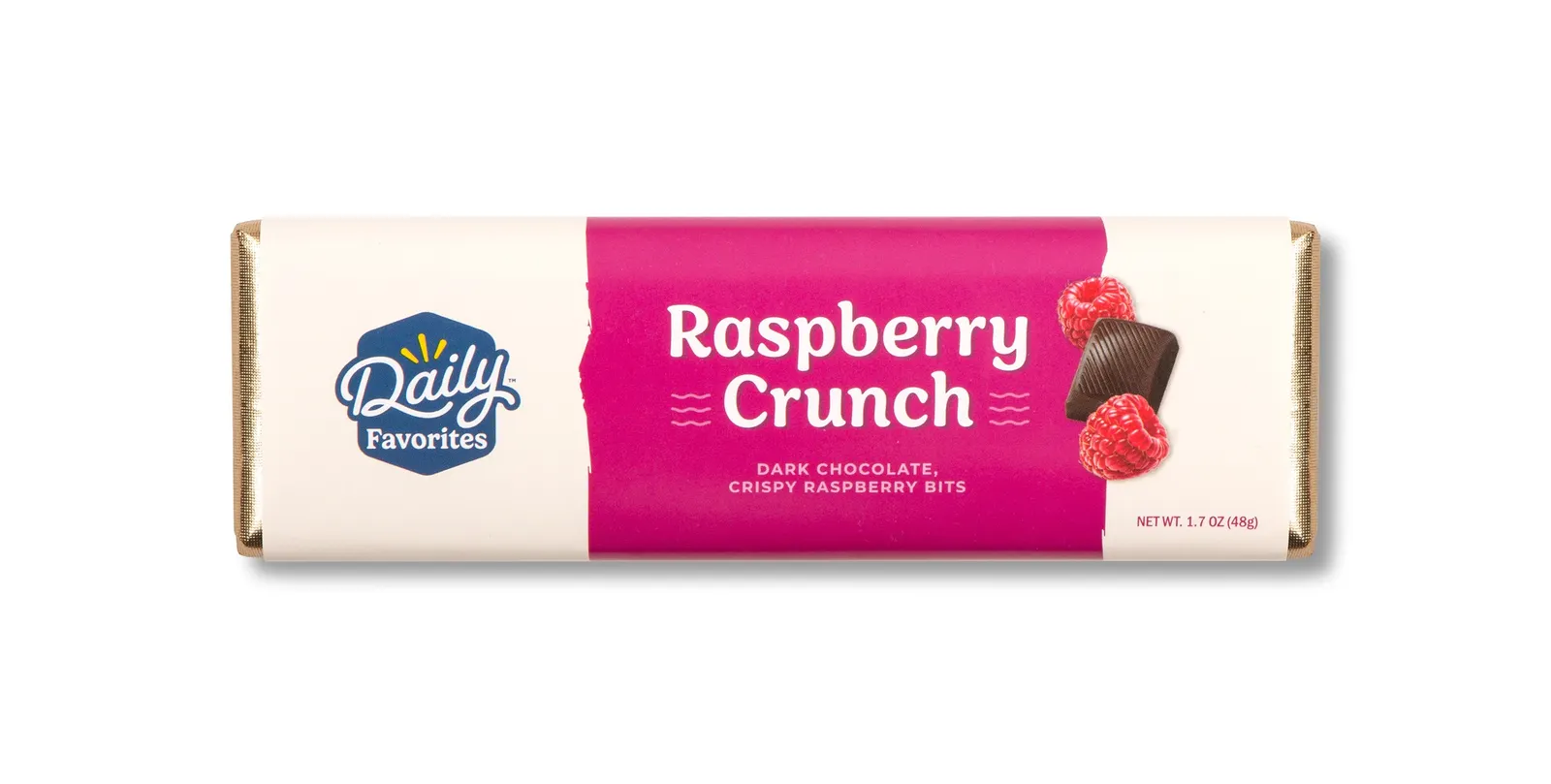
Twice Daily parent company Tri Star Energy, for example, started its private label line with several candy bars in addition to an assortment of popcorn, chips and jerky.
Not every snack is ideal for private label development. Offering store brand packaged products that are trendy could be risky for c-stores that aren’t yet mature in their private label processes, said Krakovsky, as they may struggle to get these items onto the market in time to catch the wave.
Picking the right mix
When deciding whether to offer a new private label item, c-store owners should look at the margin contributions of the categories they are selling and the space in the store dedicated to those items, said Krakovsky.
A retailer may want to consider categories where they are underperforming industry benchmarks, running into issues with suppliers or missing sales opportunities, he said.
They should also evaluate price elasticity, brand reliance and the incremental margin of private labels versus national brands, Wyatt said.
C-store companies should also analyze the percentage of their shoppers that are younger and value-oriented — two main targets of private label products — and consider operational scale and supplier capabilities, Wyatt said.
When c-stores can’t come to favorable terms with a national brand as they negotiate shelf space, they may be able to insert their own private label instead to secure a higher margin , said Krakovsky.
But even if a c-store were to take a margin hit on a private label product, it could still attract new loyal customers, he said.
“If your private label is better — it’s better quality and the packaging is compelling — you’ve got a definite viable alternative to that national brand,” said Krakovsky. “It’s a great weapon to have in their arsenal.”