3 Big Numbers is a weekly column that looks at a few key details from around the c-store industry.
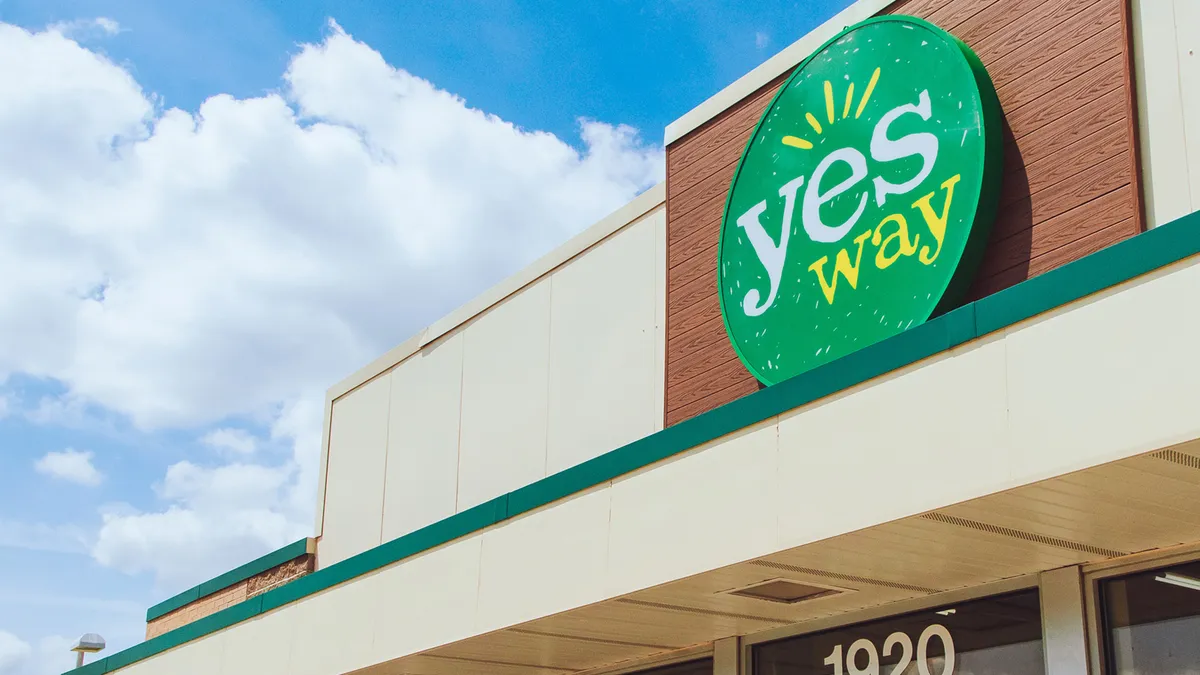
The Nasdaq welcomed Yesway to its ranks earlier this week. The operator of the Allsup’s and Yesway convenience store banners rang the bell at the start of trading Wednesday to celebrate a $280 million IPO.
It’s an exciting time for the company and its investors, but it’s equally exciting for anyone who closely follows the industry, as public companies in America regularly publish details of their operations with the U.S. Securities and Exchange Commission. Yesway’s prospectus gave us our first look behind the curtain, sharing its growth plans, earnings and balance sheet.
In this week’s “3 Big Numbers,” we’re exploring Yesway’s financials and how well the company is set up to achieve its growth ambitions.
$2.67 billion
Yesway’s revenue in 2025.
Starting with the top line, Yesway earned $2.67 billion in revenue in 2025, up 5% year over year, according to its registration filing with the SEC.
Inside merchandise sales were almost $890 million, with average inside margins of over 35%, according to the filing. On the fuel side, Yesway saw average margins of 40.6 cents per gallon. Both of those figures were up around 1%, even with the difficult operating environment pressuring convenience retailers.
Investors will be keeping a weather eye on these figures in the coming quarters.
448
Yesway’s store count at the end of 2025.
Yesway had 448 stores at the close of 2025, according to the SEC filing. That number is likely to take a hit sometime this year, as Yesway’s $17.5 million sale of all 29 locations in Iowa and Kansas to Mega Saver is expected to close by the end of the year.
At the same time, Yesway is looking to build 130 new stores by 2030. This would mean about 26 new stores every year for the next five years, meaning it’s possible Yesway’s footprint shrinks this year.
15%
The one-year return on investment for self-funded stores in the first year.
Even if the company does have fewer stores at the end of 2026, those NTIs are bigger and can carry more goods than the older locations.
NTIs average 5,800 square feet of store space and 27 fuel dispensers, as opposed to older sites, which offer an average of 3,400 square feet of space and 10 fuel dispensers, according to the filing. These new stores can either be self-funded, where Yesway puts up all the cash to build, or build-to-suit, where a partner foots much of the bill.
Return on investment after the first year has been 15% on the 28 NTIs that Yesway has operated for at least 12 months. That number is expected to be 30% for the build-to-suit locations. As these locations mature, Yesway seems to be betting on those larger footprints to boost its fortunes.