3 Big Numbers is a weekly column that looks at a few key details from around the c-store industry.
The more some things change, the more they stay the same for the convenience retail industry.
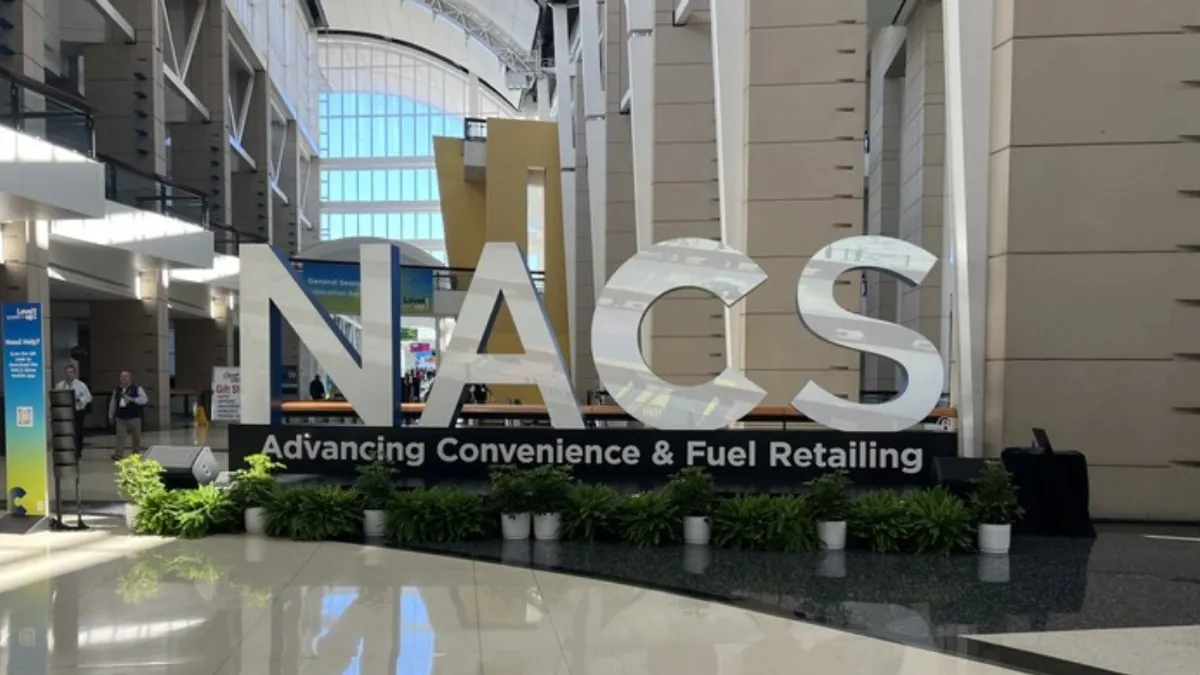
NACS unveiled its 2025 industry report at its State of the Industry Summit this week, which highlighted that major trends like the strength of foodservice and the continued creep of store expenses are holding strong. But as the macroeconomic reality in the U.S. continues to change, what can that data tell retailers about operations in 2026?
In this week’s “3 Big Numbers,” we’re looking closer at some of the numbers from the latest NACS Report and what they mean for the industry now.
28.5%
Foodservice’s share of c-store in-store sales in 2025.
Foodservice was the leading in-store category for convenience retailers last year, making up 28.5% of inside sales, according to NACS data. Moreover, it made up almost 40% of in-store gross profit dollars in 2025.
Prepared food like pizza and sandwiches made up the lion’s share of sales for the category, which includes not only commissary and made-to-order items but also dispensed beverages. Retailers have plenty of reasons to continue to invest in their food programs, either through QSR partnerships or strengthening their in-house menus.
The data, which reflects input from retailers representing more than 35,000 stores as well as insights from NACS CSX, a self-reported industry database, found that packaged beverages were the second biggest slice of the in-store pie at 18.7% of sales.
$476.3 billion
Total c-store fuel sales in 2025.
C-stores brought in $476.3 billion in fuel sales in 2025, a 5.4% year-over-year drop. This was due to a decrease in the average price of a gallon of gas from $3.30 in 2024 to $3.11 in 2025, NACS noted.
Retailers are so far encountering a very different challenge in 2026.
While average fuel prices were down year over year in January, they were up slightly in February before spiking higher in March due to the war in Iran, according to the Bureau of Transportation Statistics. With tensions surrounding that conflict still high, elevated prices could linger.
If retailers can hold volumes steady, this price spike could be a windfall. But with many consumers already strapped for cash, a decrease in volumes may also be in the cards. In Seven & i Holdings’ Q4 earnings call last week, President and CEO Stephen Dacus said, “In North America, we are seeing continued declines in fuel volumes and increased volatility in oil prices. As this volatility continues, we may begin to see impacts in consumer sentiment across markets.”
Considering consumer sentiment is already at historic lows, that may be a dire warning.
2.75 million
The number of employees in the convenience retail industry.
While the expenses associated with running stores rose 4.2% in 2025, that was the smallest increase since the COVID-19 pandemic, according to NACS.
A big chunk of that goes to paying employees. There were 2.75 million workers across the industry — an average of about 20 per store — making average hourly wages that just surpassed $15 per hour. It all adds up.
NACS also highlighted that the industry paid more than $21 billion in credit and debit card fees. Bills at multiple levels of government have sought to limit these fees, but so far this cost continues to hang over retailers.