C-stores are increasingly answering Americans’ call for more protein.
Some retailers have even created dedicated protein sections that include protein bars, jerkies, cookies and other snacks, and many are devoting cooler space to protein beverages. Some, like 7-Eleven, have even ramped up their protein-focused private label lines.
The potential sales lift is huge. Over one-third of consumers have increased their protein intake in the past year, and roughly 80% prioritize protein daily, according to the International Food Information Council.
“Consumers aren’t just grabbing snacks; they’re increasingly replacing traditional meals with smaller, intentional eating occasions,” said Suzy Badaracco, president of food trends consulting firm Culinary Tides. “Protein makes those smaller moments feel satisfying and functional.”
The meat snacks category has reached approximately $5.5 billion and continues to grow, noted Badaracco, citing a Bank of America report. Ready-to-drink protein beverages and powders also continue gaining traction.
Badaracco believes that financial pressure and time constraints are accelerating consumers’ shift toward protein, as are broader health drivers like growing awareness of metabolic health and muscle preservation, which is a growing concern as GLP-1 medications gain traction.
“However, even beyond GLP-1 users, demand for protein continues to expand across mainstream consumers,” Badaracco said.
7-Eleven zeroes in on the opportunity
7-Eleven has seen a sales boost from expanding its protein assortment and labeling foodservice items that are higher in protein.
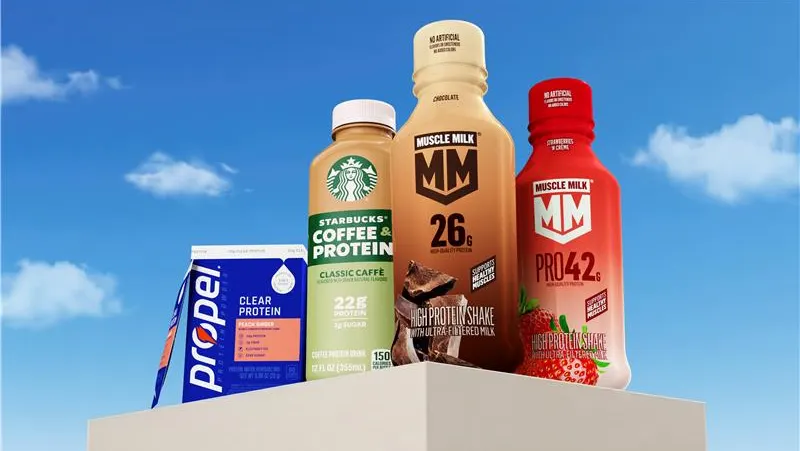
For instance, the operator saw that it was selling 62,000 protein drinks daily, according to its monthly Customer Pulse reports, with more than half of those purchases used as a breakfast replacement. In response to that demand, the operator added 7-Select Rebuild, a high-protein shake positioned as a convenient meal replacement option.
“Expanding our protein assortment reinforces how customer needs are evolving toward more functional, purposeful choices throughout the day,” a 7-Eleven spokesperson explained.
The operator is bringing in more new lines of on-the-go protein snacking options, including protein bars, yogurt and overnight oats.
In foodservice, 7-Eleven, Inc. added a chicken sandwich and Johnsonville Dr Pepper sausage, as well as “new and improved” boneless wings.
The company also added protein callouts across its fresh sandwiches, breakfast sandwiches and wraps, and adjusted recipes so that now, many of its sandwiches exceed 20 grams of protein.
Customer response to 7-Eleven’s increased protein offerings has been strong, with protein continuing to drive repeat visits and larger baskets, per 7-Eleven. “It’s clear that the category is resonating not just as a functional choice, but as a versatile one,” the company said.
Americans attitude toward protein is shifting
“Protein snacks have absolutely exploded onto the scene,” said Tim Good, director of store operation for Wally’s, which has two stores and is adding another soon.
Good added that the overall protein category is up more than 7% over the last year, with sales of certain brands, such as First Phorm and Barebells protein bars, up more than 30%, Good said.
Good attributes the growth to Wally’s more health-conscious consumer base.
“Our goal is to stay on the cutting edge of market trends to provide our guests with the products they are looking for,” he noted. “It is refreshing to see healthier options emerging as front runners.”
Protein is resonating strongly with 7-Eleven’s most frequent customers, who account for nearly 60% of sales, while 40% of its frequent customers are actively seeking options with more than 20 grams of protein, 7-Eleven said.
“Consumers aren’t just grabbing snacks; they’re increasingly replacing traditional meals with smaller, intentional eating occasions. Protein makes those smaller moments feel satisfying and functional.”

Suzy Badaracco
President of Culinary Tides
Notably, 7-Eleven is seeing strong demand for protein across a broad range of customers, not just a single demographic.
“What’s changed is how broadly relevant protein has become, spanning different age groups, lifestyles and dayparts.” the retailer said.
For some customers, particularly younger shoppers, protein is a more intentional part of their day. Younger consumers are 60% more likely to have a daily protein target and build it into their routine, according to information from 7-Eleven’s Brainfreeze Collective, the company’s opt-in customer research group. At the same time, Baby Boomers lead in protein drink spending and purchase frequency, according to the Customer Pulse report.
CPG protein can work across the store
C-stores have opportunities to market protein to multiple income levels and demographics, according to Badaracco. Morning commuters want handheld breakfast options, while drivers and office workers seek protein mini-meals to power through midday. Plus, active consumers look for fast-digesting protein before or after a workout and parents choose protein snacks for kids between activities.
This means c-stores should carry a broad variety of protein options, from natural sources like jerky, eggs and meat sticks to enhanced products like ready-to-drink protein shakes or protein bars and cookies. Snacks such as meat, cheese and nuts are also popular, Badaracco said, along with high-protein yogurt and dairy cups, puddings and frozen desserts.
"There is a lot of overlap between core c-store customer demographics and those that are interested in protein, particularly young males,” said Mike Kostyo, vice president of Menu Matters. "In fact, many c-stores offered protein options like jerky and muscle milk before the protein trend really ramped up.”
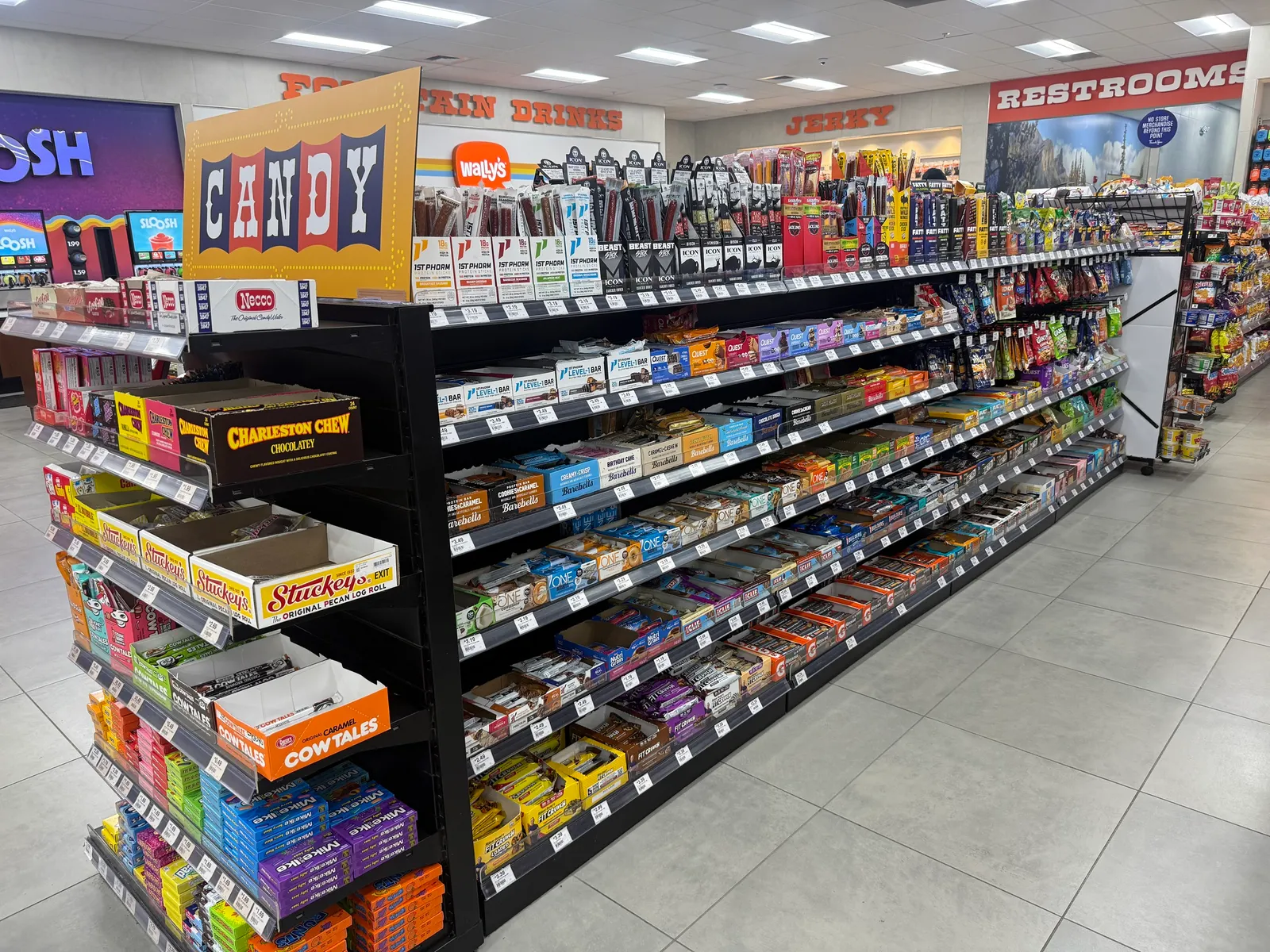
Wally’s has added high-protein products from snack companies Quest, Legendary and Built, among others. Like 7-Eleven, the company is also preparing to expand its offering in-house through private label meat sticks.
Wally’s stores have also transformed one entire aisle into a “protein alley,” gathering many of those options in one place.
“This aisle gets shopped very hard, particularly on the weekends with heavy roadtrip traffic,” Good said.
7-Eleven merchandises its protein products across the store, from the cold vault to foodservice areas and key endcaps.
“Our approach is guided by visibility and relevance,” the company said. “We place protein items alongside complementary purchases, like coffee in the morning or snacks later in the day, to conveniently align with customer routines and make those choices easier to navigate in-store.”
Badarraco also recommends integrating protein products into “real shopping moments.” While many customers focus on protein, most shoppers don’t enter the store looking specifically for it, she explained. Instead, they are addressing immediate needs like energy and satiety.
Badaracco recommends establishing daypart-based protein zones inside stores. The morning zone, placed near coffee stations, grab-and-go coolers and front-of-store refrigerated units, could include protein shakes, breakfast wraps, breakfast sandwiches and yogurt cups.
The midday zone could highlight “power through solutions” like snack boxes, wraps, bowls and jerky.
Additionally, protein desserts, coffee drinks, and snackable treats can be featured as “balanced indulgences,” Badaracco said.
However, c-stores should take care not to overdo it. While protein is important to some customers, many brands are jumping onto the trend, which is leading to fatigue, according to Kostyo.
“We’re already seeing indications that the protein trend may be hitting a plateau, but of course that only means that now everyone is moving on the next trend, which is fiber,” he noted.
Build a protein-packed foodservice lineup
Protein is not just for CPG categories. It’s a natural part of many fresh food items, and both c-store and non-c-store foodservice operators are finding ways to emphasize these options. This can help them target the 62% of consumers who say they actively look for high‑protein options when dining out, per Nation’s Restaurant News research,
C-stores and restaurants are adding items like egg-based breakfast wraps and burritos; protein bowls with eggs, beans or meat; snack boxes with protein and grains; chicken or tofu mini meals; wrap samplers and small plates; and global-inspired protein bowls and snack kits, Badaracco said.
All of which can help retailers meet the needs of protein-focused customers.
“Protein isn’t just an ingredient,” noted Badaracco. “It’s becoming the foundation of modern convenience eating as snacks are replacing meals.”