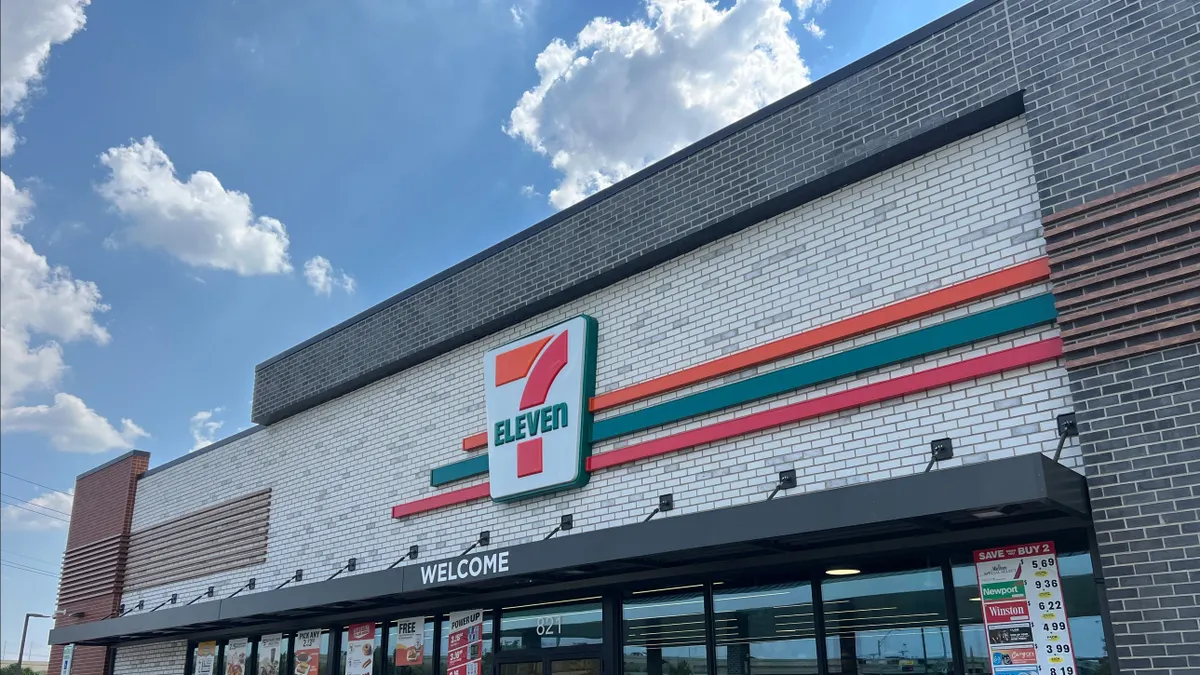
7-Eleven turned heads earlier this month when it revealed plans to close 645 convenience stores across North America — mainly in the U.S. — in fiscal 2026, while only opening about 200 locations in the same time frame. If that materializes, it’ll mark the most stores 7-Eleven has shuttered in the past several years and the fifth consecutive year in which closures outpaced openings.
On its face, the increasing closures may ring alarm bells for investors and consumers about 7-Eleven’s strategy. But the company’s top executives say that its total store count in North America will grow, not decline, in the coming years.
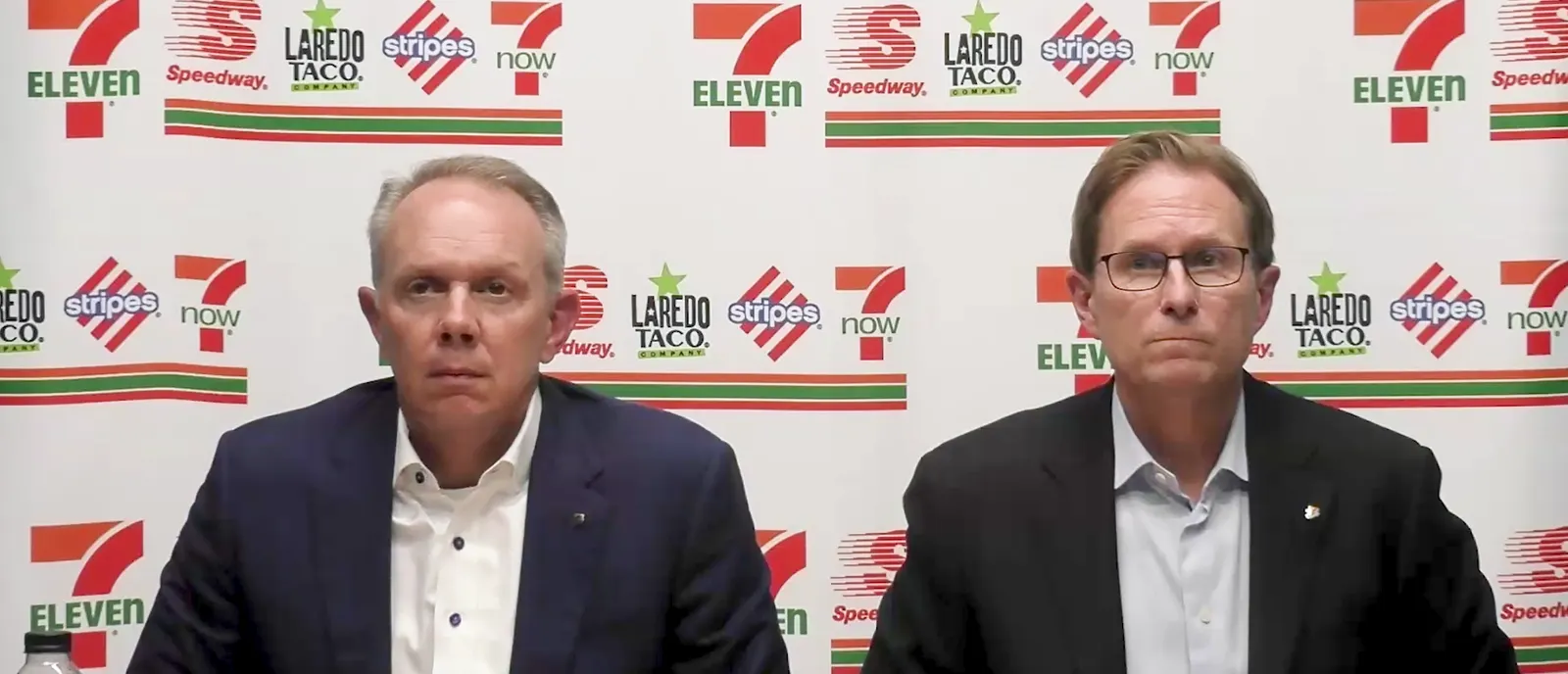
During parent company Seven & i Holdings’ investor relations presentation last week, 7-Eleven President and Interim Co-CEO Stan Reynolds emphasized that most of the 645 closures won’t actually include company-owned stores being shuttered, but converted to wholesale locations.
Seven & i revealed this plan during its earnings earlier this month, but nobody from the company has elaborated on it until now.
“What we call ‘controlled real estate store count’ will increase by 2030,” Reynolds told investors last week. “So what I mean by that is a lot of what we've talked about in terms of sites that will no longer be 7-Eleven branded are actually being converted to wholesale operation. They're not actually being closed down as a store.”
Converting company-owned locations to wholesale is a common cost-cutting measure used in c-store retailing. Virginia-based Arko Corp., which owns over 1,000 c-stores through its GPM Investments arm, has notably taken this approach in recent years. Arko has said that these sites yield higher profits from ongoing fuel supply agreements and rental income than they would from GPM operating the stores themselves.
7-Eleven appears eager to take a similar approach to its North America c-store network. During the investor presentation, Reynolds outlined “several benefits” 7-Eleven expects to see with this strategy, which will coincide with its plans to remodel over 7,000 c-stores in North America through 2030.
“Number one, the conversion, in and of itself, is more profitable,” he said. “But secondly, these are generally older sites that we would have to reinvest in to bring up to our ‘new standard’ we're striving for across the network. We think the better economic solution, and the better solution in terms of improving our network image, is to convert them to wholesale trade.”
He did not share an estimate of how many stores 7-Eleven will convert to wholesale versus close entirely. A spokesperson from the company did not respond by press time when asked for this information.
“I expect our total store count, inclusive of wholesale, will increase by 2030, even without M&A."

Stan Reynolds
President and interim co-CEO of 7-Eleven
Beyond the conversions and new builds, Reynolds added that 7-Eleven intends to grow its store network in the next few years by way of “smaller acquisitions where we buy in an existing area of operation.” He said these locations can be quickly rebranded to 7-Eleven with “very little integration process.”
A recent example of this type of deal was 7-Eleven’s purchase of the 15-store Short Market Express chain in the Las Vegas area.
“We've done a lot of those over the years and have been very successful,” Reynolds said. “There’s a lot less risk with those types of acquisitions, and I think they're a rateable way for us to augment our store count and augment our overall growth.”
Still, organic growth remains 7-Eleven’s “North Star,” Reynolds noted during the presentation.
“I expect our total store count, inclusive of wholesale, will increase by 2030, even without M&A,” he said.
As they express confidence in its North America network, 7-Eleven’s leaders face several challenges, including preparing for its long-awaited IPO, which has been pushed back to at least fiscal 2027 due to economic uncertainty. Leadership instability adds another layer of uncertainty, as 7-Eleven has seen significant turnover since the start of the year. Most notably, the company is still searching for a permanent successor to former CEO Joseph DePinto, who retired at the end of 2025.