C-stores, especially smaller ones, operate on razor-thin margins. Every inch of shelf space must be earned, and the wrong product cut or addition can cost a retailer more than lost sales — it can potentially drive away a disappointed shopper for good.
Sandeep Chugani, a managing director and senior partner at the consulting firm Boston Consulting Group, said in an email that BCG research on service stations found that top reasons customers visit included getting in and out quickly, satisfying an impulse need and easily finding the few items they came for.
The assortment has to cater to those patterns, though which products are hot and which ones are not can vary not just from town to town, but store to store. And as c-stores devote more store space to push deeper into foodservice, that space becomes even more precious.
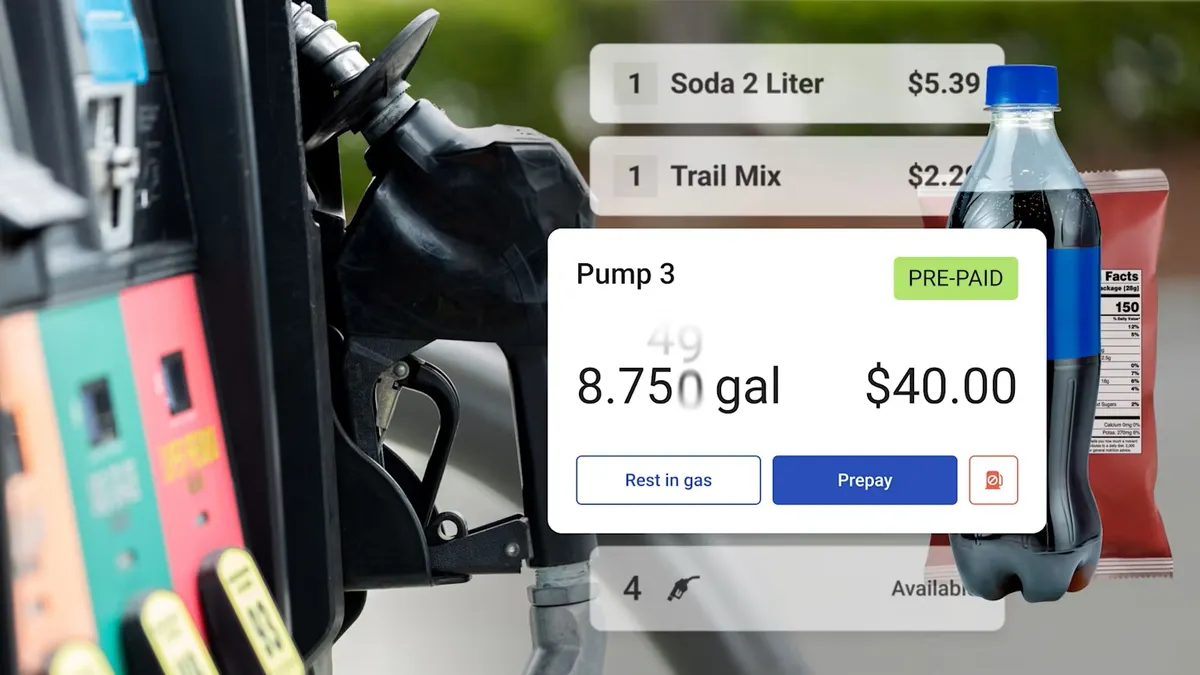
Now, a growing suite of artificial-intelligence-powered tools is helping retailers optimize their assortments with precise, data-driven insight, turning what was once a periodic, backward-looking exercise into an ongoing one.
As this technology grows more ubiquitous, experts share some thoughts on how c-stores — and particularly independent operators — can get the most out of applying technology to SKU rationalization.
How do retailers pick the right technology?
For retailers looking for AI’s help in guiding their merchandising, the first step is understanding how their assortment decisions are actually made: who makes them, how often and what data they use.
From there, operators can decide which parts of that process would best benefit from technological assistance. A retailer may not need the full suite of assortment and category management tools, just “a few pieces that get you to 80% or 90% of where you’d want to be at a fraction of the cost,” said Jon Kuether, a partner at Bain & Company in the retail and performance improvement practices.
“You don’t always need the Cadillac when the Honda Civic would do.”
Before evaluating any specific tool, retailers must make sure it connects to their existing systems and financial data — a step that’s “just as critical as selecting the right technology,” Kuether noted.
That’s becoming easier as cloud-based solutions increasingly can integrate with existing POS systems and deliver capabilities like analytics-driven item selection, product layouts and promotional schedules, Clementine Illanes, who leads retail strategy merchandising at Accenture, said in an email.
“Large, multi-chain c-stores may be able to invest in more advanced AI, real time inventory systems and automated replenishment capabilities, while independent operators may see stronger returns from more targeted, flexible assets that address immediate pain points,” Illanes said.
What does the financial outlay and return look like?
Technology to help with stocking decisions is also becoming more affordable. For example, costs for electronic shelf labels, which can make stocking changes easier and faster, dropped 67% between 2015 and 2025, Chugani said.
Falling hardware costs have narrowed the gap between large and small operators, but haven’t eliminated it.
Moving from periodic, backward-looking assortment reviews to data-backed planning typically delivers a 2%–5% margin improvement, said Venky Ramesh, chief client officer and head of the CPG, retail and marketplaces divisions at LatentView Analytics, in an email.
“The best retailers are going to still have the merchant making the decisions, but with a much more data-driven, insight-led sort of recommendation that they otherwise would not have gotten to.”

Jon Kuether
Partner at Bain & Company in the retail and performance improvement practices
Most of the gains come from cutting out-of-stocks, balancing space against product velocity and reducing waste, Ramesh added.
A focused effort on assortment redesign, including adopting new technologies, typically drives a 1%–3% sales increase, a significant number for many retailers amid slowing unit growth, Kuether said.
Independents will still likely need their supplier or franchisor ecosystem to make the software, integration and ongoing support affordable, since they lack the scale to build it themselves, Chugani added.
How much can the technology be relied upon?
AI can sort through sales patterns, spot underperformers and flag gaps, but the call to add or cut a product stays with the merchant.
“AI can get you to a great recommendation, but a human is going to need to layer in their judgment before making the final call,” said Kuether.
Processes can be fully automated after the decision is made — making sure the chosen items are ordered and on the shelf, said Chugani.
AI can’t negotiate cost terms, weigh the marketing support a brand will bring or factor in a relationship that the store’s leaders built over years. Business leaders should also build clear rules for when an employee can override an AI recommendation and when those decisions need sign-off from above.
“The best retailers are going to still have the merchant making the decisions, but with a much more data-driven, insight-led sort of recommendation that they otherwise would not have gotten to,” said Kuether.
What pitfalls should retailers watch out for?
There are a few common implementation traps retailers should be careful not to fall into
The first is tech that only surfaces a problem with the assortment without offering options to address that problem.
“If your tech stack tells an associate there’s a problem but not what to do about it, and in what order, you haven’t solved anything,” Chugani said.
The second is recommendations that emerge from a “black box,” Kuether said. It’s easy for leaders to dismiss stocking suggestions when it’s hard to understand how an operational tool arrived at its answer.
“[They] just put it aside and say ‘this is garbage, I’m gonna do it the old-fashioned way,’” Kuether said.
Critically, assortment technology has to be treated as a merchandising initiative, not an IT project. That means the change needs buy-in from divisions across the company. Ramesh noted that the ROI of adding AI-assisted technology to help with assortment decisions can dwindle quickly, if workers are not resetting shelves in a timely manner, for example.
And like everything else in business, it starts with the customer.
“Ultimately, having the right insights and data around what the customer is looking for at specific locations, at specific times of day, times of year, that is what is going to deliver the results,” Kuether said.