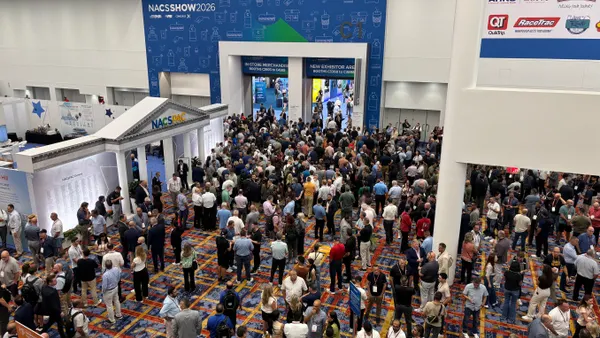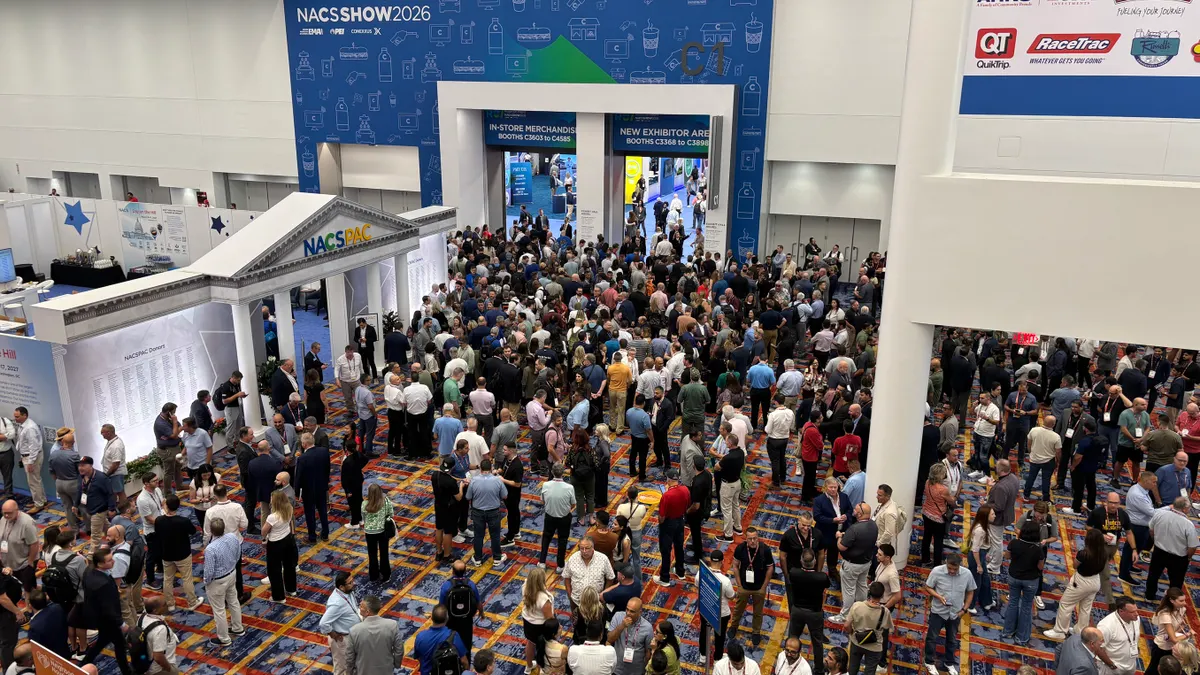
With the 2026 NACS Show in the books, we can take a birds-eye view of some of the common threads that ran through the expo.
Both the educational sessions and the show floor highlighted the growing role of foodservice and the changing landscape of drinks and snacking. Experts shared how they’re trying new ways to fix longstanding problems and rethinking their approach to their stores and technology in order to keep up with the changing consumer.
Below are our top takeaways from the 2026 show.
Declining transactions are a serious problem that could disrupt future plans
The total number of in-store transactions during the first half of this year fell 4.5% from the same period in 2025, setting the industry up for a difficult end to the year, Chris Rapanick, managing director of NACS Research, said during a Tuesday session.
Although foodservice performance held steady during this same period — total sales grew 0.3% — Rapanick issued a warning for small operators looking to invest in premium foodservice offerings during this difficult period.
Rapanick said he would “hit the brakes” on launching a made-to-order program if he were a small operator, unless the opportunity is undeniable.
“Think about commissary, think about other opportunities to make the profits,” he said.
For smaller retailers that already have a made-to-order program, Rapanick advised taking a harder look at controlling costs.
“Make sure you’re watching your production,” he said. “Don’t throw anything away.”
Digitally native consumers are a growing force
Gen Z and Gen Alpha customers were born into a world where technology has been integrated throughout their everyday lives, from smart phones to seamless online shopping and personalized algorithms and apps. This is reshaping their expectations for the convenience store experience.
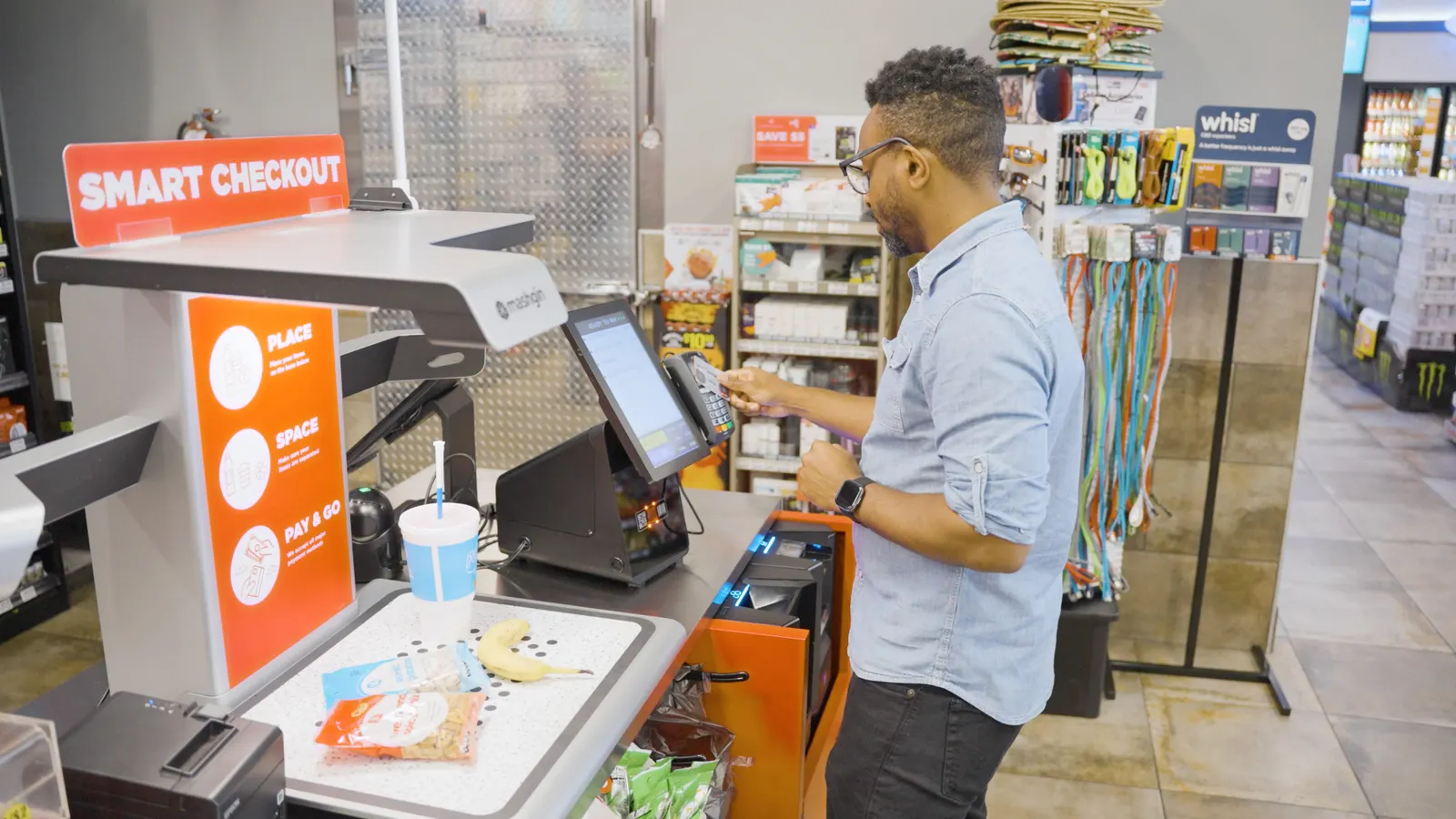
That reality was starkly shown when a video during a Wednesday session asked several younger consumers what technology they think would improve convenience stores. Some of the answers mirrored areas where retailers are expanding, like self checkout and loyalty. But equally notable was what topics didn’t come up.
“They don’t mention online ordering,” said Crystal Maggelet, CEO of Maverik, in the session. “They don’t mention mobile payment … They’re so used to those sorts of technologies being available to them that it doesn’t even come to mind when they think about convenience.”
That can be important to remember as retailers look to turn those consumers into lifelong customers. Some of the technologies that retailers are still just getting started with — such as mobile pay and online ordering — are considered table stakes for younger shoppers.
“They’re not even going to ask you for [the technology],” said Frank Gleeson, president and CEO of NACS. “If you don’t have it, you’re in trouble.”
It’s time to finally take the better-for-you trend seriously
C-stores have long been the go-to outlet for indulgences. The growing trend toward healthier foods has been gaining traction over the years, but it may finally be time for convenience retailers to take better-for-you options seriously.
The reasons are numerous, said experts across multiple foodservice sessions throughout the show.
While the rise of GLP-1 users is well documented, Jason Zelinski, vice president for North American Retail with NielsenIQ, said Gen Z is also bringing a cultural shift toward health-conscious shopping.
During a panel discussion, Zelinski and other industry experts shared a video where younger consumers were asked why they go to c-stores.
“Now there's this whole evolution to the kids and the people who want health-oriented snacks,” said Maggelet in the session.
Suzy Badaracco, president of Culinary Tides, a forecasting think tank and trend intelligence firm, pointed out that financial pressures are leading to more people replacing meals with snacks. But traditional salty and sweet snacks aren’t growing.
“What's rising is healthy snacking, because what am I doing? I'm replacing a meal,” Badaracco said.
Just having the healthy options is not enough, multiple speakers noted. Retailers also need to be clear about the benefits of healthy products in their messaging.
“[Customers are] looking for you to say it out loud,” said Badaracco. “You say it's balanced. It’s portion controlled. It's nutrient-rich pairings.”
Deciding whether to build, buy or remodel comes down to risk
Building, buying and remodeling are the three core ways convenience retailers grow their businesses.
But when deciding which path to take, operators shouldn’t ask which strategy is best, but rather which one offers the highest risk-adjusted return on their next dollar, Irfan Tejani, president and CEO of Texas-based Pinnacle Oil & Gas Holdings, said during a Tuesday education session. He added that each strategy works best in certain situations.
Building, for example, is ideal when the market is healthy, the site is “exceptional” and the economics justify the longer runway to profitability. Buying makes sense when an existing site has a good customer base, infrastructure and identifiable upside. And remodeling is the right move when demand exists but the asset, offer, layout or customer experience at the site is holding the store back.
Tejani said he used that framework to help grow Pinnacle Oil to 120 c-stores across five states. But none of those strategies can succeed without having the proper people and systems to support growth.
“If you do not have the infrastructure, both the front end and back end, it’s going to be a disaster,” he said. “You cannot scale your business, especially a c-store business, with so many moving parts to it unless you have the proper teams managing it.”
Functional products took over the show floor
As consumers trend toward better-for-you options, functional snacks are on the rise — and that was overwhelmingly clear at the NACS Show.
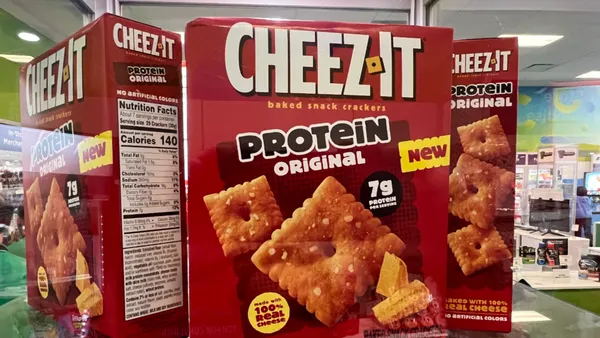
On the show floor, protein was seemingly everywhere — featured prominently in nearly every third booth, and marketed more aggressively than ever. No longer focused on traditional categories like jerky and protein bars, the trend is now invading just about every type of product.
Salty snacks included J&J Snack Foods’ soft protein pretzels and Bucked Up’s protein popcorn. In the candy aisle, Barebells, known for its protein milk and bars, debuted a new line of gummy candies.
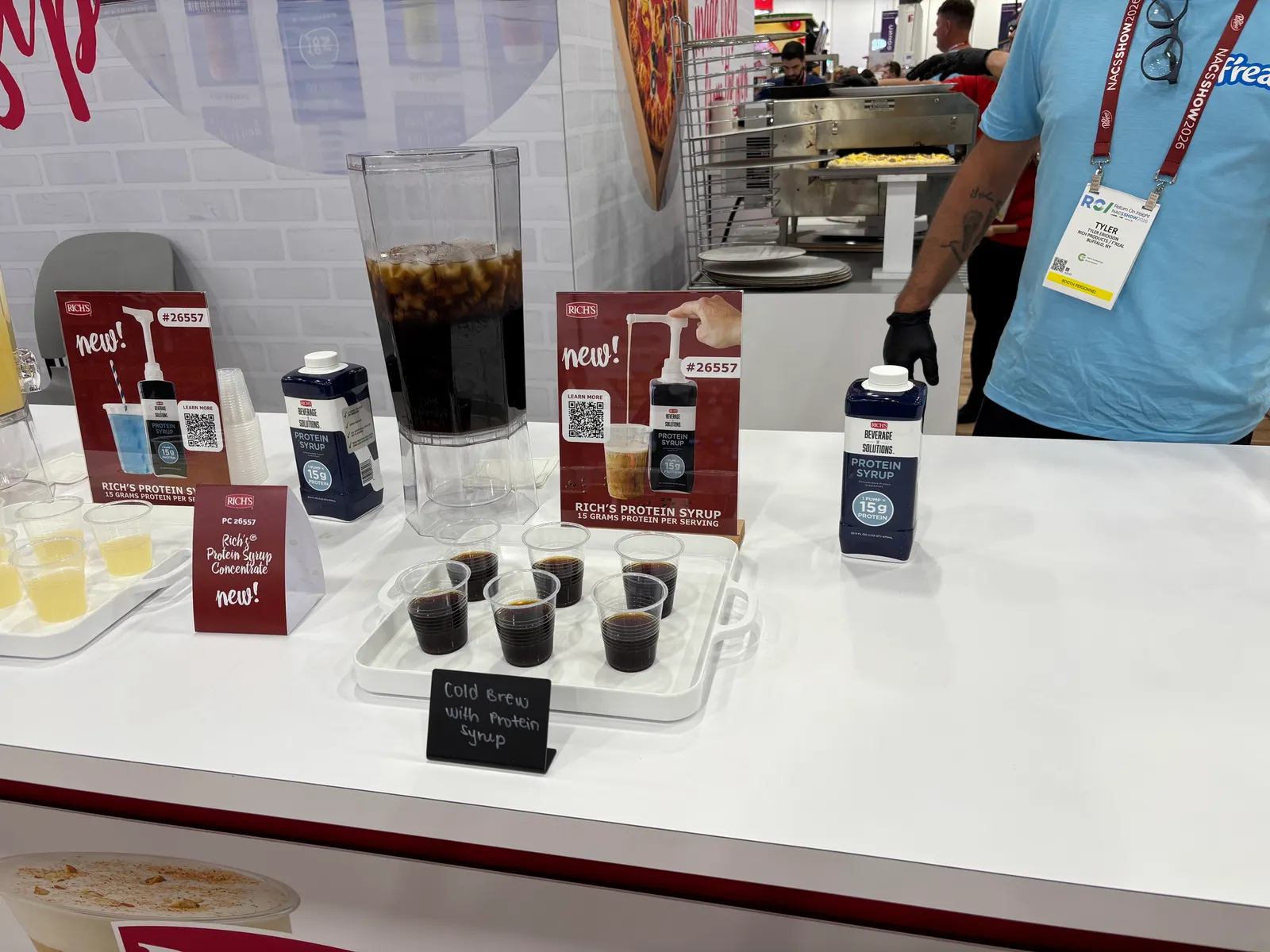
Dispensed beverages even got in on the action, with Rich Foods showing off a protein liquid that can be added to drinks.
Hydration also had a significant presence among the show’s beverage companies.
Energy drink companies were heavily represented, with C4 showing off its zero-caffeine Hydrasport powdered drink mix while smaller brands like Rvivl and PHX offered samples of their hydration beverages.
Beyond the energy companies, Capri Sun sported the fruity flavors of its Capri Sun Hydrate beverage in bottles. Cirkul also had multiple flavors of its hydration soda at the show and Pepsi showed off its new Gatorlyte Longer Lasting.

New SNAP stocking rules are sowing confusion
With new stocking requirements for retailers participating in the USDA’s Supplemental Nutrition Assistance program set to take effect Nov. 4, retailers are seeking clarity on how exactly they can adhere to the new rules.
The regulations, which were stuck in limbo for more than a decade, require retailers to stock seven product varieties in each of four health-focused categories — proteins, grains, vegetables and fruit, and dairy — and include at least three stocking units of each one. That’s up from the current requirement of three varieties in each of the four categories. The rule also requires retailers to stock one variety of perishable product in at least three of the four categories.
C-stores are struggling to parse the requirements and ensure they reach compliance, said Margaret Mannion, director of government relations at NACS. Yet retailers haven’t gotten much clarity from the USDA, so NACS is pushing the agency to delay enforcement of the rule.
Eva Rigamonti, chief legal officer and corporate secretary for Pilot, said the travel center company is struggling to source some compliant items and needs more clarity on how to categorize certain products. Canned peas, for example, could qualify as a protein or as a vegetable. And it’s hard to tell whether or not hard-boiled eggs in a to-go container count as shell eggs.
Rigamonti also noted state-specific rules and waivers can create more difficulties for companies like Pilot, which operates across most of the country.
“The cost to comply is much higher, and the likelihood that you're going to make a mistake is much higher,” said Rigamonti. “It's not fun, and in some ways, especially with a national anti-hunger program like this, having patchwork rules kind of undercuts the purpose of the program.”
The role of the store manager is changing
Store managers are typically most effective when they’re out in their stores interacting with customers, solving problems and coaching employees. But they often get stuck in back rooms handling paperwork and other administrative tasks for long stretches.
Casey’s General Stores and Texas Born both said during the show that they’ve centralized and automated some of the most time-intensive work so managers can focus their attention on hands-on tasks.
One of the most time-intensive tasks managers face has been recruiting and hiring in the high-turnover industry. To address this, both chains have centralized their recruiting processes by having company recruiters review applications and conduct screening interviews with candidates. Once a recruiter deems a candidate a good fit, they then pass that individual along to the store manager, who does the final interview and makes the call on hiring.
Casey’s also uses recruiters to standardize its communication with potential employees. This has helped the company get better at identifying and weeding out unsuitable candidates, said Sherri Hart, vice president of HR field operations at Casey’s. Using recruiters has cut the number of times people “ghost,” or fail to show up for interviews, by around 40%.
“These folks know how to interview,” Hart said.
TXB, meanwhile, has automated processes like inventory scanning and updating fuel prices, giving managers back 4-5 hours in their work week, said Nathan Graham, TXB’s director of human resources, during the session.