Consumer sentiment fell nearly 8% month over month in August to 51, according to preliminary results from the University of Michigan. While that may seem low, it’s higher than at any point during the second quarter of this year, when the readings all came in below 50.
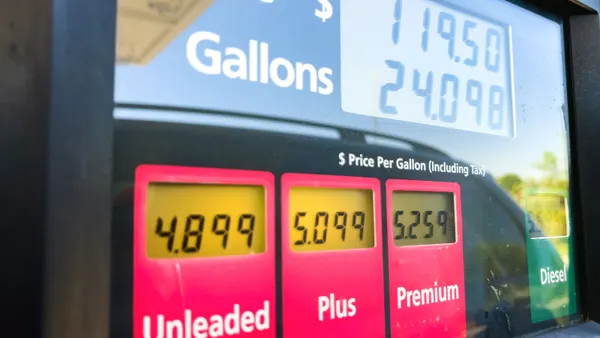
High fuel prices because of the Iran War, in addition to continuing effects from years of high inflation, are making some consumers pull back their spending, which can be hard on the often impulse-driven items inside c-stores such as snacks and candy.
Below, we look at what four convenience retail executives said about the current economic situation during recent earnings calls.
Arko highlights ‘historic lows’ in consumer sentiment
Arko Corp.’s chief executive was direct about the impact of consumer anxiety on its results.
“Consumer sentiment reached historic lows, while prolonged higher fuel prices placed additional pressure on household budgets and influenced purchasing behavior,” said Arie Kotler, chairman, president and CEO of Arko.
With average gas prices climbing to over $4.60 nationally in May, Kotler noted that Arko saw pressure on both fuel gallons and in-store sales during Q2. However, the company actually saw more trips to the pump, suggesting people were getting less gas at one time.
Still, Arko saw same-store merchandise sales excluding cigarettes drop less than 1% during the quarter, according to the earnings release.
“In a pressured consumer environment, maintaining nearly flat same store merchandise sales, excluding cigarettes, while expanding margin by 110 basis points, it's an important proof point for the quality of our retail execution,” said Kotler.
CrossAmerica Partners gets help from foodservice
CrossAmerica Partners saw a decline in fuel volume across both its retail and wholesale segments year over year, according to the company’s Q2 earnings release. On the retail side, same-store fuel volume was down 11%, president CEO Maura Topper said during the company’s earnings call.
Topper attributed the decline to elevated fuel prices and input volatility.
However, inside sales did not see the same negativity.
“On a same-store basis, our overall inside sales were relatively flat for the second quarter compared to the prior year, with growth in the areas of other tobacco products and food, both branded and proprietary, offset by slow customer traffic in other areas,” Topper said.
Topper noted that fuel demand and inside sales are normally correlated, and credited the flat inside sales to CrossAmerica’s focus on improving food operations at its company-owned locations in recent years.
Global Partners sees relatively little impact
Global Partners is seeing some impact from inflation and higher prices reflected mainly in the size of fill-ups being down, Chief Operating Officer Mark Romaine said during the company’s Q2 earnings call. However, he said the impact wasn’t “material.”
“That could be also trading down from 93 octane to 87 octane,” Romaine added.
Murphy USA capitalizes on volatility
Murphy USA views its 0.5% uptick in fuel volumes as “very encouraging, especially given the pricing environment,” said Mindy West, president and CEO, during the Q2 earnings call.
Still, “we know that absolute price level matters,” West added.
While Murphy saw flat-to-slightly-down fuel volumes in April as fuel prices soared, the company was able to take advantage of opportunities as oil prices reversed course.
“When prices fall, competitors are going to react at different speeds,” said West. “That gives us the opportunity to create separation and drive incremental volume. That's exactly what we saw in May.”