Updating loyalty technology is a balancing act. New capabilities can help retailers reach out to shoppers, but if those messages aren’t correctly tailored, they risk becoming noise.
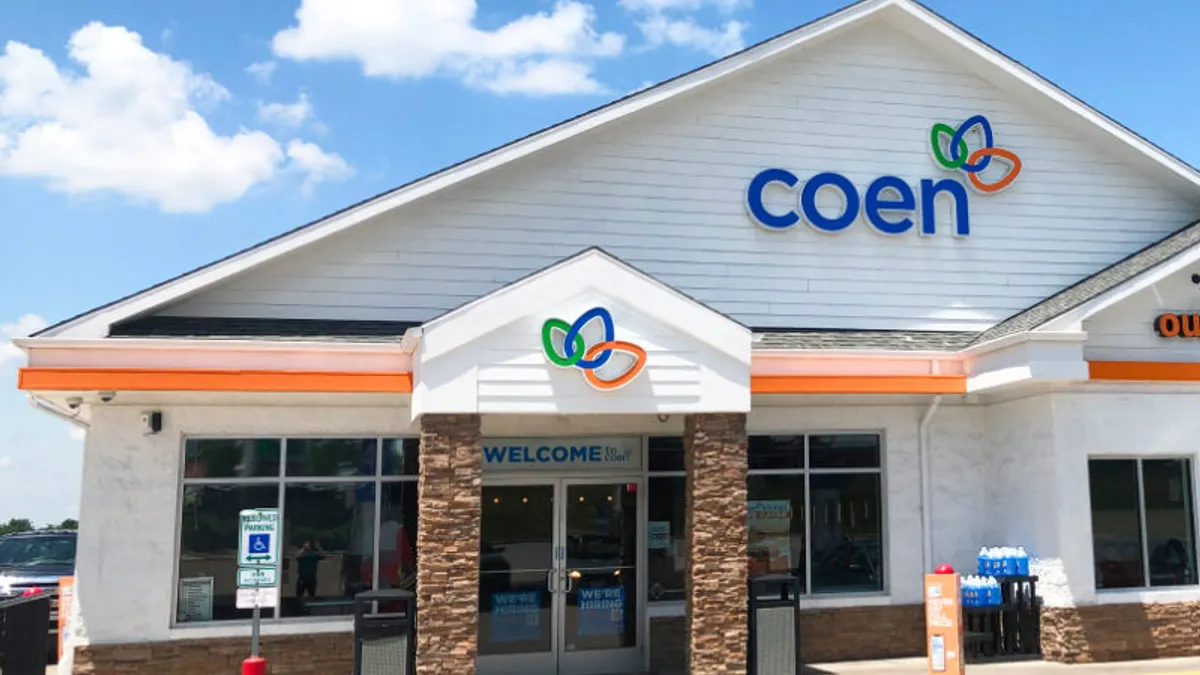
“I think we're now in an age where consumers are now very used to and almost expect engagement from brands, but they can also tell when they're logged in on things that don't matter to them,” said Andrea Neurohr, vice president of marketing for Coen Markets, a chain of over 50 c-stores in Pennsylvania, Ohio and West Virginia. “And that's the quickest way to get somebody to unsubscribe from the communication.”
She noted that this means making Coen’s offers relevant becomes crucial.
“I'm not sending a tobacco deal on loyalty to somebody who's not a smoker, right?” she said.
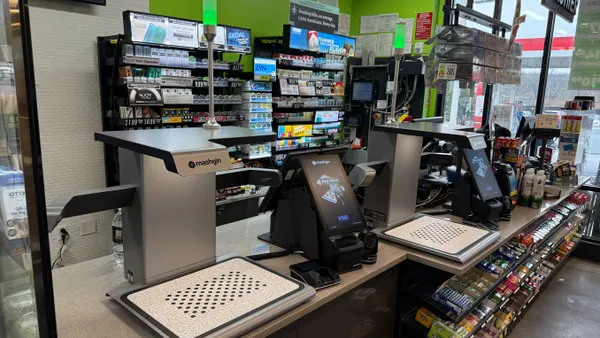
In a bid to make better use of the data it was getting from rewards members and improve its loyalty program, Coen partnered with Paytronix.
Since then, the program has taken off.
Coen Markets’ evolving needs
Coen needed three main features in its new loyalty program, Neurohr said: a CRM platform to easily engage with customers, direct access to more analytics, and the ability to use segmentation.
Paytronix helped Coen learn how to sort through the data and set it up to power new types of outreach.
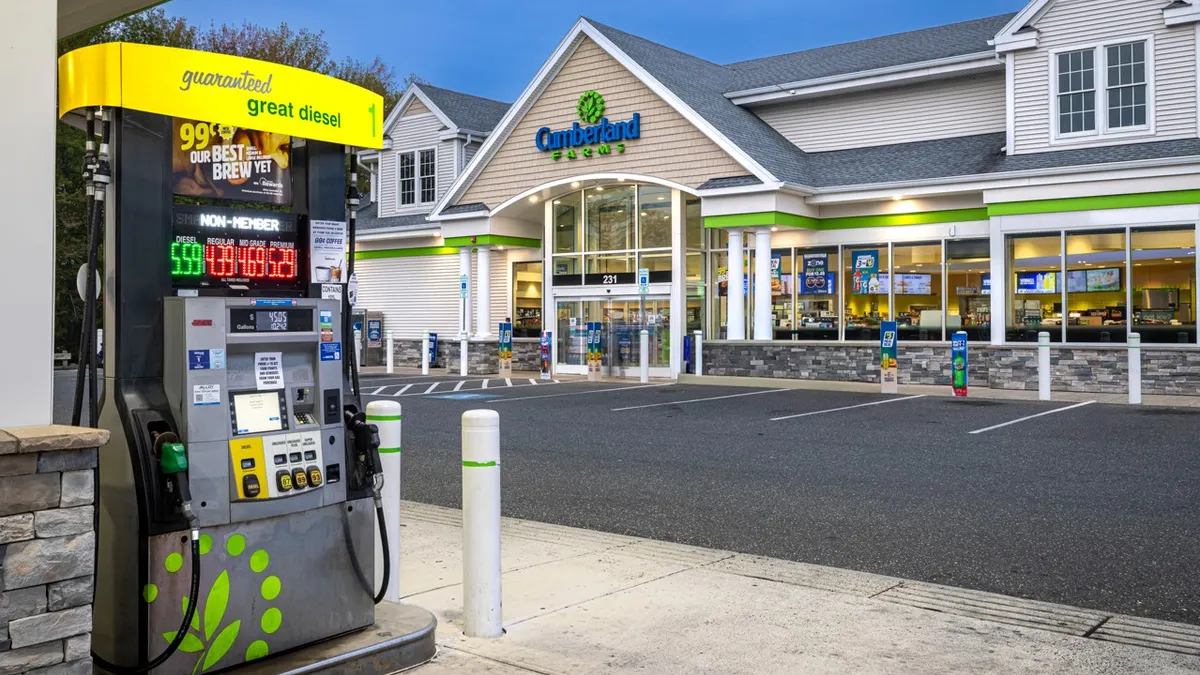
For example, Coen, which is in the process of being acquired by Cumberland Farms, set up nurturing and win-back campaigns using the retailer’s company data. Paytronix’s data suggests that once a loyalty member has returned three times, they’re far more likely to make that store a regular stop. So frequent Coen customers get loyalty offers at a regular cadence, while those who haven’t visited a store in a while get additional offers to tempt them back.
“I am a firm believer that to get somebody in your loyalty program, you do have to give a little bit too. People don't give their information for free. They don't give their time for free, which is ultimately what it is when they come to your store.”

Andrea Neurohr
Vice president of marketing for Coen Markets
“When you first sign up, you get 20 cents off,” Neurohr said. “So that's your first visit. And then, hey, we haven't seen you for a little while — here's another 10 cents off.”
For members who appear to be lapsing, the program takes into account the person’s prior shopping cadence.
“Sometimes people do just come once a month,” said Neurohr. “So they don't necessarily need to give them anything extra to do that because that is their routine.”
Despite a difficult operating environment in which c-store trips are declining, visits per guest are up 5% year over year at Coen’s stores, Neurohr said.
“A loyalty program, to me, is about the visit,” said Neurohr. “My biggest KPI is having people choose Coen more often than they did before. And that number is still growing. And I think that that's huge.”
For the last 12 months, ending in April, unique visitors increased 28% year over year and total visits were up 35%. Additionally, Coen’s average loyalty basket was higher than non-loyalty baskets, with members spending about $2 more per trip on average than non-members.
Overall, Coen has nearly doubled its loyalty penetration since the change, with some locations seeing 30% or more penetration, putting it in the 75th percentile among c-stores, according to Paytronix data.
“That's something that we're super proud of,” Neurohr said.
Coen’s drive to increase visits also helped spark the company’s popular summertime ice cream promotion, which launched in summer 2024. Through the program, loyalty members can get one free ice cream sandwich per day, choosing from multiple options from a rotating CPG partner. This year, it’s Hershey’s Ice Cream.
“I am a firm believer that to get somebody in your loyalty program, you do have to give a little bit too,” said Neurohr. “People don't give their information for free. They don't give their time for free, which is ultimately what it is when they come to your store.”
During the integration’s first year, Coen ran the promotion for six weeks. For the 2025 and 2026 versions of the program, the chain planned a three-month run. The program has not been affected by Cumberland Farms’ pending acquisition.
Coen also gave workers access to a more limited version of the program, which helped them discuss it with shoppers. Neurohr also makes a point to share with store managers at an annual meeting each year how well the program does.
“I've shown them what they've helped do for Coen,” she said, saying she felt it was important to show them that “they have a part in it too.”