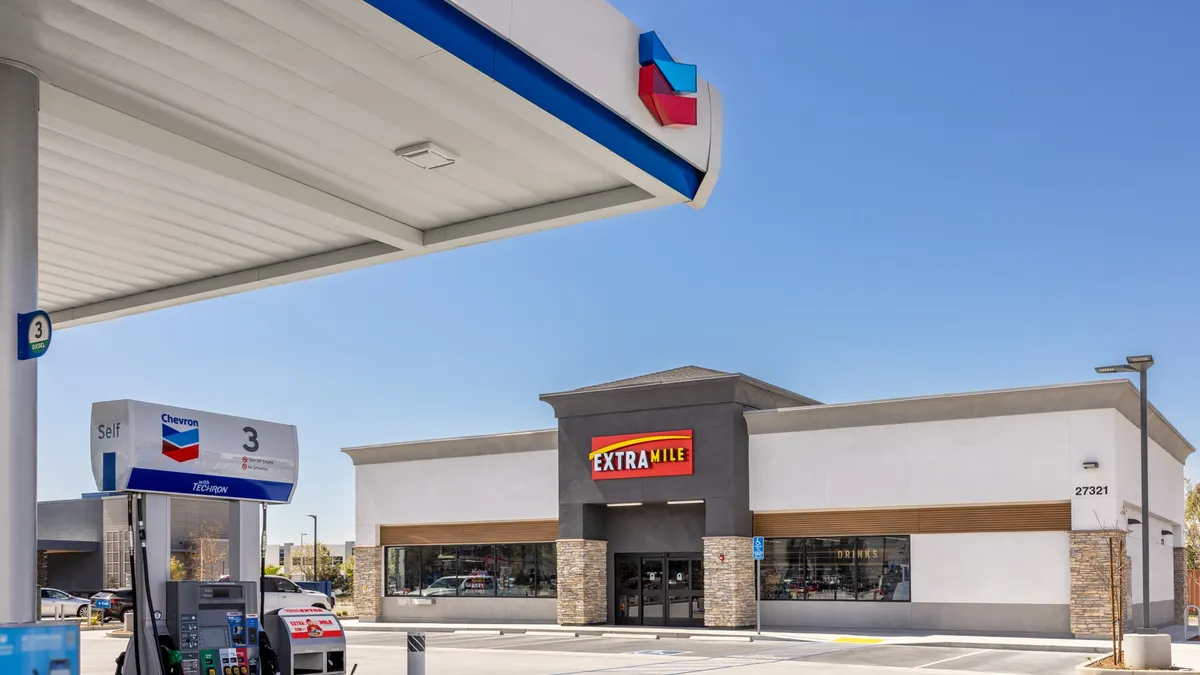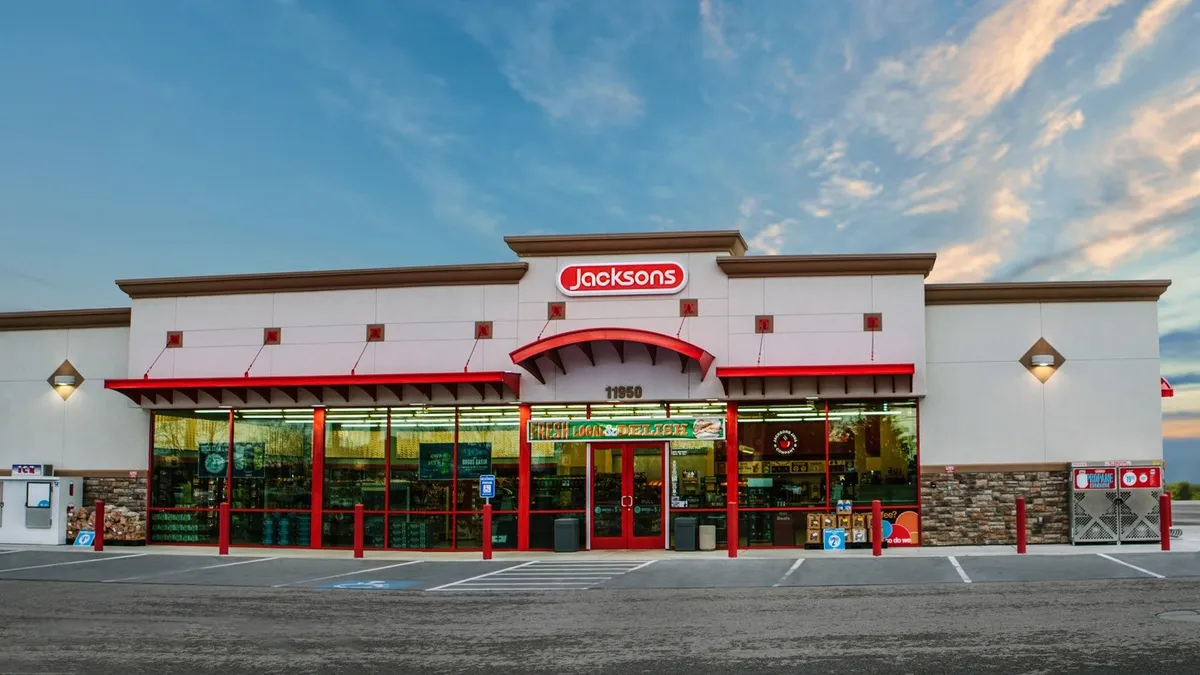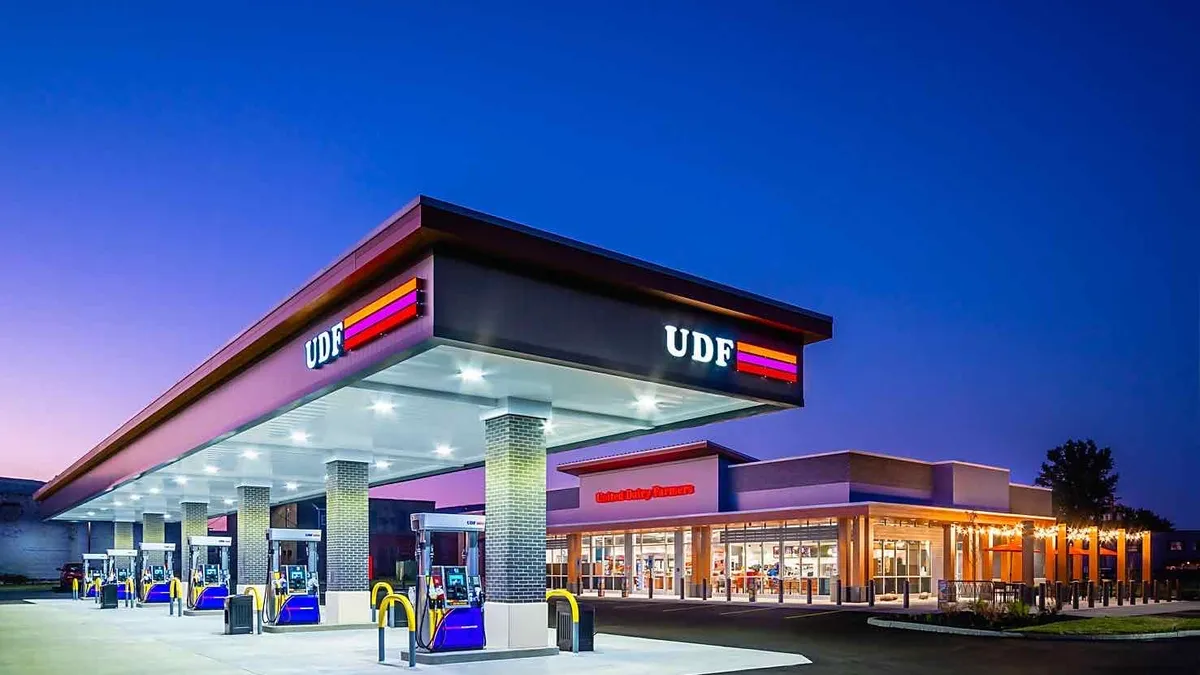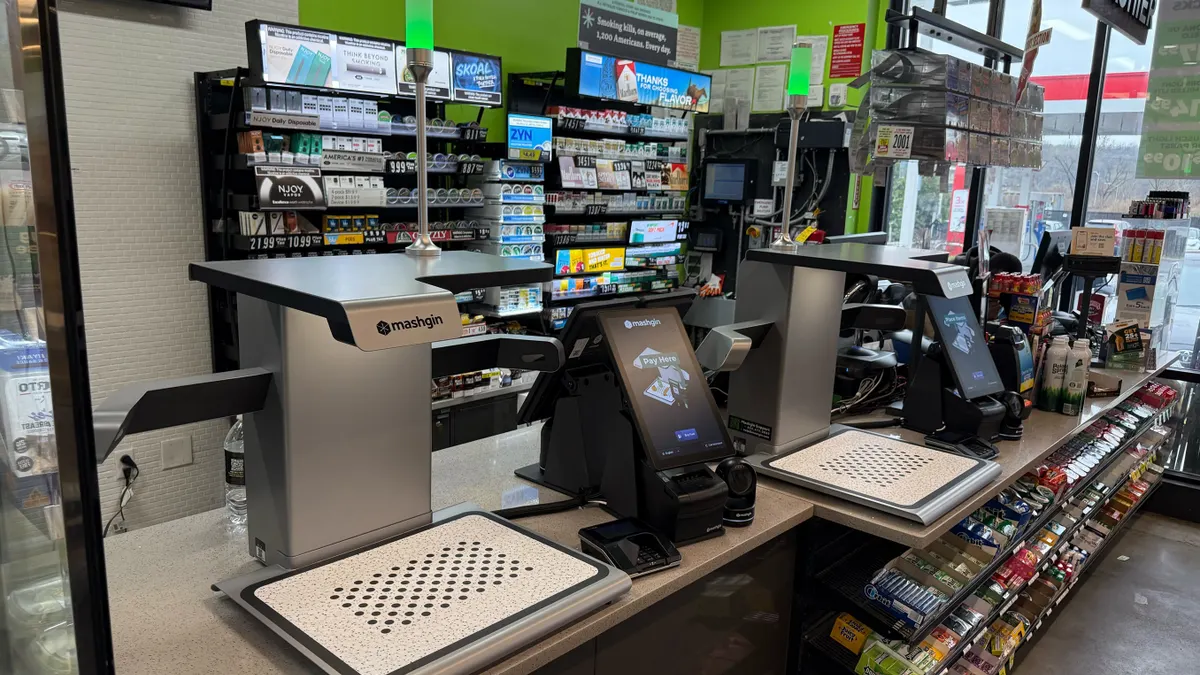

Video network GSTV partnered with Stagwell company The Marketing Cloud to integrate the Stagwell Agentic Targeting System, per details shared with Marketing Dive. The leading player in the convenience and fuel channel, GSTV will become the first media network outside of the agency holding company to use SATS.
The launch comes as other tech firms, ad-tech companies and traditional holding companies make moves in the developing agentic AI space. Stagwell believes it has an advantage with SATS, which is powered by Palantir Foundry and the tech company’s artificial intelligence technology, and which has been described by Stagwell Chairman and CEO Mark Penn as “the holy grail of marketing.”
The partnership allows GSTV, which has more than 29,000 locations and a reach of 115 million unique U.S. adults each month, to build and activate audiences using real-time signals that promise to provide deeper insights beyond traditional demographic targeting. Conagra Brands, the CPG company that makes meat snack brands including Slim Jim, Fatty and Duke’s, is the first GSTV advertiser to use SATS as part of its campaign planning.
“At Conagra, we’re constantly looking for smarter ways to understand and connect with consumers in moments that matter,” said Peter Choi, Conagra vice president of marketing, in a statement. “GSTV’s integration with the Stagwell Agentic Targeting System gives us a more dynamic view of the convenience retail audience allowing us to move beyond static demographic assumptions and toward real-time behavioral insights that can help drive stronger planning and performance.”
Conagra, whose meat snack brands are nearly as endemic to gas station convenience stores as gasoline, is a natural fit for GSTV’s new Stagwell-powered capabilities. The use of SATS builds on the CPG marketer’s previous efforts to lean into data and insights to improve consumer insights and media deployment, explained Lauren Lazarus, senior vice president of insights and analytics at GSTV.
“Because we are the only scaled video media network across fuel and convenience, we can play a really pivotal role in helping [Conagra] to understand that segment of their audience, specifically, using this data,” Lazarus said. “It’s about helping our partners figure out how best to talk to their consumers that are in this channel.”
From reach and impressions to audience and outcomes
SATS serves as a connection between ad platforms like GSTV and Stagwell’s ID graph, which is built from proprietary datasets on more than 260 million U.S. consumers and includes other behavioral, attitudinal and mobility signals drawn from across Stagwell’s ecosystem. The graph can also be customized using client first-party data and additional third-party data, and the overall system continuously evolves to refine and optimize media planning.
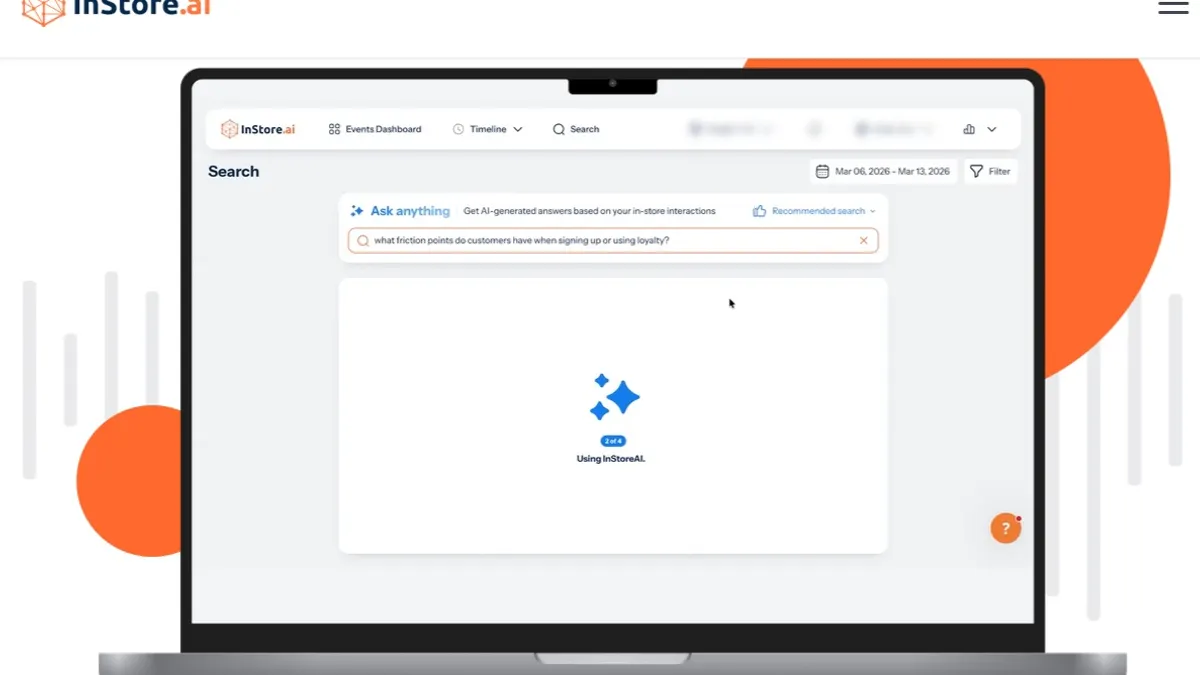
“People talk about all the data that's out there, but a lot of people get caught in analysis paralysis,” said Elspeth Rollert, CEO at The Marketing Cloud. “How do we allow folks to analyze millions of pieces of data using natural language to turn insights into action?”
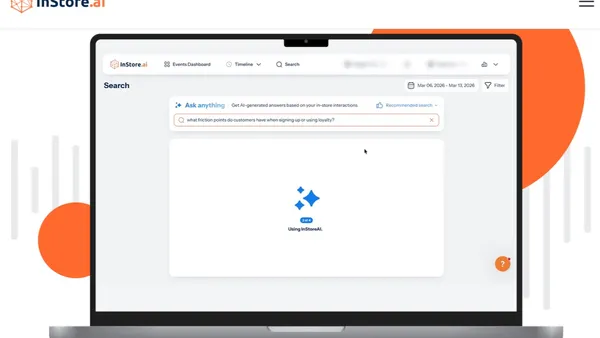
The ability to use natural language querying with SATS could help GSTV work with its advertisers, but it can also democratize data and insights by potentially breaking down internal silos throughout its own organization.
“It doesn't mean [we] hand over a tool, ask questions and take whatever output you get, but I do think it makes it a little bit more approachable,” Lazarus said. “You can have that responsibility sit with several different teams, so that everyone understands holistically the value that we are delivering to our clients.”
As the focus of media has evolved from mass reach and impressions to audience and outcomes, the value that GSTV delivers to advertisers has been centered around outcomes because of the way its video network engages with consumers at a moment of intent and spending. Its collaboration with The Marketing Cloud around SATS will help step up its ability to build and activate against audiences.
“We're thinking about how we get better at audiences, which is typically a weaker area for digital out-of-home, candidly, so that we can drive those outcomes even more efficiently, and be better consultants to our advertiser partners on who their consumer is, and, specifically, who their consumer is at GSTV,” Lazarus explained.