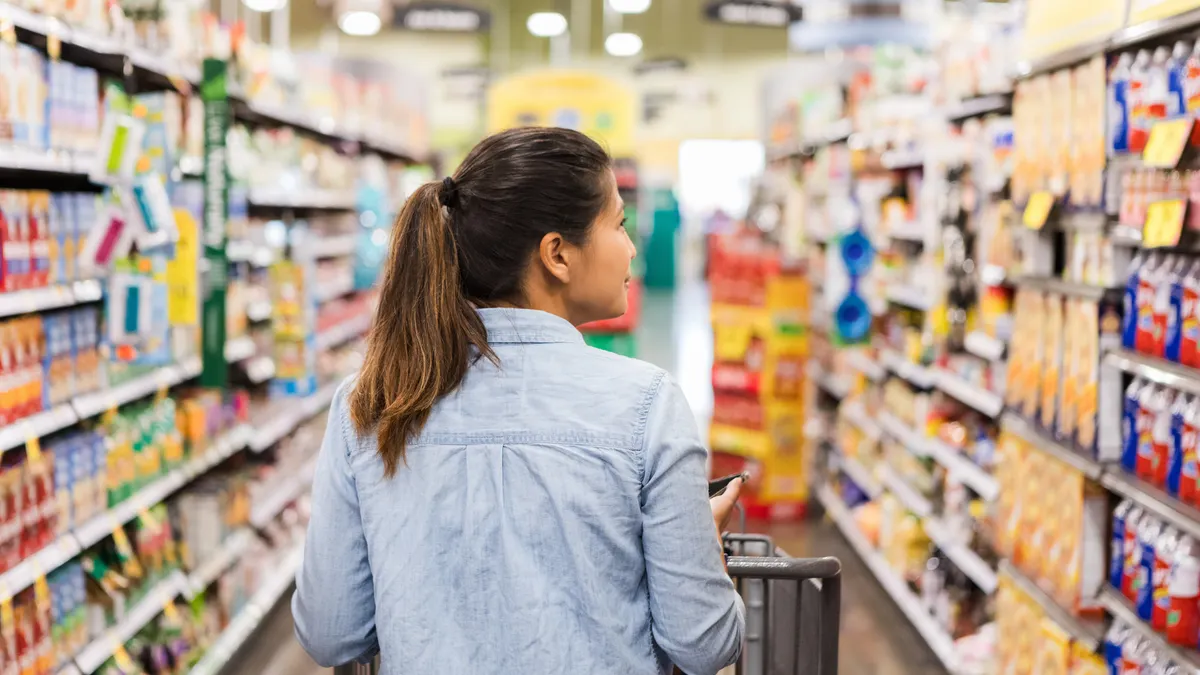

In c-stores, grab-and-go snack decisions often happen in a matter of seconds, somewhere between the gas pump, the cooler, and the register. Yet those quick choices are increasingly shaped by the intentions consumers bring with them: more protein, recognizable ingredients, better balance, or simply something that feels worth the stop.
That creates a clear opportunity to rethink what belongs in the modern c-store snack set, especially as more brands bring functional benefits into formats built for everyday convenience. Babybel Pro, launched in 2026, is one example: a portable two-count cheese snack made with real cheese, protein, and live and active probiotics.
“We’re seeing a revolution in consumers’ approach to snacking,” said Brandon Potter, Head of U.S. Growth Marketing at Bel Brands. “While great taste remains essential, consumers are looking for more. They’re more mindful and intentional about what they eat, no matter the occasion.”
Better-for-you snacks are gaining measurable traction. In an article summarizing SPINS’ State of Snacks research, The Food Institute reported that sales in the better-for-you category grew 10% in recent months, while close to 70% of surveyed consumers said they actively try to make healthy choices “often or always.” For c-stores, that raises expectations for a channel long built around impulse and immediacy.
“Operators can’t rely on the spontaneity of traditional offerings if they want to stay relevant,” Potter said. “A consumer looking for a balanced snack will walk out of a c-store if they don’t find an option that meets their needs.”
From Impulse to Intention
Consumers are asking more from the foods they buy between meals. Enjoyment and convenience still matter, along with satiety, ingredient quality, and benefits that fit how people already eat.
Protein has become one of the clearest examples of that added value.
“Most often, consumers want snacks that satisfy hunger and keep them feeling full the longest,” Potter said. “Protein content is a signal that snacks can do this job.”
Gut health is also moving further into mainstream wellness. In an article citing Markets and Markets research, Food Navigator reported that the global gut health market now exceeds $71 billion and is expected to surpass $105 billion by 2030, reflecting broader demand for products tied to functional ingredients and proactive wellness.
The rise of GLP-1 medications may add another layer. Citing Circana research, Food Dive noted that about 23% of U.S. households currently have a member using GLP-1 drugs. Potter said those consumers are often seeking smaller, more frequent snacks with multiple benefits, including protein density and probiotics.
The message for operators is straightforward: balance, value, and convenience are starting to overlap in new ways.
Why Familiarity Matters
In a quick-trip environment, benefits need to be easy to understand. People may be open to better-for-you options, but they still need to recognize the product, appreciate the value, and feel confident making the choice in seconds. Familiar brands and formats can help close that gap.
Babybel has long occupied a space between playful and practical, with individually wrapped cheese that feels portable, portioned, and easy to trust. The brand’s red wax also gives consumers a distinctive snacking ritual they already know.
Bel is building on that familiarity and momentum with a $200 million expansion of its Babybel production facility in South Dakota and the 2026 launch of Babybel Pro. Each Babybel Pro 2CT package contains 10 grams of protein* and billions of probiotics**, with individually wrapped cheeses made from real cheese.
“The portability of the two-count makes sense for c-stores,” Potter said. “We commonly see consumers eat two Babybel cheeses at a time, making the pack size a natural fit when hungry shoppers seek out a satisfying snack.”
Clear Benefits, Quick Decisions
Benefit-forward snacks can support both foot traffic and basket-building. More balanced options may make the store more relevant before a shopper ever walks in, while also encouraging an additional purchase alongside beverages, candy, or traditional salty snacks.
The refrigerated case remains an important part of that story because it’s where many shoppers already look for beverages and chilled grab-and-go options, Potter said. The larger opportunity is visibility: making sure options are easy to find, clear to understand, and consistently in stock. Simple in-store or on-cooler signage can call out protein, probiotics, and real cheese content without requiring much space.
Packaging and display-ready cases can also communicate quickly without adding friction to the trip, helping operators make these options easier to spot in a fast-moving retail environment.
Where Functional Snacks Fit
These newer options can help operators expand the snacking occasion without moving away from the products shoppers already expect to find.
“The chips, candy, and other historical staples will always have a role,” Potter said. “The operators that win will be the ones that best navigate the incorporation of functional snacks.”
That may mean reassessing assortment, placement, signage, and how familiar brands can make those choices feel simple within the trip. It can also mean thinking more strategically about how functional options sit alongside the core products that continue to drive the channel.
Ultimately, the opportunity is to make the c-store stop feel more worthwhile, with snacks that pair convenience with real ingredients, clear benefits, and familiar brands customers already trust.
Learn more about how Babybel Pro brings real cheese, protein, and probiotics to the grab-and-go snack occasion.
*See nutrition information for Saturated Fat Content
**Contains LGG™ probiotic culture