As the c-store industry struggles to overcome a recent downturn in store sales and trips, private label is emerging as a valuable tool that can boost loyalty and address affordability concerns.
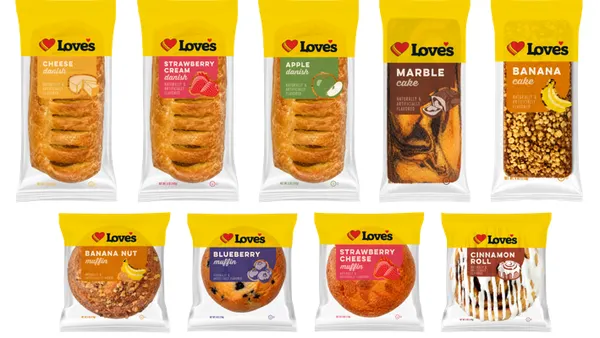
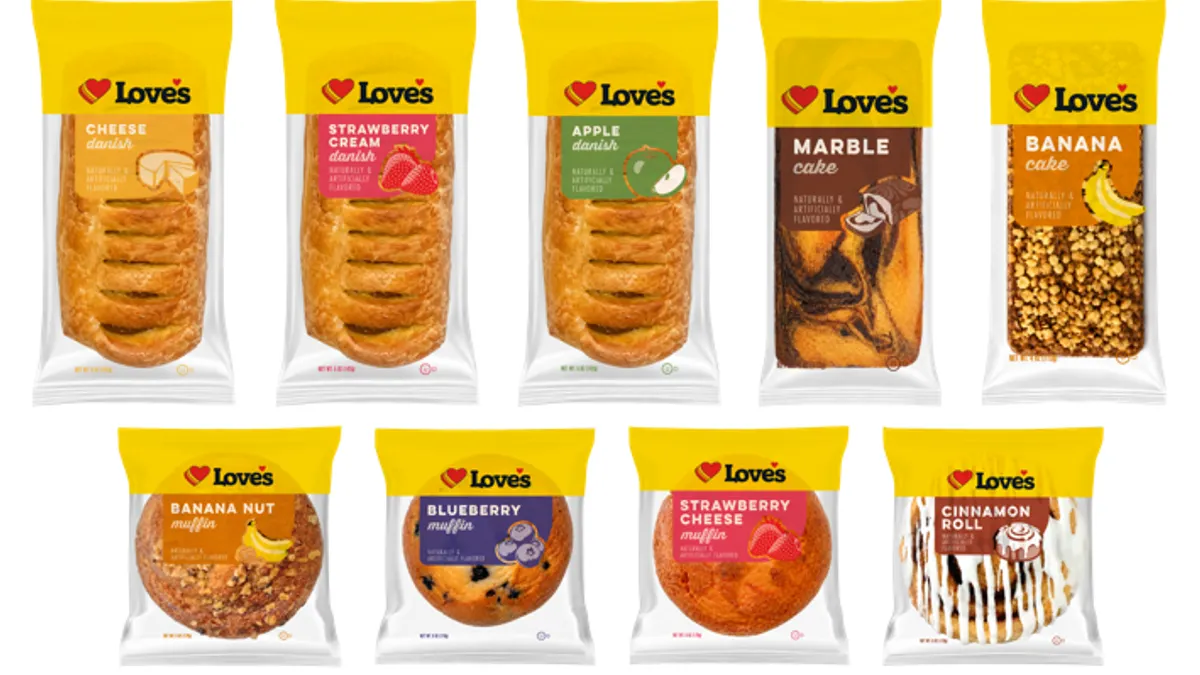
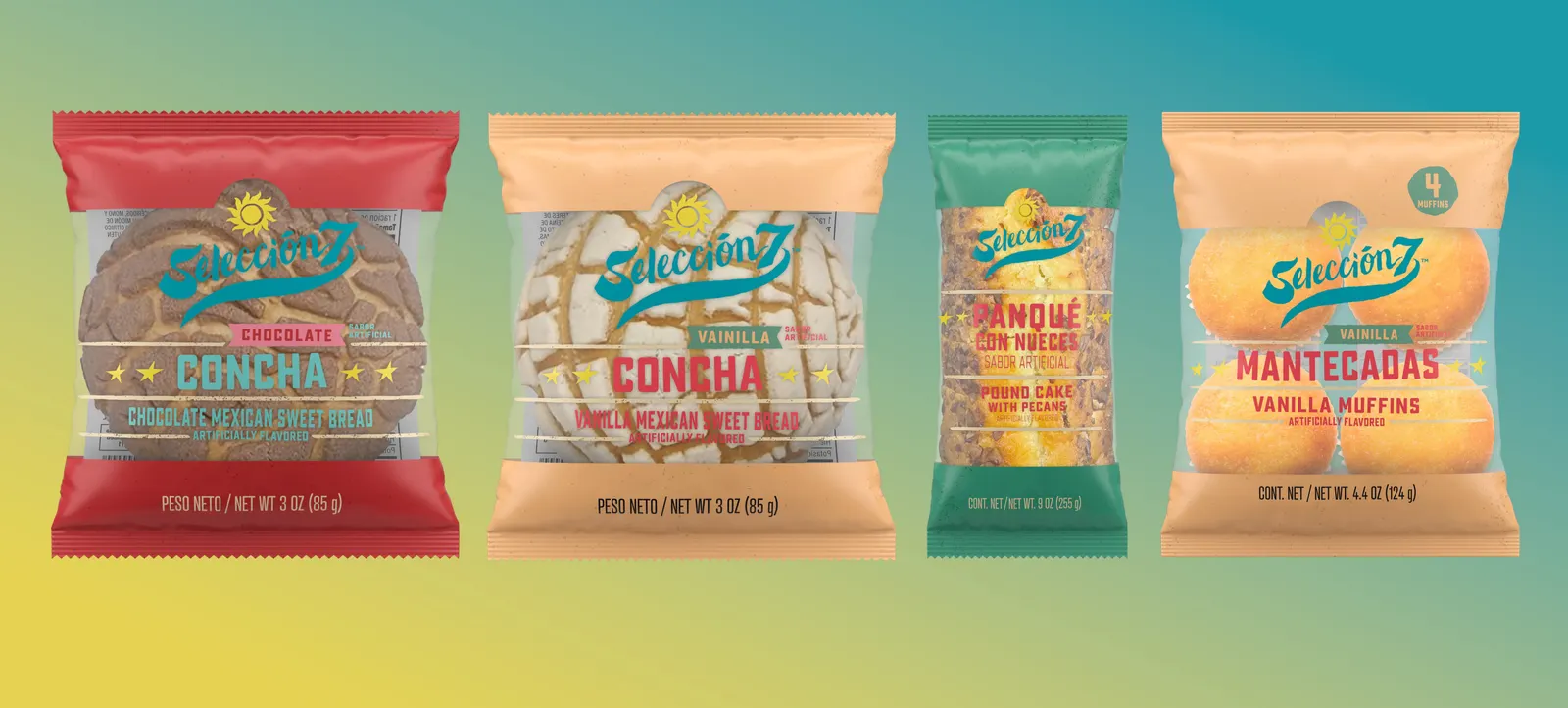
In just the past three months, national and regional players have rolled out numerous products and launched new private label lines. Love’s Travel Stops & Country Stores unveiled premium baked goods in August, while Sheetz debuted a line of ready-to-drink energy coffees called Buzz Beanz that same month. 7-Eleven, which has long been ahead of the industry curve on private label adoption, earlier this month introduced a Hispanic store brand, Selección 7, that includes packaged baked goods, salty snacks and candy.
Store brands have never been core to the c-store experience, with its focus on impulse purchases of popular candy, snacks, drinks and other items. Just 3.2% of products sold in the industry are private label, not including foodservice, according to NielsenIQ data. That’s far below the nearly 25% share across all of U.S. retail.
But store brand penetration at c-stores is poised to grow as major chains ramp up their development of proprietary items. Jason Zelinski, vice president for North American retail with NielsenIQ, said he’s seeing more chains create teams dedicated to store brand development or establish positions dedicated to store brand sales within category teams — strategies that many grocery chains employ.
Zelinski said c-store chains’ recent private label launches are addressing two main issues: cultural relevance and functionality. This includes developing products that connect with groups like Hispanic and Gen Z shoppers that are open to store brand purchasing. Sixty-seven percent of Gen Z consumers say private label products are as good as national brands, according to NielsenIQ data.
Functional products, meanwhile, have included energy beverages like Sheetz’s Buzz Beanz launch and items that tout high protein content, like 7-Eleven’s 7-Select Rebuild line of meal replacement shakes.
“If you can develop products that are unique to you, that’s how you drive repeat trips,” Zelinski said.
Exploring new opportunities
Private label products aren’t a panacea for what’s ailing c-stores right now. Store brand sales in the channel have dropped 0.7% over the past year, and private label sales declines in a few categories, like snacks and candy, are steeper than the declines those categories are seeing overall.
But that nearly 1% decline is half the rate c-store sales as a whole have dropped over the past year. And in categories that have a relatively high penetration of private label goods, like packaged bread and “other dairy deli products,” store brand sales growth is outpacing that of the category.
Zelinski said he’s seeing a lot of c-stores expanding their private label beverage offerings. Store brand sales of packaged beverages have increased 1.9% over the past year compared to 0.9% sales growth across the category.
“I'm seeing a lot more innovation happening in that beverage space, and a lot more space being dedicated,” he said.
To identify further opportunities for expansion, c-stores should look beyond their direct competitors and industry sales figures to performance in adjacent channels like grocery, Zelinski said. He noted that in the packaged nuts category, for example, private label accounts for around 80% of sales at other retail stores. In c-stores, that share is roughly 5%.
“It's a big category in c-store, but it's very underrepresented in private label,” Zelinski said.
Beyond scanning sales at grocery, mass and other retailers, c-stores should closely analyze their store assortments and customer preferences. They should also stay plugged into industry conferences and other sources of information that outline burgeoning product trends. If a national brand a c-store works with doesn’t have anything in their pipeline tabbed to a key trend, that could indicate a private label investment opportunity, Zelinski noted.
Managed smartly, private label goods can become a reason for shoppers to visit specific retailers.
“C-stores really should be looking at, ‘How do I make the experience in my store better through private label?’ Because private label is part of your brand, and increasing that experience of course increases loyalty which then increases trips,” Zelinski said.