
With more than 150,000 convenience stores in the United States, today’s shoppers have no shortage of choices, and a loyalty program can be the deciding factor as operators compete for customers.
According to the most recent “Convenience Store Trends Report” from Intouch Insight, nearly three-quarters of shoppers are part of a c-store loyalty program, and the 2025 EY Loyalty Market Study found that around half of brands with a loyalty program cite increased customer margin, lifetime value and retention as benefits.
For c-stores with fuel operations, the stakes may be even higher. As gas margins compress, the in-store purchase has never mattered more. A loyalty program that keeps shoppers coming inside, and buying more when they do, can help offset margin pressure for operators at the forecourt.
With the “What Matters to Today’s Consumer 2026” report from Capgemini Research Institute revealing that 65% of consumers say loyalty programs influence switching behavior, c-stores need to ensure their programs are aligned with today’s consumer expectations.
As Camille Saieva, Director of C-Store Regional Chains at Ferrero USA, notes, some chains already have mature shopper programs, while others are just starting to get their apps off the ground. But the goal for all programs is the same, she says. “They want to make their store a destination, a staple stop, and the right loyalty program can create that connection.”
So where should operators focus their energy? Here are some priorities to consider.
What Customers Want in Loyalty Today
The 2025 EY Loyalty Market Study offers a useful reality check, with the revelation that many customers view the loyalty programs they participate in as transactional rather than relational. “To cultivate deeper loyalty, companies must focus on creating meaningful experiences and connections that resonate with customers on a personal level,” it recommends. Here are four ways to do that:
1. Prioritize personalization with more meaningful rewards.
The “Convenience Store Trends Report” found that 85% of respondents would join a program if rewards were personalized. Similarly, the EY study found that 61% of respondents want bigger rewards tied to specific days, events or products—think double-point Tuesdays or a deal unlocked around road trip season. Half want discounts that are exclusive to loyalty members, creating that sense of being “in the club” that keeps people engaged.
2. Consider fuel discounts.
With gas prices elevated, Saieva sees this as an especially potent tool right now as operators who tie in-store purchases to cents-off-per-gallon rewards tap into a top consumer priority. “Offering their shopper a ‘buy this, get that’ incentive keeps them motivated and coming back into the store,” she says. “I think gasoline discounts as a reward will resonate as gas prices have skyrocketed.”
3. Build in local relevance.
While there’s no single template for what makes a loyalty program feel personal and community-connected, Saieva notes that the c-stores doing it well are looking beyond generic offers. “Some of them are offering meal ideas and some sweepstakes, while others are building in a charity or event component.” Finding the right local flavor, such as supporting a regional food bank or gearing rewards to the local football team’s big game, can make your program feel uniquely yours.
4. Encourage the program as a habit.
Paytronix’s “2026 Loyalty Report” found that cultivating repeat behavior can dramatically improve retention, with a 95% return rate after a guest's fourth visit, up from less than 50% after the first. Yet the Convenience Store Trends Report found that cashiers failed to mention their loyalty program 65% of the time. Giving staff easy cues to invite shoppers to participate can pay long-term dividends.
Then once customers are in the program, the goal is to make the app feel indispensable. Saieva points to app-exclusive perks as one of the most effective tools for building that habit. “Create urgency with a program like ‘Free Friday’ downloads that reward participants with something they can’t get anywhere else.”
Working with CPG Brands to Make Loyalty Dollars Go Further
Loyalty programs can be expensive, but they don’t have to be funded entirely out of the operator’s margin when they tap into the power of CPG brands. “We can help offer exciting options that meet the goals of both the operator and the consumer—a win-win that makes your c-store brand shine,” says Matthew Signore, Director of C-Store National Chains at Ferrero USA.
Here are four ideas:
1. Unlock app-exclusive deals.
One of the most common and effective CPG-loyalty integrations is the layered discount. Take a product that’s two for $6 on the shelf, and offer two for $5 in the app. “We can help the retailer fund the rewards strategically so that loyalty members get a deeper discount that makes the program feel worthwhile,” Signore explains.
2. Develop seasonal activations.
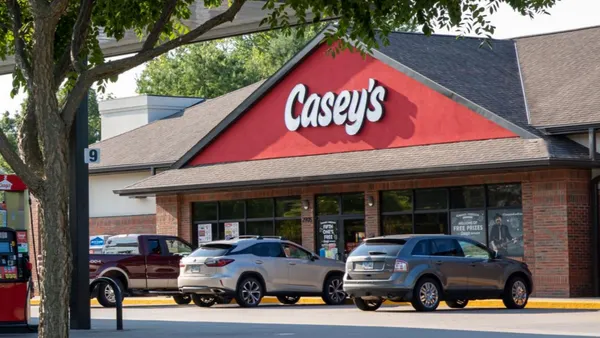
Holidays and local events create natural moments of elevated engagement, and CPG brands can help c-stores capitalize on them. Signore points to Casey’s “24 Days of Giveaways” as an ideal example, where each day of the holiday campaign features a different product, free with any in-store purchase for rewards members. “By tying in as a brand partner, we help support the promotion, so the retailer doesn’t have to fund the entire reward.”
3. Tie into new product introductions.
CPG partnerships also offer a creative way to launch new products directly through the loyalty app. Saieva says Ferrero has used this approach when they were aiming to build trial, by offering a buy one, get one in the app. “We help merchandise through an ad at the pump or a static cling on the door, which helps drive in-store visits,” she says.
4. Create excitement with a limited-time offer (LTO).
Signore recommends that operators anchor activations to proven, high-velocity items. He cites the benefits of experimenting with iconic brands, like Butterfinger, which can be used in bakery and foodservice items. “Consider mix-and-match offers like a free bar with a purchase of a cookie or a milkshake,” he recommends.
As Signore notes, most retailers are looking for that +1 or +2 item that boosts the final check, and loyalty-driven promotions are among the most reliable ways to drive incremental purchases. At the same time, these promotions can help build the repeat visit patterns that strengthen long-term profitability. Retailer platforms like 7-ELEVEN’S 7REWARDS and Circle K’s Inner Circle apps, for example, offer discounts for bundling Ferrero-brand purchases.
Whether your program is just getting off the ground or is ready for its next evolution, the tools and partners are there. To learn more about Ferrero driving growth for the sweets categories, visit Ferrero.com.