Justin Elder is president of construction firm Elder-Jones, Inc. and currently serves as President of the Board of Directors of the RCA: Proven Contractors Building Commercial Success (formerly the Retail Contractors Association), a national organization of contractors.
Retail renovations have always been challenging. But convenience stores operate under an entirely different set of rules.
Operators face increasing pressure to modernize aging stores, integrate new foodservice concepts, and convert acquired locations into branded formats. Closing for weeks at a time is rarely an attractive option.

As a result, many convenience store operators are choosing to renovate while remaining open for business.
In traditional retail, the primary goal during a remodel is often maintaining customer access and minimizing disruption to sales. Convenience stores must balance far more moving pieces. Fuel operations, foodservice programs, merchandise sales, vendor deliveries, payment systems and customer traffic all continue while construction crews work around them.
For contractors, that creates one of the most demanding environments in commercial construction. The challenge isn't simply completing the work. It's coordinating demolition, utility upgrades, equipment installations, inspections, deliveries and customer safety inside an active business.
Successful projects require thoughtful phasing, disciplined logistics planning, proactive communication and a willingness to recognize when keeping a store open makes sense — and when it doesn't.
Phasing around revenue streams
One of the biggest differences between convenience store remodels and other retail projects is determining which parts of the business can remain operational during construction.
For many retailers, customer access is the primary consideration. In convenience stores, operators must evaluate multiple revenue streams simultaneously. Fuel sales, foodservice operations, merchandise purchases, car washes and lottery sales may all depend on different infrastructure, technology systems and physical layouts.
That’s why the most successful projects begin with a detailed phasing strategy developed during preconstruction. Contractors and operators work together to determine which functions can remain active, what infrastructure must stay online and where temporary construction zones can be established without disrupting critical operations.
Many convenience retailers are investing heavily in prepared foods, made-to-order offerings, and proprietary food programs that generate significantly higher margins than fuel sales. That reality often shapes construction sequencing.
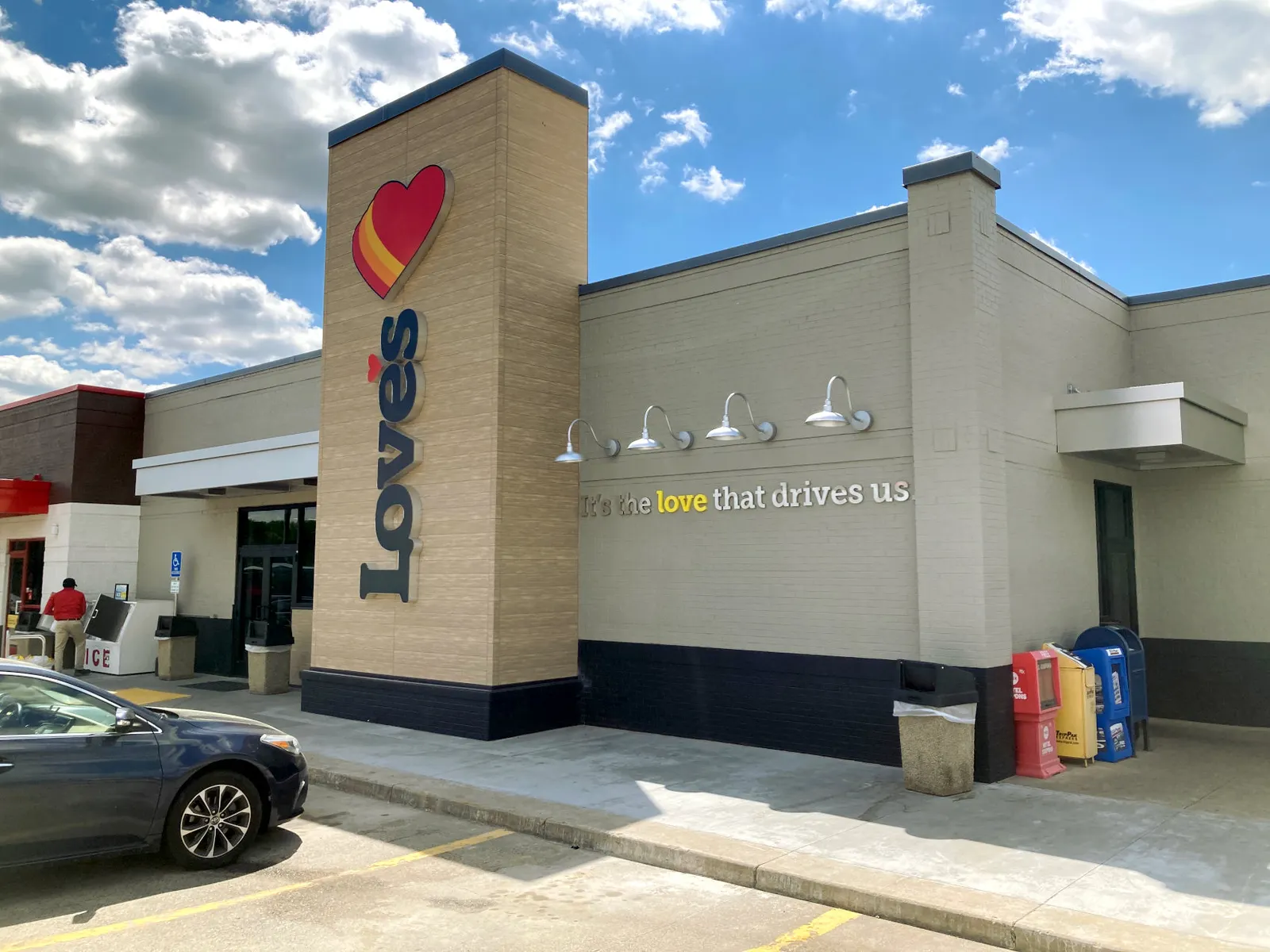
In some remodels, contractors can isolate kitchen work behind temporary barriers while fuel pumps and inside merchandise sales remain operational. Once the kitchen is complete, operators may close the store briefly to commission equipment, complete final technology integrations and prepare for reopening.
In other cases, technology dependencies dictate the schedule.
Fuel dispensers, point-of-sale systems, payment networks, loyalty programs, kitchen systems and back-office operations are often interconnected. When those systems need to be relocated or upgraded, maintaining operations becomes significantly more difficult.
That reality makes early contractor involvement essential. Identifying utility conflicts, technology dependencies, MEP impacts and constructability challenges before design is finalized can significantly improve project outcomes.
Logistics are more complicated than customers
When people think about open-store construction, they often focus on customer traffic, but for convenience stores, that’s only part of the equation.
Every day, an active store may accommodate deliveries of fuel and other goods as well as armored car services, maintenance providers, waste collection and store replenishment trucks. Construction activities must be coordinated around all of them.
Fuel deliveries are often the most critical consideration. Contractors must ensure fuel tankers can safely access underground storage tanks throughout the project. Otherwise, fuel inventory may be depleted before construction is complete.
This means space constraints frequently determine whether an open-store approach is feasible. Large, modern sites may provide enough flexibility to accommodate temporary work zones while maintaining operations. Small sites often do not.
As a result, contractors frequently rely on overnight deliveries, off-site material storage, just-in-time logistics strategies and carefully coordinated installation schedules.
Owner-furnished equipment adds another layer of complexity. Kitchen equipment, refrigeration systems, merchandising fixtures, digital displays and branded store elements often arrive on fixed delivery schedules that may not align perfectly with construction sequencing.
Project teams must coordinate those deliveries carefully to avoid prolonged on-site storage, increased theft risk or schedule disruptions.
Technology, utilities and inspections drive the schedule
Mechanical, electrical, plumbing and technology systems often represent the most technically challenging aspects of convenience store remodels.
Lighting upgrades, HVAC improvements, kitchen installations and fuel-system integrations frequently require ceiling access, temporary shutdowns and extensive coordination among multiple trades.
Many of these activities occur overnight to minimize customer disruption. Because shutdown windows are limited, contractors must ensure materials, subcontractors and prefabricated assemblies are fully prepared before work begins.
Inspection scheduling introduces another layer of risk, since electrical inspections, fire protection approvals, health department reviews, kitchen inspections and local building approvals often determine whether portions of a remodeled store can reopen on schedule.
Increasingly, contractors and operators find themselves at the mercy of inspector availability. Situations like these underscore the importance of early communication with authorities having jurisdiction (AHJs), proactive inspection scheduling, and comprehensive pre-inspection documentation.
Safety requires more than caution tape
Construction safety takes on new meaning when customers, employees, vendors and contractors all occupy the same site.
Unlike controlled construction environments, convenience stores attract a constant flow of people focused on fueling vehicles, grabbing coffee, purchasing food or making quick purchases. Many are not paying close attention to construction activity around them.
To keep a store safely open during renovations, construction zones should be secured using rigid barricades, modular containment systems, fencing, or similarly engineered solutions that physically prevent customer access. The same goes for forecourt work.
Inside the store, dust control becomes equally important. Floor demolition, saw cutting, drywall work and ceiling modifications can impact indoor air quality, merchandise, and food preparation areas.
Contractors often deploy HEPA-filtered negative air machines, industrial air scrubbers, sealed containment systems, and temporary HVAC protections to prevent dust migration.
Temporary barricades cannot reduce required exit widths, block emergency signage, or interfere with accessibility requirements under the Americans with Disabilities Act (ADA) and applicable building codes.
Security considerations must also be evaluated. Barricade placement should not create blind spots that interfere with surveillance systems, fuel island visibility or loss-prevention monitoring.
Building while business continues
Open-store convenience store remodels represent one of the most demanding segments of commercial construction.
Contractors must manage demolition, technology integrations and a variety of other operational and safety requirements within a functioning business.
At the same time, operators are working to protect revenue, maintain customer loyalty and get new concepts and acquisitions to market faster.
For organizations that do it well, the payoff is significant. Stores can be modernized, kitchens expanded, customer experiences improved and new revenue streams activated without sacrificing weeks of business interruption.