3 Big Numbers is a weekly column that looks at a few key details from around the c-store industry.
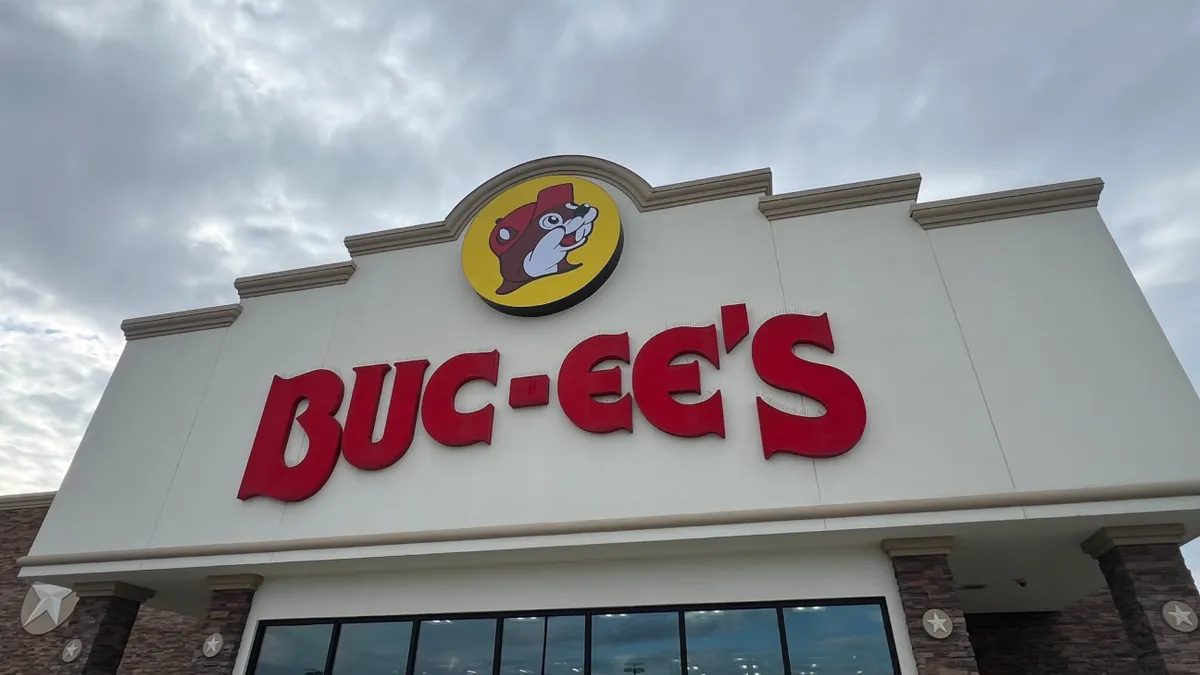
Buc-ee’s penchant for suing competitors over alleged trademark infringement is becoming a larger narrative — and potentially a larger headache — for the Texas-based retailer.
Comedian and commentator John Oliver called out the company’s practices on his HBO show “Last Week, Tonight” on July 26, highlighting the dozen or so trademark lawsuits the company has filed and daring the company to sue him.
Buc-ee’s doesn’t appear to have taken Oliver up on that offer yet, but it did sue Hanes Road Carryout, parent company of Beaver’s Mini Mart, on July 28.
This year alone, in addition to Beaver’s Mini Mart, Buc-ee’s has filed trademark suits against Coles IP Holdings, operator of Mickey Mart, which has a cartoon moose mascot; Par Hawaii, whose Nomnom banner features a cartoon rodent; and Teddy’s Market, which uses an eponymous teddy bear character.

Par Hawaii and Buc-ee’s settled out of court while Coles is scheduled for a settlement conference on Sept. 15. Teddy’s, meanwhile, has decided to fight the accusations and detailed several counterclaims against Buc-ee’s in a filing on July 31.
In this week’s “3 Big Numbers” we look at the Teddy’s case and counterclaims, and where they fit in the landscape of Buc-ee’s trademark lawsuits.
2
The number of Teddy’s Market locations currently operating.
Teddy’s Market has two locations in Georgia, with a third potentially on the horizon. The two stores open now are both under 5,000 square feet, meaning Teddy’s is dwarfed in pretty much every way by Buc-ee’s, with its dozens of stores in multiple states boasting tens of thousands of square feet.
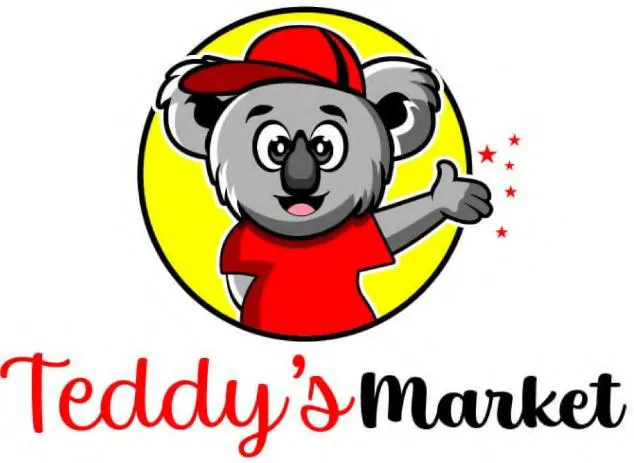
In its filing, Teddy’s accused Buc-ee’s of throwing its weight around with smaller retailers that can’t afford a lengthy legal battle.
“Simply put, Buc-ee’s is a trademark bully,” Teddy’s said in the filing. “It is attempting to use litigation and intimidation to expand unlawfully its asserted trademark rights far beyond the scope of what it has established in the marketplace or by way of its federal trademark registrations.”
6
The number of counterclaims Teddy’s included in its response to Buc-ee’s.
In addition to accusing Buc-ee’s of being a trademark bully, Teddy’s took aim at Buc’ee’s claim that people could confuse the two brands
“No customer or third party has ever asked whether a ‘Teddy’s Market’ store is affiliated with Buc-ee’s, or expressed any confusion between the two,” Teddy’s wrote in its filing.
In its response to Buc-ee’s complaints, Teddy’s included six counterclaims. These included asking for Buc-ee’s claims to be considered unenforceable because of “unclean hands and abusive sham litigation tactics.”
Most eye-catching of all, it requested that the court cancel some of Buc-ee’s trademarks registrations, claiming that they were “obtained by fraud.”
12
The number of states outside of Texas where Buc-ee’s currently operates.
Buc-ee’s was solely a Texas operation until it opened in Baldwin County, Alabama, in 2019.
Since then, the supersized c-store company has pursued expansion across much of the contiguous U.S., with stores now operating in 12 states beyond Texas.
That expansion has put the retailer on a collision course with a host of small, local businesses that use cute cartoon mascots to market their stores. With Buc-ee’s continuing to expand to states like Idaho, Utah and Nebraska, more businesses may soon find themselves in the company’s legal crosshairs.
It’s impossible to know if Buc-ee’s will remain as litigious now that it’s facing some high-profile pushback, but retailers in its expansion path will likely be keeping their guard up.