At the start of 2025, C-Store Dive spoke with a variety of industry experts to get their take on what the new year would hold. We compiled their answers into a list of nine trends we expected would dominate the headlines.
We were spot on for some topics, like hybrid foodservice and the significant impact of a new presidential administration. While we didn’t have any complete misses, our expectation for loyalty program changes was pretty far off the mark.
Read on to see our honest grades for our 2025 trends.
Only unique independents will survive industry consolidation
Grade: B-
This was a hard one to grade. Did we see consolidation in 2025? Yes, absolutely. A number of small independents decided to get out of the business, selling their stores to competitors and in some cases even divvying their assets among multiple buyers.
But M&A, while plentiful, did not have an apocalyptic impact on the convenience retail industry. Plenty of small retailers are still out there selling smokes and cokes with no loyalty program and still making ends meet. So in the end, we rate this one middle-of-the-road.
Maybe one day the U.S. c-store market will look more like Japan’s, where three companies control the vast majority of stores, but it doesn’t look like that’s coming anytime soon.
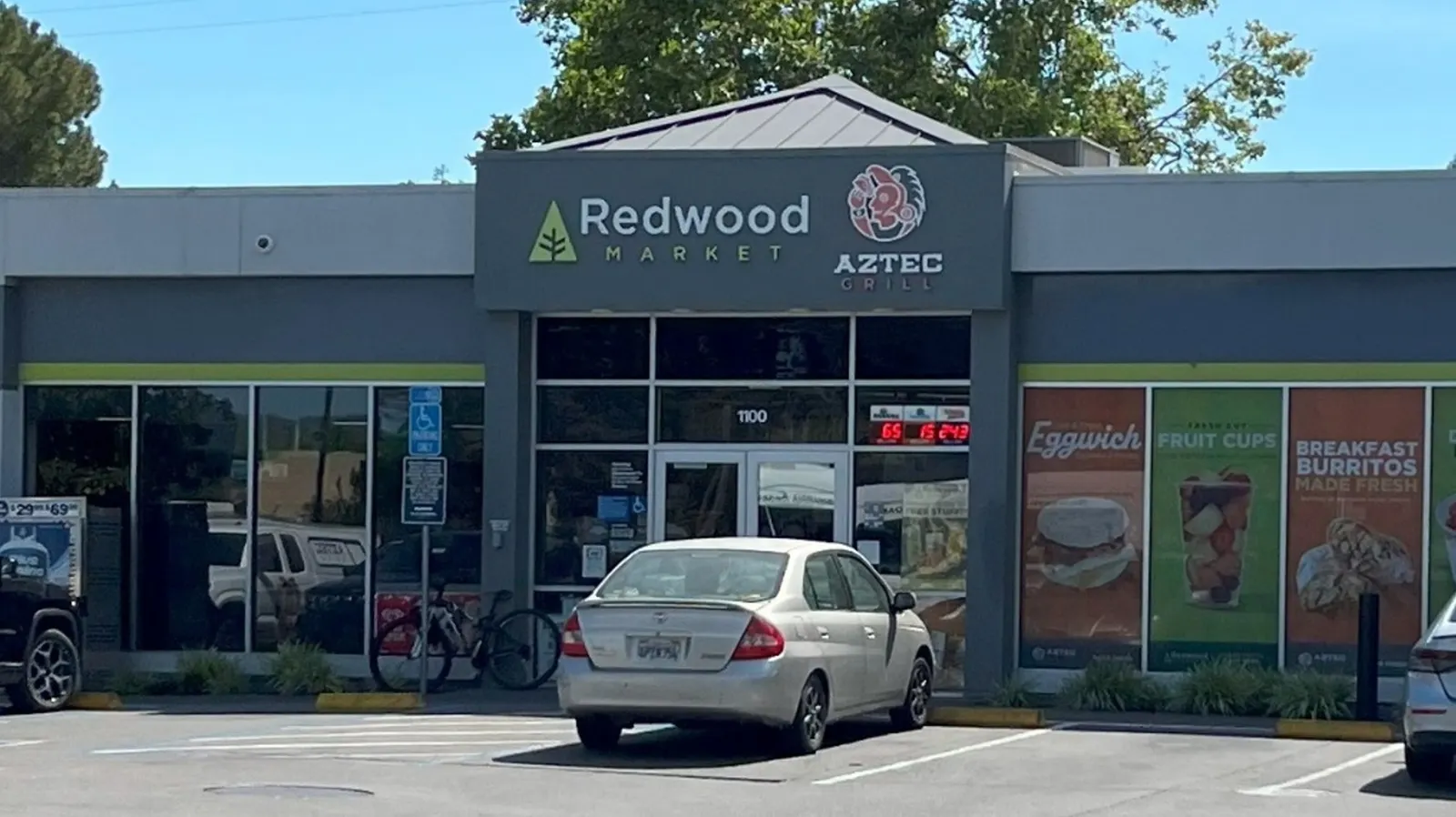
It’s also worth noting that the buyouts also affected retailers with a more unique character like Redwood and Neon selling sites.
The Trump administration will bring change for c-stores
Grade: A
At the start of the year, experts weren’t sure of exactly what impact President Donald Trump would have on the business environment, but they were sure it would be significant. Three particular topics they highlighted were automobile regulations, tariffs and a proposed menthol ban for cigarettes.
Turns out, they were three for three.
The menthol ban was the first to fall, with the FDA withdrawing the proposed rule in January.
The administration tackled National Electric Vehicle Infrastructure funding in the summer, reworking the rules as much as they were allowed to. In December, the administration loosened mileage requirements for gas-powered cars, which could potentially put more gas-guzzlers back on the road.
Finally, there was no escaping tariff talk in 2025. Impacts from broad and confusing tariffs were felt at almost every corner of the globe, and while levy rates and timelines shifted regularly through the year, plenty went into effect, pushing prices higher.
C-stores will re-evaluate their loyalty strategies
Grade: C
We predicted 2025 would be the year when retailers looked beyond the nuts and bolts of their loyalty programs and exercised more creativity, tying their unique strengths to the rewards programs.
Unfortunately, this one didn’t pan out.
There were bright spots. Sheetz teamed up with caffeinated water Liquid Death on a new way to cut sandwiches, for example.
But while retailers added or updated loyalty programs, many of those updates looked the same. Increased personalization. More gamification. An easier-to-navigate user interface.
In summary, while many individual rewards programs improved throughout the year, most of those improvements added those features that are increasingly becoming table stakes in the industry.
Couche-Tard will make a splash one way or another
Grade: B-
It’s no mystery why all eyes were on Alimentation Couche-Tard at the start of the year. The Canadian retailer was in the midst of its attempted takeover of Seven & i, parent company of 7-Eleven, in a move that would have formed an international juggernaut in the industry.
That proposal reached its resolution in July, when Couche-Tard withdrew its bid, citing a lack of engagement from Seven & i.
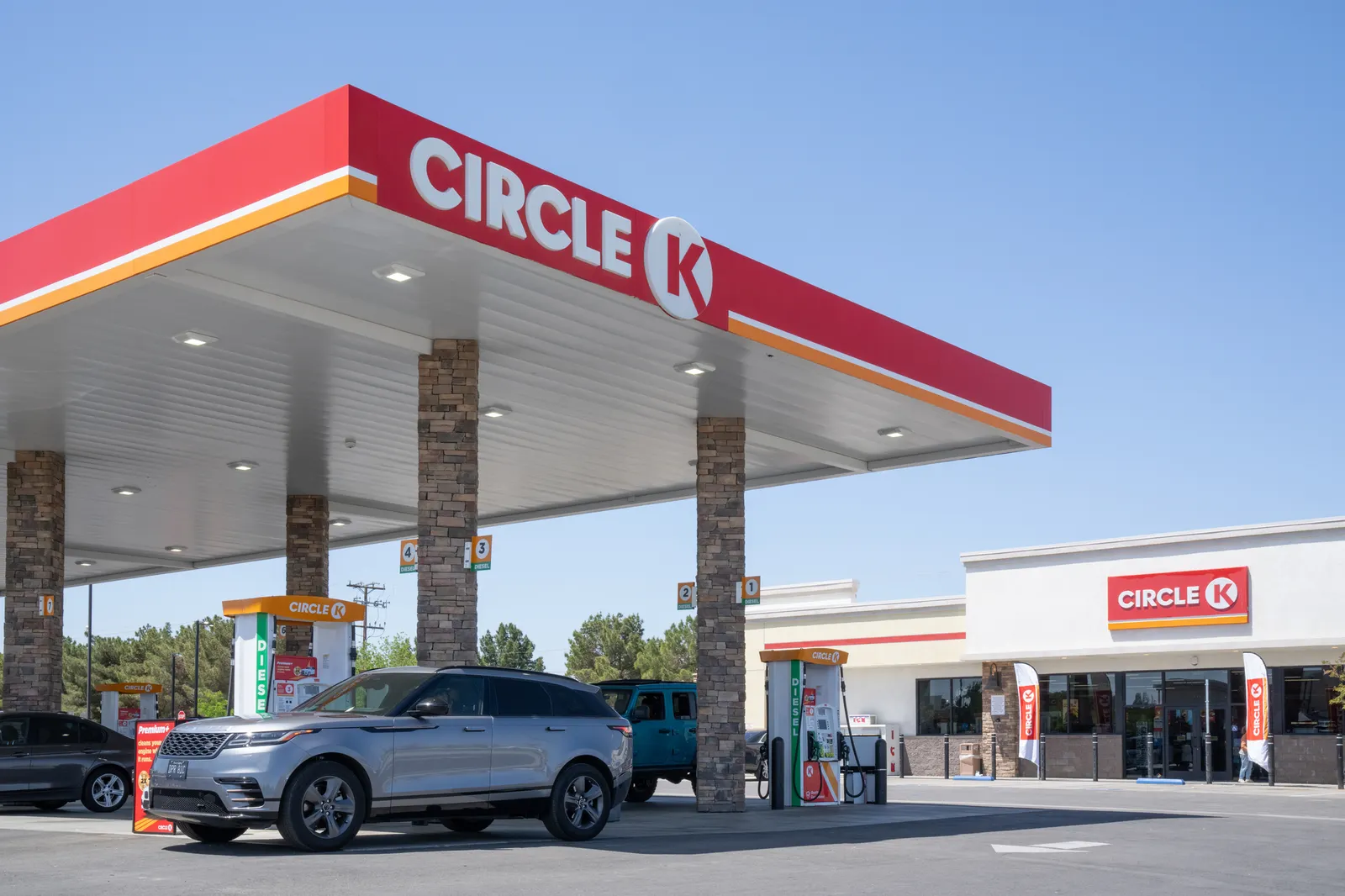
The parent company of the Circle K and Holiday banners didn’t go entirely radio silent after the mega-merger fell through. It closed the acquisition of GetGo Café + Markets from grocer Giant Eagle and continued upgrading its stores.
The company also focused on its meal deals, which have spurred strong foodservice sales growth. The retailer plans to expand the platform with more variety and innovation in the months ahead, CEO Alex Miller said in the company’s fiscal Q2 earnings call.
Downshifting on EV charging
Grade: B
With the Trump administration taking over and EV adoption moving slowly, experts said they saw EV infrastructure installation slowing down this year.
While the industry did pull back, with fewer small retailers installing chargers, we can’t rate this one totally correct. Several large retailers continued their buildouts or entered new partnerships to open more chargers.
Jacksons Food Stores got into charging for the first time in April. The company plans to build fast chargers at nine stores across California, Idaho and Washington.
Many companies expanded existing networks as well. Pilot reached the 200-site milestone in September, with chargers in nearly 40 states. Casey’s General Stores, Wawa and Royal Farms all announced expansion plans for their charging infrastructure. So while a downshift happened, it wasn’t massive.
Hybrid foodservice programs will rise
Grade: A
Foodservice has become one of the main driving forces in the c-store space, and 2025 brought plenty of advancements in both grab-and-go and fresh-made meals.
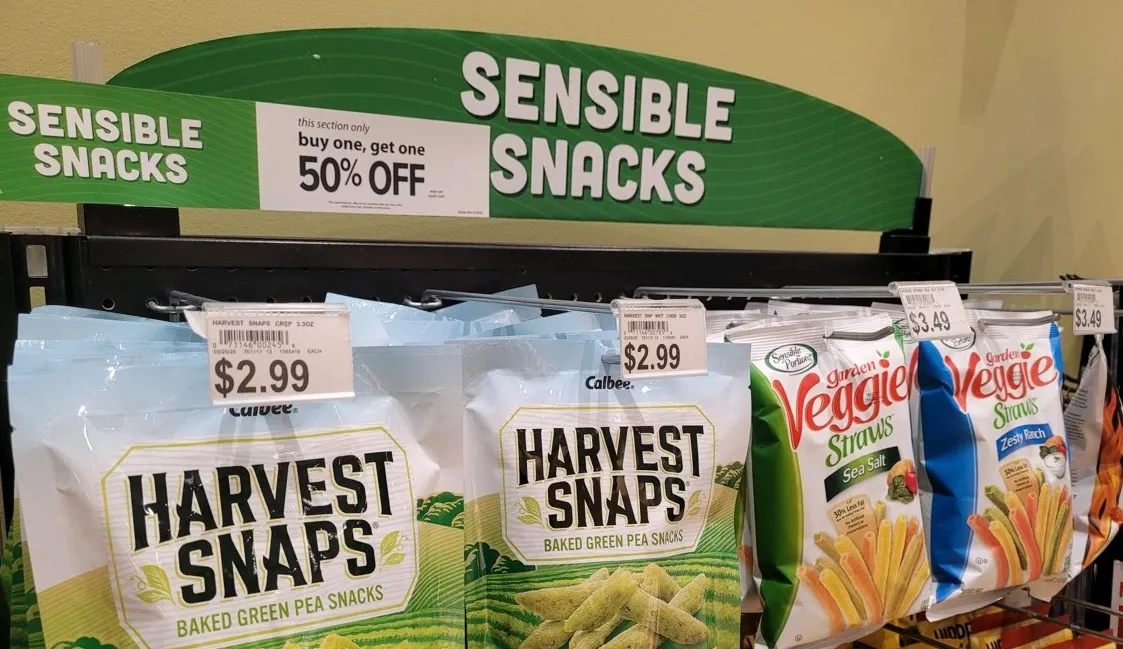
EG America was emblematic of the industry as a whole. The company unveiled a new grab-and-go program called Sensible Snacks at all of its 1,500 stores over the summer. It started with a variety of chips, puffs and other snacks, but expanded in July to add items like snack wraps and Tornados.
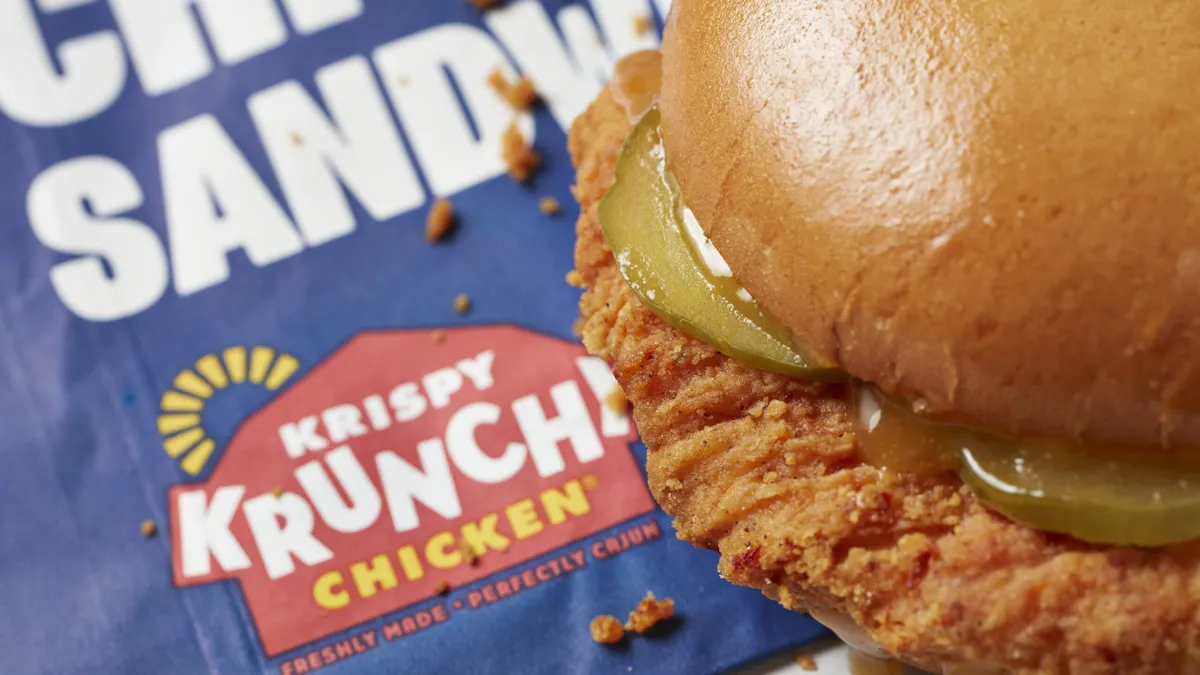
The East Coast retailer also began partnering with Krispy Krunchy Chicken on fresh food this year. The agreement was first announced in September, and in a trading update in November the company announced that it would expand the rollout from a pilot of four locations to about 150 by the end of 2026.
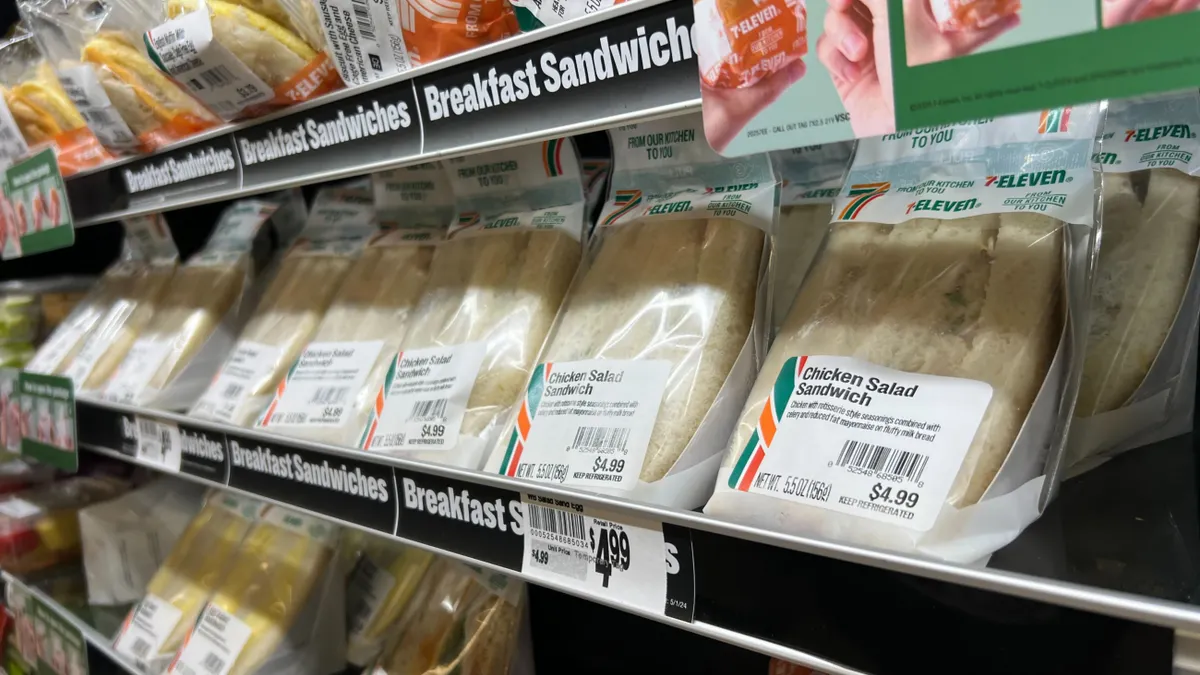
EG America wasn’t alone. From 7-Eleven bringing Japanese hits to the U.S. to Couche-Tard making waves with value meals to GPM Investments expanding the rollout of new food-focused c-stores, retailers have been honing all aspects of the foodservice universe.
AI will continue to emerge inside the store
Grade: B
While talk of AI swamped the headlines in 2025, convenience stores took a more measured approach. There was no avalanche of news, but several c-stores shared how they were embracing new technology.
Golden Oil shared how a partnership with Mako Networks halved its tech spend while increasing efficiency. Mako incorporates AI into several areas, including Wi-Fi and firewalls.
Wawa partnered with Relex on forecasting and replenishment technology for its food program, which uses machine learning and AI to limit spoilage and save the company money.
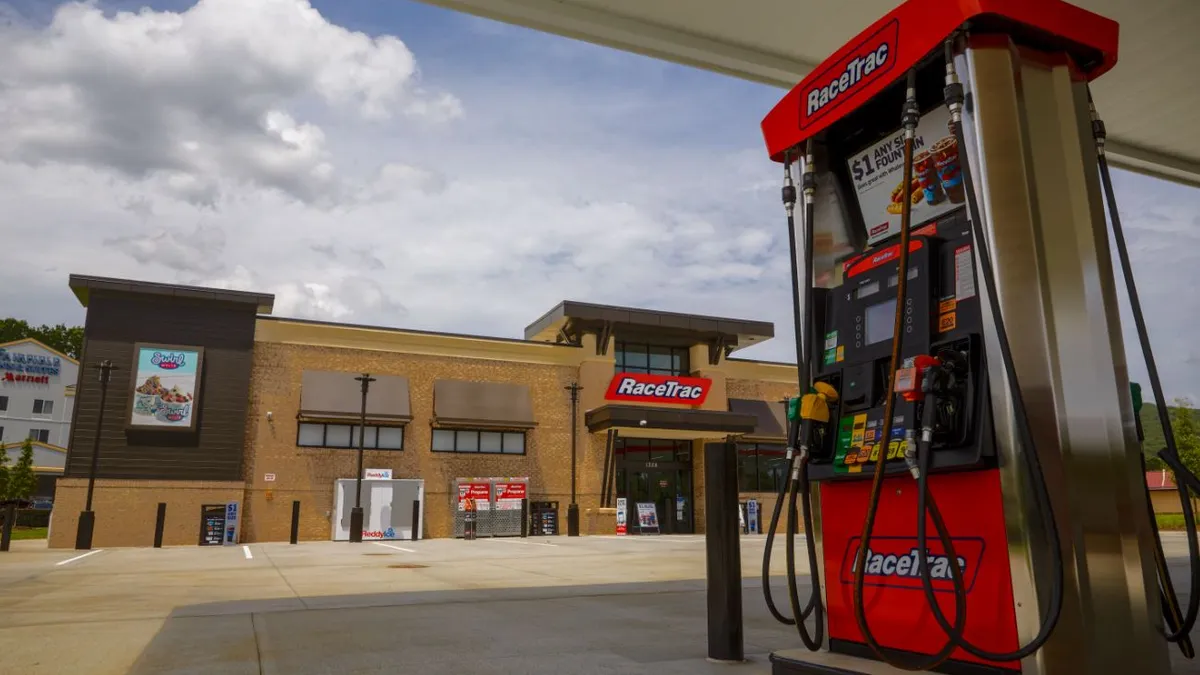
RaceTrac, which has been focused for years on tech upgrades, rolled out a program that helps track parts for its pumps.
We also saw retailers preparing for future tech upgrades by hiring executives, including RaceTrac naming its first CIO and EG America hiring a head of data and artificial intelligence.
There could have been more agreements that just weren’t made public. But even with the changes we did hear about, it’s clear AI advancements are making steady inroads into the convenience retail industry.
Tobacco isn’t dying, but it’s changing
Grade: A
To be fair, the headline should have said nicotine was changing — but that change is emblematic of shifts in the category. Some of the most popular products over the past few years, like e-cigarettes and pouches, offer nicotine without tobacco.
Smokeless items were the only category of nicotine products that saw year-over-year gains in either sales or volume as of mid-November, according to data from Goldman Sachs. Smokeless nicotine volumes were up 10% year over year.
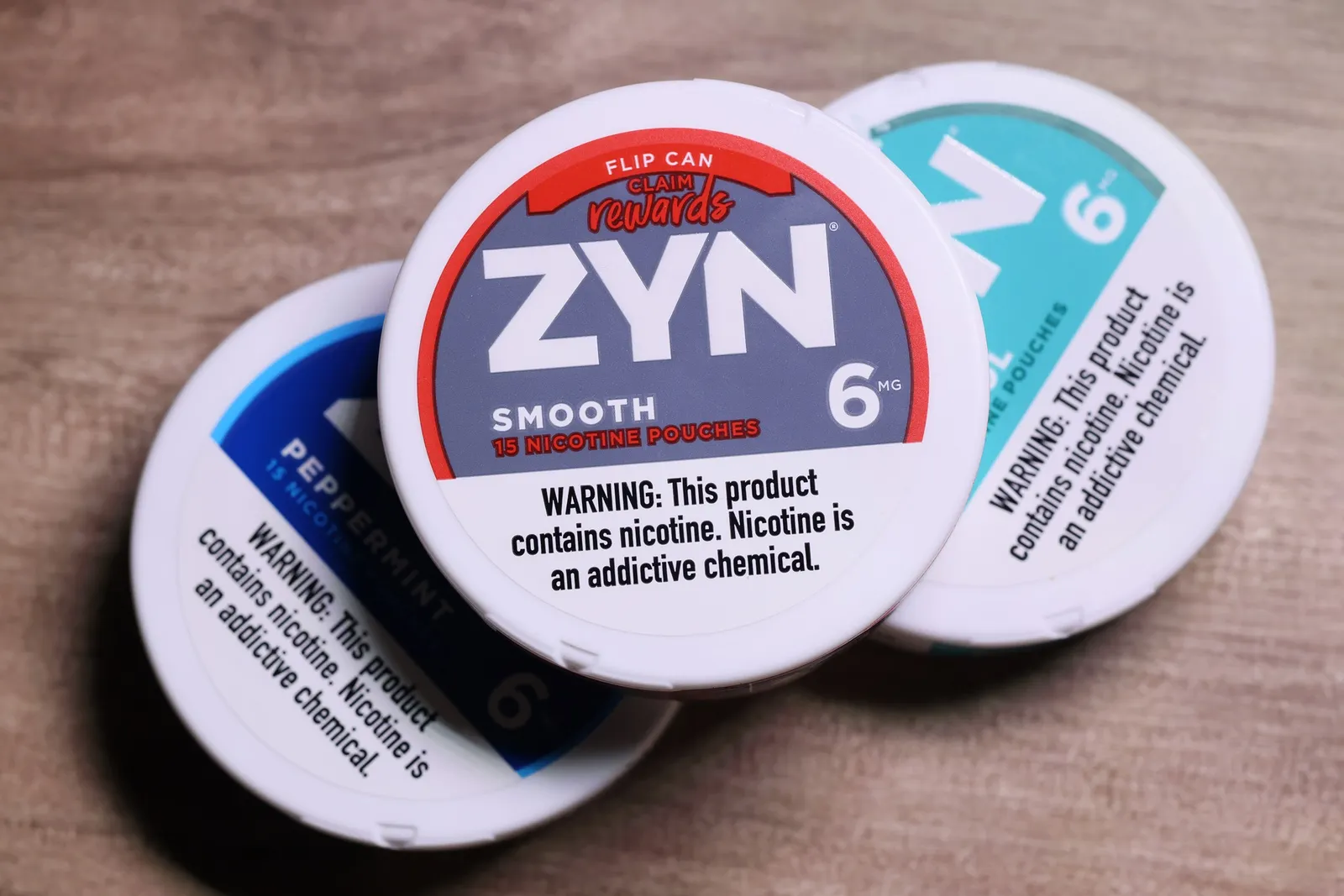
Nicotine pouches were the star of the show, with Philip Morris International’s Zyn earning marketing approval from the U.S. Food and Drug Administration in January. The approval, which covered 20 Zyn products, was the first time a nicotine pouch got the federal green light, opening the door to more aggressive sales pushes from the company.
Reynolds American, meanwhile, added 300 jobs as it increased production of its Velo Plus nicotine pouches.
C-stores will find ways to use their first-party data
Grade: B
Retail media has become one of the most obvious ways retailers can use first-party data, and we saw a fair amount of movement in that arena this year.
Several companies started their own retail media networks. Love’s Travel Stops & Country Stores announced Love’s Media Network in October and named an executive with retail media experience at Lowe’s and Target to head the new department. Weigel’s also announced the Milk Crate Retail Media Network.
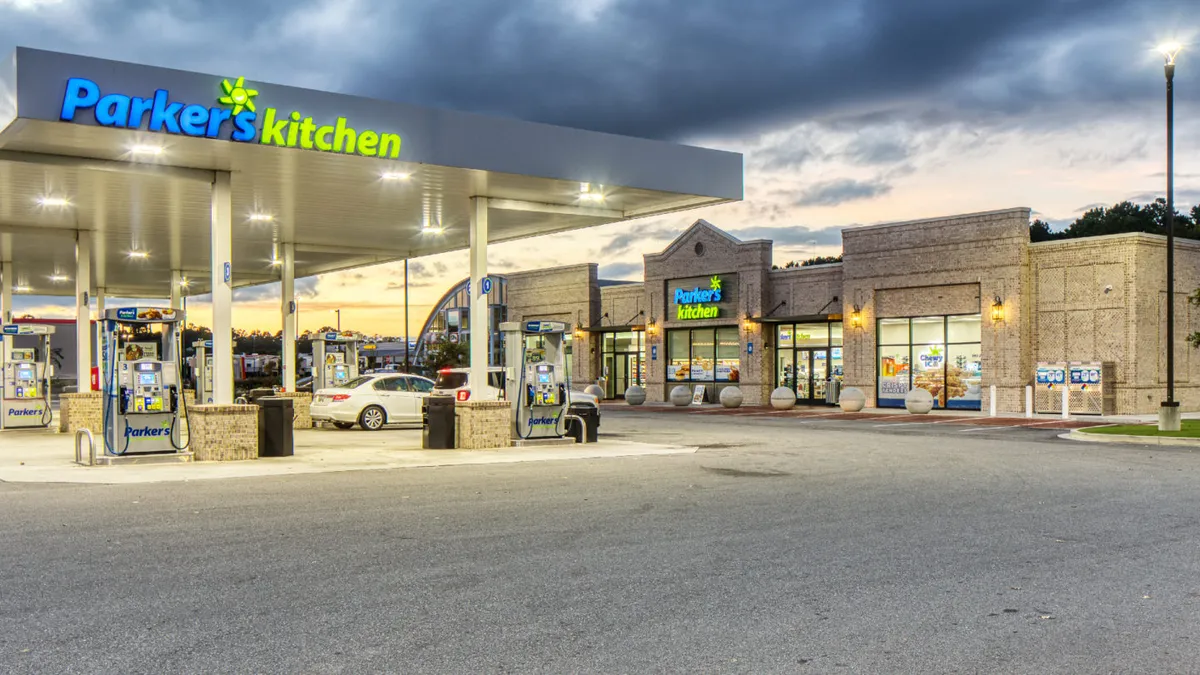
BP and Parker’s Kitchen decided to join the Axonet retail media network this year, rather than developing their own.
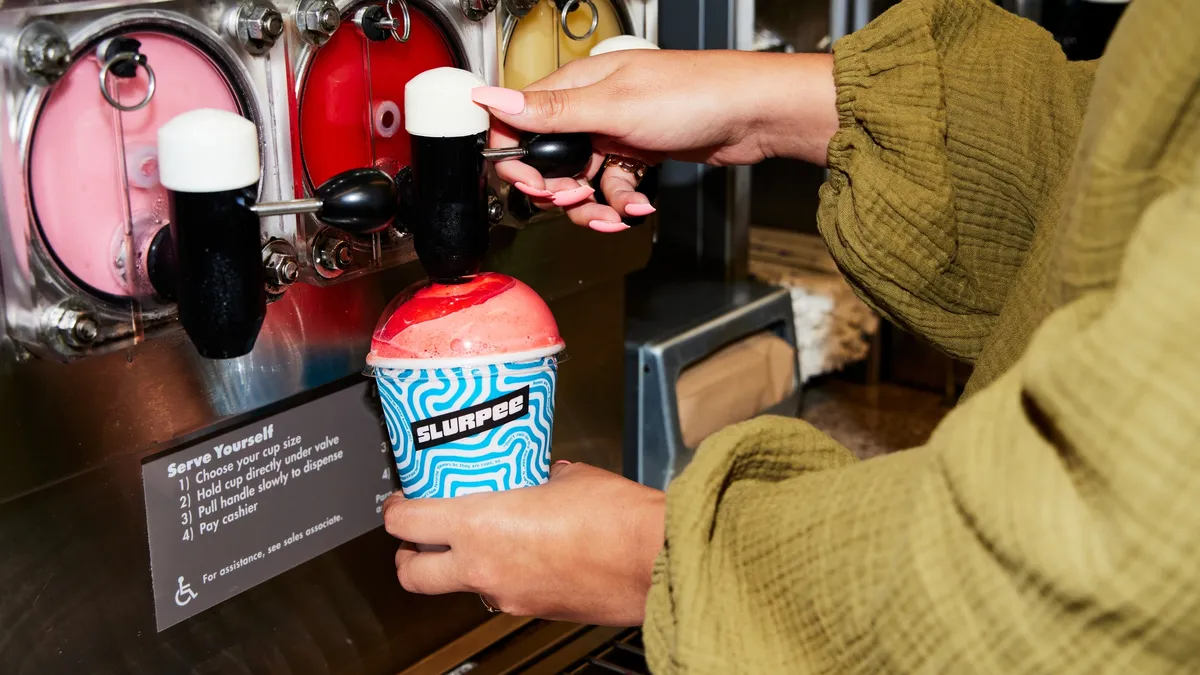
7-Eleven continued expanding its own retail media program, expanding Gulp Radio to more than 12,000 stores, and Casey’s General Stores partnered with digital network service GSTV to bolster its Casey’s Access retail media network.