Dive Brief:
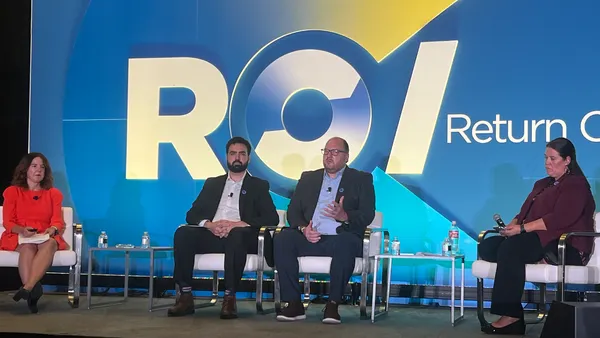
- In-store transactions at convenience stores continue to decline, setting the industry up for a difficult end to the year, Chris Rapanick, managing director of NACS Research, said Tuesday at the association’s annual show.
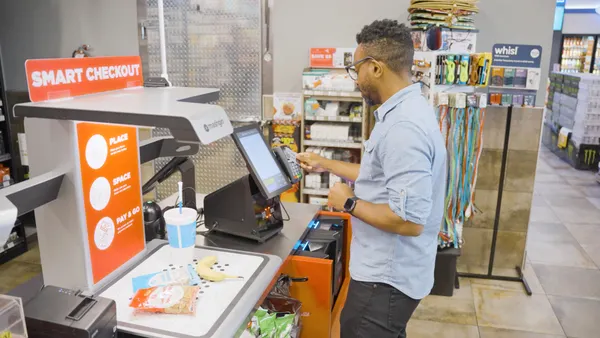
- The total number of in-store transactions during the first half of this year fell 4.5% from the same period in 2025, according to Rapanick’s presentation, which cited NACS’ CSX Convenience Benchmarking data. That equated to more than 1,100 fewer transactions on average per store than the previous year.
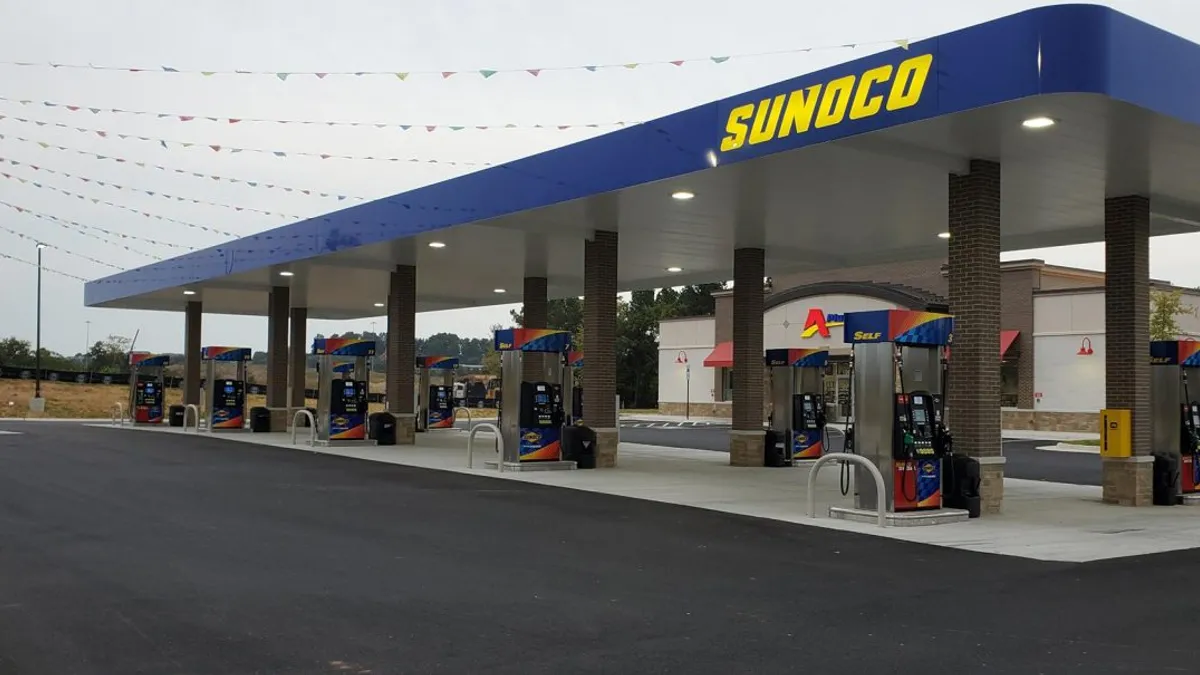
- The decline coincided with yet another drop in the number of fuel-less convenience stores operating in the U.S., highlighting that locations without gasoline are finding it increasingly difficult to remain viable.
Dive Insight:
Speaking during his annual presentation on the industry’s year-over-year performance, Rapanick didn’t sugarcoat convenience retail’s struggles with in-store transactions during the first half of 2026.
“It’s not pretty,” he said.
Beyond the drop in in-store transactions, Rapanick said, what’s also concerning is that the number of pump visits has dropped, as well, even though trips to the pump usually rise when fuel prices rise. Consumers are increasingly skipping the store during their fuel trips, said Rapanick.
The results come as consumer confidence has reached a 12-year low, fueled by higher prices at the pump, higher borrowing costs and concerns over job growth.
“They're not even considering the fact that they could go inside the store to purchase something,” Rapanick said. “I think this is the worst that I've ever seen when both sides of the equation are off.”
Rapanick also highlighted the continued decline in stores without fuel, a trend he discussed in last year’s presentation as well. NACS data showed 356 fuel-less sites closed during the first half of 2026, while 573 locations offering fuel opened. Falling transactions are particularly troublesome for these locations, which rely solely on food and merchandise sales.
Rapanick applauded the industry’s resilience, noting that “the amazing thing about this business is there’s always something that pulls us out” when operating conditions get tough.
This year, that “something” is fuel margins, he said, which reached their highest level since July 2022 in May, according to NACS’ data.
“But man, what happens next year?” he asked.