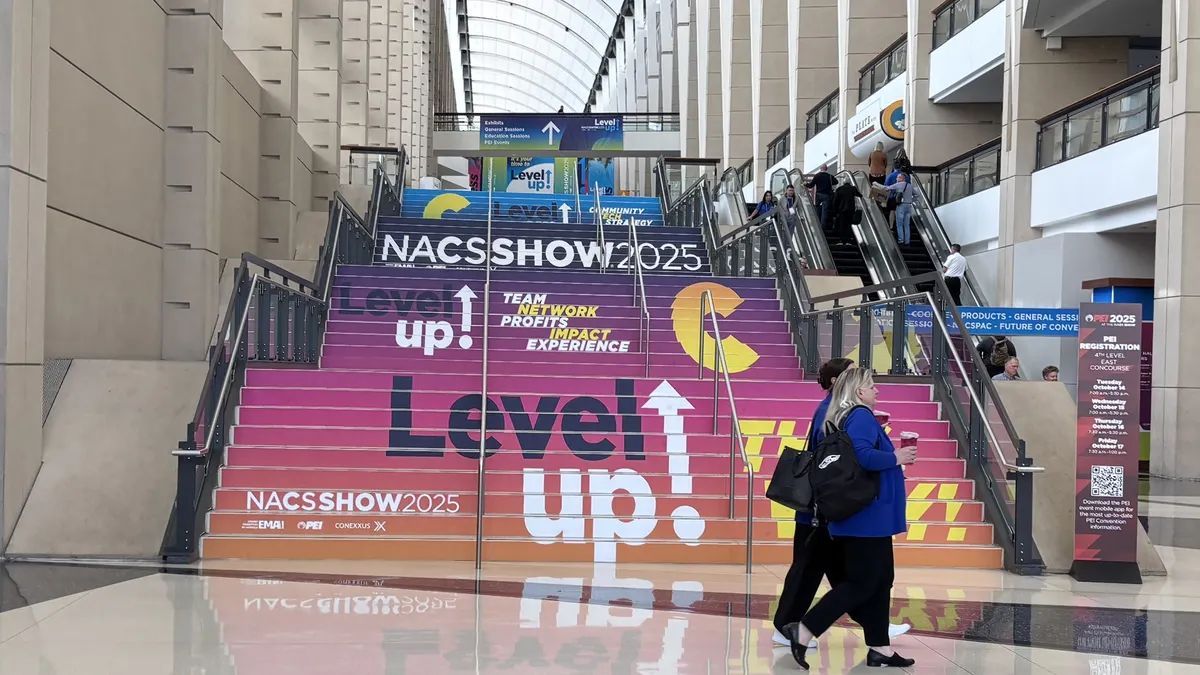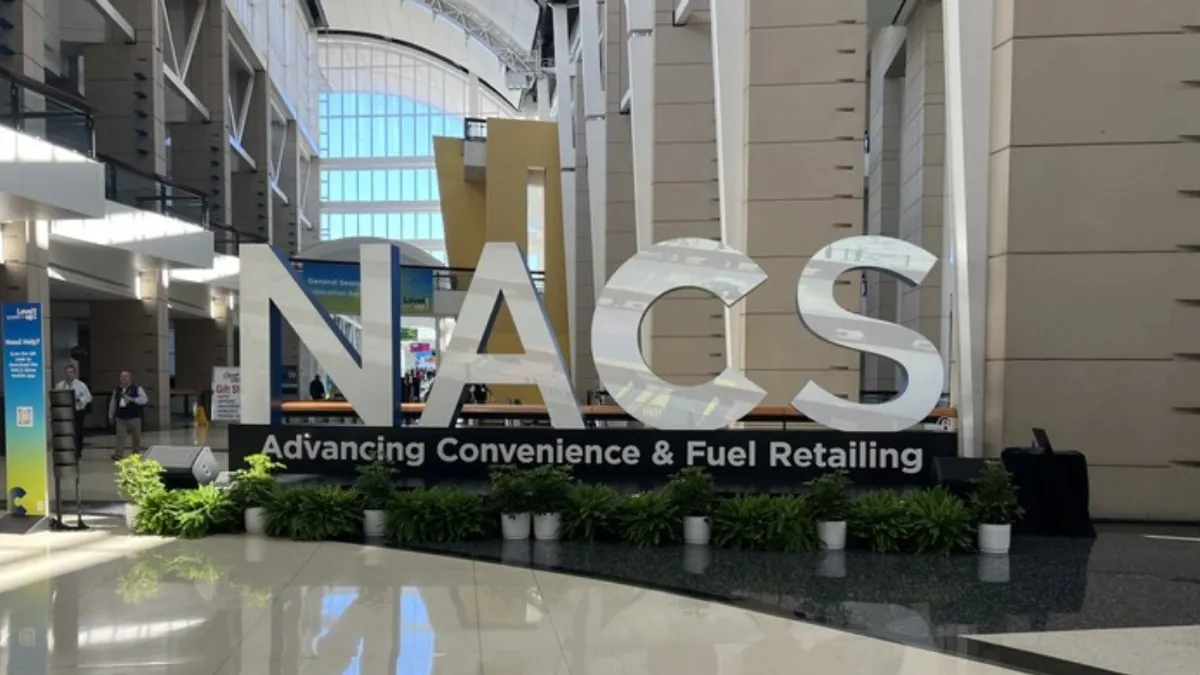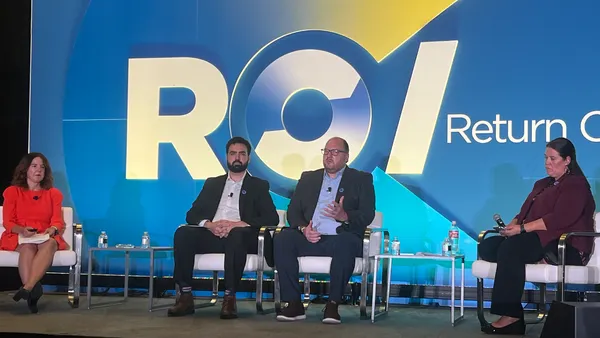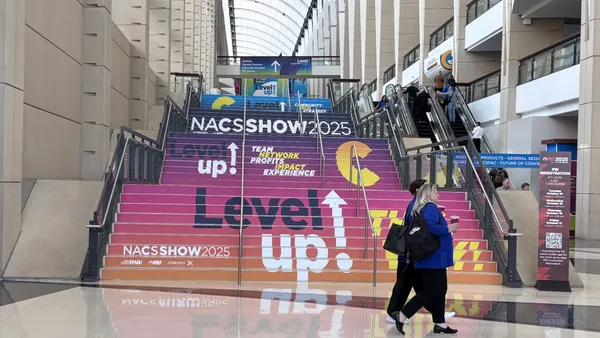
Day one of the 2026 NACS Show started with a wealth of education sessions covering all parts of convenience retail. Discussions included breakdowns of M&A strategies and unique store designs as well as tapping into category trends and the industry’s annual performance-focused talk. Needless to say, there was plenty for retailers to take in before the show floor opens today.
Below are six highlights from day one of this year’s NACS Show.
Building, buying and remodeling c-stores is all about risk
Growth is the name of the game in convenience retail, with operators large and small constantly building, buying and remodeling c-stores.
But when deciding which path to take, c-store retailers — especially smaller operators — shouldn’t ask which strategy is best, but rather which one offers the highest risk-adjusted return on their next dollar, Irfan Tejani, president and CEO of Texas-based Pinnacle Oil & Gas Holdings, said during an early afternoon education session.
Each strategy is best suited to certain situations, Tejani said. Building is ideal when the market is healthy, the site is “exceptional” and the economics justify the longer runway to profitability. Buying makes sense when an existing site has a good customer base, infrastructure and identifiable upside. And remodeling is the right move when demand exists but the asset, offer, layout or customer experience at the site is holding the store back.
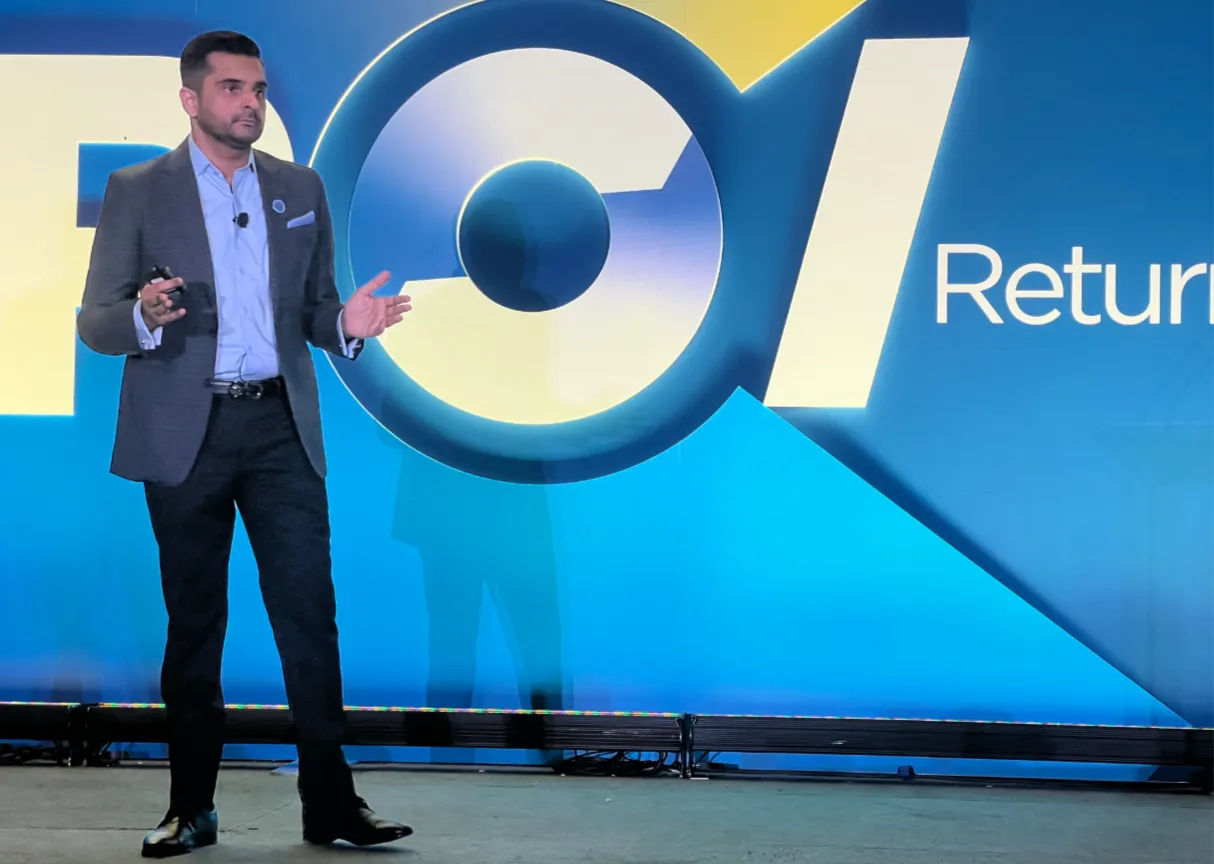
Tejani said he used that framework to help grow Pinnacle Oil, which has expanded to 120 c-stores across five states. But none of those strategies can succeed without having the proper people and systems to support growth.
“If you do not have the infrastructure, both the front end and back end, it's going to be a disaster,” he said. “You cannot scale your business, especially a c-store business, with so many moving parts to it unless you have the proper teams managing it.”
Travel centers have unique management needs
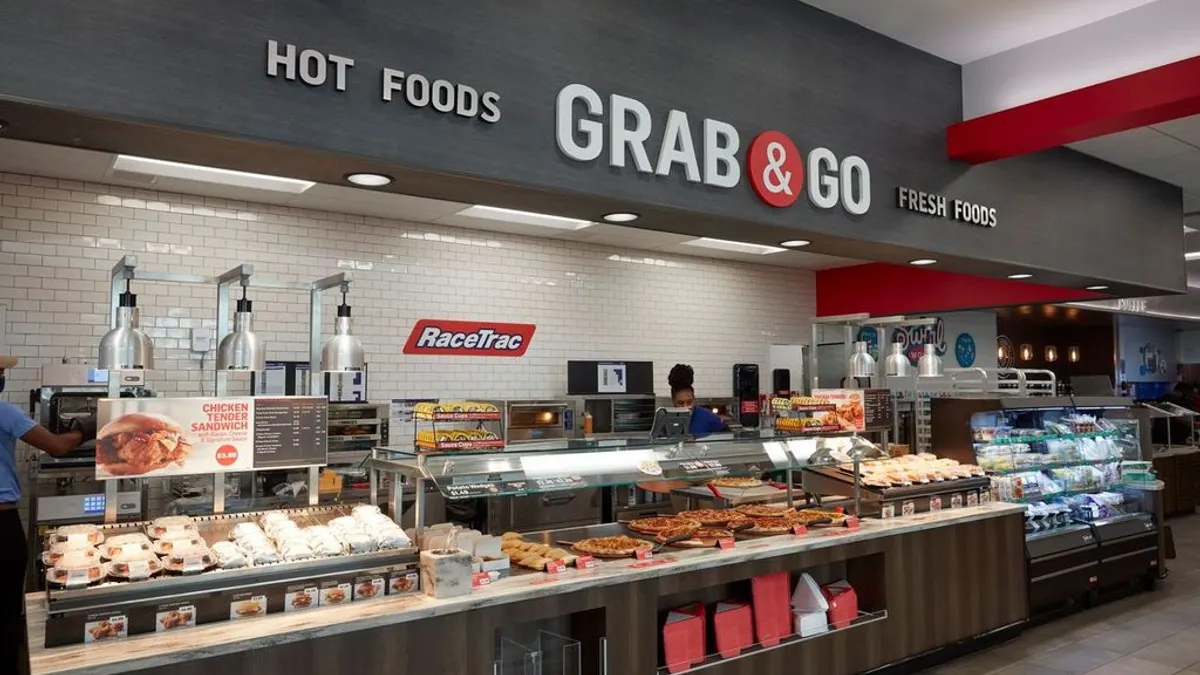
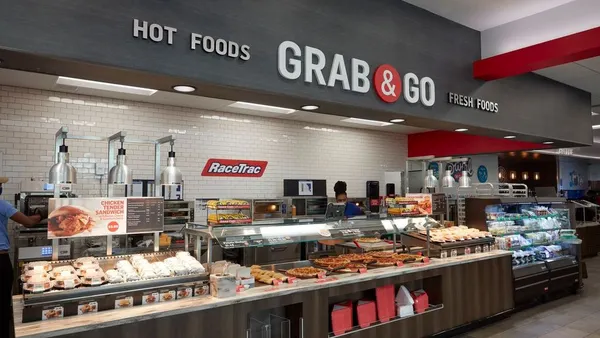
The reasons traditional c-store retailers such as Casey’s General Stores, Wawa and RaceTrac are expanding into travel centers are clear: More land allows for larger facilities and more amenities, creating opportunities to attract a broader range of customers.
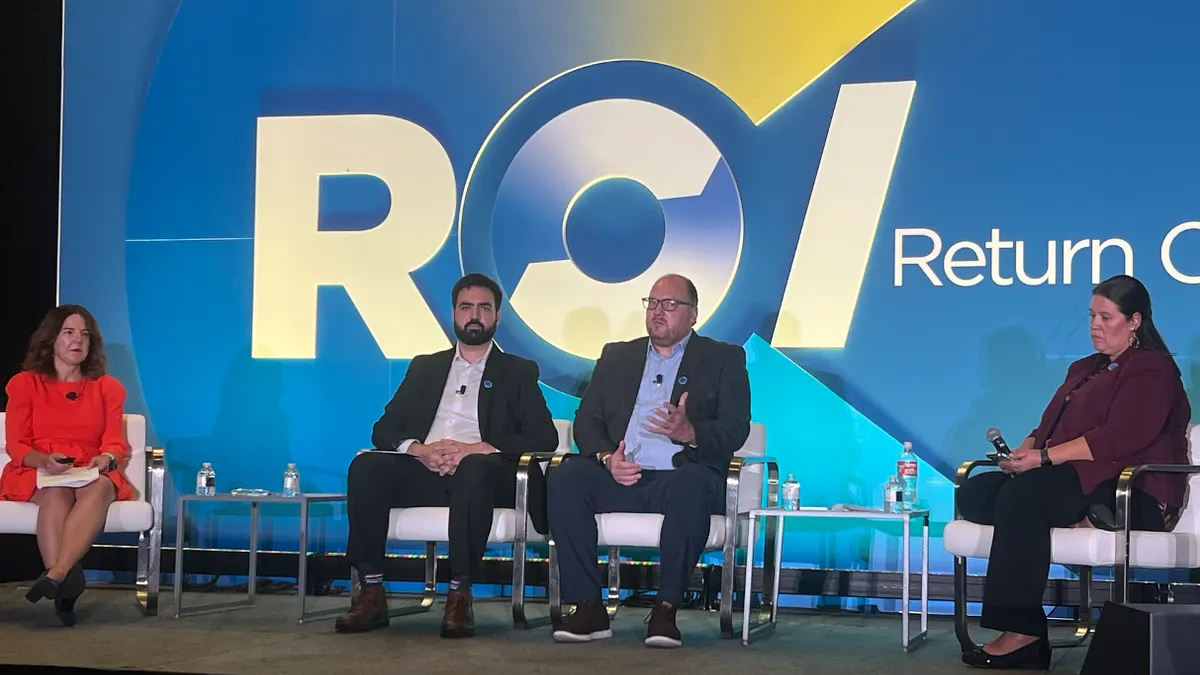
But as traditional retailers increase their investments in travel centers, they shouldn’t treat truckstops like supersized convenience stores, multiple experts agreed during a Monday panel.
“It's a big mistake to try to apply the same operating model to the two different store types if you have a mixed portfolio,” said Jeremie Myhren, former chief information officer for Road Ranger and current co-founder of trucking payment company OnRamp.
Labor needs, wear and tear on the forecourt from heavy trucks and merchandise tailored to truck drivers are just some of the key differences between travel centers and traditional c-stores, Myhren said.
“For you to be the most successful and attract the broadest audience, you need to be very flexible and adaptable with the travel center blueprint,” he said.
Monica Androsko, vice president of brand, mobility and risk for LV Petroleum, which operates more than 100 truck stops, agreed. She said the industry’s growing focus on stores as third places may be even more important at travel centers, where truck drivers often spend more time after long hours on the road.
“They've been stuck in a truck all day long — they want to get out, they want to talk to somebody, they want to sit down, they want to relax,” Androsko said. “So when you're building a truck stop versus a c-store, you’ve got to take these things into consideration.”
In-store transactions are plummeting
Speaking during his annual presentation on the industry’s year-over-year performance, Chris Rapanick, managing director of NACS Research, didn’t sugarcoat convenience retail’s struggles with inside transactions during the first half of 2026.
“It’s not pretty,” he said.
The total number of in-store transactions fell 4.5% from the same period in 2025, according to Rapanick’s presentation, which cited NACS’ CSX Convenience Benchmarking Database. That equated to more than 1,100 fewer transactions on average per store than the previous year.
Beyond the drop in in-store transactions, Rapanick said, what’s also concerning is that the number of pump visits has dropped, as well, even though trips to the pump usually rise when fuel prices rise. Consumers are increasingly skipping the store during their fuel trips, said Rapanick.
“They're not even considering the fact that they could go inside the store to purchase something,” Rapanick said. “I think this is the worst that I've ever seen when both sides of the equation are off.”
Small operators should ‘hit the breaks’ on made-to-order foodservice
Although foodservice performance mostly held steady in the first half of the year, with total sales up 0.3% from the previous year, Rapanick issued a warning for small operators looking to invest in premium foodservice offerings.
Given the industry’s struggles with inside transactions, he would “hit the brakes” on launching a made-to-order program if he were a small operator unless the opportunity is undeniable.
“Think about commissary, think about other opportunities to make the profits,” he said.
For smaller retailers that already have a made-to-order program, Rapanick advised taking a harder look at controlling costs.
“Make sure you're watching your production,” he said. “Don't throw anything away.”
Still, that doesn’t mean small operators should sit out foodservice altogether. Rapanick said retailers need to invest in some form of prepared food to remain competitive.
“If you're not growing your prepared food, then your foodservice category is probably not growing,” he said.
It’s time for a new beverage approach
Retailers like Casey’s and QuikTrip have been revamping their beverage programs in recent years. But even as they dedicate more attention to the category, retailers may want to consider how those drinks fit in people’s lives, said Suzy Badaracco, president of Culinary Tides, a forecasting think tank and trend intelligence firm.
“From wake up to wearing down, beverage structures the day,” she said during a session on beverage trends. “They are daily anchors.”
Most operators already offer a strong coffee lineup for customers on their way to work or school. But Badaracco said taking consumers' lives into account can expand to more parts of the day, from midday boosts to post-workout hydration and recovery. She noted that consumers spent almost $300 billion on functional beverages last year in retail.
“The beverage marks the moment.” she said.
Regardless of the use case, tying functional drinks into consumers’ schedules and needs can help retailers build small indulgences into habits.
A different metric for EV success
Experts speaking at yesterday’s lone electric vehicle charging panel pointed out that while uptime is an important metric to track, retailers shouldn’t let it be the end-all, be-all for measuring reliability.
The panelists said retailers should also be paying attention to how often their EV chargers are working on the first try. That’s because a retailer may have only one chance to impress that customer, and it doesn’t matter if the site has 99% uptime if it’s not working when that driver needs it.
“The driver doesn't care,” said Jason Cortes, vice president of e-mobility for EV services firm Field Advantage. “They just know they can't charge, or they're getting low power, and they're not coming back.”
First-attempt reliability is also important because EV drivers tend to be loyal to charging locations that they like, noted Gen Comtois, EV liaison for NACS. So once guests leave one site and find another that works better for them, they may never try that first location again.