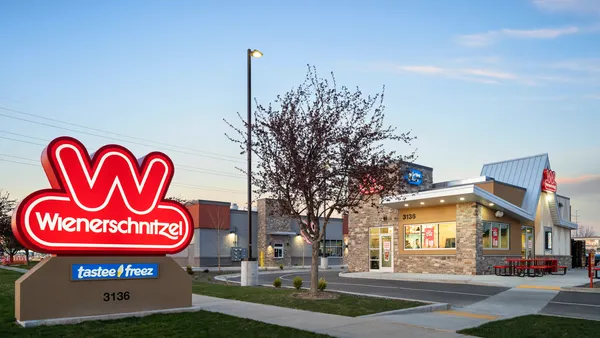
Restaurant brands are increasingly turning to convenience stores as a vehicle for expansion.
As retailers continue to invest in foodservice, QSR chains ranging from regional favorites to national players have pursued partnerships that place their concepts inside or alongside c-store locations. These arrangements provide restaurant operators access to a built-in base of on-the-go customers while opening the door to new markets.
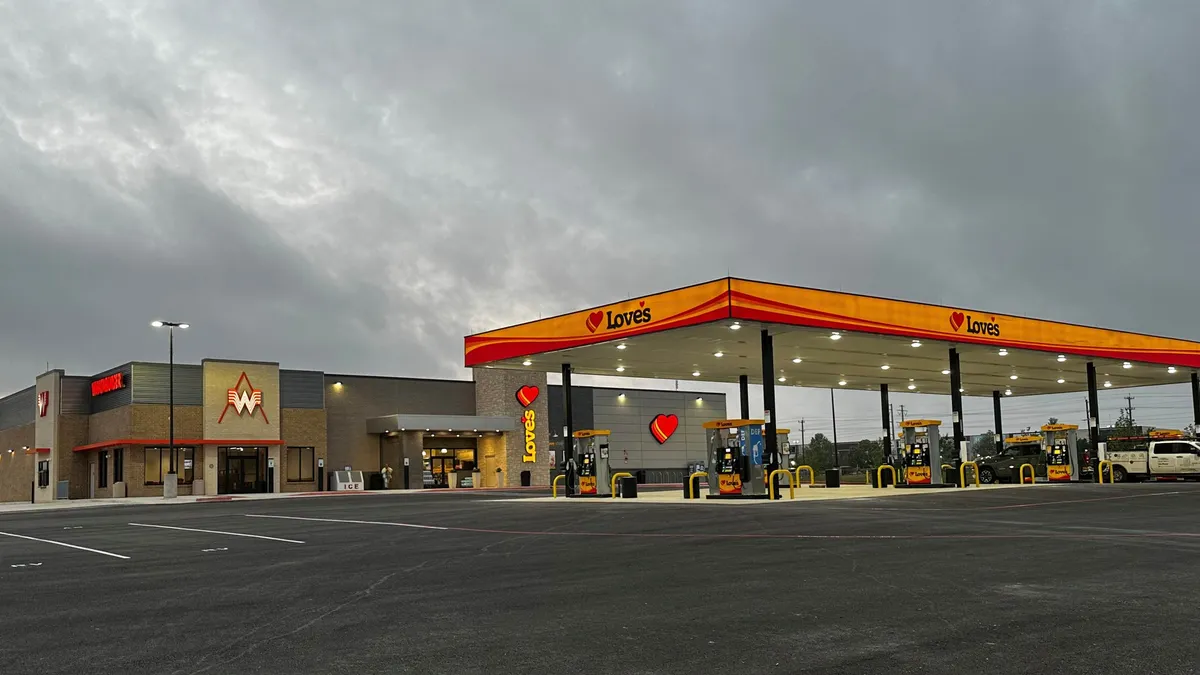
One chain leaning into the trend is Whataburger. This year, the Texas-based burger brand opened its first travel center location with Love’s Travel Stops & Country Stores and is developing a co-located site with Refuel Operating Co.
But Whataburger's presence in convenience retail is not entirely new. The chain has operated in the channel for decades, and executives say the company is looking to build on that foundation as it invests in new formats and expands its footprint.
A quiet — and growing — history in convenience retail
Whataburger’s restaurant portfolio is split between traditional and nontraditional locations, with the latter category including sites at airports, college campuses and convenience stores.
“We see fuel just as an extension of those nontraditional type investments,” said Todd Ewen, Whataburger’s senior vice president and chief development officer. “It's not a huge part of our portfolio, but it's an important part for us.”
Whataburger opened its first c-store-adjacent restaurant in 2000 and today operates roughly 40 such locations, said Joe Jaynes, Whataburger’s group director of corporate real estate. Those sites are a mix of company-owned and franchised locations spanning Texas, Oklahoma, Louisiana and Arizona. They are also generally the same size as a freestanding Whataburger and offer the chain’s full menu.
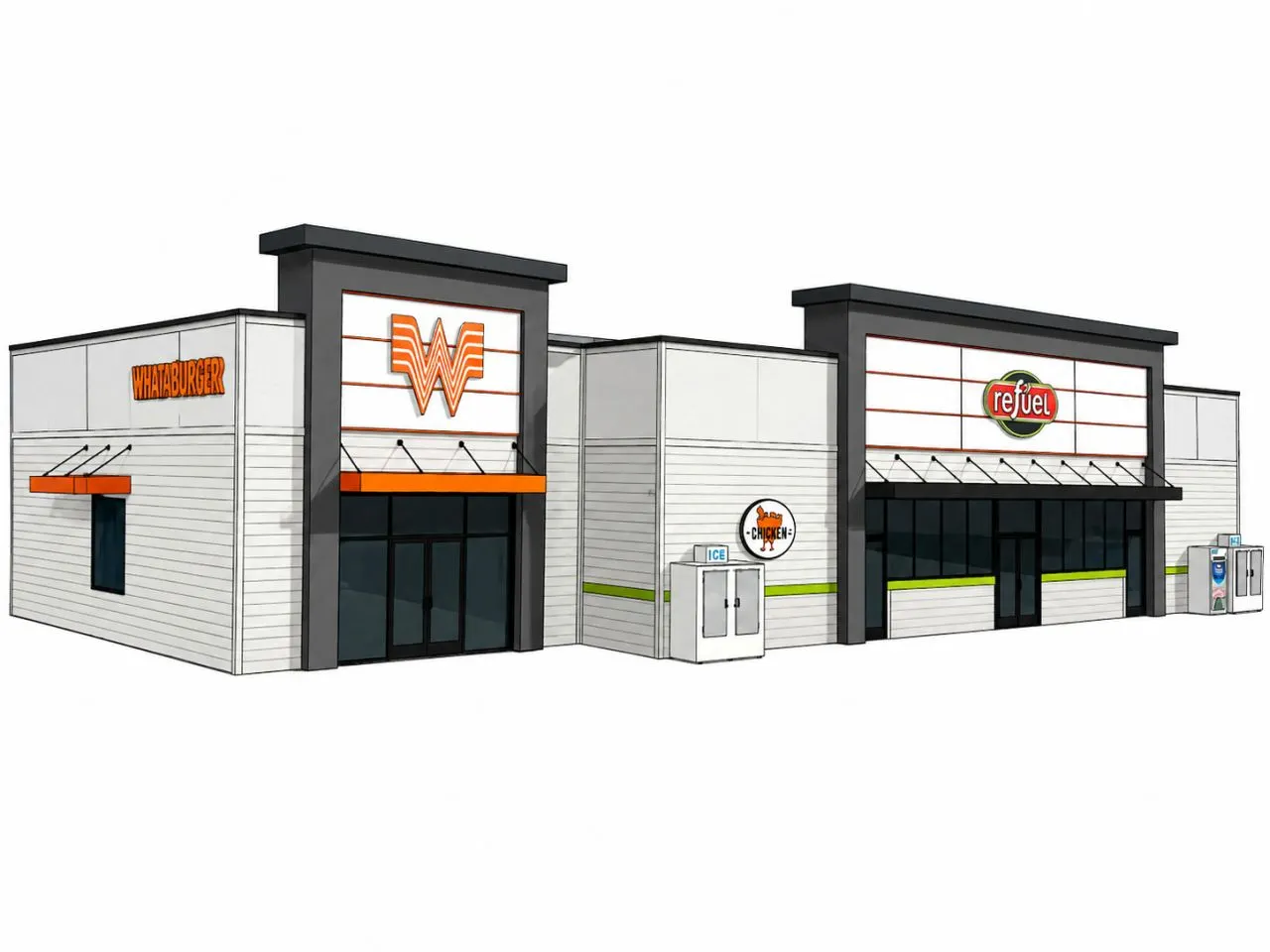
Forty c-store-adjacent locations over 26 years may not seem significant for a chain of Whataburger’s size. But Ewen and Jaynes say convenience retail has become a more attractive growth avenue as Whataburger has expanded beyond its core markets.
Ewen said the chain has increasingly drawn interest from retailers and c-store customers as its footprint and popularity have grown.
“Love’s saw what we bring from a menu offering, from a cult following, and said, ‘Boy, we would love to partner and be part of that with them,’” Ewen said. “So I think just us growing up has caused people to look at us as a viable option in these locations.”
“Love’s saw what we bring from a menu offering, from a cult following, and said, ‘Boy, we would love to partner and be part of that with them.'"

Todd Ewen
Senior vice president, chief development officer, Whataburger
As Whataburger expands its presence in convenience retail, the company is also refining its broader restaurant design strategy through two new prototypes: Legacy and Essentials.
Both formats feature updated versions of the brand’s signature orange-and-white stripes alongside wood tones, glass and more modern materials. The Legacy design incorporates Whataburger’s classic A-frame architecture and a larger dining room, while Essentials leans more heavily into the striped branding. Both are slightly smaller than the chain’s traditional restaurants.
While these designs were not built specifically for c-store environments, elements of both prototypes are expected to influence future convenience and travel center locations, Ewen said.
“You're going to see some strong Texas kind of branding,” he added. “You're going to see orange and white, and you'll see where we try to create some of that A-frame feel without it being structural to the design.”
However, Ewen noted there are limits to how much of the prototypes can be applied in c-store and travel center settings due to space constraints and site requirements.
Both Ewen and Jaynes emphasized that Whataburger does not have a specific number of c-store locations it aims to open. Instead, the company is focused on building relationships with the right retail partners.
“We do not view these transactions lightly,” Ewen said. “Whether it's Love’s or Refuel or a to-be-determined partner, the partner is the key part of that equation for us.”