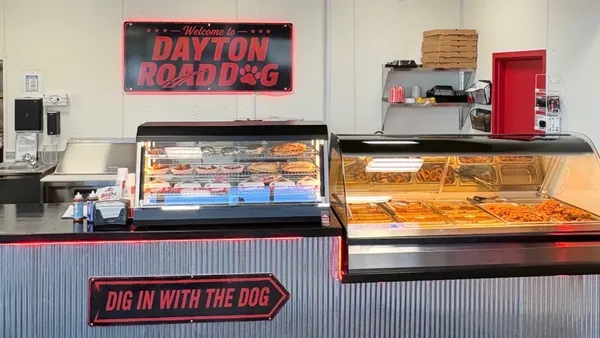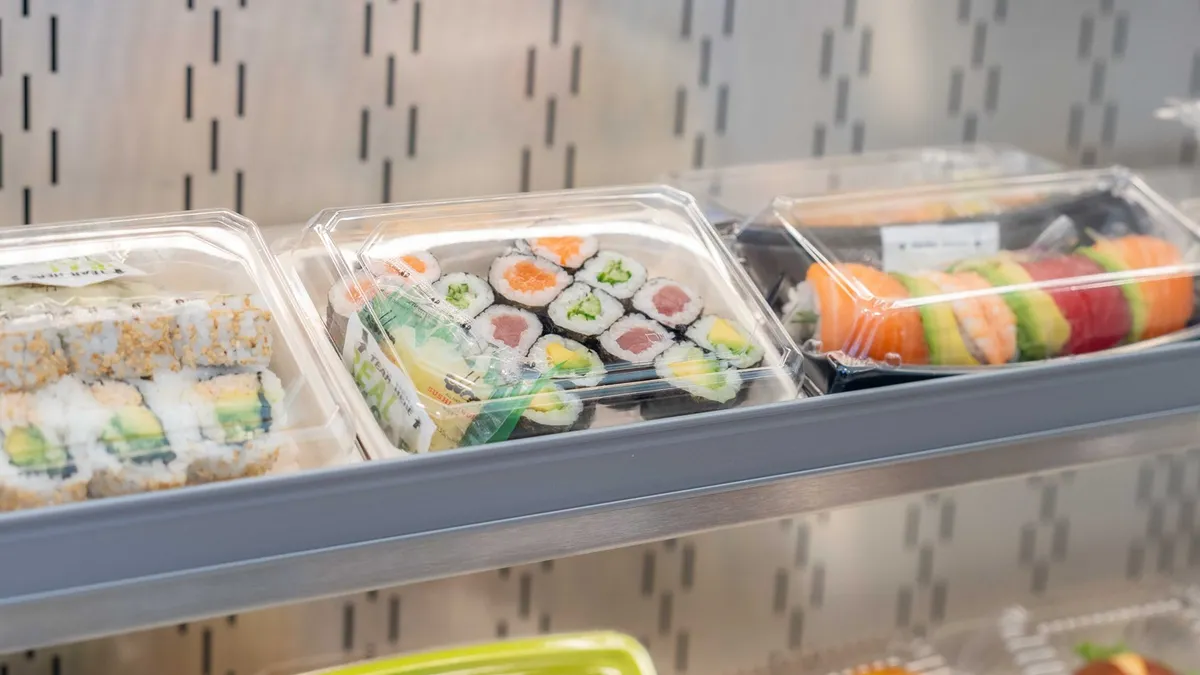
From pot stickers to poke, sushi to boba, Asian-inspired snacks and meals that were once considered a niche offering are quickly becoming more of a mainstream expectation in c-stores.
Farley Kaiser, vice president of retail foodservice at McLane, has watched the shift unfold in real time.
"We have seen growing interest from consumers in higher-end c-stores around Asian-inspired foods and beverages over the last several years," Kaiser said.
Brian Kiel, chief operating officer of Hissho Sushi, which operates sushi programs in more than 3,000 grocery stores, college campuses and other locations, agrees.
“What was once considered a specialty offering has become much more mainstream, driven by growing consumer familiarity with sushi, interest in globally inspired flavors, and demand for better-for-you grab-and-go options,” Kiel explained.
Hissho is seeing strong momentum behind both sushi and broader Asian-inspired foods as consumers “increasingly look for fresh, convenient meal solutions throughout the day,” Kiel added.
And the convenience channel is evolving alongside those consumer expectations.
“Today's c-stores are … expanding beyond traditional snacks and beverages to offer higher-quality prepared foods that can compete with quick service restaurants. That creates a natural opportunity for categories like sushi,” Kiel said.
“Good presentation, proper inventory management and maintaining freshness standards are far more important than simply placing product in a cooler and hoping it sells.”

Farley Kaiser
Vice president of retail foodservice at McLane
The impact of this shift can be seen in stores like ReCharge by Gelson’s, which included a variety of sushi as part of its inaugural food offering. Or at Akami Sushi Bar, a renowned restaurant located inside a Han-Dee Hugo’s gas station in Apex, North Carolina.
Younger consumers have grown up with far broader culinary exposure than previous generations, and items like Korean barbecue, ramen, pho and boba no longer register as "specialty" — they're just lunch, Kaiser noted. Southeast Asian, Korean, Japanese and fusion flavors are some of the fastest-growing menu influences across all foodservice channels, not just c-stores, Kaiser added
Banh mi, spring rolls, yuzu, miso, gochujang red pepper paste and chili crisp are “growth drivers” in foodservice and restaurants, Kaiser said.
Social media has accelerated that familiarity. Kaiser noted that consumers are regularly exposed to global flavors through platforms like TikTok, Instagram and YouTube, which has primed them to seek out bold flavor and a sense of authenticity wherever they shop — including at c-stores.
The numbers reflect that growth. Among c-stores that already offer sushi, 100% report increased sales in the past year, Datassential found. Plus, 15% of c-stores said they plan to offer sushi this year, up 2 percentage points over 2023, per Datassential.
Additionally, pot stickers and Asian dumplings have grown by 10 percentage points as a c-store offering between 2023 and 2026, and sales of those items have jumped 57% year over year for those selling them.
Meanwhile, 15% of c-stores plan to offer Asian noodle bowls in their prepared food lineups — a 10-percentage-point jump from those that said the same thing in 2023.
Sushi’s popularity is undeniable
Retail sushi sales continue to grow, fueled by consumer demand for convenient, protein-forward meals with global flavor profiles, per Kiel.
“C-stores are looking into sushi programs more now compared to five years ago,” Kaiser confirmed, as consumers no longer separate c-stores from other foodservice outlets the way they once did.
Asian-inspired items are particularly well-suited to c-stores because so many of these menu items — including dumplings, spring rolls, rice bowls and boba — are inherently portable and craveable, Kaiser explained.
Sushi also complements existing foodservice programs by providing a lighter, healthier option alongside traditional hot foods, Kiel added.
Sushi tends to perform best in locations with strong commuter traffic, colleges and a larger fresh grab-and-go offer, said Kaiser. Successful retailers tend to treat sushi as part of a broader fresh-food strategy rather than a standalone item.
“Good presentation, proper inventory management and maintaining freshness standards are far more important than simply placing product in a cooler and hoping it sells,” Kaiser emphasized.
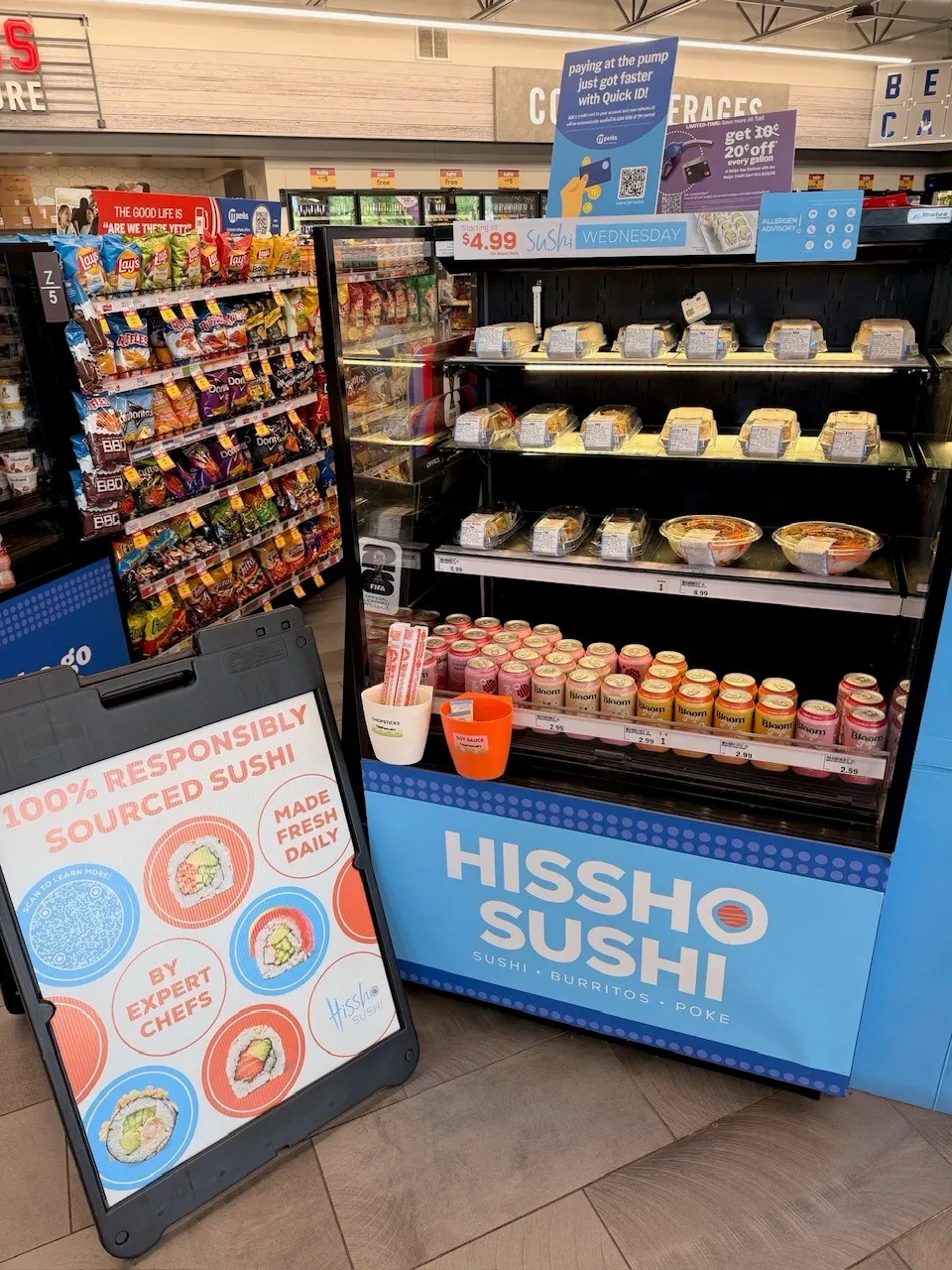
The strongest sushi programs combine clear signage, strong promotions and clean, well-stocked displays with ongoing consumer education, Kiel said.
"While sushi has become much more mainstream, there is still an opportunity to introduce consumers to new flavor profiles, ingredients and occasions for purchase," he said.
To that end, limited-time offers and seasonal features can give shoppers a reason to engage with the category for the first time — and trust, built through consistent quality and food safety, is what brings them back, Kiel noted.
For retailers looking to dip a toe into Asian cuisine, Kaiser recommends starting with flavor profiles that feel familiar enough to be approachable while still offering something new.
On the food side, that means adding options like teriyaki, sweet chili, Korean barbecue, sesame garlic, yuzu-based sauces and chili crisp. On the beverage side, matcha, lychee, dragon fruit, milk tea and boba are all seeing strong consumer uptake.
"These work because they strike a balance between familiarity and discovery," Kaiser said. "Consumers want to try something new, but they don't necessarily want something so unfamiliar that it feels risky."