3 Big Numbers is a weekly column that looks at a few key details from around the c-store industry.
Artificial intelligence is finding its way into several areas of convenience store operations, from AI agents that answer questions and streamline workflows to more personalized loyalty programs and applications in delivery and ordering kiosks.
As retailers tap more AI tools, they need buy-in from customers.
A recent report from restaurant and retail tech company PAR Technology showed that 40% of shoppers and 61% of Gen Z shoppers say transparency is the best way for convenience stores to build trust in their use of AI.
In this week’s “3 Big Numbers,” we explore what PAR discovered about consumers’ views of c-store AI integrations.
55%
The percent of respondents who said faster checkout would be the best use of AI in c-stores
As AI becomes more common in the convenience retail industry, the growing question becomes: Where can it best be implemented? PAR asked people where in the store they would prefer AI be used, if they had to choose.
The top answer, at 55%, was faster checkout. That was followed by keeping products in stock at 39% and better loyalty rewards at 37%.
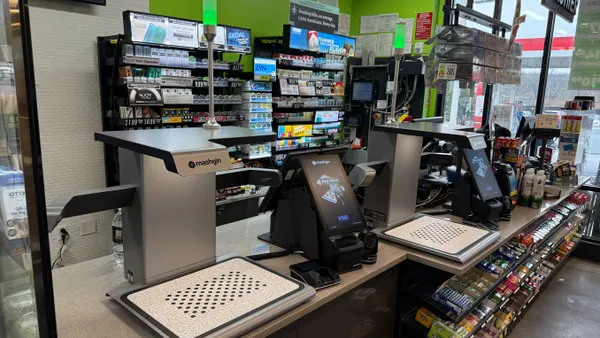
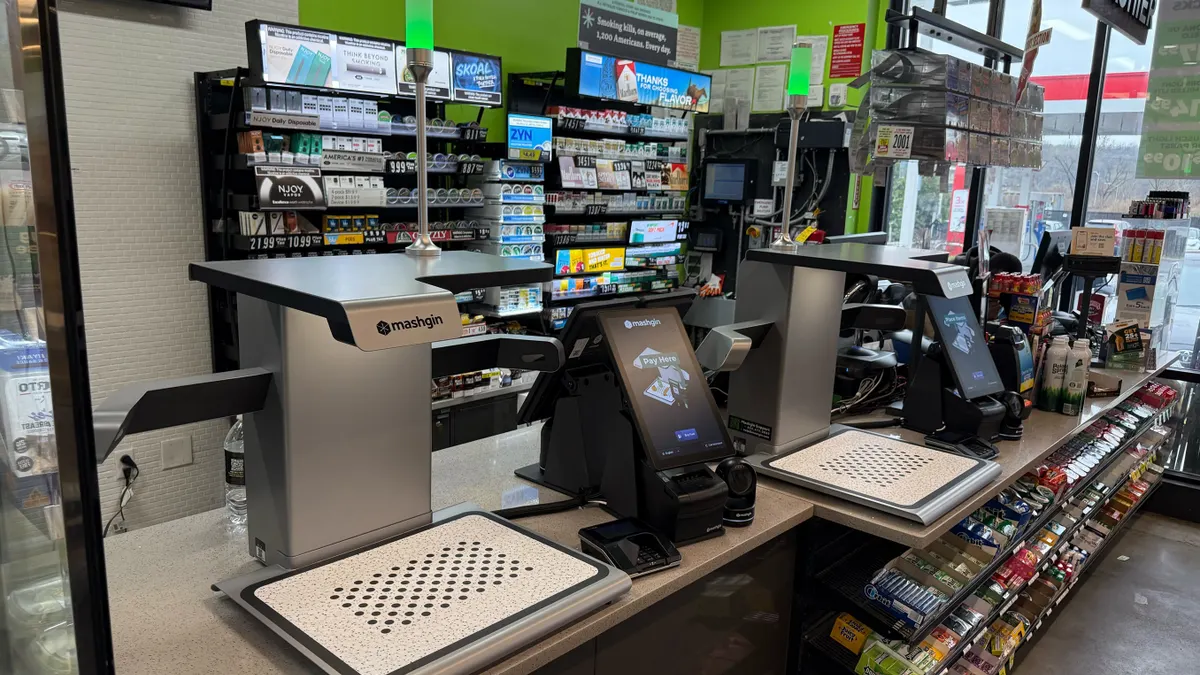
Checkout’s strong showing may be a matter of familiarity. Checkout technology was the main place where respondents had already encountered c-store AI, with 60% saying they had seen self-checkout kiosks in c-stores and 39% saying they’d seen automated checkouts.
31%
The percent of respondents who said they would be somewhat or very uncomfortable with AI making personalized recommendations based on location, purchase history or travel patterns
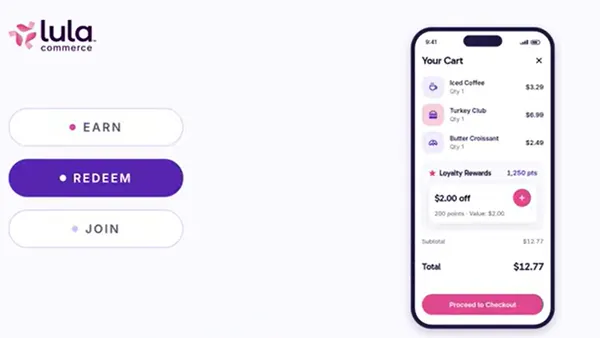
Loyalty programs have been updated left and right in convenience retail this year, with many including more personalization. PAR’s survey showed that retailers might want to be careful, though.
More than half of respondents said they would trust AI to recommend personalized deals based on their purchase history. When asked how they would feel about AI making personalized recommendations if data on their location and travel patterns were added into the mix, however, only 25% said they would be excited and 31% said they would feel uncomfortable to some degree.
“A loyalty-app coupon uses information customers already gave the store on purpose, in exchange for a clear benefit,” stated the report. “A recommendation built from where someone’s been driving feels like AI reaching for information they didn’t hand over willingly.”
50%
The percent of respondents who said it's important that automation not make it difficult to reach a real employee
While many customers may feel comfortable with some level of automation, the report also pointed out that many shoppers believe it can be taken too far.
Only 8% of respondents told PAR that stores can never be too automated. And for many shoppers, the main thing that would make automation a problem is the inability to make a human connection. Fifty percent said a store is too automated if they can’t easily reach a real employee, while 46% said it’s a problem when there are very few employees in the store.
Having human employees available when needed was the second most important way to build trust in AI use, highlighting that even the best tech stack may not live up to the hype if the store’s workers aren’t present, well-trained and welcoming.