Sales of sour foods and beverages are growing across all types of retailers, and c-stores have not fully capitalized on the trend, experts say.
Sour is a well-established flavor trend that’s still evolving, according to 7-Eleven Inc.
“Consumer interest in sour candy continues to be strong, driven by shoppers who are seeking bolder flavor experiences, sensory excitement and products that deliver an element of surprise,” the retailer noted in a statement.
Overall, sour is a “mature trend, but it has active pockets of growth and re-invention,” said Sally Lyons Wyatt, global executive vice president and chief advisor for consumer goods and foodservice insights at Circana, noting that the flavor profile has expanded into a number of categories, including energy drinks.
For a mature trend, sales are strong. Sour food and beverage sales across all retail types jumped up 10.8% in dollar terms and 6.9% by units for the 52 weeks ending Aug. 9, according to Circana data.
In c-stores, sour product dollar sales increased 5.5% and units grew 1.5%. Nonchocolate candy remains the anchor category in sour sales for c-stores, accounting for about 64% of dollar sales, followed by energy drinks.
“Within c-stores, because of immediate consumption, sour is definitely an important part of the story,” Lyons Wyatt emphasized.
Top sour variants gaining ground
Despite sour’s growing momentum, not every product and flavor offshoot is successfully incorporating it, Lyons Wyatt said. For instance, there are declines in certain sour gummy products in c-stores, although newer and more distinctive selections such as sour black cherry are performing well in c-stores.
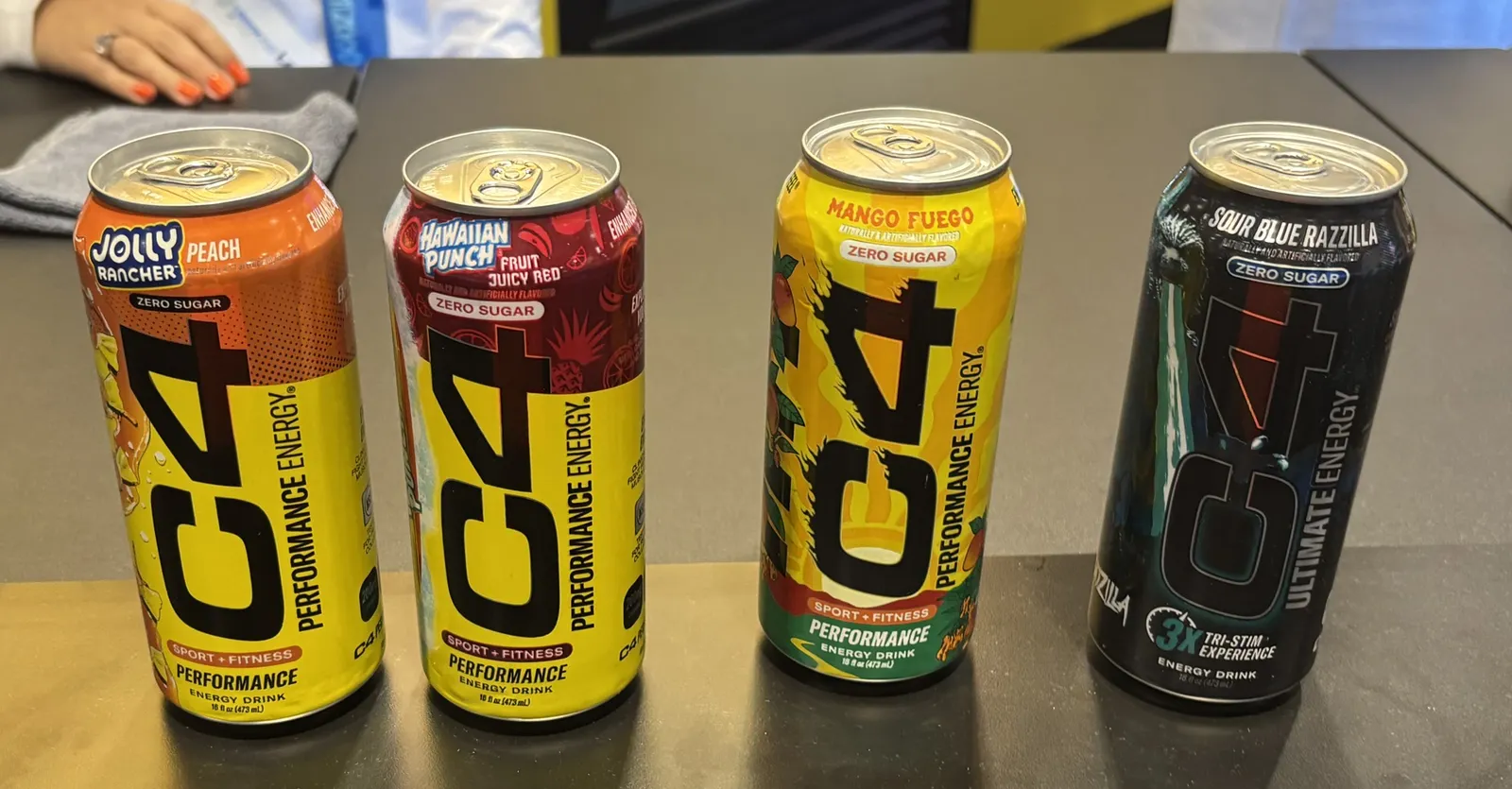
Sour blue raspberry-flavored products are the fastest-growing c-store flavor, surging 33% in c-stores in the past year according to Circana data.
Lemonade is a common sour option. Wawa’s Shark Splash Lemonade uses a tart cherry syrup as an ingredient, noted Emily Murawski, a research and insights manager at Datassential. The tart cherry syrup can also be added to custom beverages as well.
As consumers become more adventurous, sour options give c-stores a versatile way to put an unexpected twist on familiar products through new flavor pairings, textures and formats, 7-Eleven said.
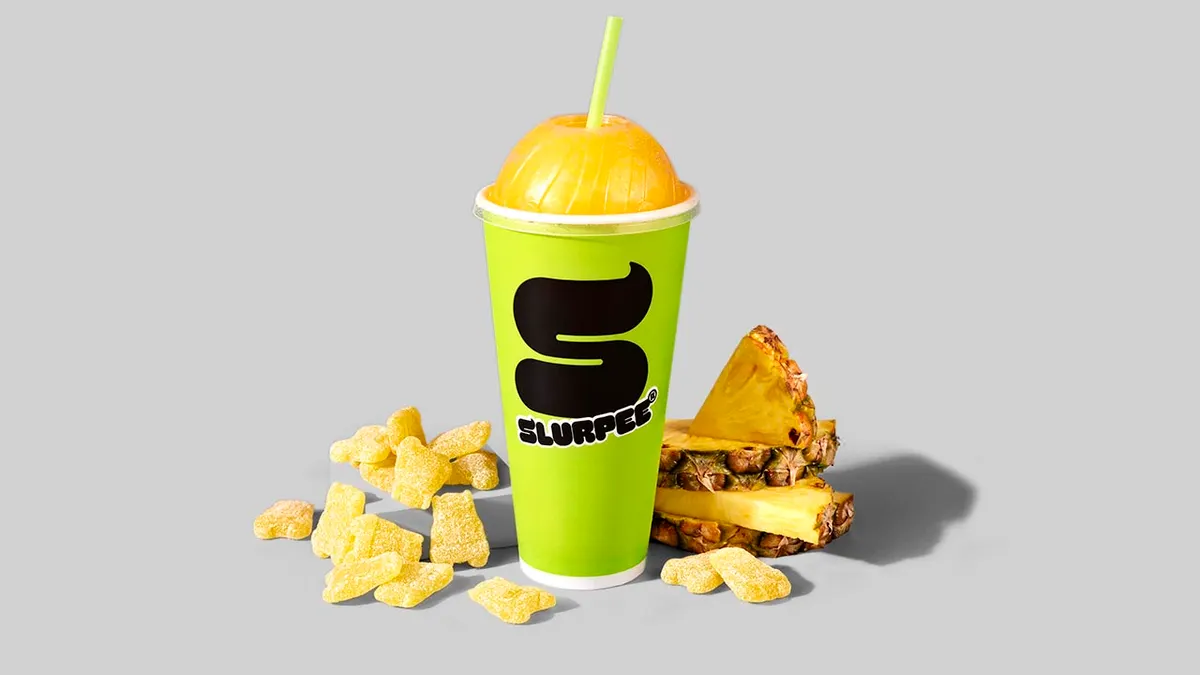
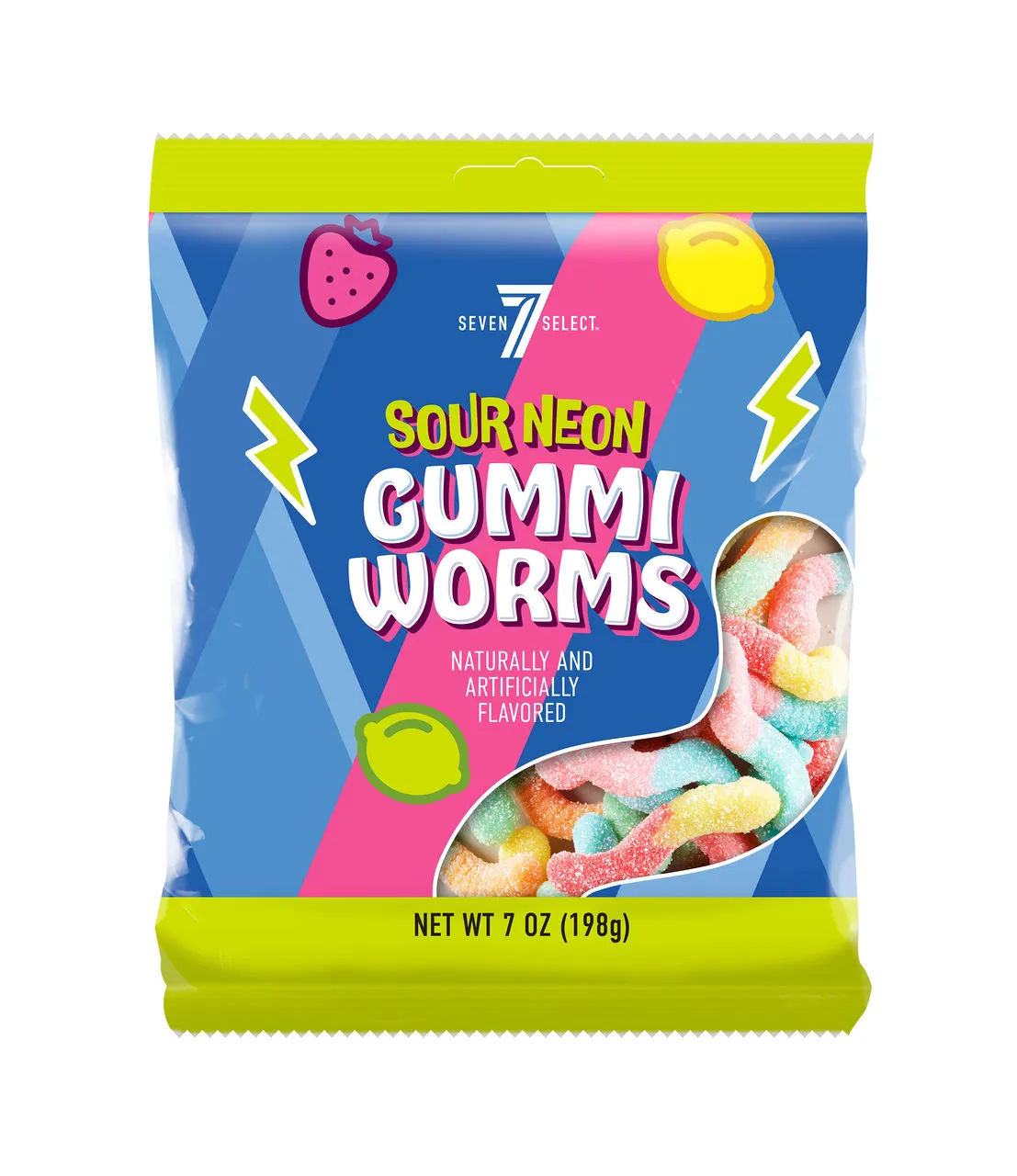
“While Slurpee drinks have given us a playful platform for sour innovation, we’re also seeing the flavor resonate across our candy portfolio, including 7-Select Sour Neon Gummi Worms which remain a customer favorite, and sour varieties alongside formats like freeze-dried candy,” the retailer said.
Lyons Wyatt also cited sour flavors’ place in innovation and experimentation as an important avenue for c-stores.
“Consumers are absolutely responding to new combinations and more unexpected formats and greater intensity, Lyons Wyatt noted.
The sweet spot for a sour assortment
Sally Lyons Wyatt, global executive vice president and chief advisor for consumer goods and foodservice insights at Circana, suggests organizing sour assortment around three roles:
Core: Maintain proven sour candy formats and recognizable profiles such as assorted sour fruit, sour-then-sweet, watermelon and blue raspberry.
Growth: Give greater visibility to emerging winners such as black cherry, intense sour and crossover energy-drink flavors.
Discovery: Reserve a controlled portion of the assortment for limited editions, spicy-sour, chamoy, pickle, tropical and cross-category innovations.
How to reinvigorate sour sales
While sour is a mature flavor, Murawski noted that there is plenty of potential for reimagination and innovation.
In dessert and nonalcohol beverages, c-stores could use emerging flavors such as the citrusy flavors of a margarita, which shows up in desserts such as pies, cookies and cupcakes in addition to the familiar cocktail. Margarita notes could easily translate to ice cream, shakes, cookies or donuts at c-stores, Murawski said.
Key lime is also a potential top-seller.
"Any of these sour item-as-flavor trends are great choices for c-stores as they're super approachable, taking a familiar item and using it as a flavor in an unexpected format,” Murawski said.
C-stores can bring sour candy flavors into beverages and connect candy and beverages through “flavor families” such as black cherry and blue raspberry, Lyons Wyatt suggested.
Lyons Wyatt also urged operators to lean into hybrid or layered flavors.
”Consumers are responding to flavors that are this layering effect, such as sour plus spicy,” she added.
Plus, sour flavors like dill pickle are beginning to infiltrate the salty snacks category — a fast growing sub-segment in c-stores, per Lyons Wyatt.
Additionally, cross-category experimentation is something that convenience stores can do better than any other channel, said Lyons Wyatt, thanks to their smaller footprint and wide, established assortment of candy and beverages.
Merchandising should make the connections visible. Retailers could place complementary candy and beverage flavors together in secondary displays or use simple signage such as “sweet,” “sour” or “extreme,” Lyons Wyatt suggested.
Cold-vault placement is particularly important for sour energy drinks, but pairing those products with candy at high-traffic points can encourage a second purchase, Lyons Wyatt recommended.
Further expansion is likely on the horizon for sour. It ranks in the 85th percentile for future growth potential, according to Datassential Menucast, meaning its growth is predicted to outperform 85% of all other foods, beverages and ingredients over the next four years.