Fueling Up is a column from C-Store Dive offering a fresh perspective on the top news and trends in the convenience store industry.
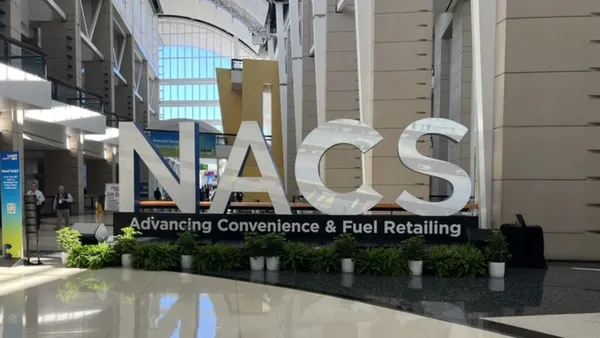
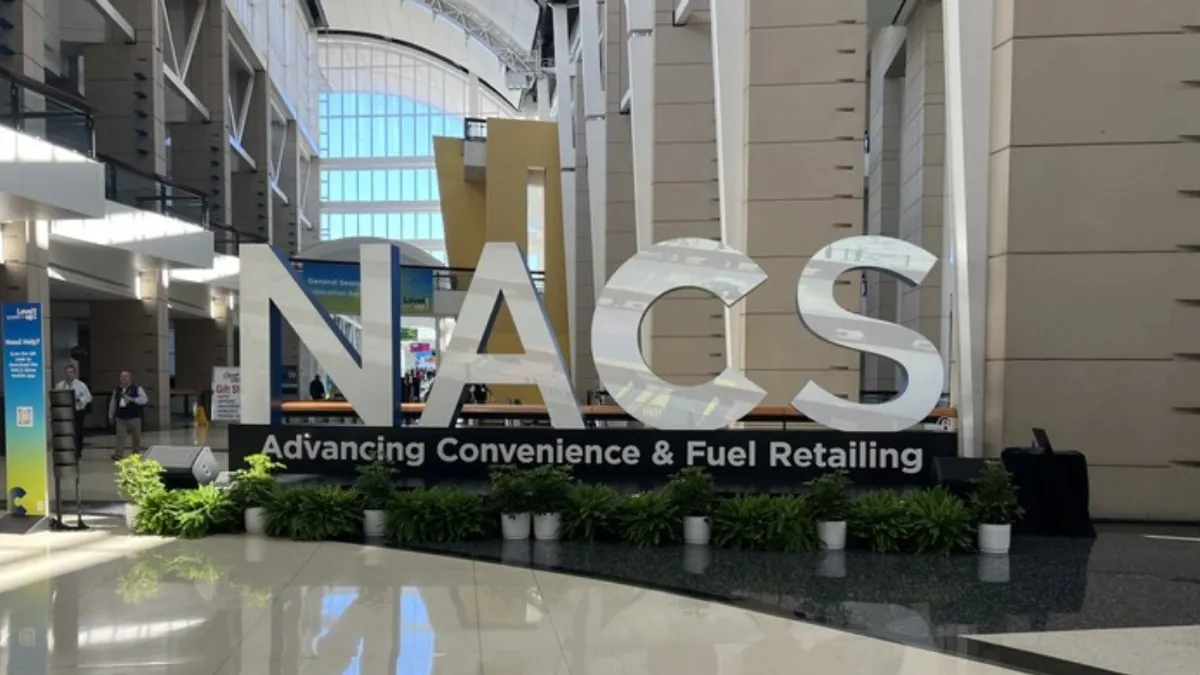
The convenience store industry is heading back to Las Vegas Oct. 6-9 for the annual NACS Show. As always, there’s no shortage of trends to talk about. From foodservice innovation to labor shortages to AI implementation to the impact of tariffs and inflation, retailers and industry insiders will flock to Vegas to get the latest on c-store happenings.
But my team and I at C-Store Dive cover these trends all year round. So I mainly want to know how they’re evolving, and whether they’re actually working.
If history is any indication, I’ll probably leave Las Vegas with a dozen questions about the future of this industry. That’s part of the fun. For now, here are the four I can’t get out of my head.
See you on the expo floor.
Is the industry’s technology facelift actually paying off?
This year has been a technological revolution for the convenience store industry. It feels like every month, large and small retailers are announcing a new partnership with an AI company or detailing how they’re launching or revamping their loyalty programs. Tech has never been this industry’s strong point, but c-store operators are finally going all in.
Now it’s time to take a look at what these AI implementations and tech upgrades are actually doing and the impact they’re making. Are they saving retailers time and money by easing their employees’ workloads, or helping consumers find more value on their mobile apps?
Asking experts for their honest input on how AI and tech upgrades have impacted their businesses will be one of my top priorities at this year’s show.
How close are c-stores to closing the foodservice gap with QSRs?
Even more than their AI and tech investments, convenience retailers have spent recent years upping their foodservice games in an effort to compete with QSRs and turn their stores into food destinations. Restaurant operators are keenly aware of c-store operators’ efforts to usurp them.
A few years ago, the c-store industry was in what I’d call the early innings of its premium fresh-food era. But not anymore, as operators large and small are constantly tweaking their menus and launching new foods and beverages that make some of their locations feel as much like a restaurant as a gas station.
So, similar to my question above: Now that we’re farther along into this journey, is it working?
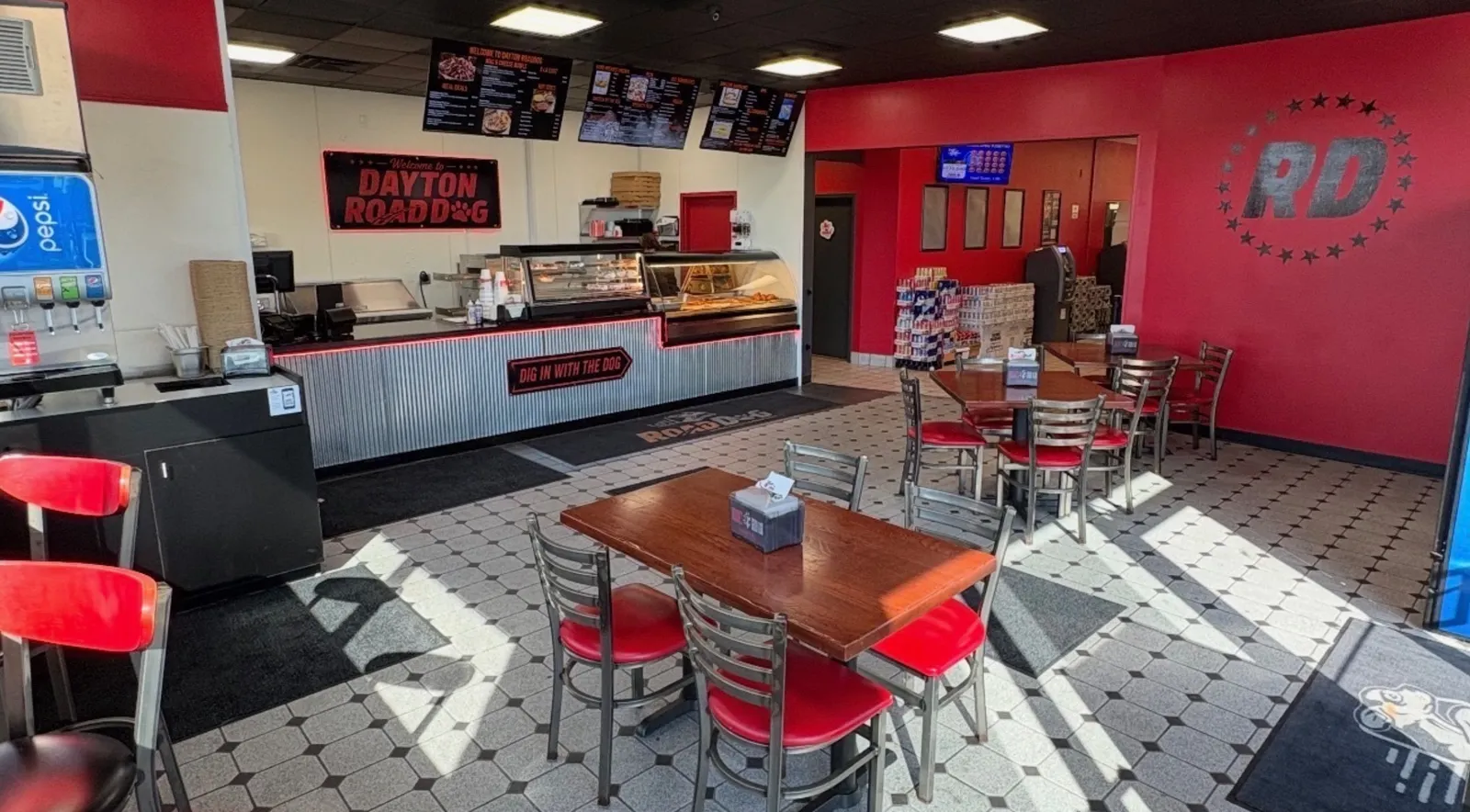
NACS reported earlier this year that foodservice accounted for 28.5% of in-store sales in 2025 — an astronomical jump from 11.9% in 2005.
That boost is clearly a sign that not only is the industry prioritizing foodservice more than it was two decades ago, but that the investment is paying off. But the competition keeps growing, and so do the expectations for this budding category. What comes next remains a question mark.
What c-store products are consumers actually willing to pay for?
A murky geopolitical climate, inflation and other factors are impacting the U.S. economy. Not only does broad consumer sentiment continue to fall year over year, but the climate is particularly harsh for convenience retail.
NACS reported earlier this year that the average convenience store recorded 45,160 transactions per month in 2025, a 2.7% decrease from 2024, even as operating costs continued to rise. That suggests there’s less traffic coming through the average store, putting even more pressure on retailers to figure out what consumers are still willing to spend on.
Might c-store operators try to hone in on a few categories that consumers seem to still be buying even during these fraught times?
We know foodservice is growing, for example, while cigarettes continue to plummet. Maybe there are other parts of the store where operators can make adjustments to save costs without losing consumers’ already-pinched dollars.
What’s the general consensus on the future of small and mid-size c-store operators?
Consolidation remains the name of the game in convenience retail, as operators with around 50 locations or fewer keep exiting the industry as financial pressures mount and larger competitors target their assets. This has brought many exits from smaller, regional retailers such as Earnheart Oil, Fleming Brothers Oil, PowerTrac, FastLane, Big Boss Stores and Monfort Companies.
But at the same time, some operators of that size are thriving.
Take Texas-based TXB, whose owner and president both recently told me that the 54-store chain feels good about its future despite the consolidation happening around it. From what we’ve covered, that same mentality might apply to community-oriented retailers of a similar size like Dash In, Gas N Wash and Warrenton Oil. Not to mention Buc-ee’s, which is growing unlike any other retailer in the industry.
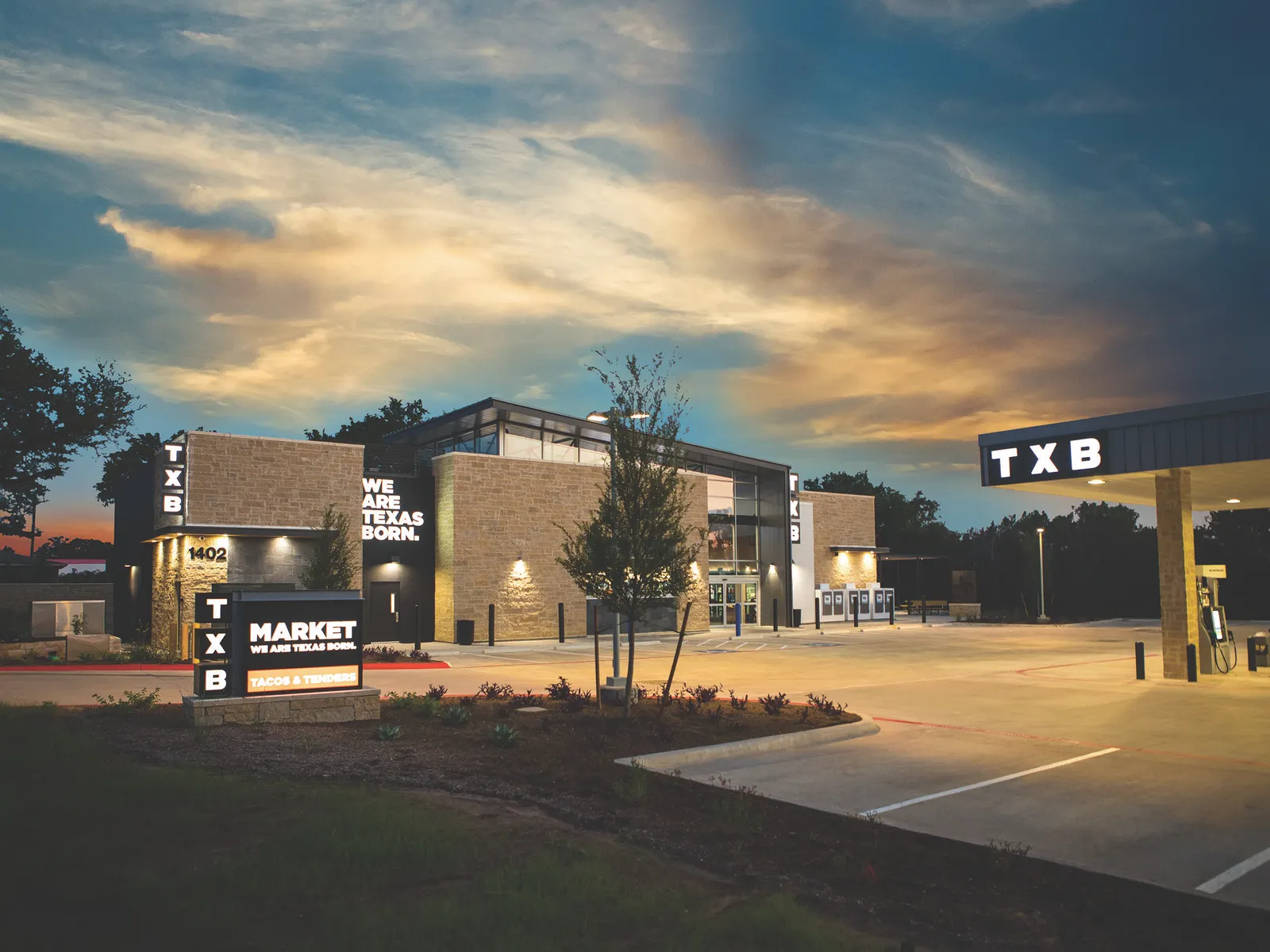
Long story short — I’m going to spend some time at the show getting a feel for what the industry sees as the future for small, regional operators. What do these companies need to succeed during these dire times? For the ones who don’t have that “it” factor, do they plan on finding a niche, or are they looking to exit while they can still get a good deal?
While consolidation continues to run rampant, NACS reported earlier this year that 63% of the industry’s c-stores are still owned by companies operating 10 or fewer stores. That means there’s a huge pool of smaller operators still out there and potentially more deals on the table, but also plenty more retailers ready to spark new growth.