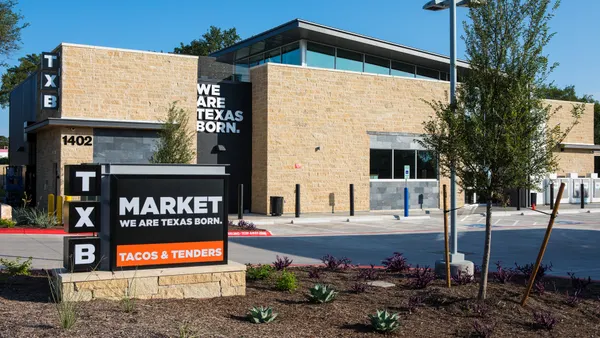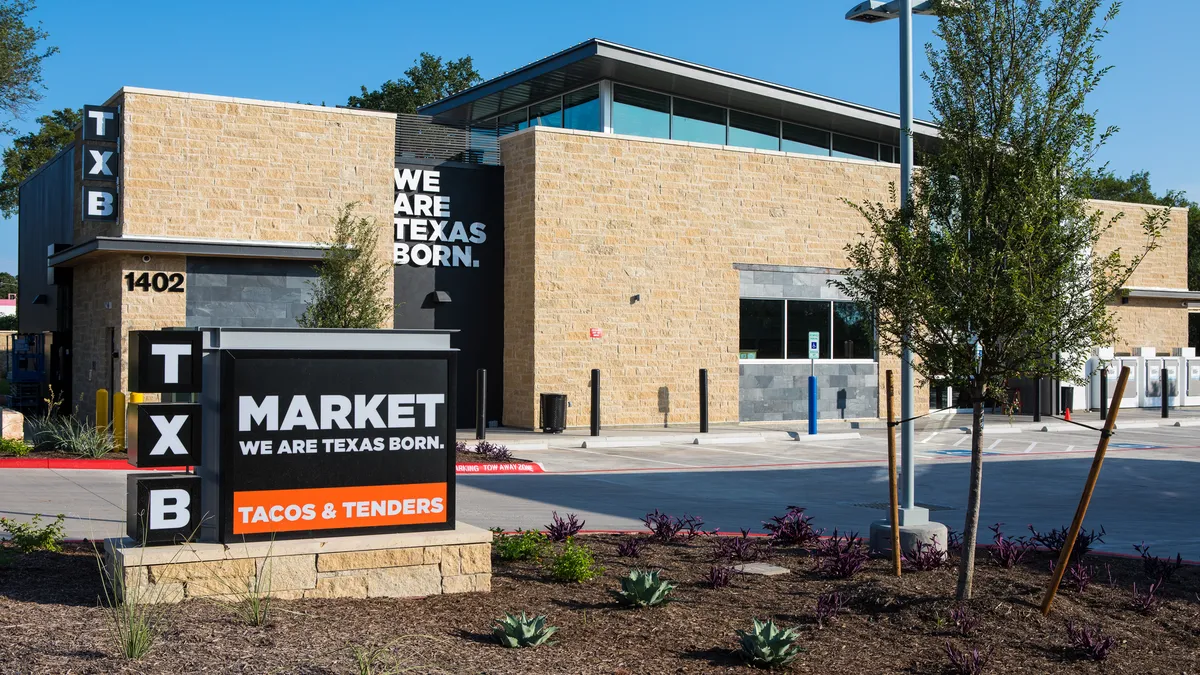
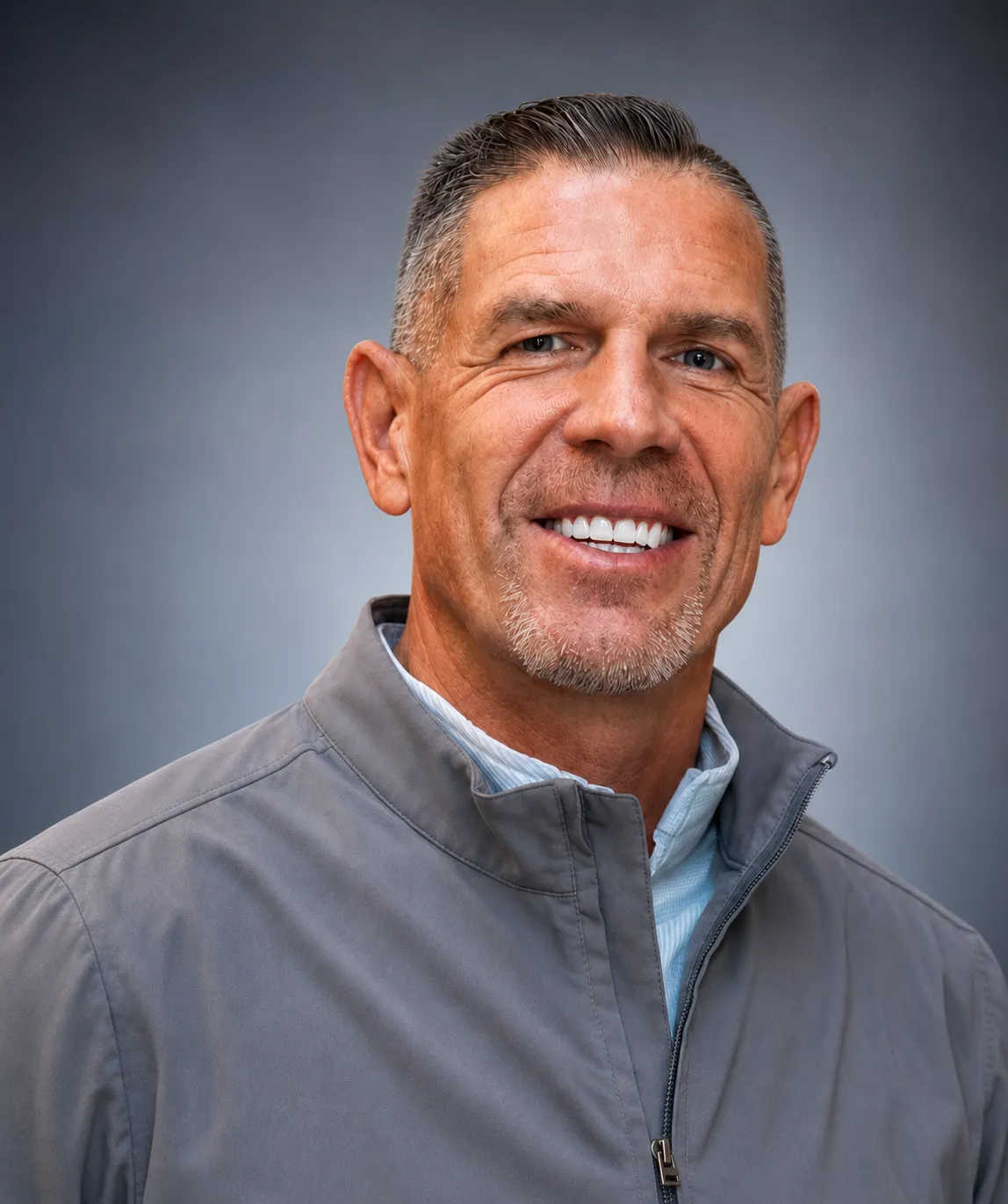
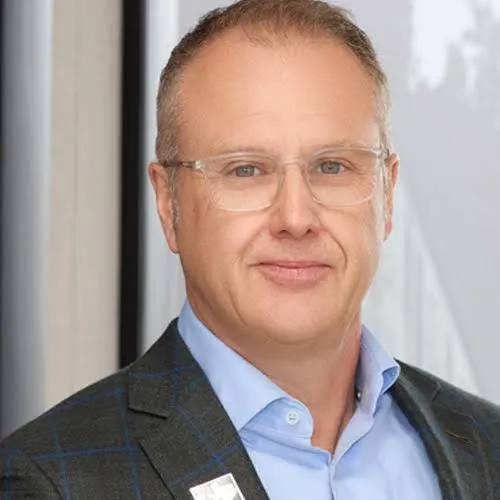
Southern convenience retailer Texas Born made a significant addition to its executive team last month, hiring c-store industry veteran Nate Brazier as its new president.
Brazier joined TXB about three months after stepping down as president and CEO of Idaho-based Stinker Stores. At TXB, he oversees daily operations while working closely with owner and CEO Kevin Smartt.
“What I don't want to do is have average retail stores — I want to have the best,” Smartt said in a recent interview with C-Store Dive. “Having Nate here helps me feel confident that now as we grow, we can grow and be the very best retailer out there.”
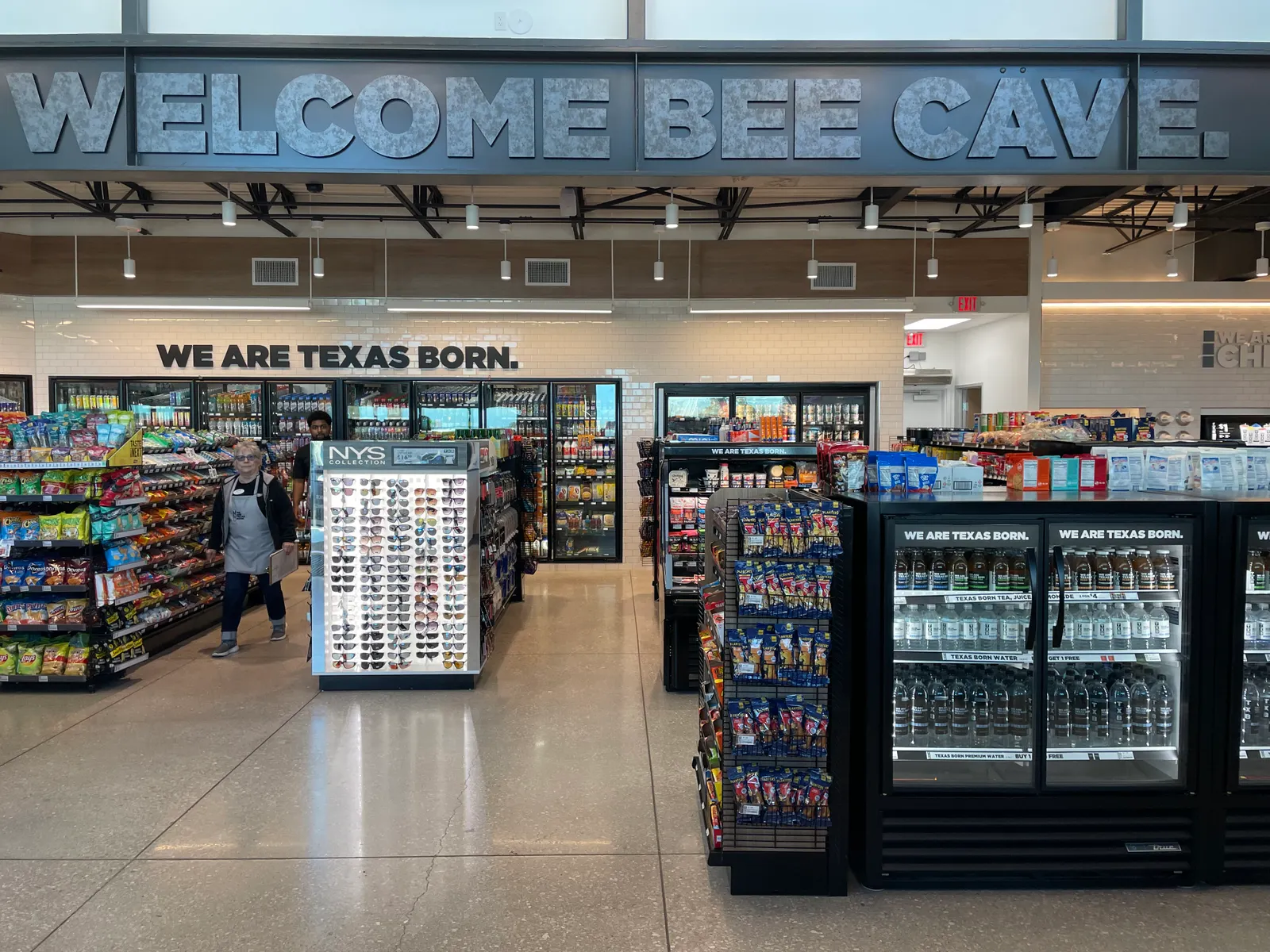
Brazier’s hiring comes as TXB embarks on the most ambitious growth phase in its history. The retailer plans to more than double its store count, growing from 54 locations to more than 100 over the next five years.
C-Store Dive sat down with Smartt and Brazier to discuss TXB’s growth plans, how Brazier’s hiring supports that strategy and how the company plans to maintain its operational standards and community presence as it expands.
This interview has been edited for length and clarity.
C-STORE DIVE: TXB plans to essentially double its store count. Now that Nate's on board, where does that goal stand today? Is that still what you're striving for?
SMARTT: Getting Nate here was more, for me, a last piece of the puzzle to really invest in the right leadership to help us grow. I feel like we've done a great job in investing in food, technology, brand, assets, and I just felt like we really needed to have that leadership to help us execute on the highest level.
I look at the 100-store mark — yes, we're still aiming for that. We’ve got a whole pipeline of real estate we've already acquired and that we're working on acquiring. And if the right M&A opportunity came along, we'd sure take a look at that as well.
Do you have a timeline on when you want to reach that, or is it more you're taking it slow and steady, and whenever you reach it, you reach it?
SMARTT: I think I said in the next five years that our goal was to try to get to 100 stores. So I wouldn't bend that goal yet. I'd still try to keep it and see what happens. I think I feel confident that if we don't get there, we'll get close.
What does the opening pipeline look like for, let's say, the next year or so?
SMARTT: A lot of that depends on permitting in the areas that we're in. Our goal was four to six organic stores a year, and then any M&As that we can add to that. I would say that if we can do it, we'd like to get seven to 10 stores [annually] between organic and M&As over the next five years.
Nate, something that stood out to me when you were with Stinker is how you had such a big role in reshaping how those stores were laid out — making them more food focused. TXB already has a strong food presence. Is there any specific category in the store, whether it be food, whether it be another area, that you are eyeing as an opportunity here to imprint your influence on?
BRAZIER: Not yet. My biggest priority is to listen and learn, and that's what I've been focused on over the last week and a half, so that as we as a team work through those opportunities, we're all aligned and we're looking at the same data points, the same flow in the store, those types of things. We have a really strong foundation. To grow, it takes getting consistent with processes and systems and things of that nature.
On the topic of growth and reaching 100 stores: What are the biggest, if any, constraints that might bring the two of you in a room together and be like, how do we approach this [goal]?
SMARTT: I don't know that we will hit that goal with pure organic growth. So it's probably going to take some M&A along the way to help us get there. I think at whatever point, just being strategic about where that M&A might happen and how it fits into who we are as a company, the kind of stores we like to operate, just where they're located. If we're going to be strategic about something like that, I think it's going to be, where would that come from, and how do we go about it? I've already been thinking and having those conversations somewhat with our internal team, my CFO and others. So it's not like we're waiting for that point.
Would you all be looking to reach any markets outside of Texas?
SMARTT: Probably not for a while. We've talked about it, and I'm not saying we would never do it, but it’s further down on the list.
Going from 50 to 100 stores is not nothing. Do you think TXB is going to have to change anything in terms of how it operates to reach that goal, or is it just business as usual?
SMARTT: There are hurdles or buckets of growth where you can operate somewhat within your own structure until you hit that next bucket or level, and then you have to add or change a little bit. [Hiring Nate] for sure helps us achieve that next [level] for senior leadership. But there could be structural things within the business, from a technology standpoint or just operational, that needs to grow with the business, and that's where Nate — and his experience of operating 100 stores — probably can recognize that quicker than I would recognize it.
BRAZIER: I would add on to that, the infrastructure of the business. And it starts with the people, making sure we're developing our people, building [benchmarks] all the way through, looking at processes, systems that will allow us to then scale organically or [through] M&A. I think that's a big piece.
If we sat down again in a year from now, what would need to happen at TXB that would make you say TXB is exactly where we want it to be?
SMARTT: What I told the team the day that I introduced Nate was our goal was to keep the culture and how we operate in terms of treating people and how we are in the communities the same. But I did [also] tell them, I think we've done a great job, but I'm not satisfied with where we are. Telling them that was a sign to say, ‘Hey, people are going to be important. They're still going to be first for us and our culture is going to be important. But we're going to get better.’ I would like to look back and go, ‘Our team and culture is stronger than ever, but we have really improved in how we operate in our stores.’
Nate, what are some areas that you see right now could be improved in a year from now?
BRAZIER: I'm going to use the word enhanced or strengthened. As I said, the foundation's there. And it's how we operate our stores with increased consistency. If I sit here and it's a year from now, I'll ask the question: Did we get consistently better? Meaning, are our people better off? Are they even better trained than they were? [Do] they have career paths within TXB? Are our guests better off? Are they getting more value every time they come into one of our stores? Are they having an experience that [makes them] want to come back over and over and over again? It’s strengthening the consistency in which we operate our stores.
It’s overwhelming how often I see chains of less than 100 stores selling the business because it's a really difficult operating environment for convenience retail and independents. Yet TXB has proven to be an exception to that. As this trend continues of the massive operators in this industry constantly acquiring the smaller operators and consolidating, how does TXB keep doing what it's been doing?
SMARTT: I think the large-scale M&A for those that have remained probably has created a little bit more unique opportunity for us. Around the country, there's a lot of small, mid-sized operators spread out in pockets, and all the ones that I know really seem to be doing well. We're just able to really be a bigger part of our communities, to have a really strong local name and presence, and I think people appreciate that.
The one thing we can't get more of, and that you can't buy, is time. We're all desperate for it. We're more productive than ever, but yet we feel like we have less time than ever. So I think really good, strong regional operators that tie with communities — I think there's a place for us, and I think there's a place for us to grow.