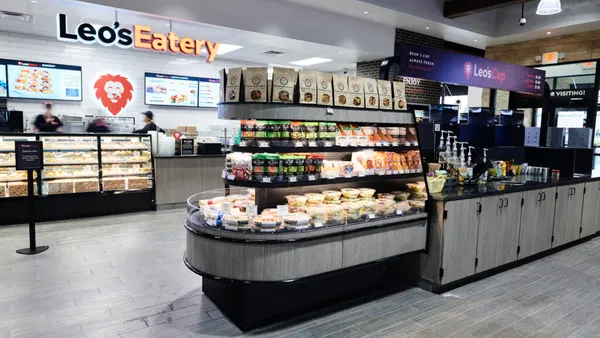
Major energy companies BP, Shell and Sunoco have had a complex relationship with owning and running c-stores over the years.
Not so long ago, all three of these companies looked like they were going to move away from retail and focus on their fueling, electric vehicle services and other properties. They’ve recently realized, however, that owning c-stores has many benefits, from supply contracts to generating additional income.
No recent development sums this up better than Shell’s announced acquisition of Tri Star Energy and its 320 locations in September. With the deal, Shell will effectively double its U.S.company-owned c-store footprint to more than 500 locations and pick up a company renowned for its foodservice. That’s a very different look for a company that nearly 20 years ago got out of c-store ownership altogether.
From Tri Star to Travelcenters of America, energy companies now own some very prominent U.S. c-store chains. But the growth narrative has become complicated recently as companies address profitability and contend with declining trips that are rattling operators nationwide.
Here’s a look at how three top energy companies are managing their c-store portfolios.
Sunoco
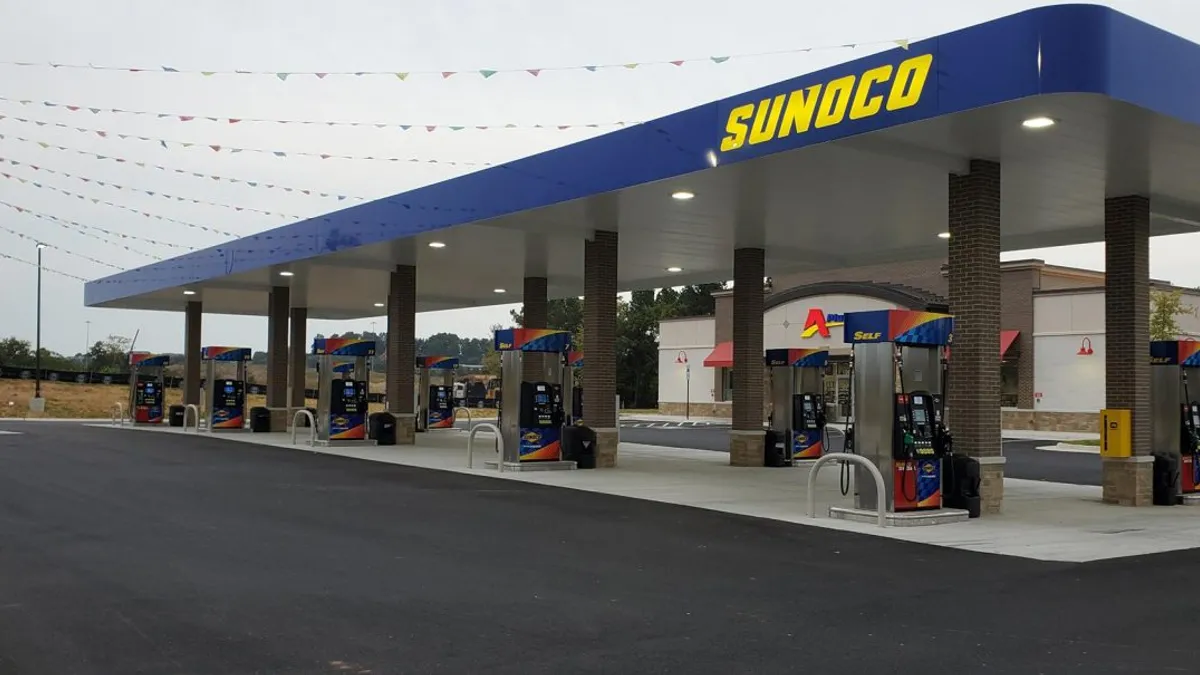
Back in early 2024, Sunoco looked like it was getting out of c-store retailing. Then, in mid-2025, the company spent $9.1 billion to acquire Parkland, a deal that netted Sunoco significant fueling assets along with several hundred U.S. convenience stores.
Questions swirled over whether or not the energy firm would keep the c-store locations. About a year later, not only does Sunoco appear to have held onto those stores — it has also further expanded its retailing network. During the first few months of 2026, Sunoco made three acquisitions that added nearly 150 stores.
It’s hard to tell if Sunoco’s c-store expansion will continue in the months ahead. In August, President and CEO Joe Kim said the company is on track to exceed its target of $500 million in bolt-on acquisitions this year and that strong returns during the first half of the year have freed up more capital for M&A. But he didn’t say how, or if, retail will factor into those plans.
Shell
After more than a decade spent not owning any U.S. c-stores, Shell got back in the game in a big way in 2021 when it acquired nearly 250 stores from Landmark Industries. The deal raised the prospect of additional retail growth, but it would take several more years before the company made another splashy deal.
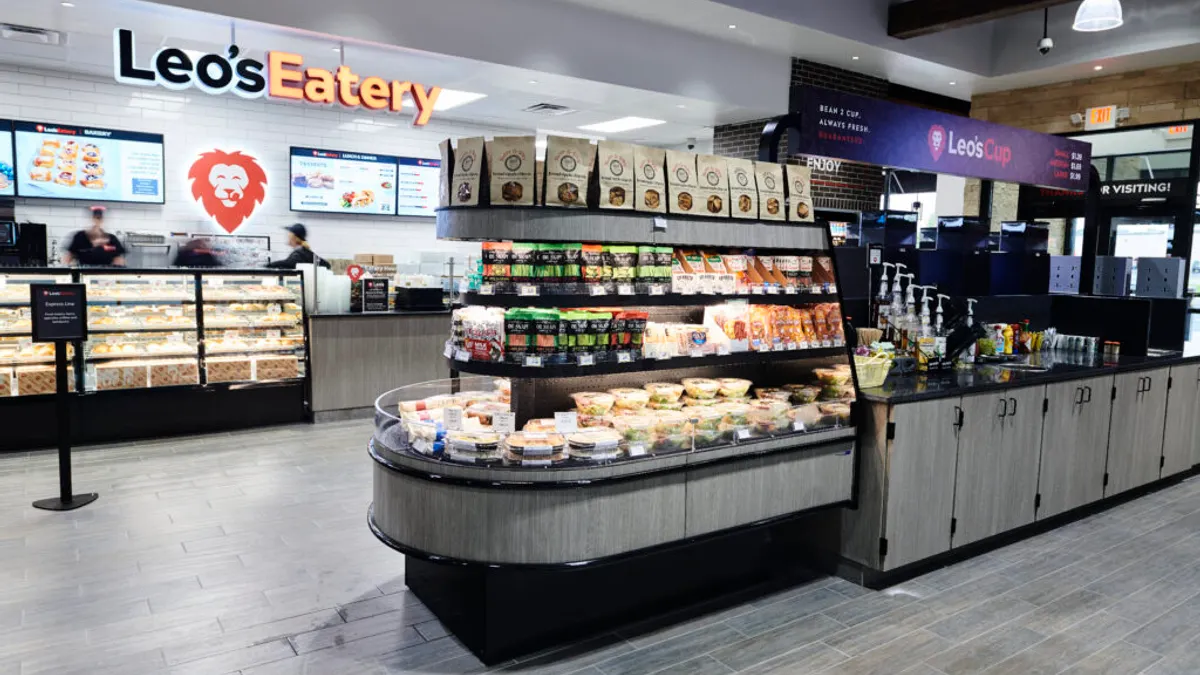
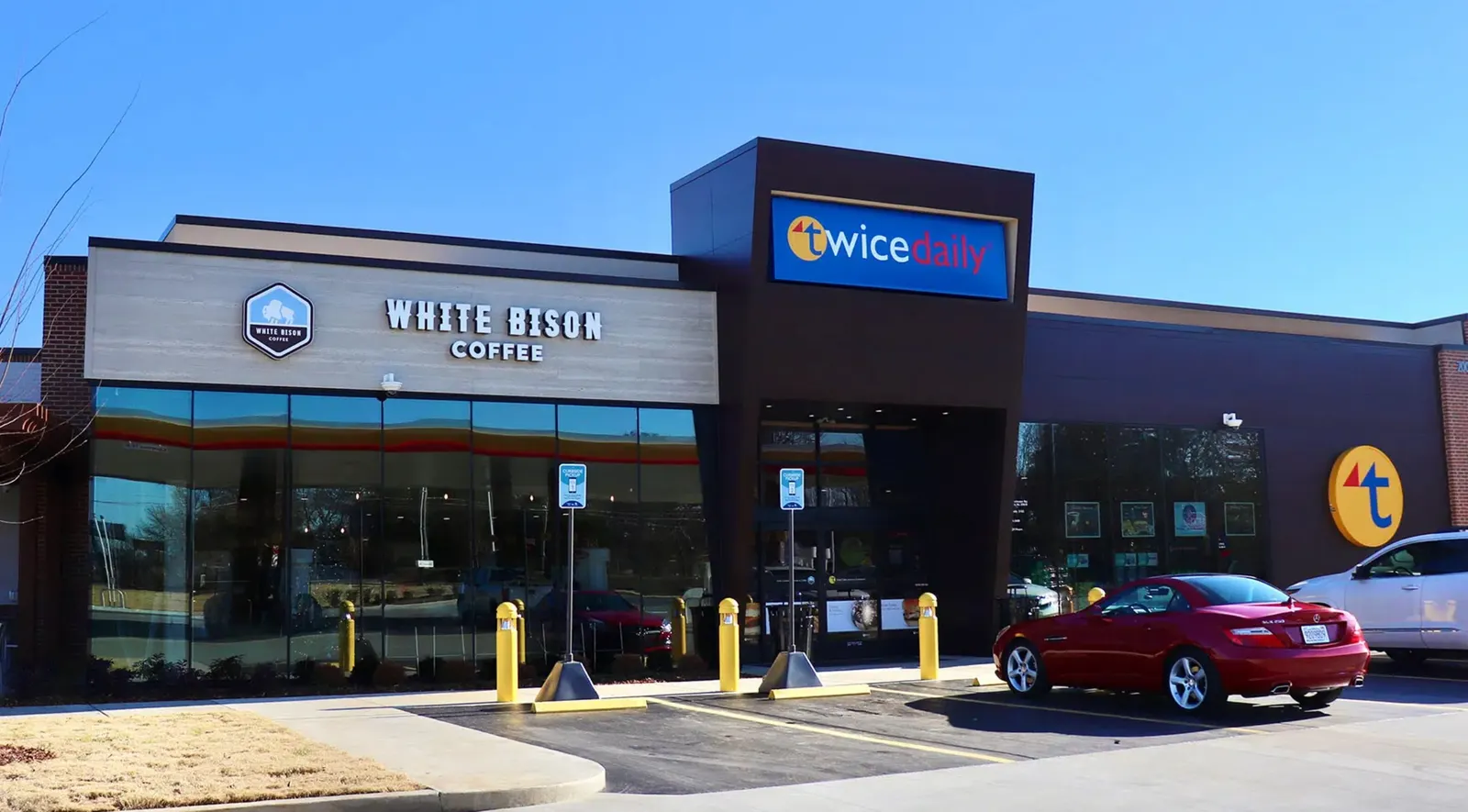
Its plan to acquire the rest of Tri Star — Shell previously had a 33% stake in the company — adds more than 300 retail stores to the oil giant's portfolio, including locations under the Twice Daily, Sudden Service and Little General banners. It also adds significant assets and expertise in foodservice, including the White Bison coffee shop chain, which operates inside Twice Daily stores.
Outside the U.S., Shell has sold off hundreds of stores in an effort to boost its free cash flow. Last year, the company sold around 800 underperforming locations in countries like Indonesia and Mexico.
BP
Unlike Sunoco and Shell, BP hasn’t made a major c-store acquisition in the past two years. But the energy company clearly sees significant value in owning stores.
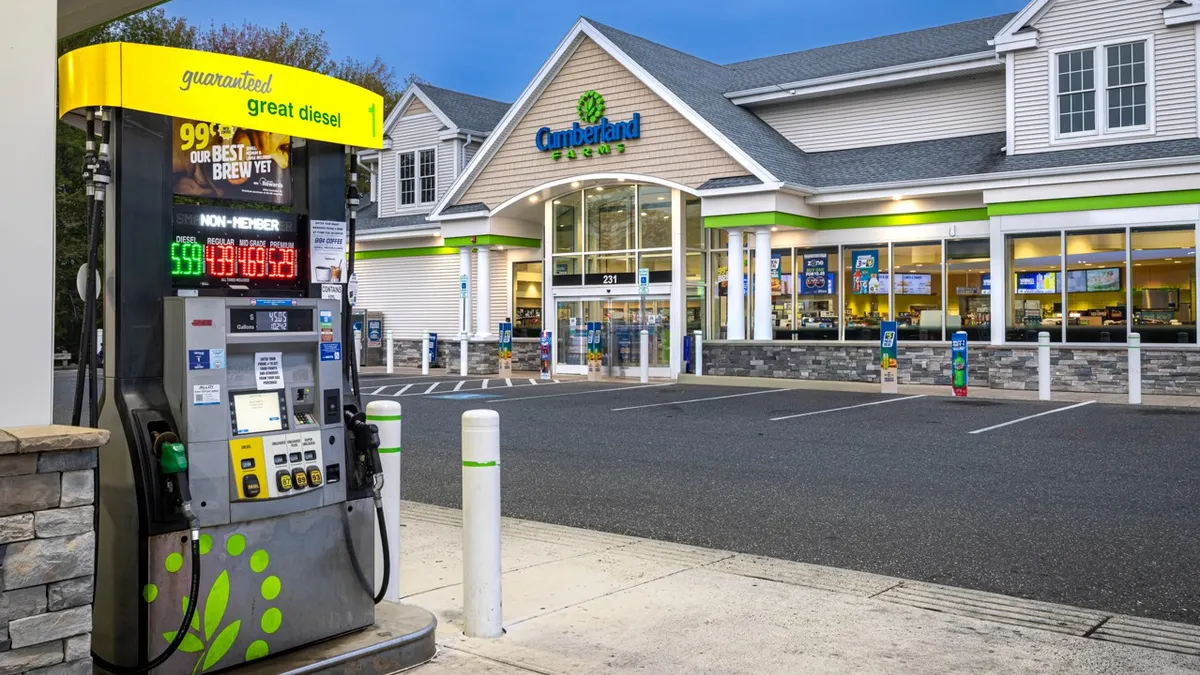
BP stopped running retail stores in the early 2000s, but it significantly increased its c-store footprint with the 2021 acquisition of Thorntons followed by the 2023 acquisition of TravelCenters of America. Between 2019 and 2023, BP globally increased its c-store sites by 70%.
All that growth across convenience retail and the rest of its business, however, have brought increased costs — which BP is in the process of slashing. The company has restructured and carried out corporate layoffs. It also said last year it would sell 10% of its global company-operated c-store locations. So far this year, that’s included hundreds of locations, including a planned selloff of its 250-store Austrian business and the sale of 13 Thorntons locations to Giant Oil.
Earlier this year, BP shifted the management of its c-store businesses to a new division and let two key retail executives exit stage left. In August, recently appointed CEO Meg O’Neill indicated BP wants to make financial improvements to TravelCenters of America.
Although O’Neill and the company haven’t outlined specific plans for its c-stores business, the latest developments indicate BP’s retail business in the U.S. will shrink further before it gets back to growth.